


French Canine Bronze
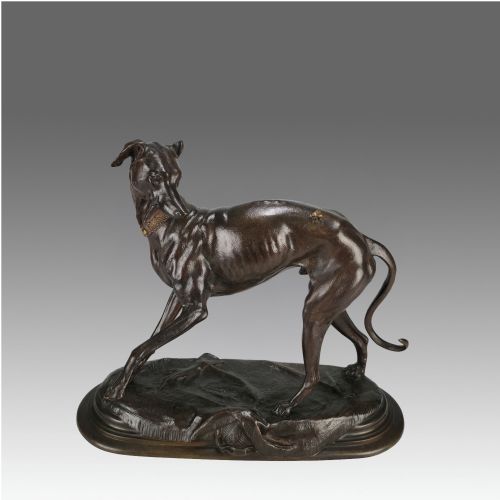
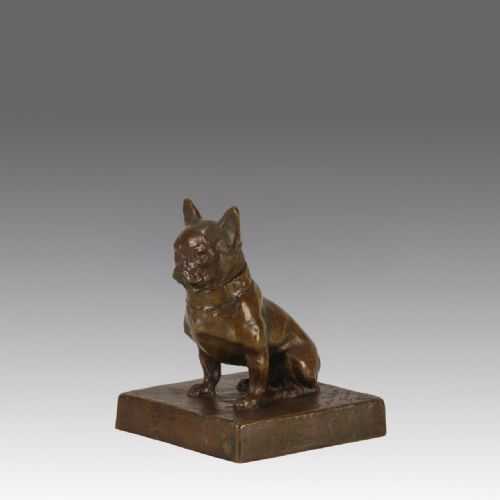
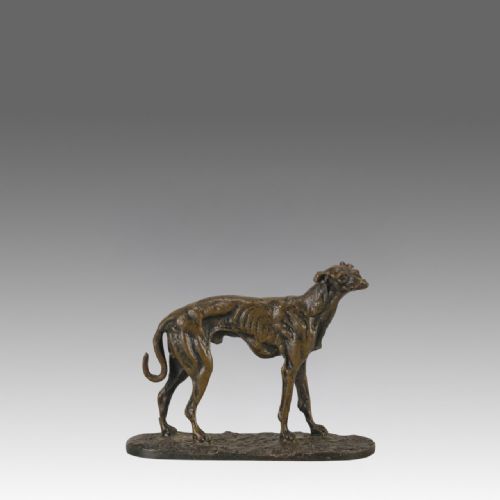
These French canine bronze sculptures capture hounds, bulldogs and spaniels with remarkable realism, making them prized centrepieces for any desk or mantel.
French Canine Bronze
A french canine bronze brings the energy and posture of various dog breeds into domestic interiors through sculptural metalwork. Collectors search for these figures to find detailed studies of greyhounds, spaniels and bulldogs rendered with sculptural precision.
The pieces on this page span the Victorian era, the nineteenth century and the early twentieth century, incorporating Animalier styles as well as Art Deco variations. Most examples emerge from French workshops, though global influences like the Meiji period also appear.
Sculptures take many forms, from single hounds and seated bulldogs to pairs of dogs interacting with objects like balls or flies. These works function primarily as decorative cabinet figures or desk ornaments rather than utilitarian items.
Materials and Technique
Foundries cast these figures using bronze, patinated bronze, and occasionally spelter, frequently mounting the completed metalwork upon solid marble or timber bases. Artisans applied patination directly to the metallic surfaces to accentuate musculature, fur texture and facial expressions.
Makers utilised traditional casting methods to capture fine anatomical details, sometimes finishing the metal with cold paint or subtle colouration. The combination of heavy bronze casting and polished stone plinths provided stability and visual weight to each sculpture.
The selection includes nineteenth-century pieces alongside early twentieth-century examples, utilising bronze, marble, spelter and timber bases.
Assessing Quality
The depth and richness of the original patina distinguish exceptional works from plainer productions, as does the quality of the marble or timber base. Stronger pieces bear clear signatures or foundry marks from notable modellers and casting houses.
Alfred Barye·Dora Heber·P J Mêne·Prosper Lecourtier·Antoine Louis Barye·C Masson·Arthur Waagen·Joseph Francois Victor Chemin·Louis Riche·Barbedienne·L.Bureau
The French Canine Bronze Glossary
- Animalier
- A nineteenth-century artistic movement dedicated to the realistic representation of animals. Sculptors in this tradition focused closely on anatomical accuracy and natural movement.
- Patina
- The surface coloration and sheen developed on bronze through age or chemical treatment. This layer protects the metal and defines the visual tone of the sculpture.
- Spelter
- An alloy of zinc and copper often utilised as a less expensive alternative to bronze. It was commonly used for decorative figures during the Art Deco period.
- Cold Painted
- A technique where paint is applied to cold metal without subsequent firing. This finish is frequently found on Vienna bronze figures.
- Foundry Mark
- A stamp or signature impressed into the metal by the workshop that cast the piece. These marks help identify the origin and production period of the sculpture.
French Canine Bronze: Frequently Asked Questions
What is an animalier bronze?
An animalier bronze is a nineteenth-century sculpture focused entirely on realistic animal forms, capturing creatures in dynamic or resting poses.
These pieces were produced in large numbers across France and appeal to collectors who appreciate naturalistic art.
How do I care for bronze sculptures?
Bronze requires minimal maintenance beyond gentle dusting with a soft, dry cloth to protect the patina.
Keep the metal away from damp environments and direct heat sources to preserve the original surface treatment.
Are these figures solid bronze?
Most sculptures listed are cast in bronze or patinated bronze, though some later decorative pieces utilise spelter.
Heavier examples usually feature solid metal construction paired with marble or timber display bases.
Where were these dog sculptures made?
The majority of these works originated in French studios and foundries during the Victorian and Edwardian periods.
Some international influences and alternative regional casting styles also appear within the selection.