

French Candlestick Light
A french candlestick light brings classical proportion and warm metalwork into a room, offering functional illumination through centuries-old forms.
French Candlestick Light
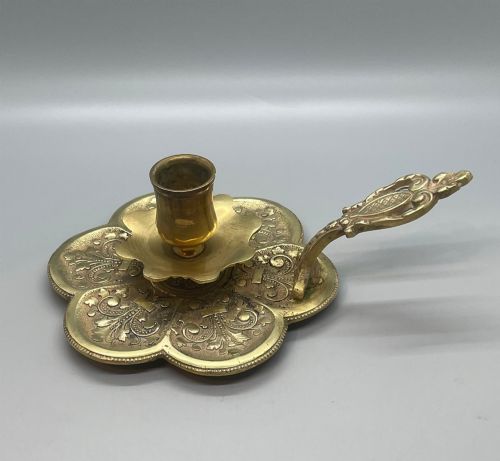
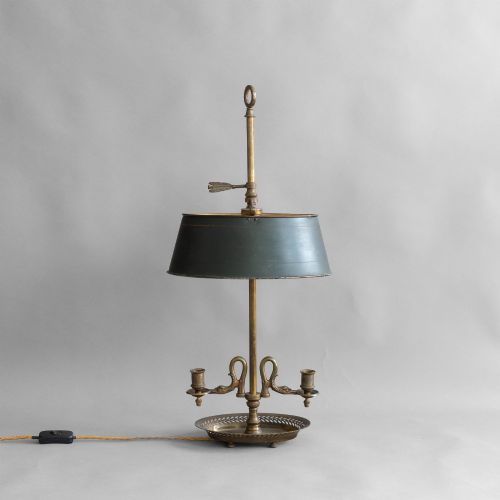
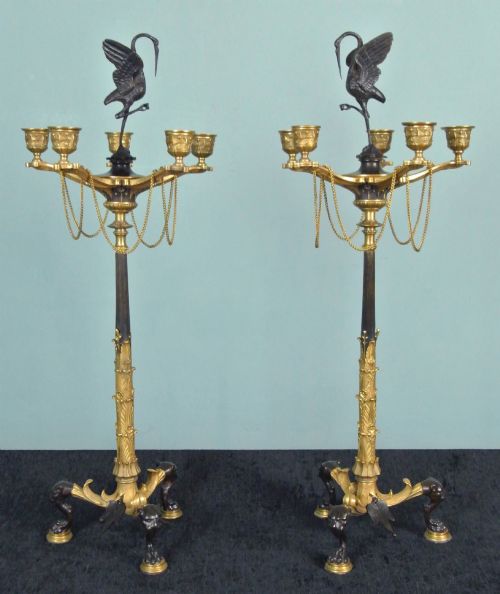
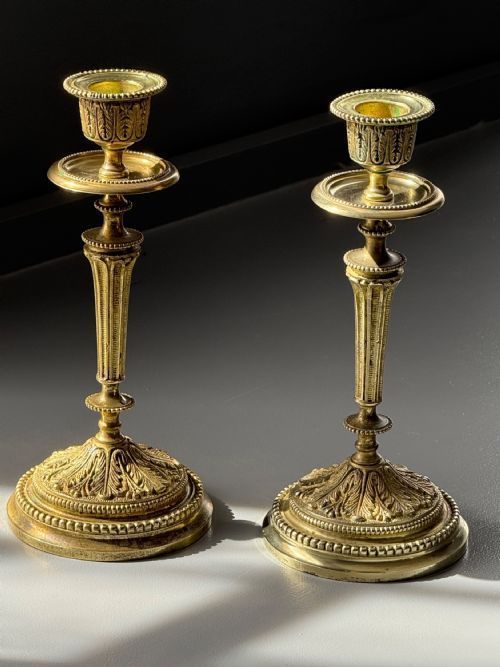
A french candlestick light encompasses single candlesticks, multi-branched candelabra, and pieces later converted into table lamps. These objects originate largely from the nineteenth century, drawing heavily on earlier Louis XVI, Empire, and Rococo design vocabularies.
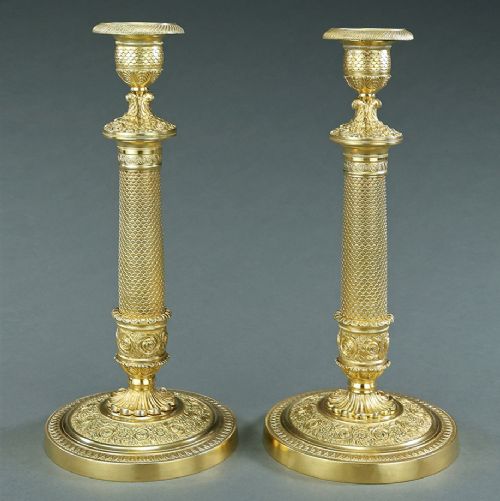
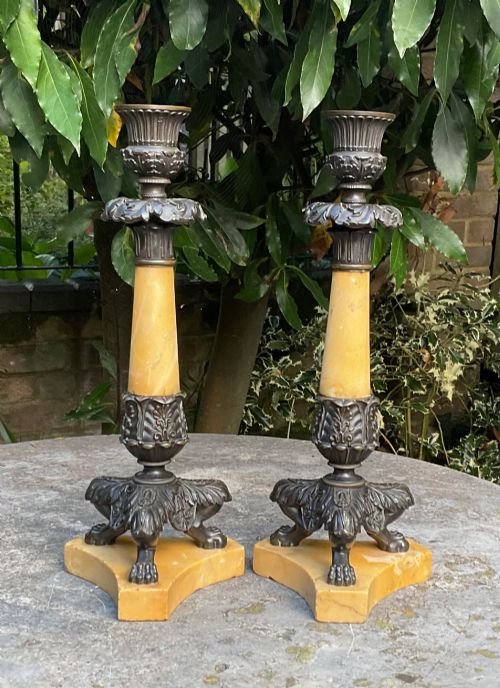
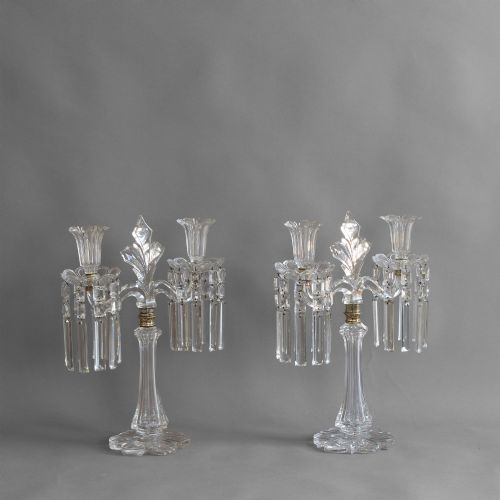
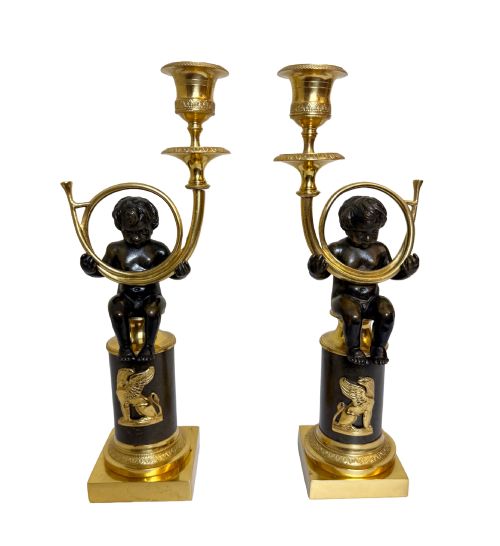
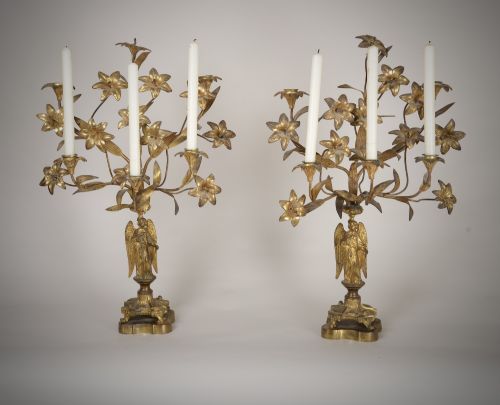
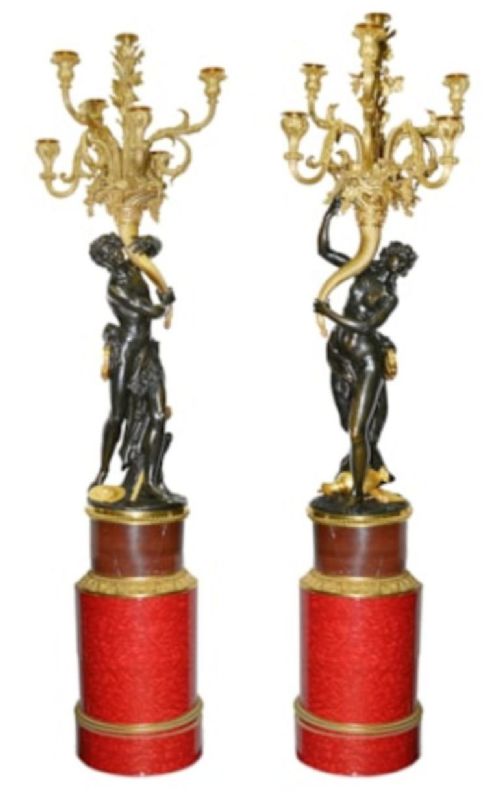
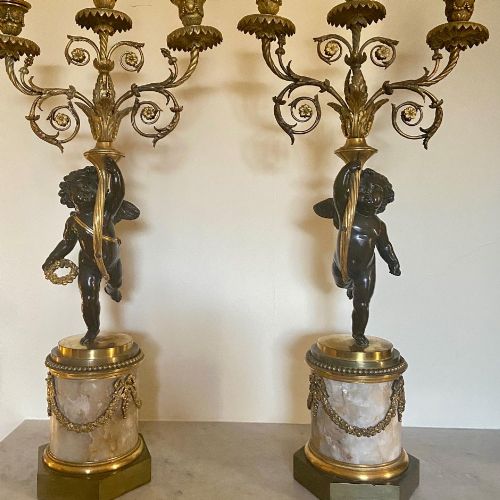
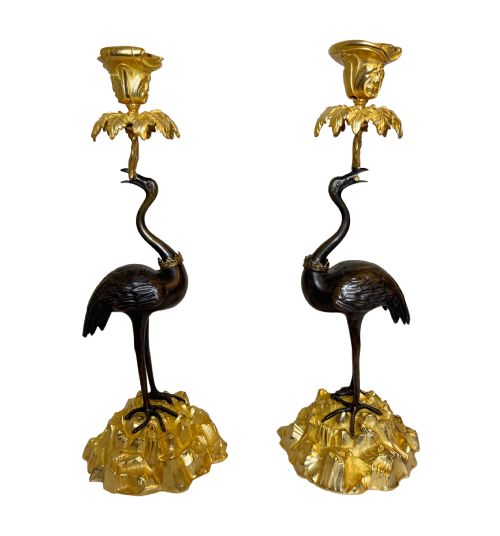
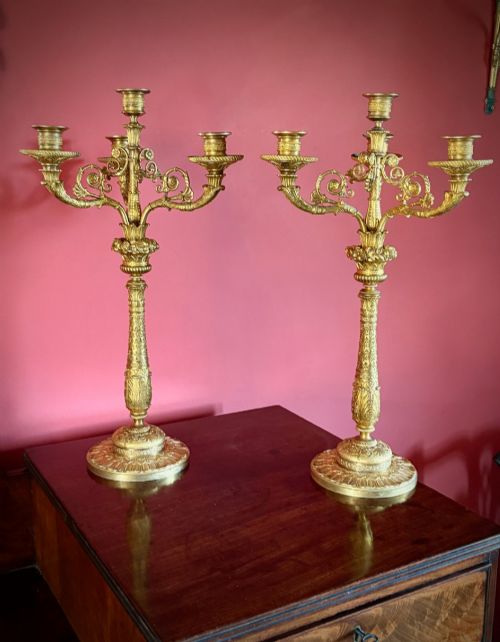
Buyers frequently encounter matched pairs cast in bronze, brass, and ormolu, often incorporating marble bases or figurative motifs such as putti, caryatids, and classical animals. The selection ranges from severe neoclassical column designs to ornate gothic revival and champleve enamel pieces.
Materials and construction
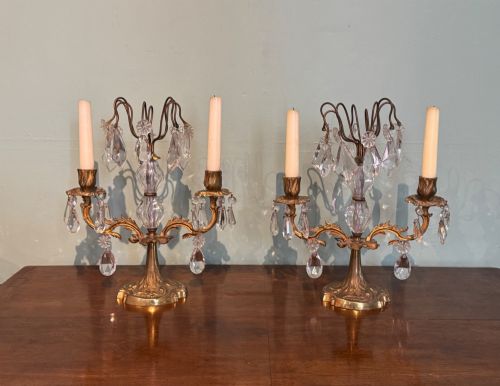
Metalworking forms the core of these pieces, utilising cast bronze, brass, and ormolu with patinated or gilt finishes applied to the surface. Artisans combined these metals with white marble, onyx, and cut glass to create contrasting textures and heavy, stable foundations.
Many multi-branched candelabra and later lamp adaptations involve intricate assembly of separate cast components, secured with internal rods and threaded fittings. Champleve enamel and carved fruitwood also appear in specific domestic items from the period.
Flamingos and stags occasionally join the usual lineup of putti and lions, proving that nineteenth-century metalworkers enjoyed a touch of wildlife.
Assessing craftsmanship
The integration of secondary materials such as marble or fluorspar dictates the overall refinement of a piece. Superior items maintain balanced proportions across paired objects and employ heavier bases that ground the vertical structure securely.
Barbedienne·Francois Redmond·Dugourc
The French Candlestick Light Glossary
- Ormolu
- Gilt bronze created by applying a mercury-gilding technique to a bronze base, producing a rich golden surface.
- Candelabra
- A branched candlestick designed to hold multiple candles or light fittings simultaneously.
- Champleve
- An enamelling technique where troughs are dug into a metal surface and filled with vitreous colour before firing.
- Patinated bronze
- Bronze that has been chemically treated to alter its surface colour, usually resulting in deep brown or dark green tones.
- Caryatid
- A sculpted female figure serving as an architectural support element in place of a column.
French Candlestick Light: Frequently Asked Questions
How do I clean antique brass and ormolu?
Dust gently with a soft dry cloth to protect the original gilt or patinated surface from wear. Avoid abrasive polishes that strip historical finishes.
Water and chemical solvents should be kept away from marble bases and enamel sections to prevent staining or structural damage.
Were these originally wired for electricity?
Most pieces began life holding wax candles before being converted into table lamps during later electrical refits. Surviving examples retain their original sconce fittings without electrification.
Conversion methods vary widely, with professional work preserving the underlying metal structure without causing permanent damage to the antique body.
How do I distinguish Empire style from Louis XVI?
Louis XVI pieces favour straight fluted columns, classical urns, and restrained symmetry influenced by archaeological discoveries. Proportions remain light and refined.
Empire designs reflect military campaigns through heavier bronze work, sphinxes, lions' paw feet, and symbols of imperial power.
Can converted lamps be restored back to candlesticks?
Reverting a lamp back to a standard candlestick depends on how the wiring was introduced through the central core. Many conversions thread wires through existing hollow channels without drilling new holes.
Consulting a specialist metal conservator helps determine whether internal components allow for the safe removal of electrical fittings.