

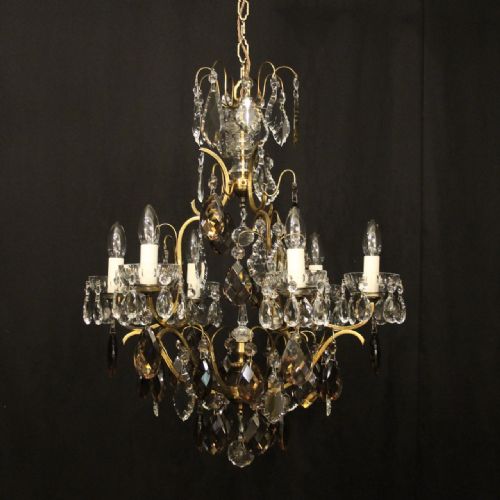


French Caged Chandelier
A french caged chandelier brings structural metalwork and glittering crystal together to illuminate a room with classic continental elegance.

French Caged Chandelier
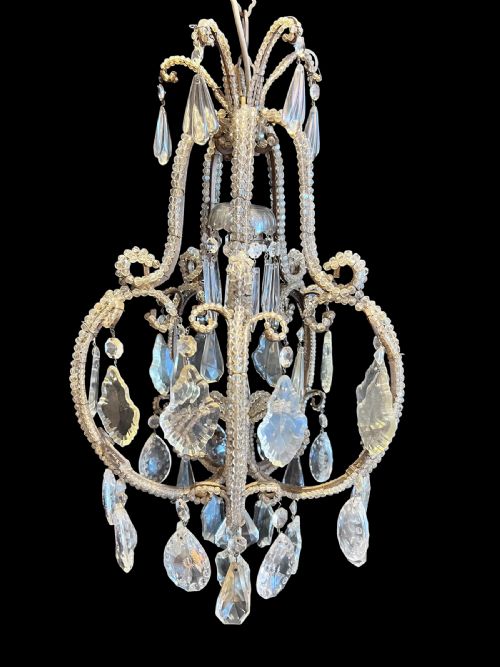
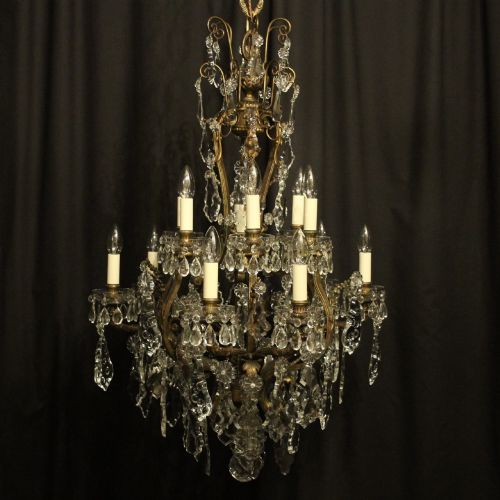
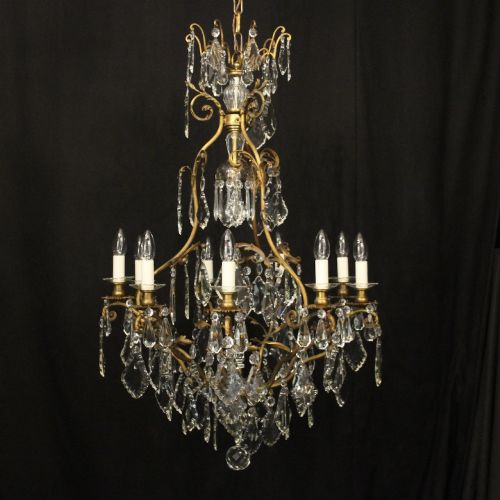
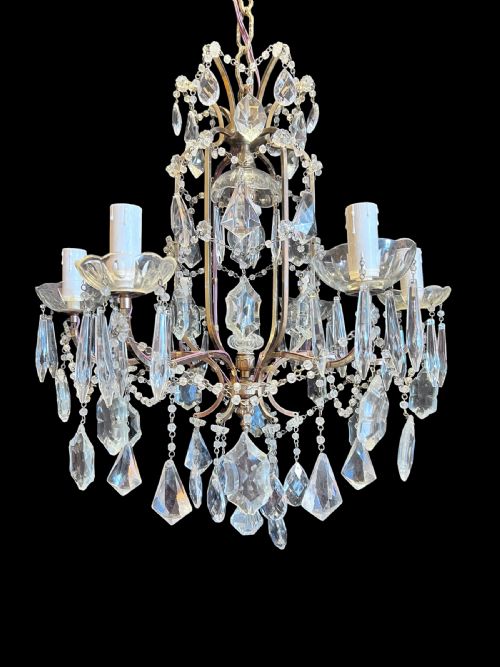
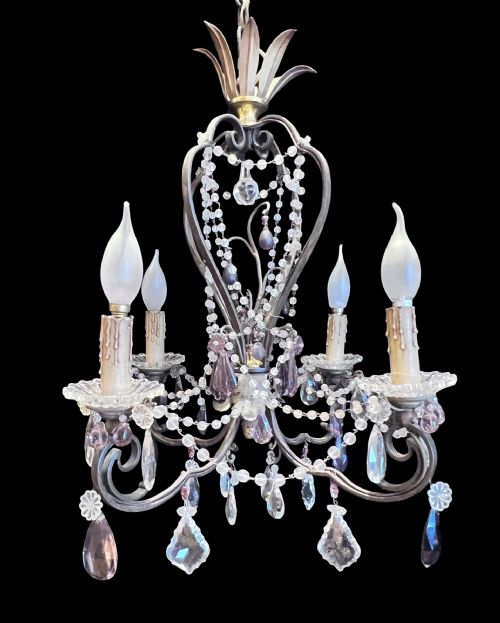
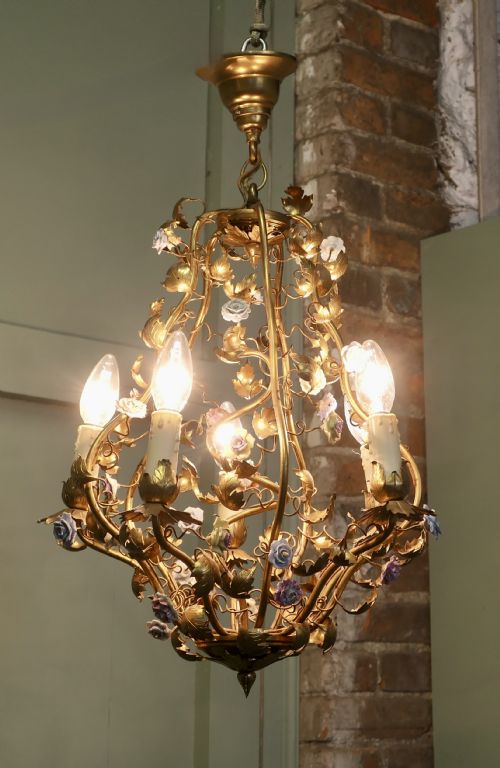
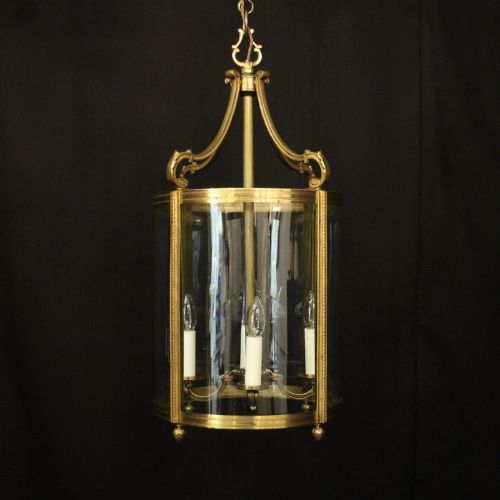
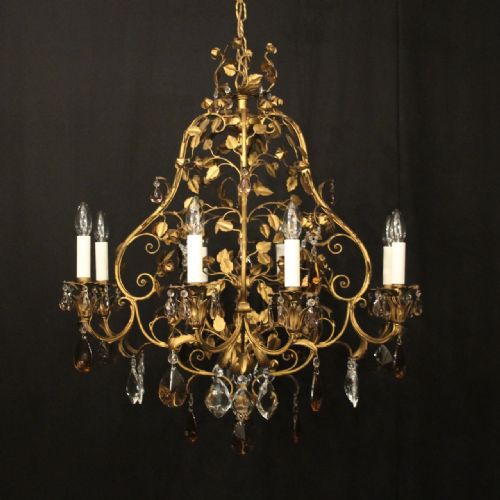
A french caged chandelier forms a distinct lighting choice shaped by metal frameworks enclosing central arrangements of lights and glass drops. These fixtures emerge in forms such as pendant lanterns, birdcage designs, and multi-arm chandeliers spanning the nineteenth and early twentieth centuries.
The selection on this page centres heavily on pieces originating from around nineteen-twenty, alongside nineteenth-century examples and Edwardian items. Buyers frequently encounter constructions featuring brass, gilded bronze, and gilt metal paired with extensive crystal elements.
Stylistic influences lean towards French Rococo, Neoclassical, and Chateau aesthetics, occasionally incorporating Italian Florentine touches. These pieces range from compact single-light configurations up to twelve-light and twenty-light grand statement fixtures.
What varies in quality
The sophistication of the metal casting and the depth of the gilding set superior examples apart from standard production. Finely chased bronze and substantial ormolu mounts demonstrate a level of hand-finishing absent in simpler stamped brass frames.
The complexity and cut of the crystal drops dictate visual brilliance, with precision-cut glass reflecting light with sharper refraction than pressed alternatives. Complete arrangements of original prisms and beads preserve the intended silhouette.
Certain early twentieth-century chandeliers incorporate delicate glass fruits hanging alongside standard crystal prisms.
La Mason Bagues
The French Caged Chandelier Glossary
- Ormolu
- Gilded bronze, produced by applying a fine amalgam of gold and mercury to a bronze base and heating it. This technique creates a durable, warm metallic lustre characteristic of high-end nineteenth-century lighting.
- Toleware
- Painted or lacquered sheet metal, frequently utilised in French decorative lighting to form floral elements or decorative body components. It brings soft colour and matte texture against polished brass and crystal.
- Birdcage
- A specific structural style where metal ribs curve upward to enclose the central light cluster like an aviary dome. This form concentrates the visual weight and directs the hang of crystal garlands.
- Prism
- A geometric glass pendant suspended from the arms or cage to refract light outward into the room. Better examples feature hand-cut facets that catch illumination from multiple angles.
French Caged Chandelier: Frequently Asked Questions
How do I hang a heavy brass cage chandelier?
These fixtures require direct attachment to a ceiling joist using an appropriate metal hook and a weight-rated electrical box. Professional installation ensures the metal chain and internal wiring safely support the combined weight of the bronze and crystal.
Ceiling height dictates the drop length, allowing the fixture to clear walking paths while maintaining proper visual balance in the room.
What rooms suit a gilt bronze cage light?
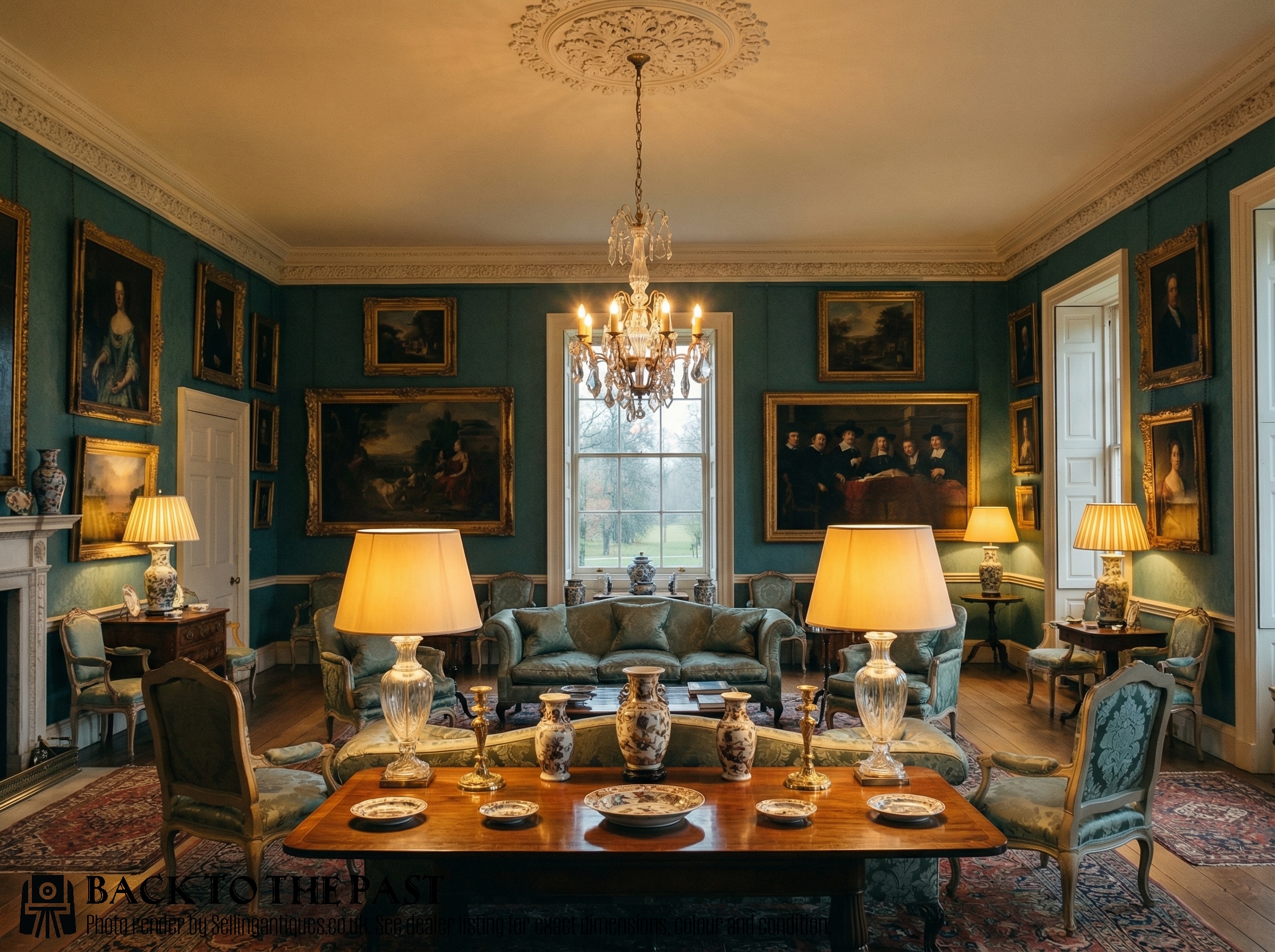
Dining rooms, hallways, and drawing rooms accommodate these fixtures effectively, providing both ambient illumination and a decorative focal point. The enclosed metal framework distributes light evenly through the surrounding crystal drops.
Matching the scale of the chandelier to the room dimensions prevents a multi-light fixture from overwhelming smaller interior spaces.
How do I clean cut glass drops safely?
Maintenance involves wiping individual crystal elements with a damp cloth using a mild, non-abrasive solution while the drops remain attached to the frame. Removing components for washing requires careful handling of old brass pins and wire connections.
Regular dusting preserves the reflective quality of the glass without risking damage to the antique metal finish.
How can I tell a nineteenth-century piece apart from later ones?
Earlier examples from the nineteenth century typically display heavier bronze casting, hand-filed components, and distinct pin attachments for the crystal drops. Twentieth-century iterations often employ standardised brass stampings and machine-formed wiring channels.
Examining the patina on the metal surface and the cut of the glass provides clear indicators of the manufacturing period.