


French Buttoned Settee
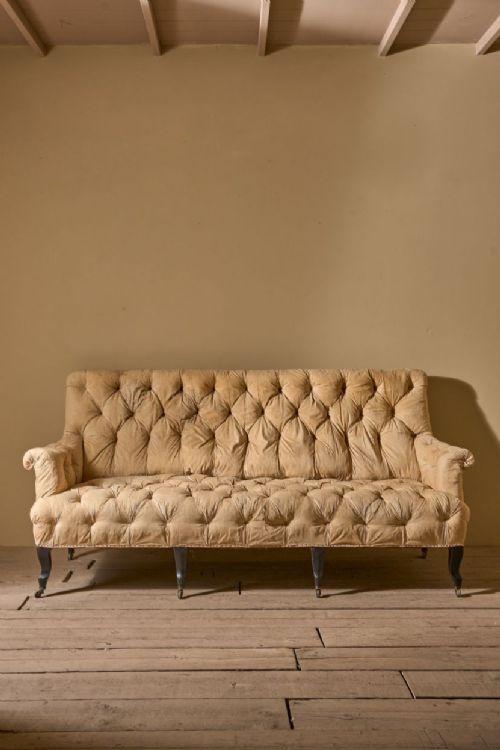
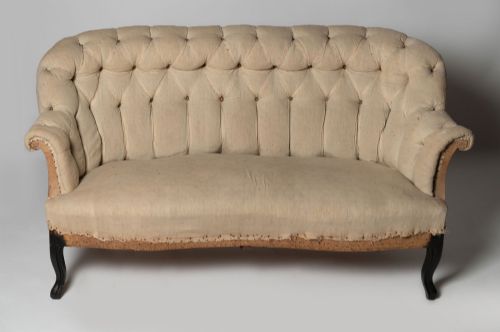
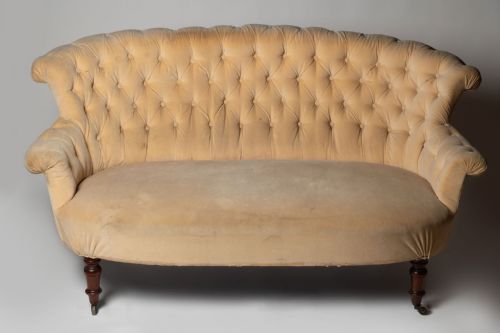
A french buttoned settee brings nineteenth-century seating into a room with deep upholstery and carved wood frames.
French Buttoned Settee
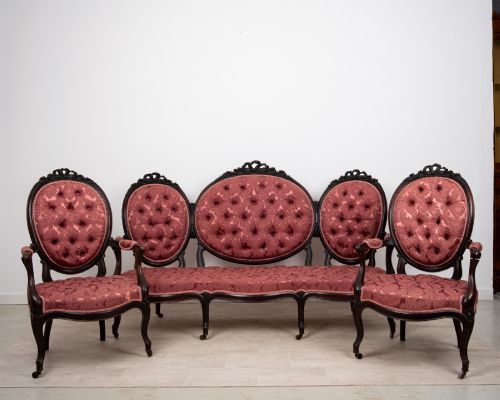
When you search for a french buttoned settee, you are looking at nineteenth-century and early twentieth-century seating options that range from small salon pieces to larger three-piece suites. These items encompass distinct forms such as double end settees, high back models, canapes, and chaise longues.
The versions most commonly met on this page include nineteenth-century Napoleon III and Victorian styles alongside early twentieth-century examples. Originating across French and Victorian aesthetics, these pieces often feature dual classification as sofas, settees, or couches.
Makers and craftsmen utilised varied timber frames and upholstery treatments to create formal and domestic seating. Buyers encounter everything from carved walnut and rosewood frames to painted and gilt finishes designed for principal rooms.
Materials and Construction
Makers built these frames using hardwoods such as mahogany, walnut, and rosewood, alongside painted and gilt timber. Structural woodwork often incorporated carved details, inlay work, and exposed wooden rails that framed the upholstered sections.
Upholstery forms the central element of each piece, utilising materials like velvet, damask fabric, and standard fabric coverings. Deep buttoning techniques secured the textiles to the interior padding, frequently complemented by tassel trim and brass accents.
Some nineteenth-century settees come equipped with blue velvet and tassel trim, ready for a very dramatic sit-down.
Assessing Quality and Execution
The standard of a piece rests heavily on the execution of the timber carving and the integrity of the frame. Solid hardwoods like walnut and mahogany command attention for their durability and the crispness of their carved ornamentation compared to simpler timber structures.
Upholstery treatment and textile choice also define the tier of a piece, with high-end examples featuring complex deep buttoning, specialist fabrics like damask or velvet, and decorative trims such as tassels that indicate more elaborate original commissions.
The French Buttoned Settee Glossary
- Buttoned
- An upholstery technique where buttons are pulled deep into the padding to create a padded, geometric pattern of tufts. This method provides both structural tension and decorative relief across the backrest and seat.
- Canape
- An ornamental sofa or settee featuring an exposed wooden frame and upholstered back and seat. Originating in French design traditions, it serves as formal salon seating.
- Napoleon III
- A nineteenth-century design period associated with eclectic French revival styles under the Second French Empire. Pieces from this era often incorporate rich upholstery, gilt finishes, and dark woods.
- Gilt
- A thin layer of gold leaf or gilt paint applied to a wood or plaster surface. This finish highlights carved architectural details on the frame.
French Buttoned Settee: Frequently Asked Questions
What is a french buttoned settee?
A french buttoned settee is an upholstered nineteenth-century or early twentieth-century seat featuring deep button tufting and timber framing. These items include styles derived from Napoleon III and Victorian design traditions.
They function primarily as decorative and practical seating for drawing rooms, salons, and bedrooms, offering padded backs and seats designed for formal comfort.
How were these settees used originally?
In nineteenth-century homes, these settees served as formal seating in reception rooms and salons where guests were received. They provided comfortable places for conversation and display.
Over time, owners also placed them in private bedrooms and dressing rooms, utilising designs like chaise longues and smaller salon sofas for resting.
How do I care for velvet upholstery?
Velvet upholstery requires gentle brushing with the grain to maintain the nap and prevent flattening of the pile. Keep these fabrics away from direct sunlight to prevent fading of the colour.
Professional cleaning is recommended for deep maintenance to protect the underlying padding and structural buttoning from moisture damage.
How do I tell Victorian from Napoleon III styles?
Victorian settees often display heavier mahogany or walnut frames with robust carved details typical of British and revival aesthetics. Napoleon III pieces lean towards French influences, frequently utilising gilt finishes, painted surfaces, and specific high-back configurations.
Examining the underlying timber, framing style, and upholstery layout helps clarify the specific period and design origin of each piece.