

French Bronze Light Fitting
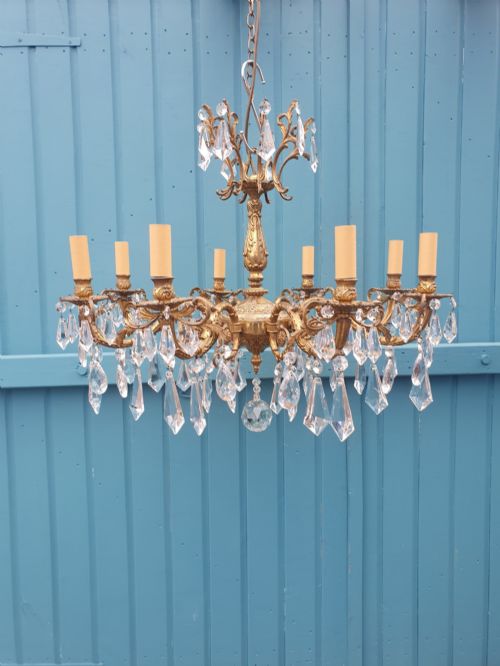
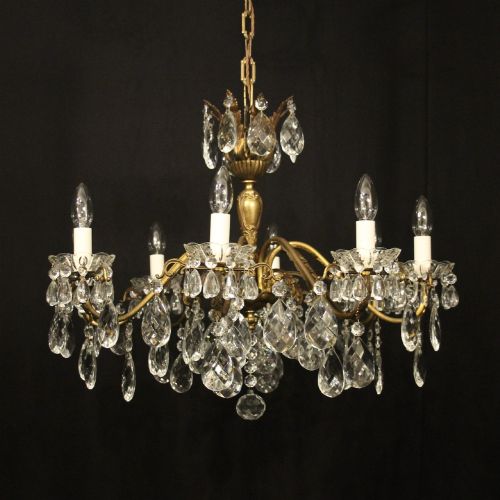
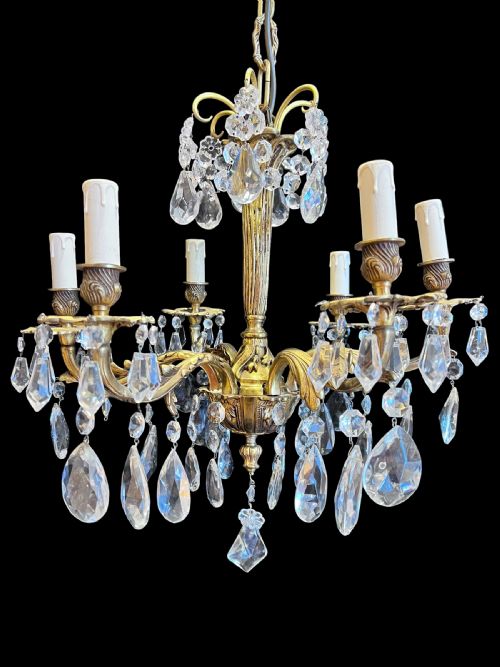
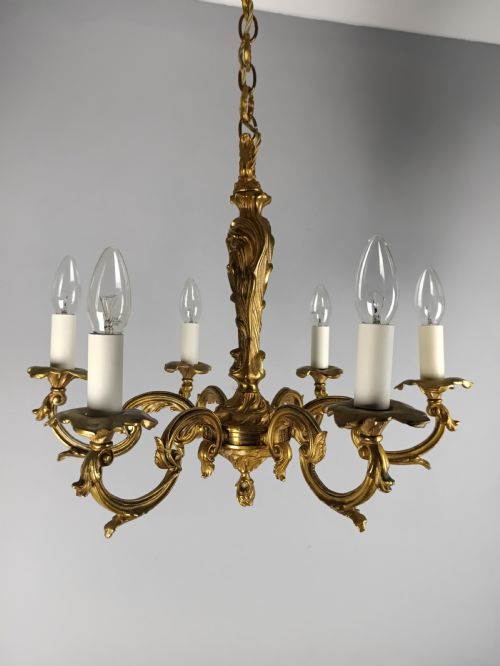
A french bronze light fitting brings weight and historical illumination into a room, combining cast metal with cut glass.
French Bronze Light Fitting
A french bronze light fitting comprises chandeliers, wall lights, ceiling lights, table lamps, and hall lanterns sourced from the nineteenth and early twentieth centuries. These fixtures embody historic continental design movements from nineteenth century revivals to the early twentieth century.
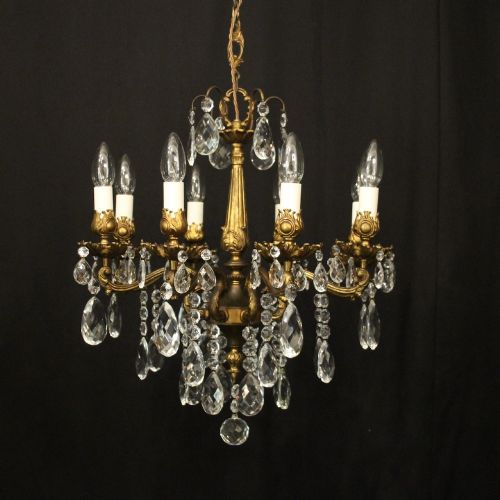
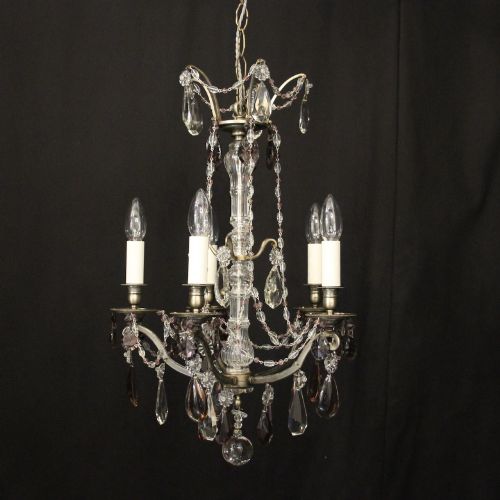
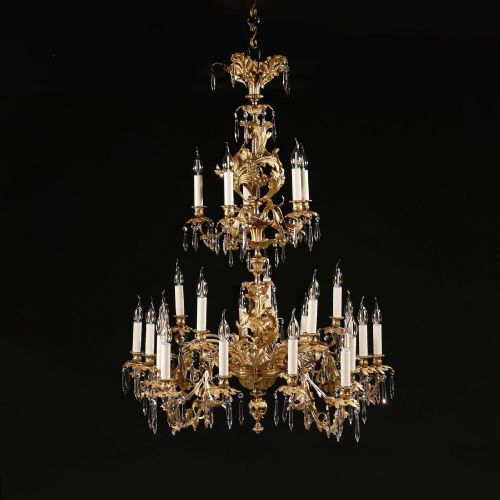
Chandeliers dominate the selection, appearing with varying numbers of branches ranging from smaller four light configurations up to grand ballroom installations holding twenty-five lights. Wall lights and table lamps also appear, often incorporating crystal drops and gilded finishes.
The aesthetic draws heavily from named regional movements including French Empire, French Rococo, French Neoclassical, and French Baroque Revival. Pieces span dates from eighteen ninety through nineteen thirty, alongside examples simply dated to the nineteenth century.
Factors of Quality
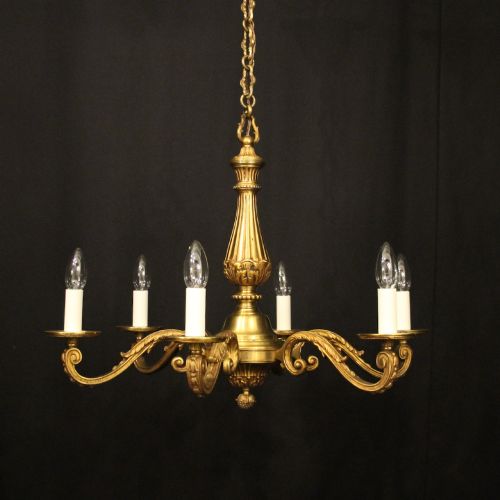
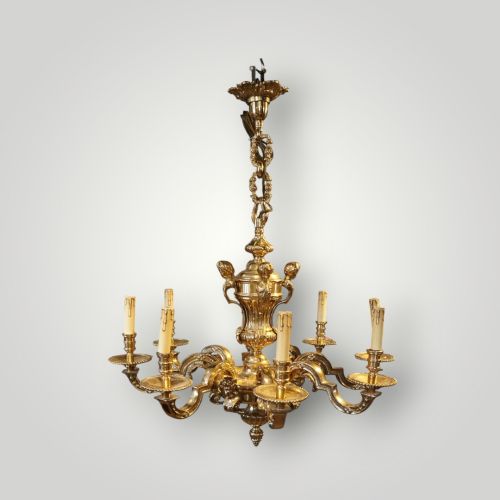
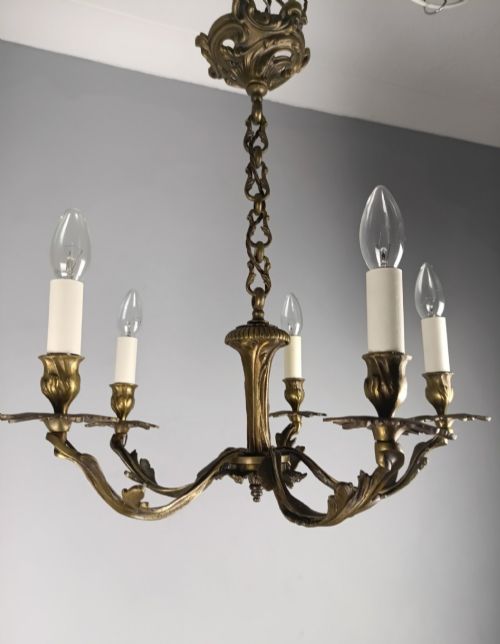
The refinement of the casting work dictates the distinction between standard production and superior examples, seen in the crispness of acanthus leaves, cherubs, and neoclassical motifs. Heavier bronze structures and deeper gilding indicate higher grade manufacturing originating from better workshops.
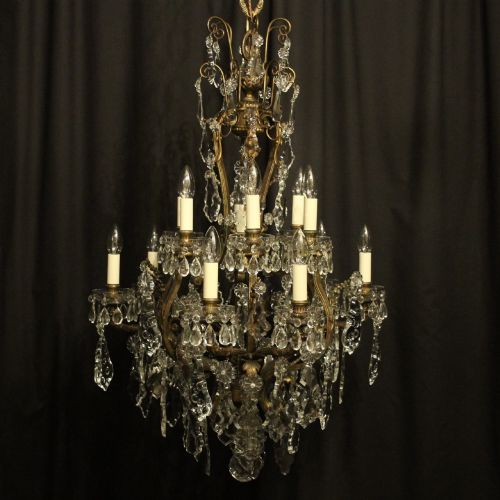
The integration of cut crystal and glass elements influences the overall depth of the piece, with well-cut prisms creating sharper light refraction. The completeness and original matching character of the crystal drops, drip pans, and bobeches determine the structural integrity of the fixture.
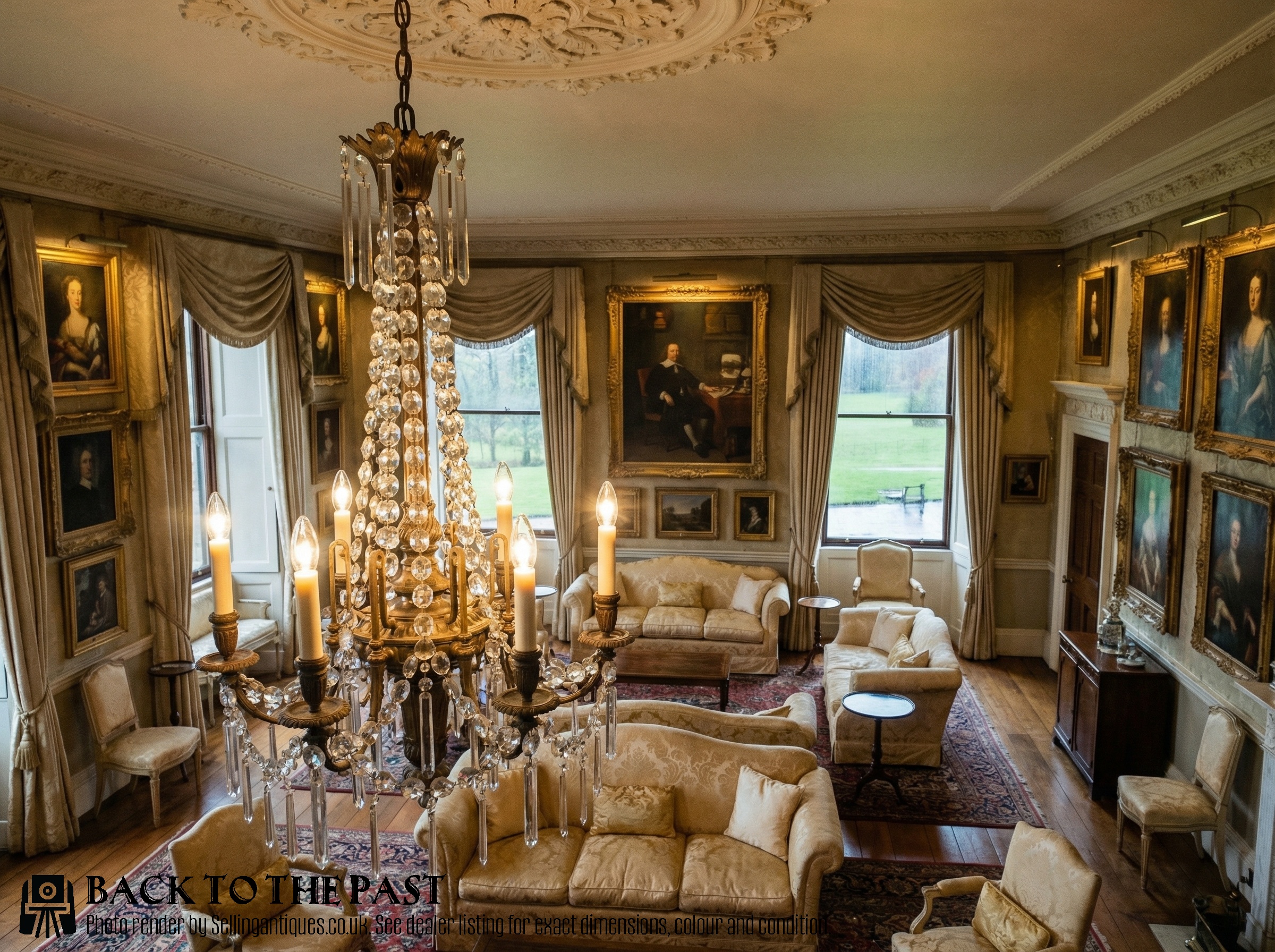
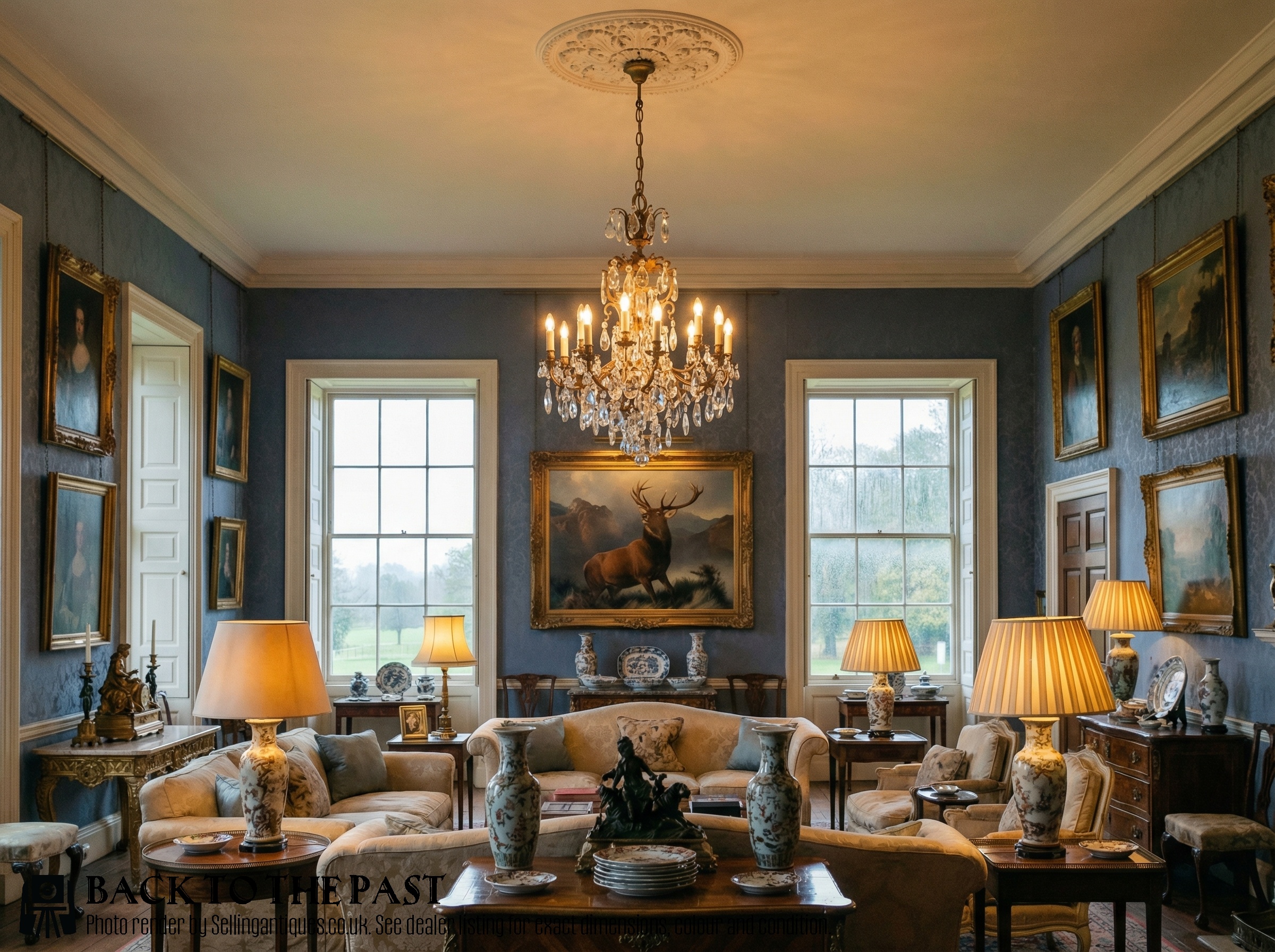
Suspended crystal spikes catch daylight across the floorboards even when the chandelier remains unlit.
G.E.C
The French Bronze Light Fitting Glossary
- Bronze
- An alloy of copper and tin used to cast the main structural bodies and arms of lighting fixtures. It provides durability and takes a fine gilt finish.
- Gilt Bronze
- Bronze metal coated with a thin layer of gold, frequently termed ormolu in neoclassical pieces. This surface treatment gives a bright metallic sheen.
- Tent and Waterfall
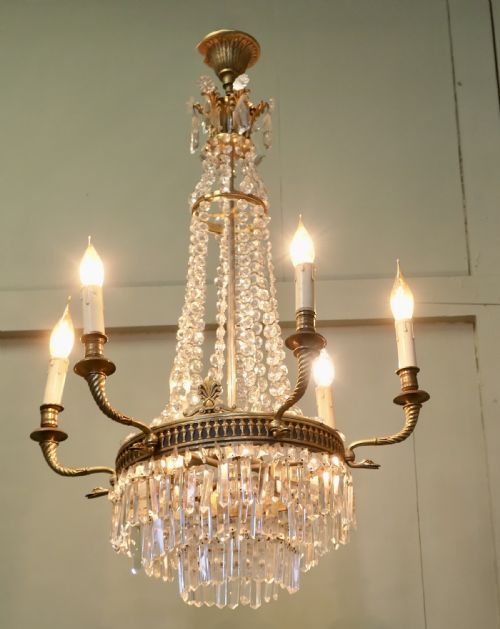
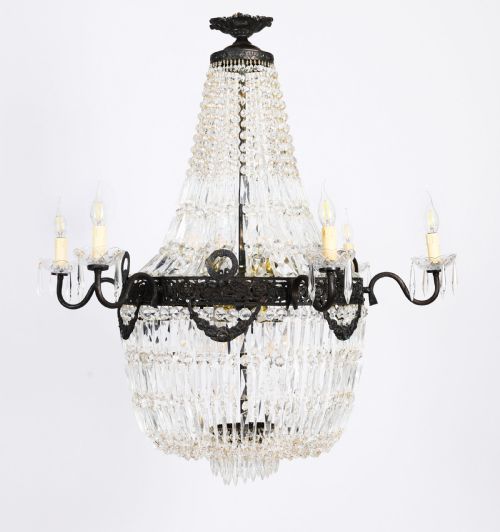
- A lighting configuration where strings of crystal beads form a conical tent shape above a cascading arrangement of drops. It creates layered illumination across larger chandeliers.
- Hall Lantern
- An enclosed glass and metal hanging light designed for corridors and entranceways. These pieces protect the internal light source while projecting ambient illumination.
- Bobeche
- A small drip pan fitted beneath the candle holder to catch melting wax. In antique pieces, these are often matched to the primary crystal drops.
French Bronze Light Fitting: Frequently Asked Questions
What periods do these french bronze light fittings span?
The selection covers items from the nineteenth century through to nineteen thirty. Pieces from eighteen ninety onwards reflect revivalist movements and early twentieth century production methods.
Earlier nineteenth century examples carry heavier bronze casting and simpler neoclassical or empire lines. Later pieces from the nineteen twenties and thirties often incorporate elaborate crystal arrangements and silver gilded finishes.
How do Empire style chandeliers differ from Rococo designs?
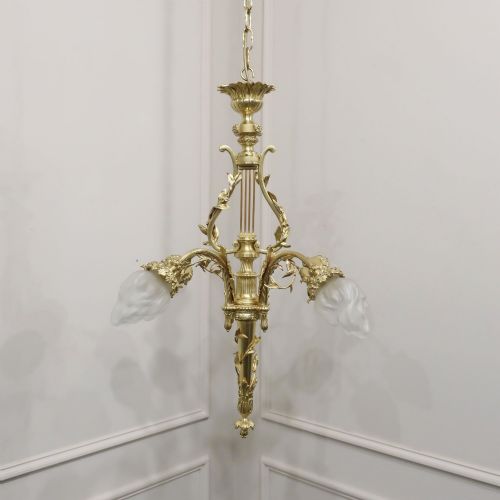
Empire style fixtures emphasise military and classical symmetry, utilising draped tent and waterfall crystal formations alongside bronze lyre motifs. They project a structured, architectural silhouette derived from neoclassical antiquity.
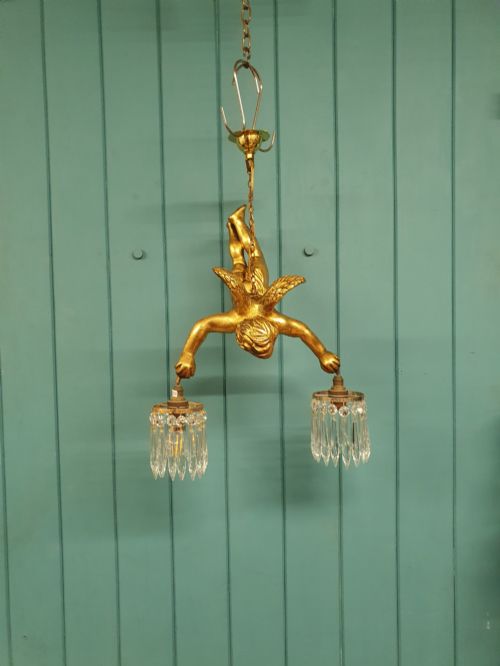
Rococo designs favor asymmetrical scrollwork, flowing floral details, and naturalistic motifs such as flying cherubs. The bronze arms curve organically rather than following strict geometric lines.
Are these light fittings wired for modern electricity?
Many surviving antique fixtures have been adapted over time to accept standard electrical wiring. Original candle sockets are frequently converted to internal lamp holders while retaining the exterior bobeches.
Buyers should check individual listings to see the current wiring status and consult a qualified electrician regarding safe installation in modern domestic settings.
What is the difference between gilt bronze and gilt brass?
Gilt bronze utilises a copper and tin alloy base that accepts fine detail during the casting process and holds heavier gilding. It provides a dense, substantial structure for large multi-light chandeliers.
Gilt brass uses a copper and zinc alloy which is lighter in weight and typically brighter in tone. Brass frequently appears in smaller wall lights and subsidiary chandelier components.