





Gold Bronze Hanging Light
A gold bronze hanging light brings enduring French style and warm metalwork to an interior.
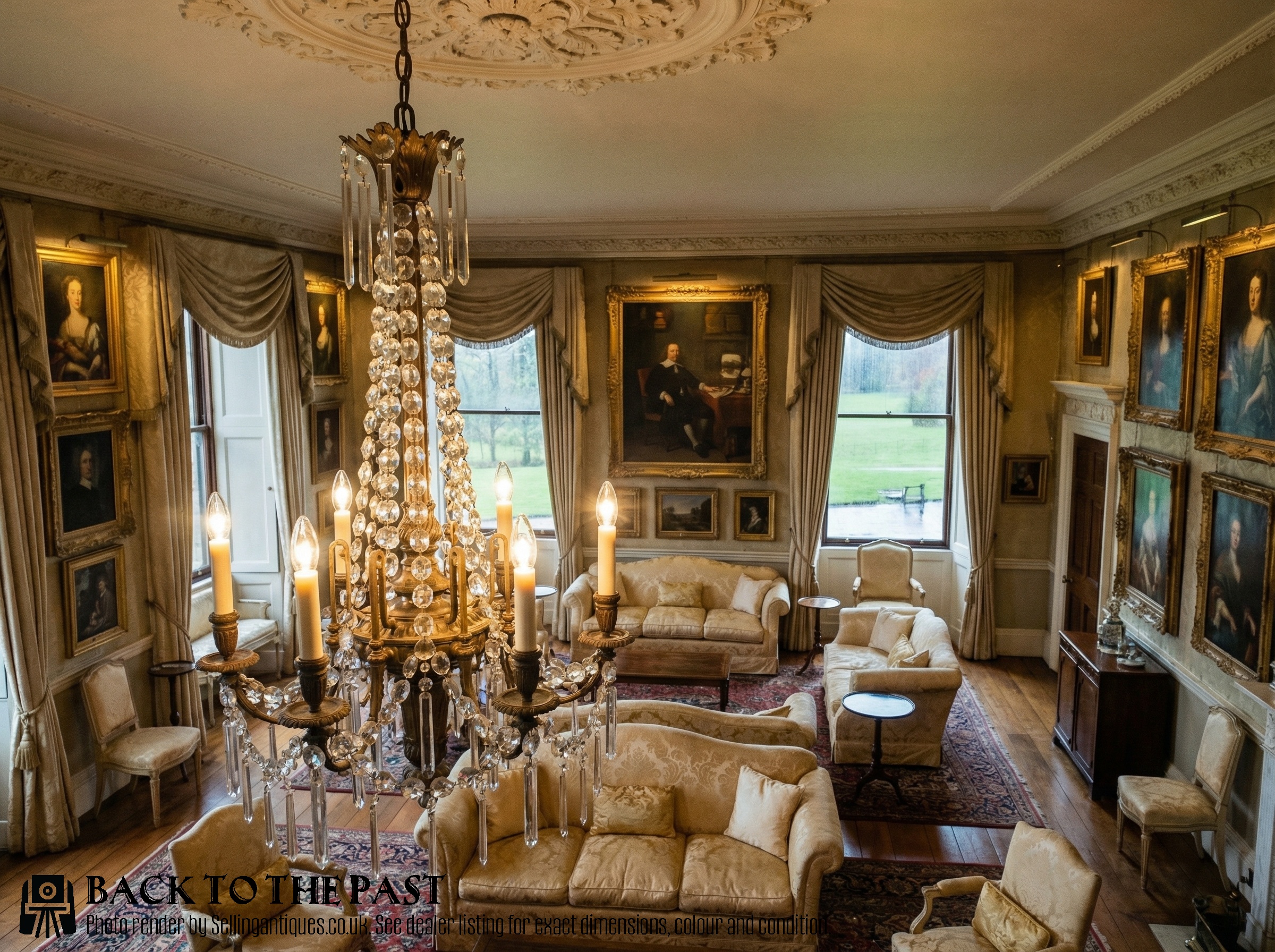
Gold Bronze Hanging Light
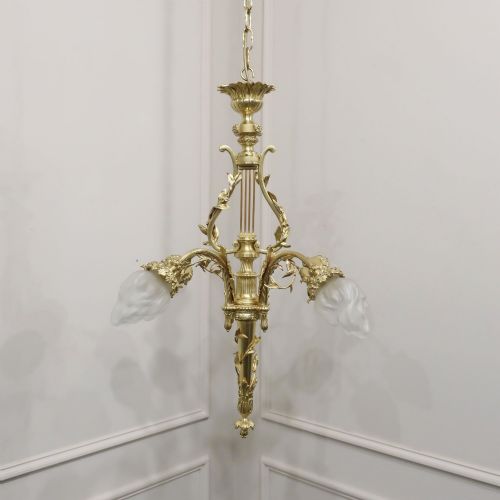
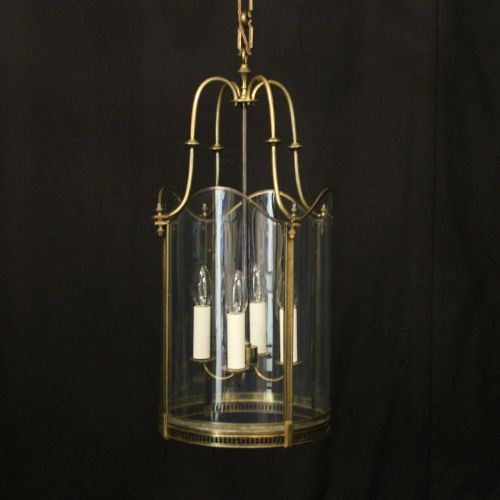
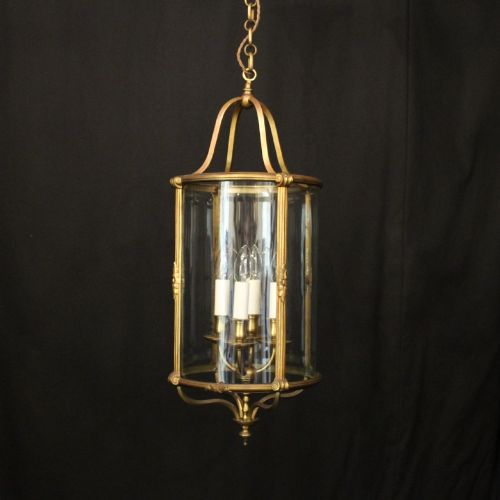
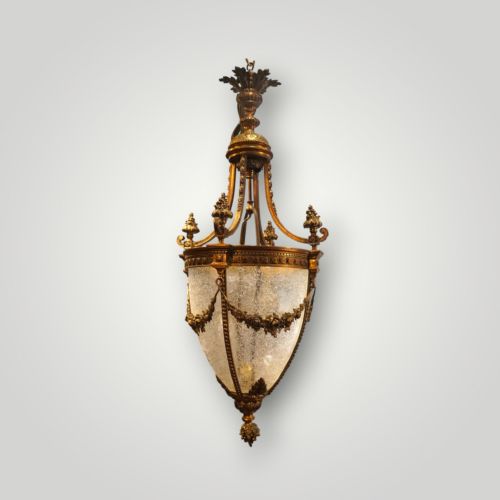
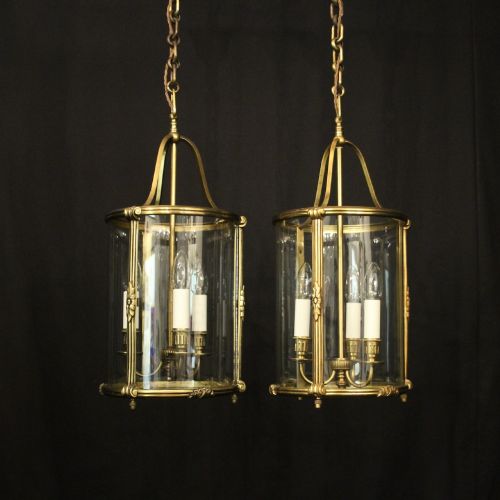
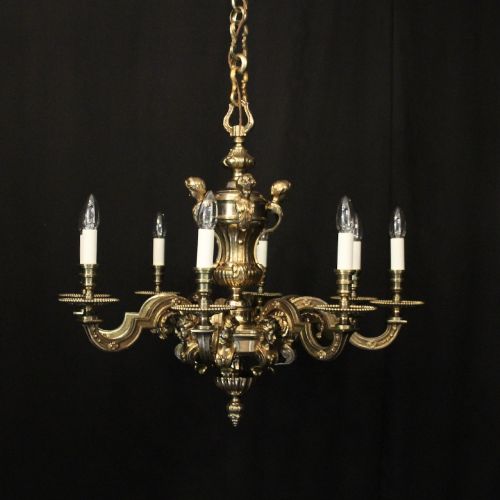
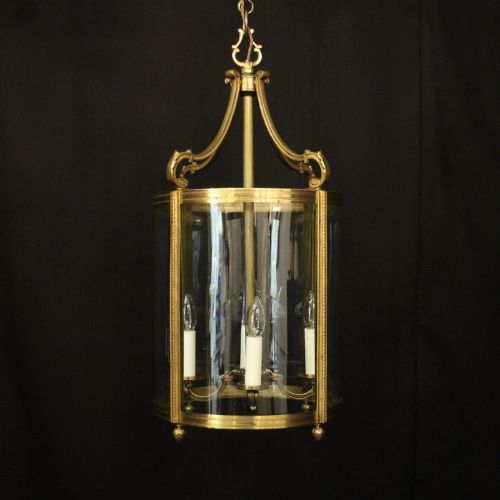
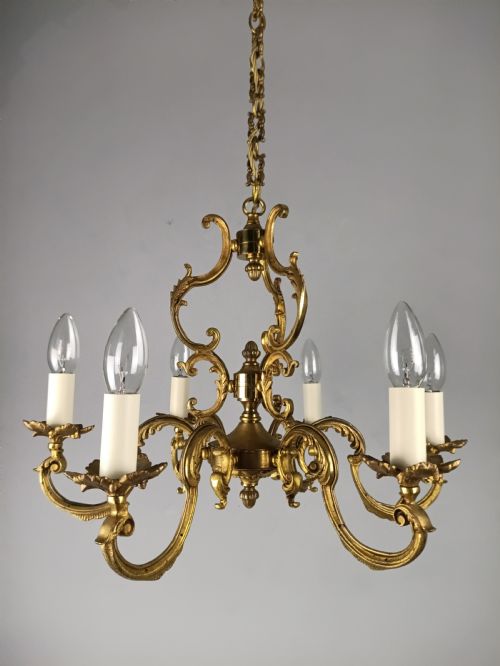
When you search for a gold bronze hanging light, you encounter a selection of period chandeliers and hall lanterns originating largely from French workshops. These fixtures span the nineteenth century through the early decades of the twentieth century, encompassing styles from Neoclassical and Louis XVI to Empire and Rococo Revival. The most common forms on this page are multi-light chandeliers and glazed hall lanterns designed to suspend from ceilings.
Makers and designers drew inspiration from classical motifs and historic interiors, producing pieces with distinct regional aesthetics predominantly rooted in French design traditions. You will find hexagonal and convex lantern profiles alongside chandeliers carrying anywhere from a single light up to eighteen branches. The heavy presence of twentieth-century pieces reflects durable interior trends that favoured ornate metalwork paired with glass.
The assortment balances grand reception room chandeliers with smaller pendant lanterns suited to hallways and vestibules. Glass panels, crystal drops and bevelled panes frequently accompany the metal frames to diffuse illumination across the room. Each piece serves as a primary ceiling light rather than a modest secondary fixture.
Assessing quality in metalwork and glass
The distinction between tiers rests upon the crispness of the bronze casting and the depth of the original gilding. Finer examples display deeply chased ornamentation with sharp relief on leaf motifs and classical mounts, whereas simpler versions rely on smoother, cast surfaces with less hand-finishing.
Glass components further divide the range, separating standard flat panes from heavy bevelled or convex glass that distorts light deliberately. Crystal elements with precise facet cutting reflect greater brilliance than simpler moulded glass drops.
Several lanterns carry designs directly inspired by the royal corridors of the Palace of Versailles.
The Gold Bronze Hanging Light Glossary
- Ormolu
- Gilded bronze produced through a mercury amalgamation process common in French decorative arts. This technique yields a warm, durable golden finish on cast metal mounts.
- Convex lantern
- A hanging light featuring curved glass panes that bulge outward from the metal frame. This shape projects illumination across a wider angle in narrow spaces.
- Bevelled glass
- Glass panes with angled edges cut along the perimeter. The angled border catches light and creates prismatic refractions.
- Lyre chandelier
- A ceiling light structured around the symmetrical, stringed instrument shape popular in Neoclassical design. The central frame mimics the ancient Greek musical form.
- Gilt brass
- Base brass treated with a gold-coloured surface application or leaf. It offers a lighter alternative to solid gilded bronze.
Gold Bronze Hanging Light: Frequently Asked Questions
Where should a hanging lantern go?
Hall lanterns suit entranceways, corridors and stairwells where vertical clearance allows suspension above head height. Their enclosed glass panels protect internal candles or bulbs from drafts in transitional spaces.
Larger multi-light chandeliers demand higher ceilings found in principal reception rooms or dining areas to maintain correct visual proportions within the interior.
How do I identify a French piece?
French fixtures frequently display stylistic markers such as Louis XVI acanthus leaves, classical urns or proportions linked to palace designs. The casting quality on the bronze mounts tends to show sharper detail in French workshops.
Many examples incorporate specific construction methods like hand-threaded nuts and distinct mounting loops characteristic of continental metalworkers.
What is the difference between brass and bronze?
Bronze is an alloy of copper and tin that yields a heavier, denser metal capable of holding extremely sharp cast details. It takes gilding exceptionally well and forms the primary body of high-end antique lighting.
Brass substitutes zinc for tin in the copper alloy, resulting in a slightly brighter natural tone that was often gilded to mimic solid bronze during the nineteenth century.
How do I hang a heavy chandelier?
Heavy bronze and crystal fixtures require direct attachment to ceiling joists using a rated structural hook or joist hanger rather than standard plaster fixings. Weight distribution must be supported by the ceiling timber to ensure safety.
Professional electrical installation is necessary to manage the wiring load and secure the heavy metal canopy flush against the ceiling surface.