

French Bronze Furniture Mounts
When you search for french bronze furniture mounts, you are exploring the decorative gilt bronzes and ormolu hardware that defined nineteenth-century Parisian cabinet-making.
French Bronze Furniture Mounts
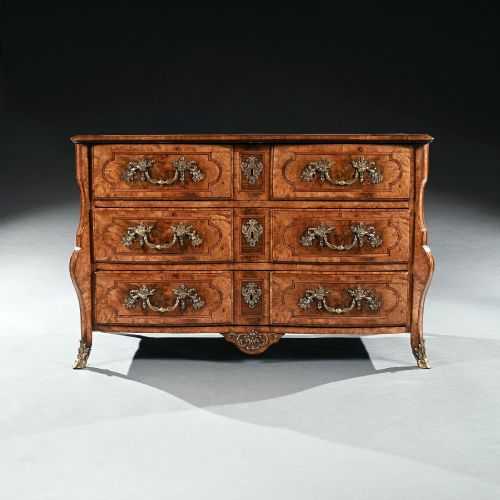
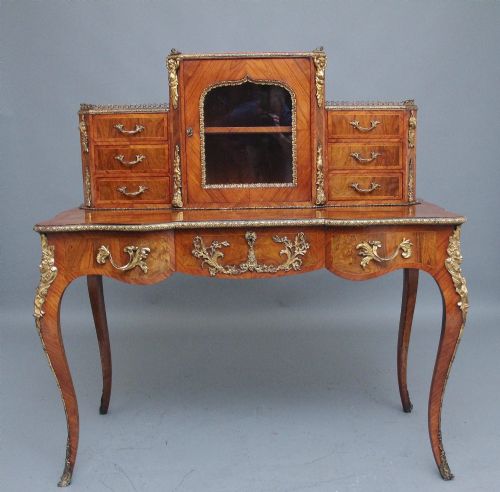
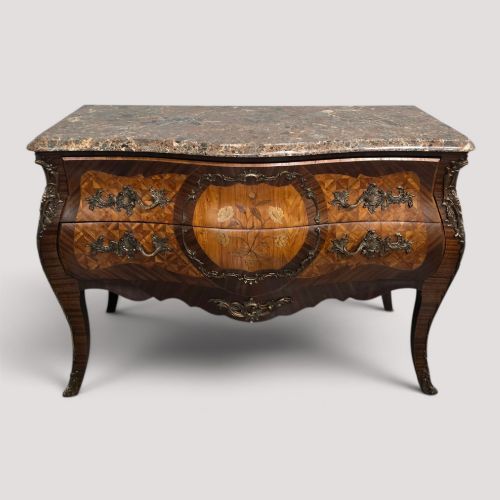
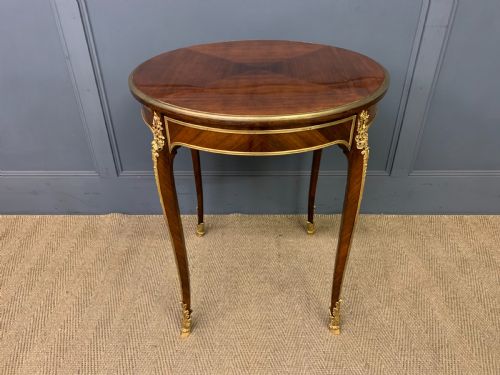
When searching for french bronze furniture mounts, buyers find cast and chased gilt-metal ornaments designed to accent cabinetry, desks, and tables from the nineteenth century. These elements range from individual appliques and finials to complete suites of mounts attached to commodes, vitrines, and writing tables.
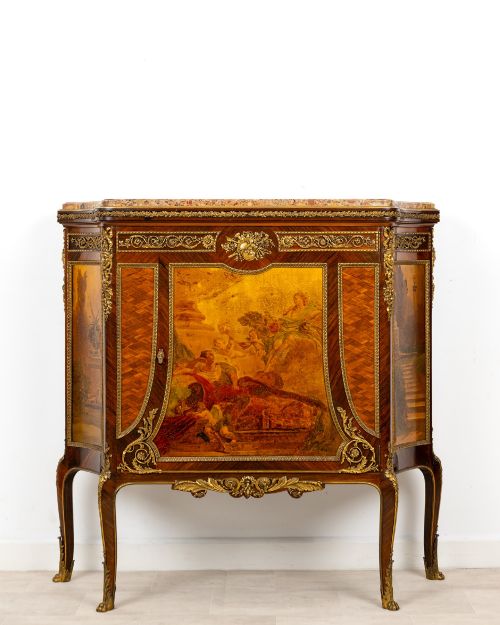
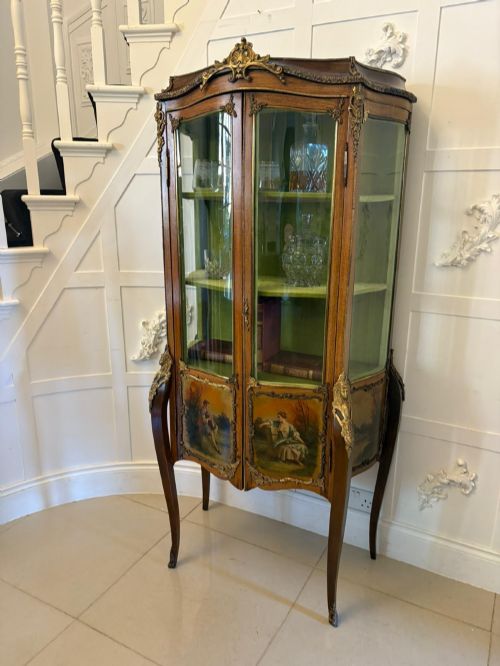
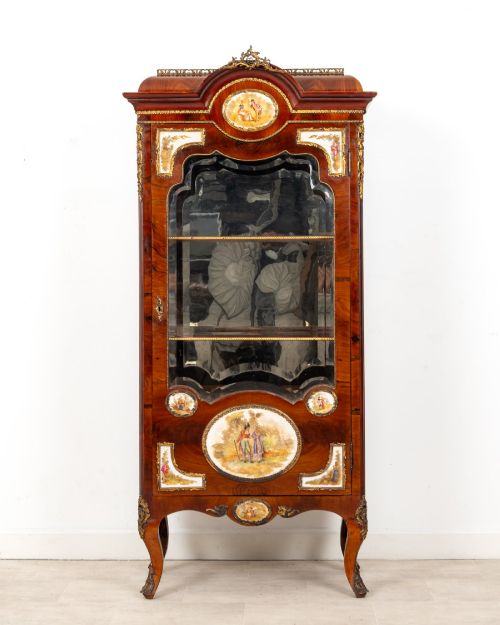
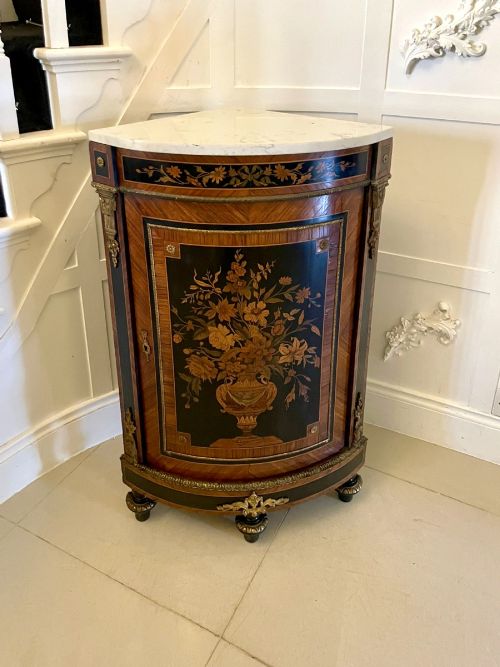
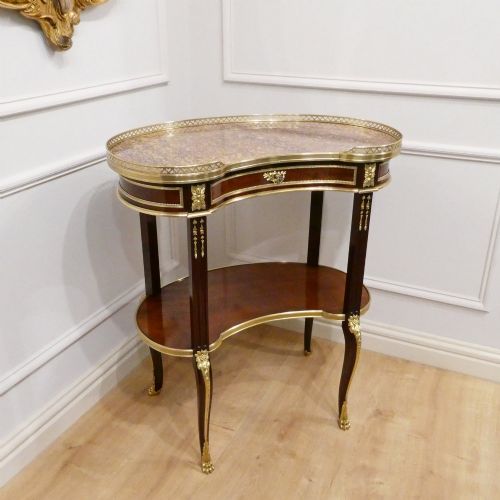
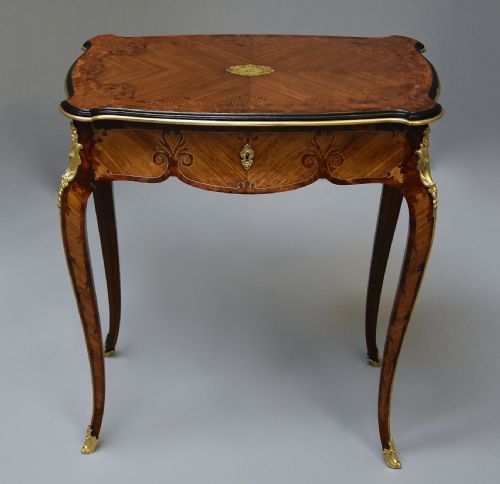
The selections on this page centre heavily on nineteenth-century revivals of earlier court styles, particularly Louis XV and Louis XVI designs executed in walnut, mahogany, and kingwood. Buyers frequently encounter pieces incorporating ormolu mounts alongside marble tops, parquetry, and Vernis Martin panels.
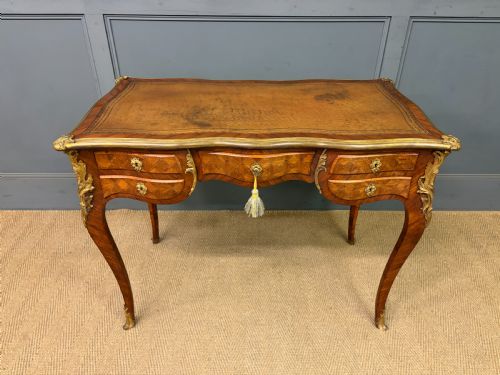
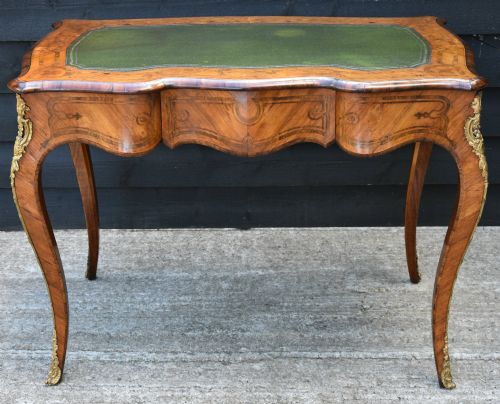
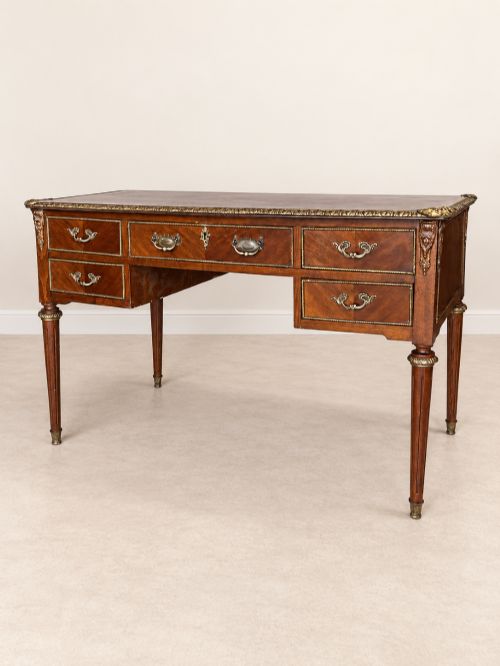
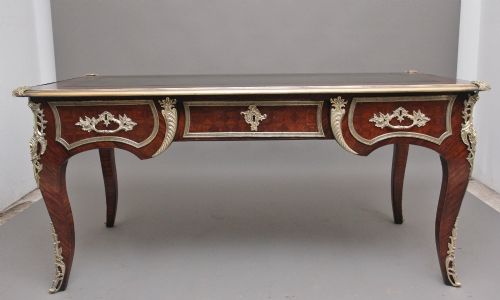
Beyond standalone mounts, the listings capture entire case furniture items where the cast bronze elements form an integral part of the composition. These extend to side tables, bureau plats, and display cabinets originating from prominent Parisian workshops.
How they were made
Maker workshops produced these mounts using the lost-wax casting method or sand-casting in brass and bronze, followed by meticulous hand-chasing to sharpen the botanical or figurative details. Artisans then applied a mercury gilt or electroplated gold finish to create the characteristic ormolu surface.
Cabinet-makers integrated these heavy metal components into timber carcases built from hardwoods such as kingwood, mahogany, and walnut, often accented with marquetry and parquetry patterns. Surfaces were frequently completed with imported marble slabs fitted specifically to the contours of the commodes and cabinets.
Some nineteenth-century writing tables hide sophisticated internal mechanisms designed to surprise admirers with secret compartments.
What varies in quality
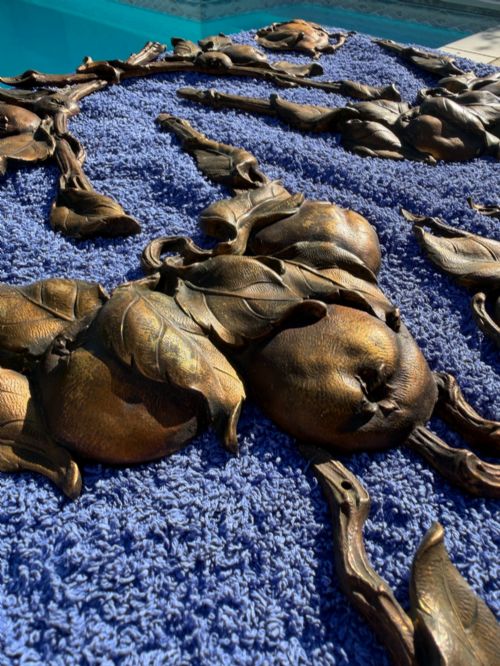
The distinction between ordinary production and exceptional work lies primarily in the crispness of the bronze chasing and the depth of the mercurial gilding. Superior mounts display sharply defined relief work where every acanthus leaf or scroll shows deliberate hand-tooling rather than soft, mass-produced contours.
Quality is further demonstrated by how seamlessly the metal hardware fits the wooden carcase and the structural integrity of the underlying parquetry or marquetry. Master cabinet-makers and bronze-founders ensured that hinges, locks, and decorative appliques aligned precisely with the grain and proportions of the furniture.
Poix Blin·Gabriel Viardot·Maison Millet·Joseph-Emmanuel Zwiener·H. J. Hatfield and Sons·Henry Dasson·Krieger Paris·E. Kahn·Thomas Hache·François Linke
The French Bronze Furniture Mounts Glossary
- Ormolu
- Gilt bronze produced by applying a mixture of gold and mercury to a cast brass or bronze object, then heating to drive off the mercury. This technique creates a durable, golden metallic finish seen across nineteenth-century French furniture.
- Vernis Martin
- A type of decorative lacquer developed in France during the eighteenth century and imitated during later revival periods. It mimics Asian lacquerwork using resin-based varnishes over painted scenes on furniture panels.
- Commode
- A low chest of drawers or a cabinet designed for domestic storage, frequently topped with marble and fitted with elaborate bronze mounts. They serve as primary decorative centrepieces in period drawing rooms.
- Bureau Plat
- A formal freestanding writing table featuring a flat top, often inset with leather and bordered by bronze sabots and mounts. These desks typically incorporate multiple drawers in the frieze.
- Vitrine
- A glass-fronted display cabinet intended for the exhibition of porcelain and small objects of vertu. They incorporate glazed doors and sides framed by gilt-bronze appliques.
- Parquetry
- A geometric mosaic of wood veneer arranged in repeating patterns such as cubes or chequers. It forms the decorative surface of many nineteenth-century case pieces.
French Bronze Furniture Mounts: Frequently Asked Questions
How do I identify a true ormolu mount?
Authentic nineteenth-century ormolu exhibits a distinct golden warmth and weight, showing hand-chasing marks under magnification rather than the uniform texture of modern casting. The metal is typically bronze or brass beneath a durable gold surface layer.
Older mounts often display minor wear on high points where the underlying metal shows through, alongside hand-filed edges and fitted positioning pins on the reverse side.
What is the difference between Louis XV and Louis XVI mounts?
Louis XV style mounts favour asymmetrical scrolling forms, naturalistic foliage, rocaille motifs, and flowing curves. They create a sense of organic movement across the furniture corners and aprons.
Louis XVI mounts introduce neoclassical symmetry, straight lines, geometric precision, urns, ribbons, and classical swags. The overall aesthetic shifts from flamboyant curves to restrained architectural balance.
How should I clean bronze furniture mounts?
Dust mounts gently with a soft, dry brush to prevent the accumulation of dirt in recessed chased areas. Avoid commercial metal polishes, which can strip the original gilding from the bronze surface.
Professional conservation advice is recommended for mounts showing heavy oxidation or tarnishing, as abrasive cleaning permanently damages the delicate gold layer.
Where were these mounts typically placed on furniture?
Mounts were positioned to protect vulnerable edges and to accentuate the structural lines of commodes, desks, and vitrines. Common placements include corner mounts, keyhole escutcheons, apron appliques, and sabots on table feet.
Cabinet-makers used them functionally as handles and feet while simultaneously establishing a rich decorative rhythm across the timber surfaces.