

French Bronze Desk Ornament
A french bronze desk ornament brings the weight of the nineteenth century studio or the sleek lines of the art deco era straight to your writing surface.
French Bronze Desk Ornament
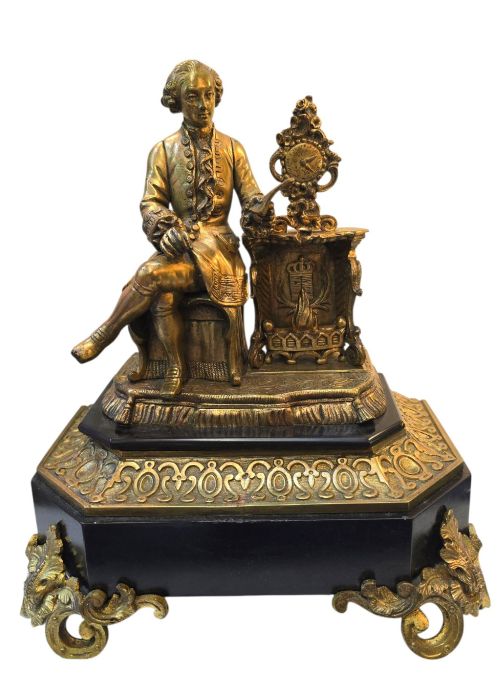
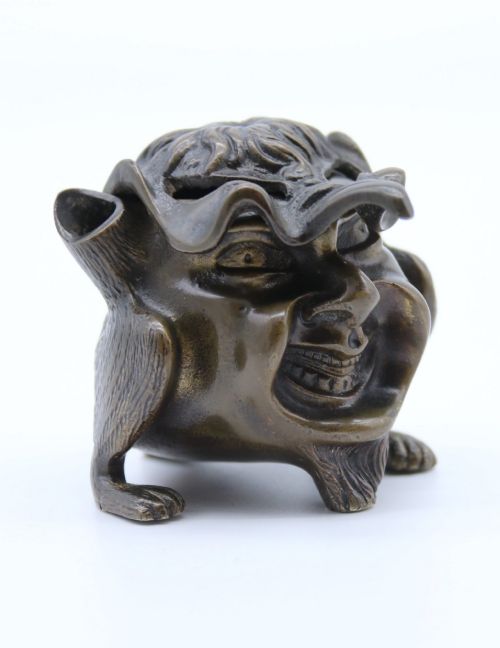
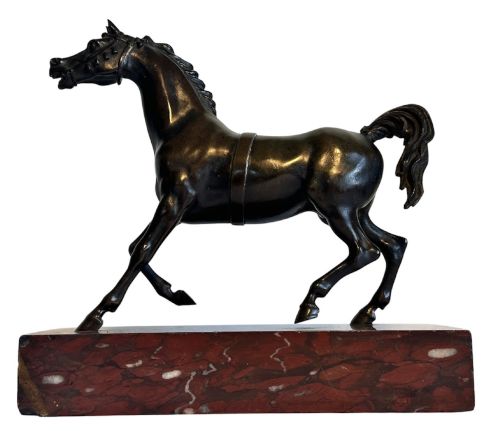
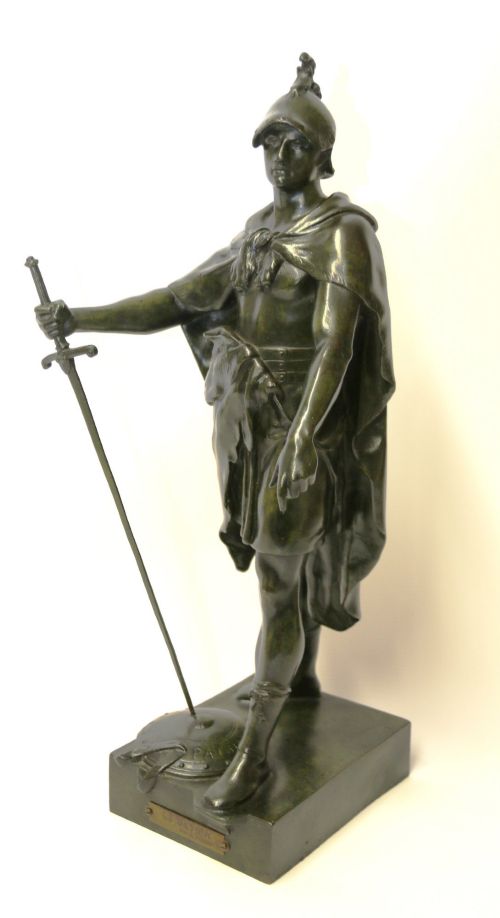
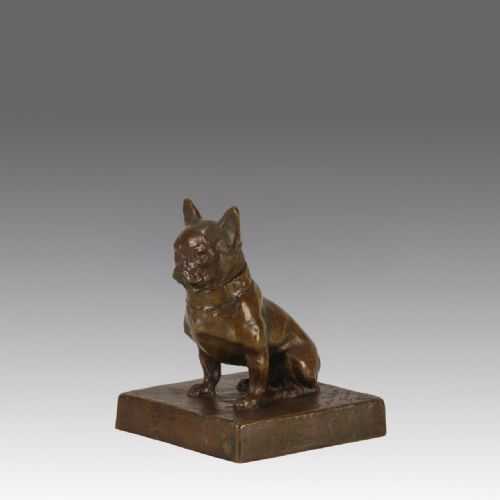
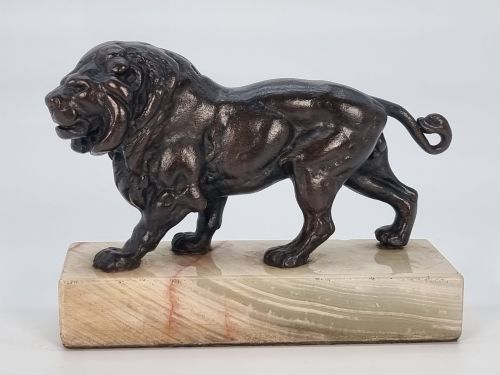
A french bronze desk ornament is a small sculptural piece designed to sit on a surface, taking forms such as animalier studies, figures, and functional items like inkwells or paperweights. You will encounter subjects ranging from prowling lions and resting hounds to human figures and architectural models like the Vendome Column.
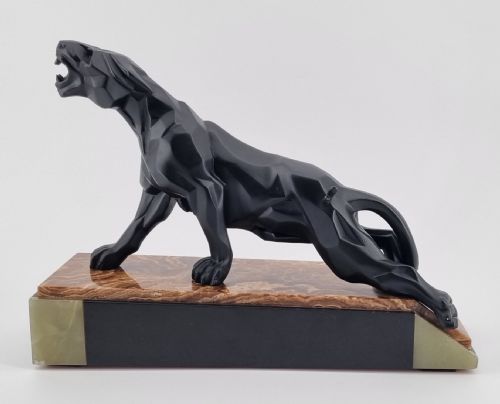
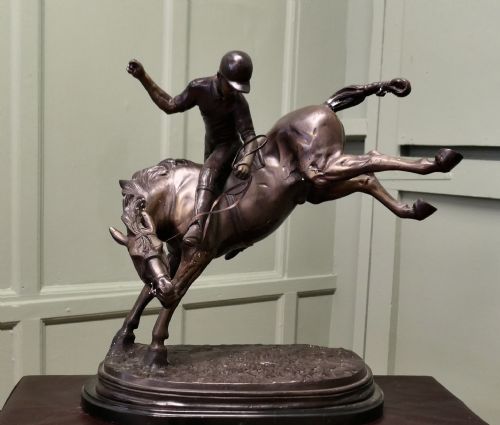
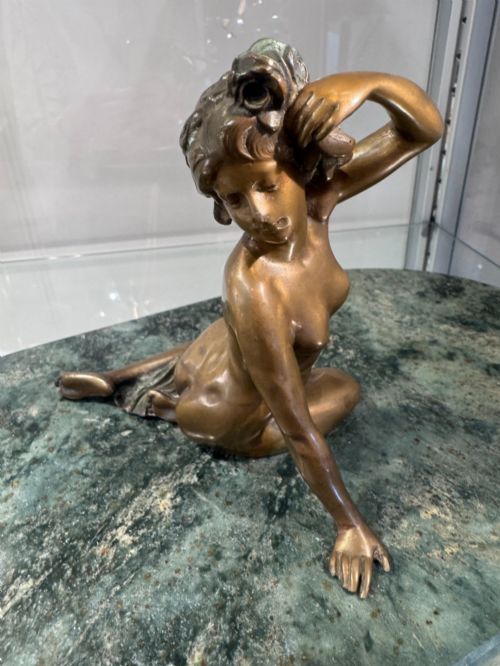
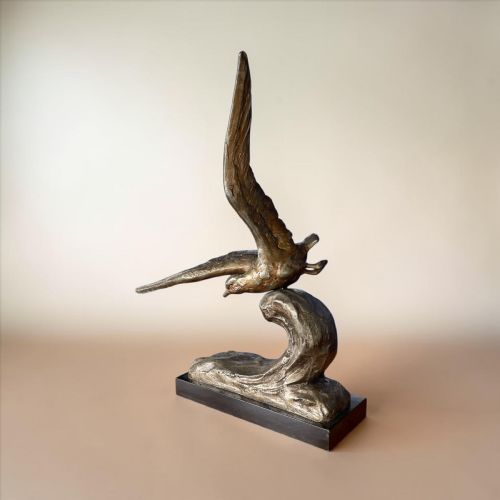
The objects span multiple periods, predominantly nineteenth century pieces alongside works from the nineteen twenties and nineteen thirties reflecting art nouveau and art deco movements. These pieces originate from French workshops, capturing subjects as varied as mythological figures, historical portraits, and sporting scenes.
Makers and sculptors imprint their vision onto these small bronzes, ranging from animalier specialists to portraitists working in Paris. The format serves both decorative and practical uses, functioning as a paperweight, an inkwell, or a standalone bronze figure placed upon a desk.
Materials and casting methods
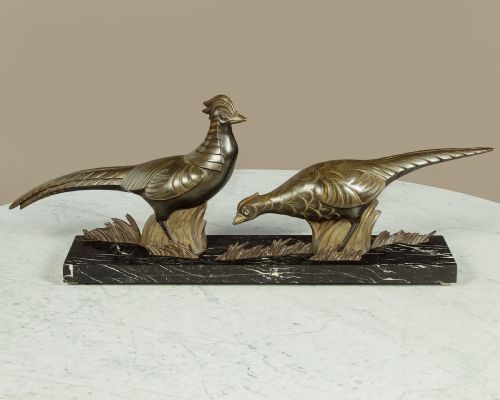
Foundries utilised bronze, patinated bronze, gilt bronze, and ormolu, frequently mounting the metal figures upon bases of marble, onyx, or cast iron. These materials provide the characteristic heft and colour variation seen across the pieces, from dark patinas to gleaming gilded surfaces.
Sculptors modelled subjects in clay or wax before the foundries cast them using traditional techniques, capturing fine details in fur, feathers, and drapery. Spelter also appears as a substitute metal in certain twentieth century decorative objects mounted on stone plinths.
The combination of metalwork and stone involves fitting the bronze casting securely to a marble or onyx base, which often acts as an integral part of the overall design.
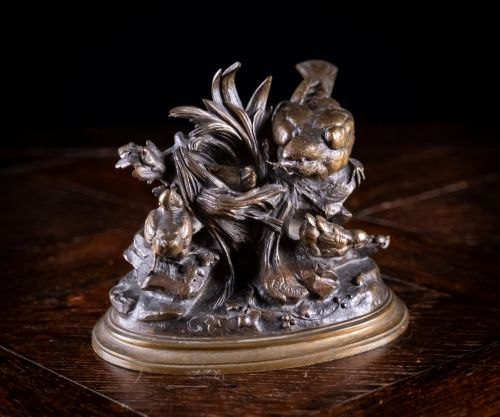
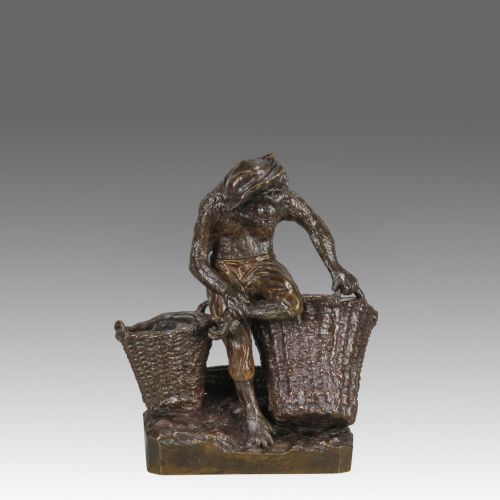
A bronze frog sits ready to leap from nineteenth-century Parisian workshops straight onto your papers.
Judging quality in desk bronzes
Quality rests upon the crispness of the chase work after casting, where skilled hands define muscle structure, facial expressions, and surface textures. A superior piece retains sharp details without losing the fluidity of the original model.
The choice and preparation of the mounting materials contribute significantly to the overall standard, as dense veined marble or polished onyx enhances the presence of the bronze. The relationship between the casting and its base demonstrates the care taken by the workshop during assembly.
Louis Emile Cana·Pierre-Augustin Caron de Beaumarchais·Émile Louis Picault·Christophe Fratin·Antoine Louis Barye·Alfred Barye·Dora Heber·Aurore Onu·Emile Guillemin·Georges Van Der Straeten·Isadore Bonheur·Clovis Masson·Pierre Le Faguays·H. Chiparus
The French Bronze Desk Ornament Glossary
- Animalier
- A nineteenth-century artistic movement focusing on the realistic portrayal of animals, particularly predators and prey in dynamic poses. Sculptors in this tradition studied anatomy closely.
- Ormolu
- Gilt bronze produced by applying a finely ground high-carat gold-mercury amalgam to a bronze object. This technique imparts a rich yellow gold finish.
- Patinated bronze
- Metal treated with chemical solutions to produce a specific surface colour, ranging from deep brown to greenish tones. This finish protects the metal and accentuates sculptural contours.
- Spelter
- A zinc alloy utilised as a less expensive alternative to bronze, particularly in decorative figures from the early twentieth century. It accepts patination and metallic paint finishes.
- Grand Tour
- A nineteenth-century tradition where travellers collected miniature architectural models and bronzes in France and Italy. These souvenir objects reproduce famous monuments and classical sculptures.
French Bronze Desk Ornament: Frequently Asked Questions
What is an animalier bronze?
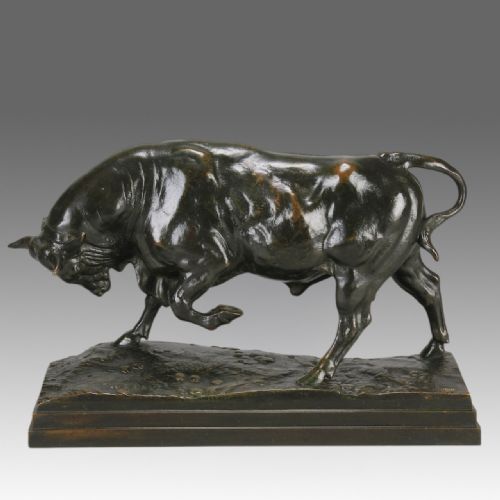
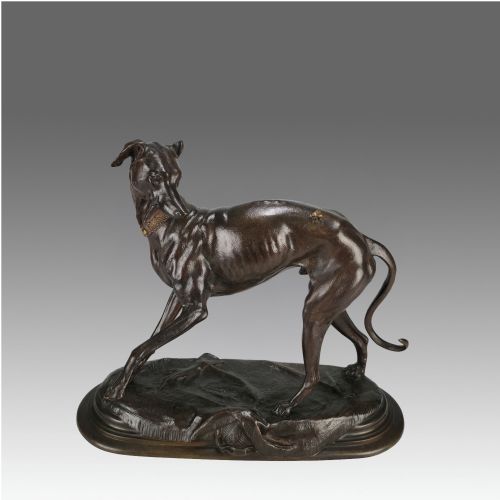
An animalier bronze is a sculptural piece dedicated to the realistic depiction of animals, capturing creatures such as lions, bulls, and dogs in naturalistic or dramatic stances.
These works became prominent in nineteenth-century French art, created by specialists who observed captive animals in Parisian menageries.
What is the difference between bronze and spelter?
Bronze is a durable copper alloy that takes a deep patina and allows for sharp, enduring detail during the casting process.
Spelter is a softer, zinc-based metal frequently utilised for twentieth-century figures, possessing a lighter weight and a different response to surface finishes.
Why are marble bases used?
Marble bases provide a stable, weighted foundation that balances the heavy metal sculpture above while introducing contrasting colours and textures.
This presentation style became popular in nineteenth-century and art deco design to elevate desk ornaments and display them cleanly on flat surfaces.