





French Bronze Column
These heavy metal shafts stand tall as decorative monuments, bringing classical dignity and French taste to any room.
French Bronze Column
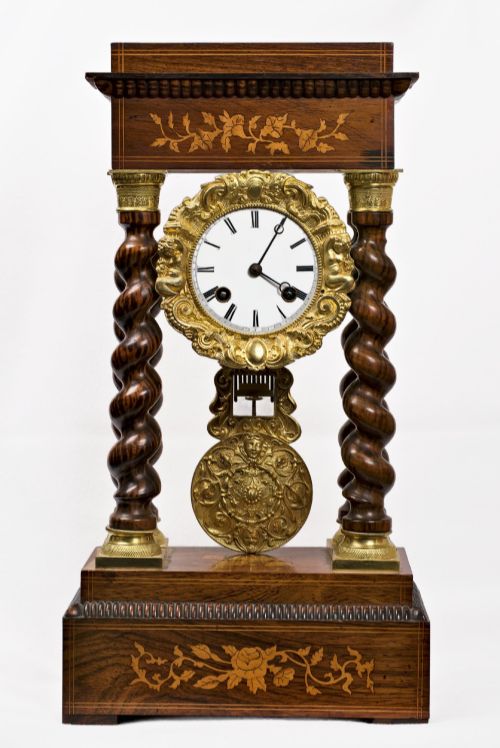
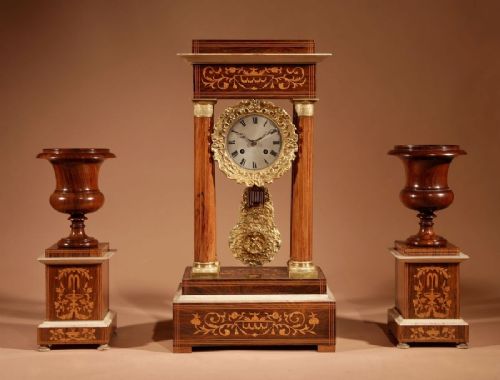
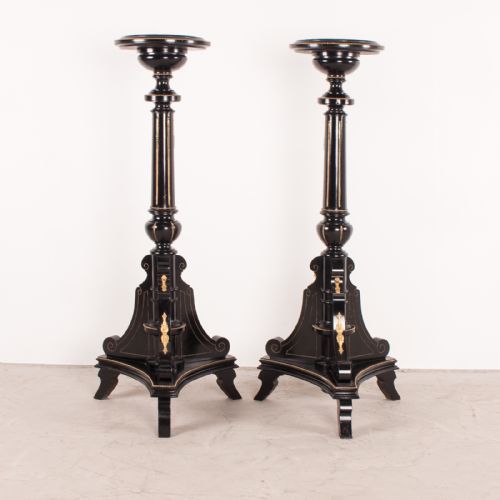
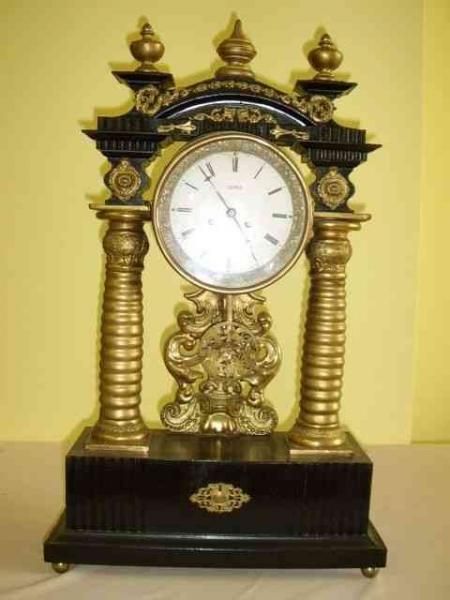
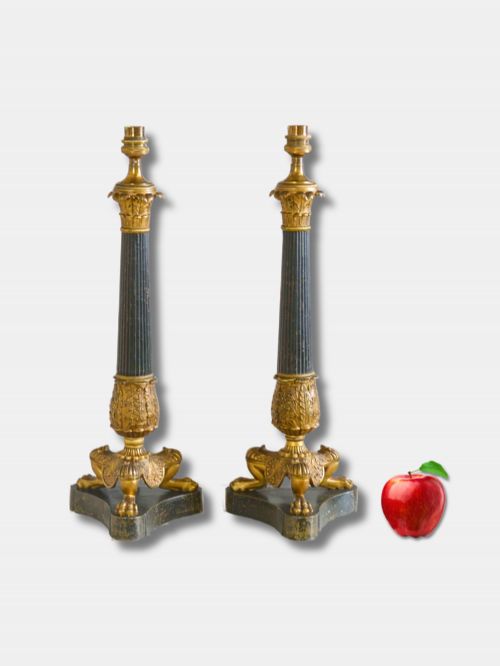
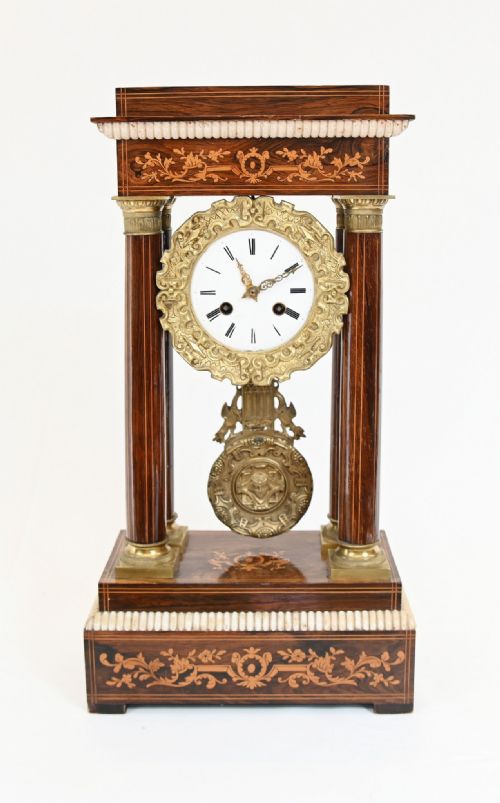
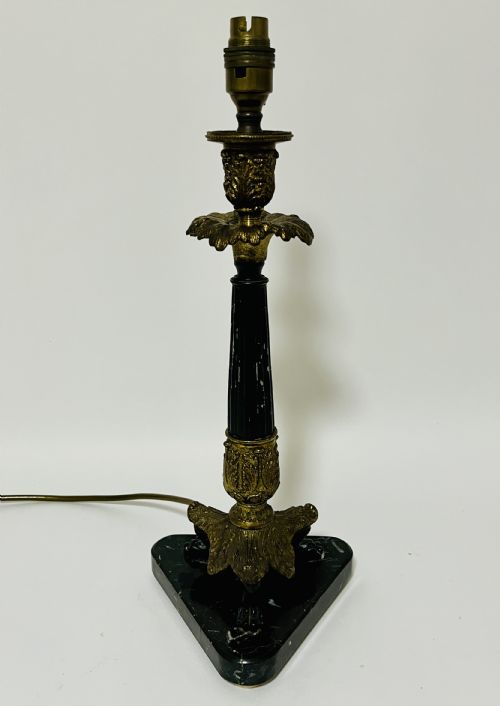
A french bronze column search reveals substantial architectural supports and decorative stands originating from the eighteenth to the twentieth centuries. Buyers encounter mantel clocks featuring upright columns, tall display pedestals, and fitted table lamps that draw on classical proportions.
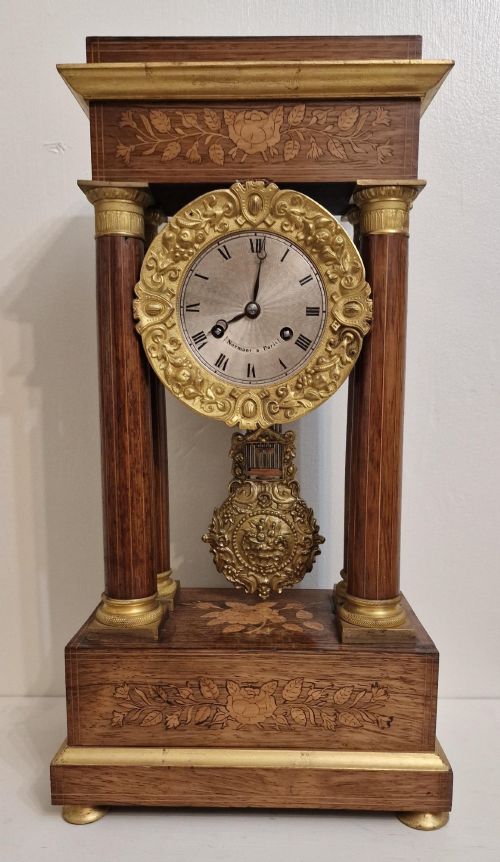
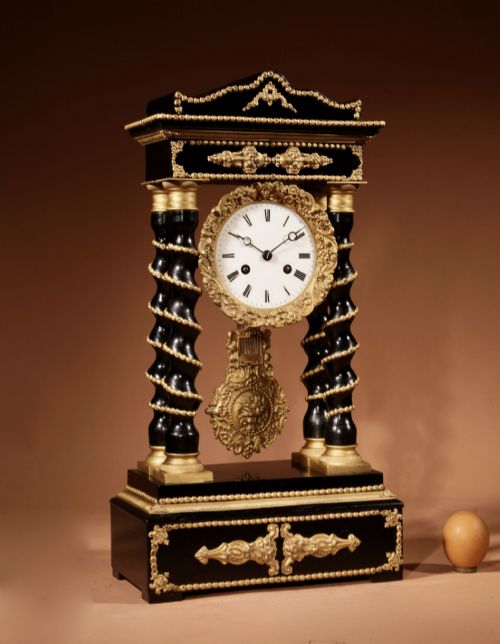
The most common forms on this page include architectural portico clocks flanked by upright shafts, alongside marble and onyx display pedestals mounted with gilt metal collars. Many pieces display classical revival styles influenced by the French Empire and Charles X periods.
Determining quality in these works
The standard of chasing and metal chiselling separates superior casts from simpler production, visible in the crispness of acanthus leaves and paw feet. Heavier bronze gauge and genuine fire gilding impart a deep, warm glow that differs markedly from later surface plating.
Material selection dictates overall solidity, with dense marbles and clear rock crystal elevating the piece above standard timber or glass alternatives. Precision in architectural proportions and the integration of ormolu mounts dictate the refinement of the finished object.
French Bronze Column Retail Price Guide 2026
Typical asking prices for french bronze column among the pieces listed under this phrase on Sellingantiques today, from the lower quarter to the upper quarter. They describe what is for sale here now, not the wider market.
Listings span the eighteenth, nineteenth, and early twentieth centuries, incorporating marble, bronze, onyx, and cut crystal.
Philippes Paris·Breguet
The French Bronze Column Glossary
- Ormolu
- Gilded bronze produced by applying a mixture of gold and mercury to a bronze base and heating it. This historic technique creates a durable, deep golden surface.
- Portico clock
- A mantel clock built in the architectural form of a classical portico with upright columns supporting a lintel. These timepieces date largely from the Empire and Charles X periods.
- Torchere
- A tall stand or floor lamp designed to hold a light source or display an object. They often take the form of slender columns.
- Grand Tour
- A cultural journey undertaken by nineteenth-century travellers who collected small bronzes and architectural models as souvenirs. These miniature columns reflect classical antiquities seen in Italy.
- Vernis Martin
- A type of simulated Japanese lacquer developed in France during the eighteenth century. It employs successive layers of varnish to achieve a lustrous finish on wood.
French Bronze Column: Frequently Asked Questions
What is a french bronze column clock?
These timepieces are architectural portico clocks where the dial hangs suspended between vertical columns of bronze, marble, or wood.
They rely on heavy stone bases and are frequently decorated with ormolu mounts in the Empire or Charles X style.
How do I date a french bronze column?
Dating depends on stylistic markers such as neoclassical proportions, lion paw feet, and the specific mix of materials like onyx, marble, and crystal.
Earlier nineteenth-century examples often feature fire gilding and precision casting, while later nineteenth and early twentieth-century pieces incorporate diverse woods and glass.
Where should I place a pedestal column?
Tall marble and onyx pedestals are designed to elevate busts, urns, or decorative objects within a room.
They serve as vertical display surfaces that draw the eye upward and anchor architectural corners.
Are column table lamps original antiques?
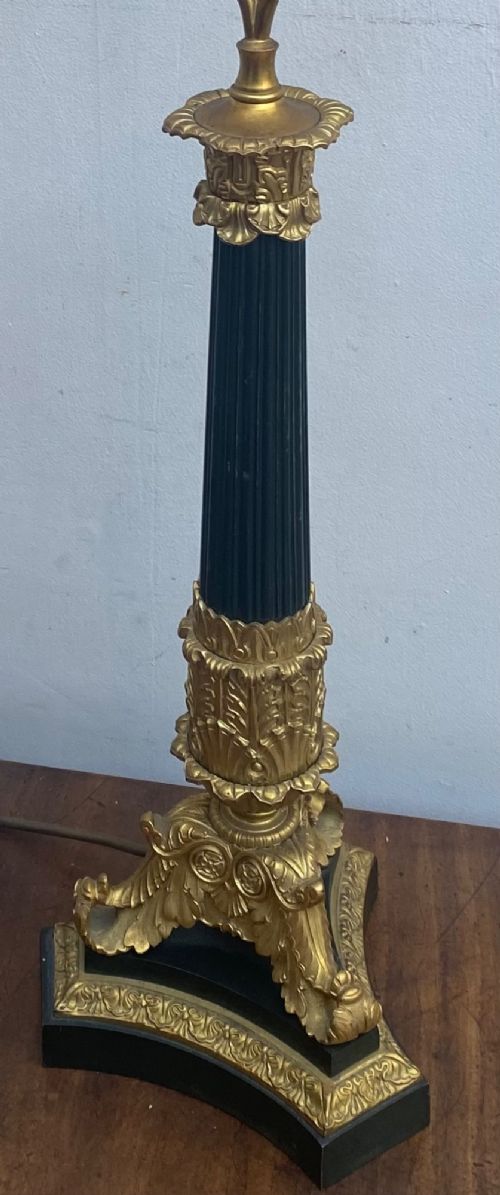
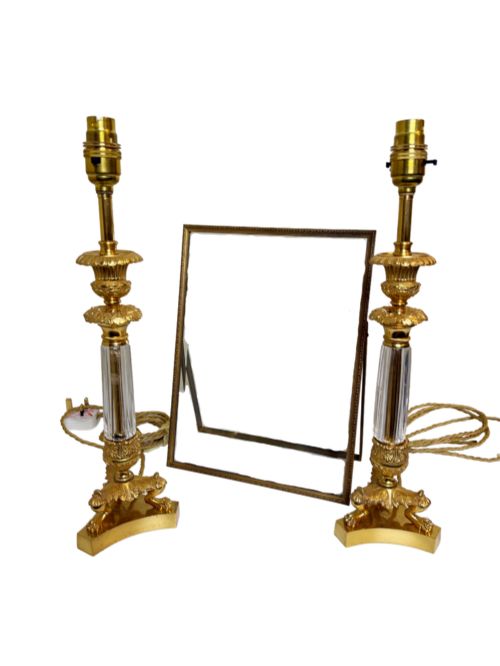
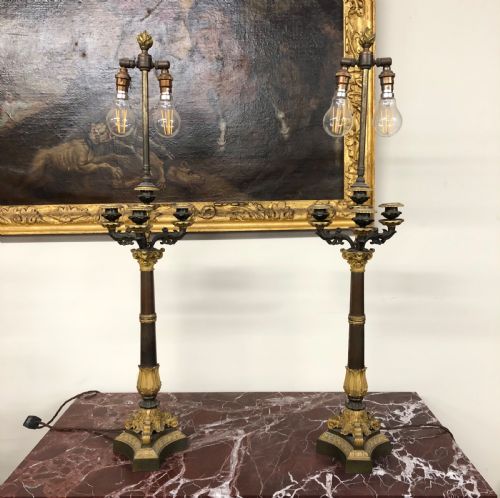
Many table lamps adapt nineteenth-century architectural columns, candleholders, or clock garnitures for modern electrical use.
Original materials such as bronze, crystal, and rock crystal are retained while integrating wiring.