


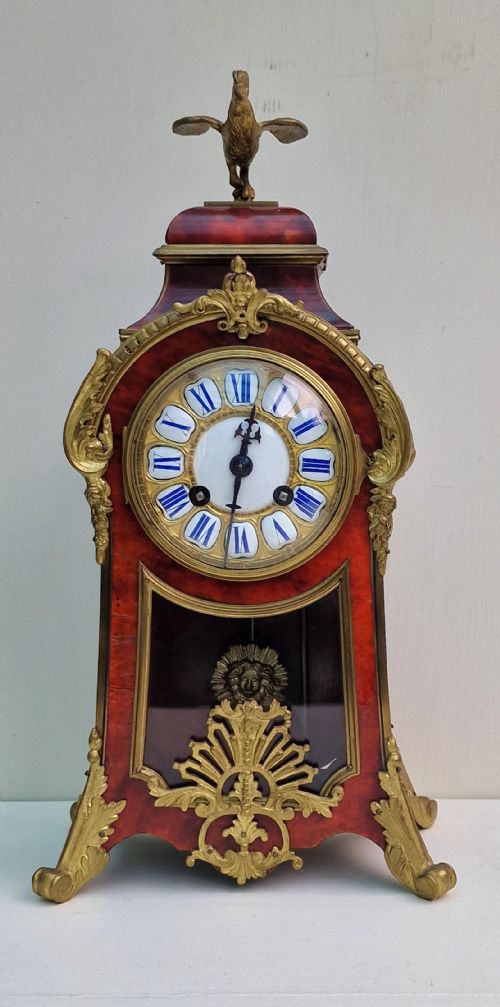


French Brass Mounted Shelf
These french brass mounted shelf items bring Continental flair to a room, offering practical display surfaces combined with decorative metalwork.
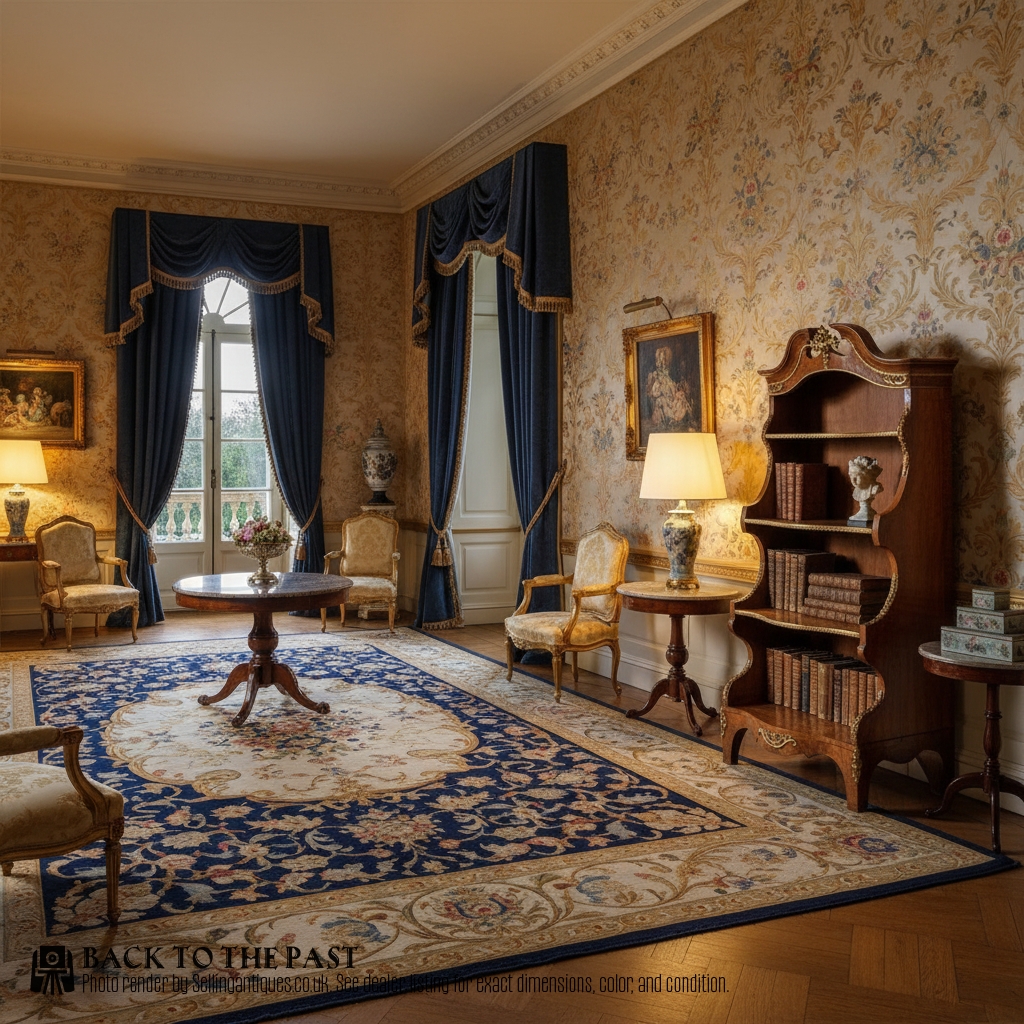
French Brass Mounted Shelf
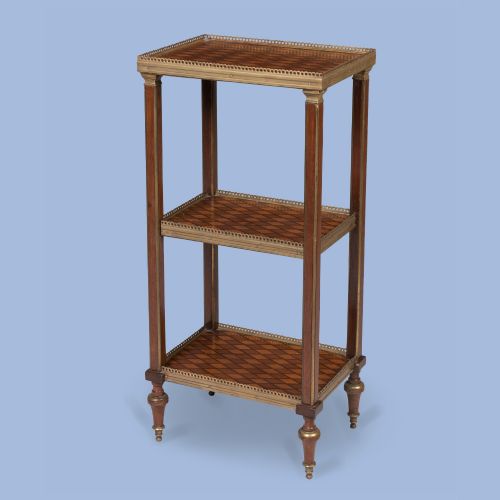
When you search for a french brass mounted shelf, you encounter wall brackets, hanging shelves, and tiered etageres designed to hold small decorative objects or books. Most examples on this page date from the nineteenth century, including the Napoleon III period and various French revival styles.
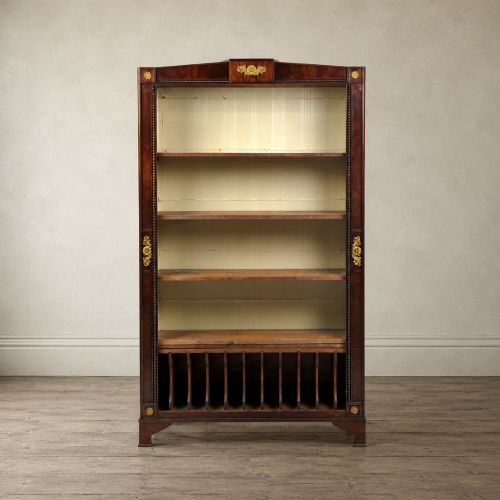
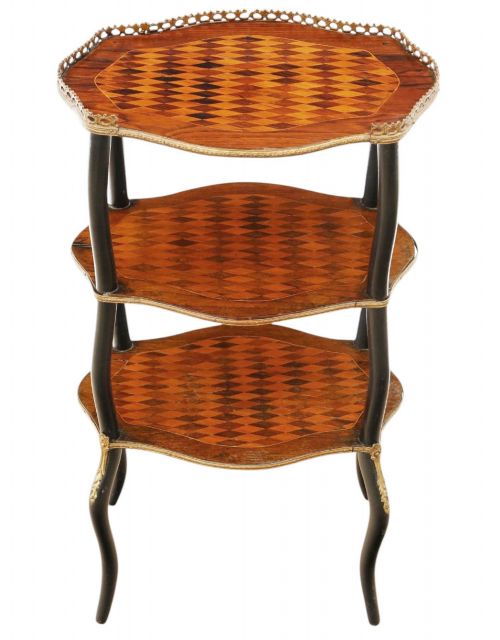
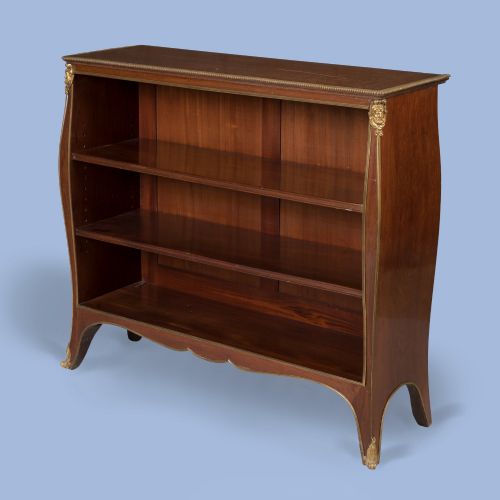
The forms range from open bookcases and multi-tiered etageres to wall brackets incorporating brass mounts and ormolu. Cabinetmakers utilised rich timbers like rosewood, mahogany, and walnut as backdrops for the metalwork.
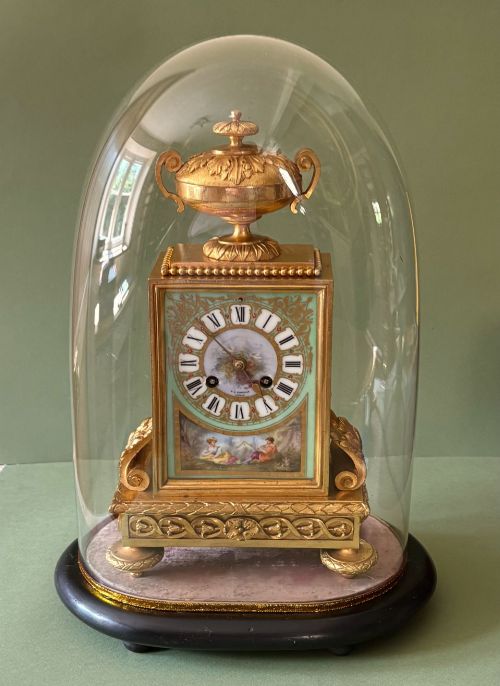
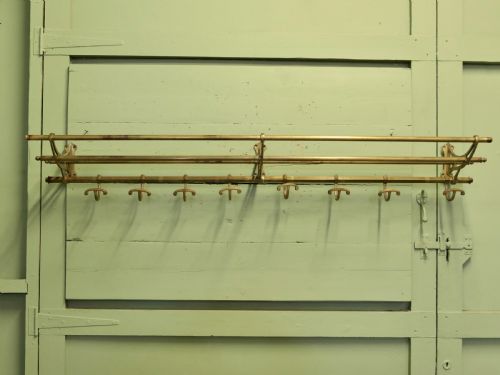
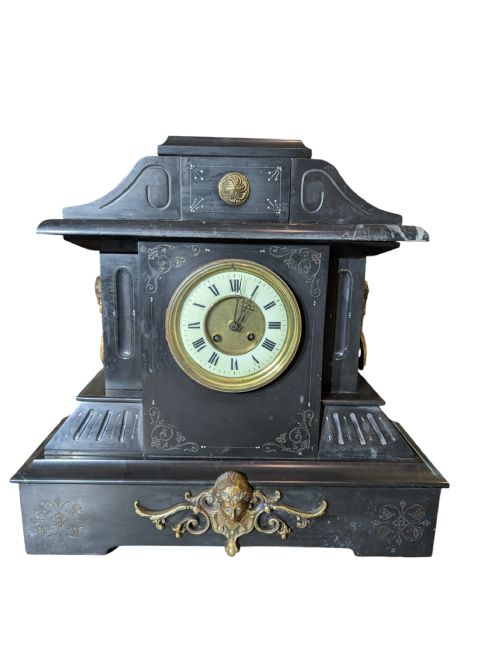
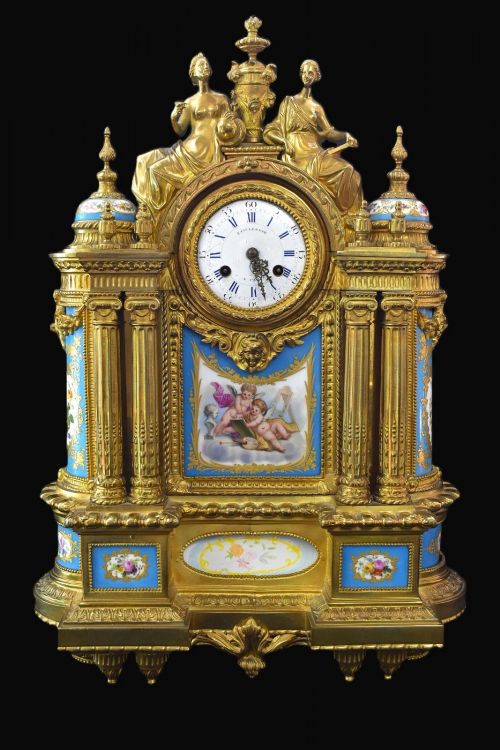
Makers also applied these brass mounts to clocks, side tables, and coat racks, creating functional items with a distinct decorative presence. The selection here reflects both Victorian interpretations and authentic French production.
How they were made
Craftsmen built these pieces using dense hardwoods such as mahogany, rosewood, walnut, and kingwood, often incorporating marquetry, parquetry, or ebonised finishes. Brass and ormolu mounts were cast and chased, then secured to the wooden carcasses to highlight structural corners and edges.
Additional materials like marble, porcelain panels, glass, and ceramic inserts appear alongside the primary woodwork. Joinery relies on period techniques appropriate for nineteenth-century cabinetmaking and clock production.
Several clocks on this site incorporate figures of Shakespeare and wandering elephants.
What varies in quality
The refinement of the cast brass and ormolu mounts determines the visual impact of the piece. Crisp chasing, deep relief, and secure attachment indicate superior workshop production.
Selection of timber veneers, such as finely figured rosewood or kingwood marquetry, separates standard production from exceptional examples. The integration of porcelain plaques, marble tops, and original glass further distinguishes the finer items.
Etienne Lenoir·Lenzkirch·JP Delettrez
The French Brass Mounted Shelf Glossary
- Ormolu
- Gilded bronze applied as a decorative mount to furniture and clocks. The technique involves mercury gilding on bronze castings.
- Etagere
- A set of open shelves for displaying small objects or ornaments. These pieces typically feature multiple tiers supported by slender columns.
- Marquetry
- Decorative veneer work forming pictures or geometric patterns using various coloured woods. Craftsmen cut thin slices of timber to fit exact puzzle-like designs.
- Parquetry
- Geometric wood inlay forming repeating patterns such as cubes or squares. It differs from marquetry by focusing on regular geometric repetition.
- Portmanteau
- A freestanding piece combining coat hooks, umbrella stands, and mirrors. These large hall items often incorporate brass and mirrored plates.
French Brass Mounted Shelf: Frequently Asked Questions
How do I date a french brass mounted shelf?
Dating relies on timber choice, construction methods, and the style of the brass mounts. Nineteenth-century examples often display specific revival characteristics like Napoleon III or Louis XVI tastes.
Examining the fixings, timber shrinkage, and secondary woods helps confirm the period. Later reproductions show machine methods absent in nineteenth-century work.
What rooms suit these shelves and etageres?
Wall brackets and hanging shelves fit smaller wall spaces in hallways or living rooms where vertical display matters. Larger etageres and open bookcases serve as focal points in studies or drawing rooms.
Their reflective brass mounts and rich timber tones complement both traditional interiors and mixed contemporary schemes.
How do I clean brass mounts safely?
Dusting with a soft, dry cloth prevents grime accumulation on both the timber and the metalwork. Avoid abrasive metal polishes that strip original gilding from ormolu.
If cleaning is necessary, use a gentle solution designed for antique metals and apply it carefully to avoid touching the surrounding wood or marble.
Are these pieces purely decorative?
While highly decorative, most items served practical domestic purposes such as holding books, clocks, coats, or small ceramic pieces. Etageres and wall brackets were designed to maximise display space in nineteenth-century homes.
They continue to function reliably for displaying small collections or everyday items.