



French Brass Frame
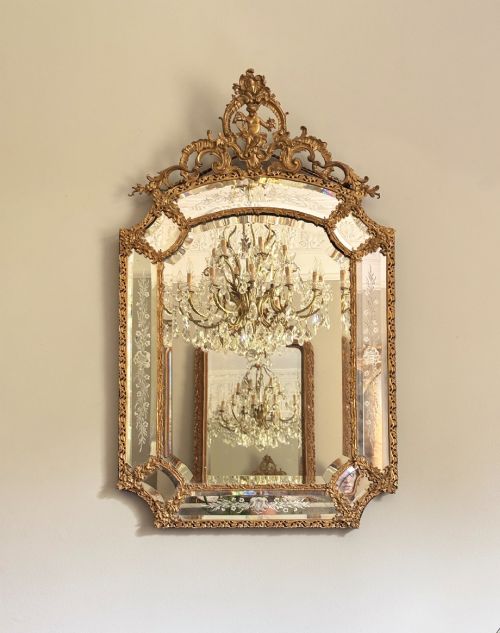
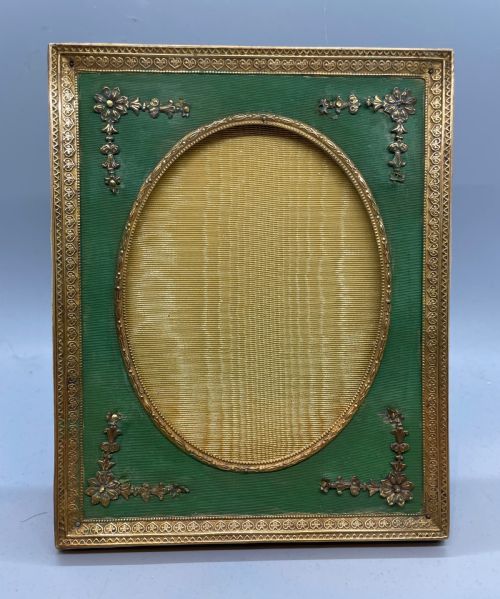
A french brass frame brings warmth and period character to a room, holding photographs or paintings with substantial metalwork.
French Brass Frame
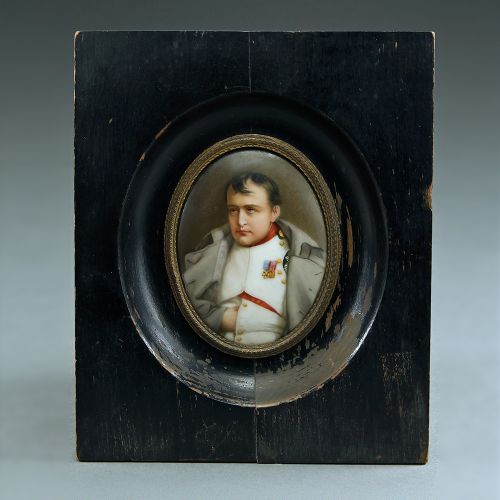
A french brass frame serves primarily to display photographs, miniatures, or small artworks within domestic interiors. These decorative objects emerge across various periods from the nineteenth century into the early twentieth century.
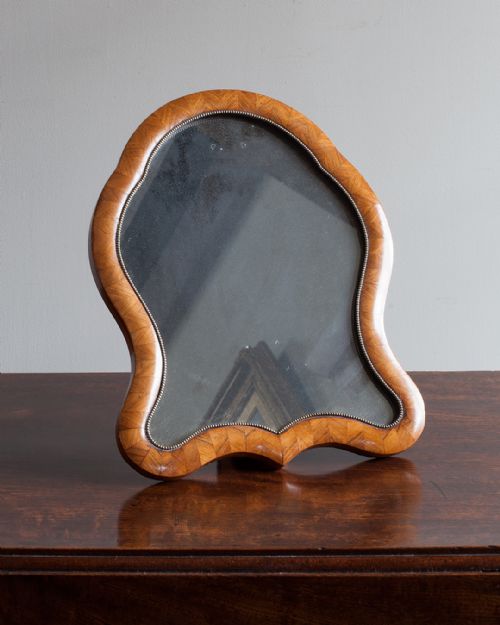
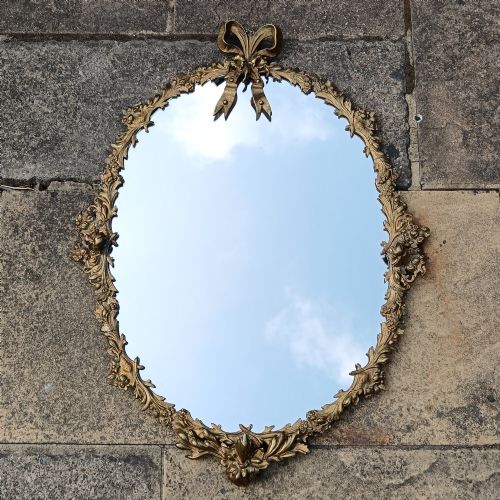
Buyers encountering this search phrase find pieces ranging from small table mirrors and portraits to photo holders styled in Louis XVI or Hollywood Regency tastes. The selection spans distinct historical eras including the Victorian period and the nineteen-twenties.
The objects combine functional utility with ornamental metalwork, often displaying elaborate casting or simpler polished forms. Such pieces suit mantelpieces, dressing tables, and walls in period or eclectic rooms.
Materials and technique
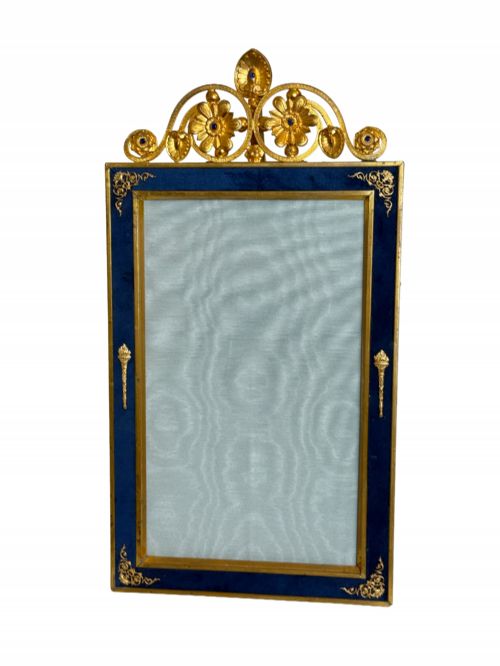
Maker workshops utilised brass, ormolu, and gilt bronze alongside glass and wood to construct these decorative items. Cast metal components were shaped into floral motifs, ribbon bows, or architectural borders.
Techniques combined metal founding with hand-finishing, patination, and glass cutting for inset panels. Many examples feature structural backing in wood or velvet to support the display items securely.
French Brass Frame Retail Price Guide 2026
Typical asking prices for french brass frame among the pieces listed under this phrase on Sellingantiques today, from the lower quarter to the upper quarter. They describe what is for sale here now, not the wider market.
Some frames incorporate hidden easels and velvet backs designed to showcase treasured family portraits or miniature painted art.
The spectrum of quality
Quality differentiates through the crispness of the metal casting and the depth of the original gilding or polish. Finer examples display sharp relief work on scrolled borders and robust joinery at the corners.
Lesser items present softer details in the brass ornamentation and simpler stamped constructions. The integrity of the glass inserts and the weight of the metal frame itself distinguish standard production from superior craftsmanship.
The French Brass Frame Glossary
- Ormolu
- Gilded bronze or brass applied to decorative objects. This finish gives a rich golden appearance characteristic of French decorative arts.
- Louis XVI Revival
- A nineteenth-century style drawing on eighteenth-century classical restraint. Pieces show straight lines, urns, ribbons, and symmetrical leaf motifs.
- Gilt Bronze
- Copper alloy treated with a gold coating or wash. It provides durable surface lustre on antique metalwork.
- Hollywood Regency
- A design style originating in the mid-twentieth century combining classical elements with theatrical glamour. Items incorporate bold brass framing and decorative animal motifs.
French Brass Frame: Frequently Asked Questions
How do I date a brass frame?
Dating relies on examining the fastening mechanisms, backboards, and casting styles. Earlier nineteenth-century pieces often feature hand-cut screws and heavier bronze casting.
Later Edwardian or nineteen-twenties items display lighter construction methods and machine-stamped decorative borders.
Where should I place these frames?
These items suit placement on dressing tables, mantelpieces, or as part of a gallery wall arrangement. Their reflective metal surfaces catch natural light effectively.
Pairs or matching groupings look particularly balanced when arranged on wooden chests or side tables.
How do I clean antique brass?
Dusting with a dry soft cloth prevents accumulation of grime without disturbing the historic patina. Avoid abrasive chemical cleaners that strip the original surface finish.
Gentle cleaning maintains the aged metallic tone valued by collectors.
What styles are common?
Styles range from ornate Louis XVI revival designs with floral garlands to clean-lined Edwardian and Hollywood Regency forms. Many incorporate architectural motifs such as rams heads or ribbon ties.
This variety reflects changing aesthetic preferences across the nineteenth and twentieth centuries.