
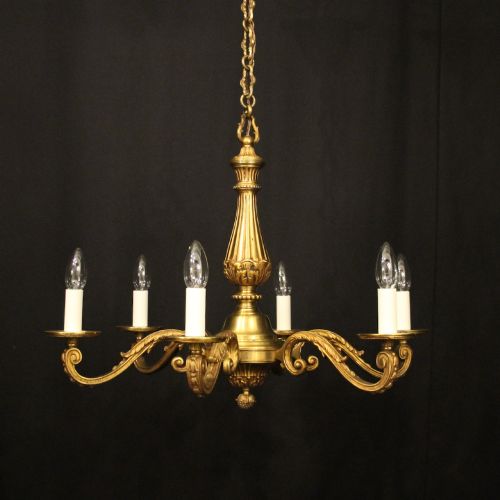
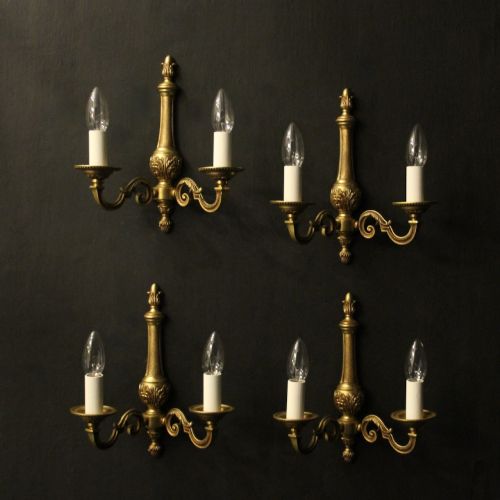
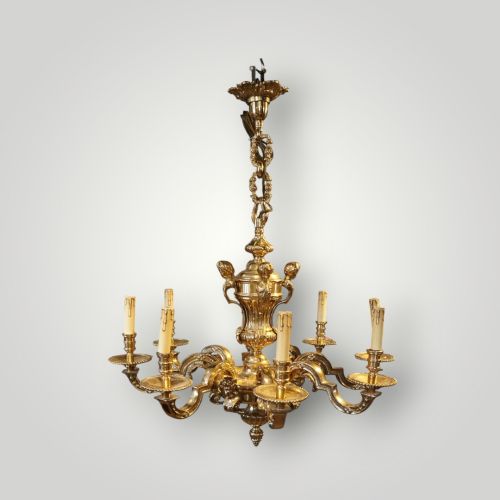
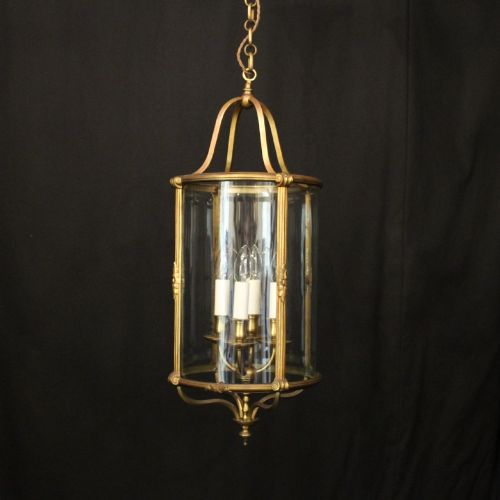
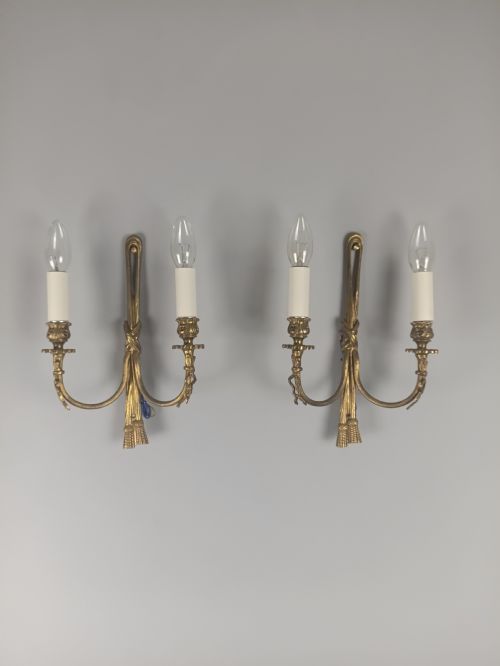
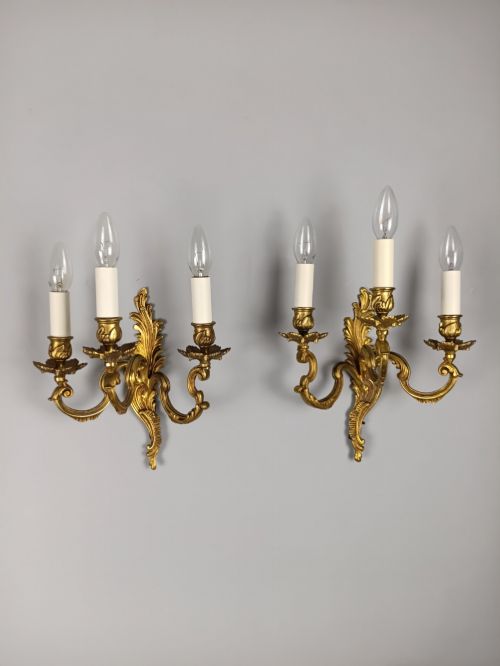
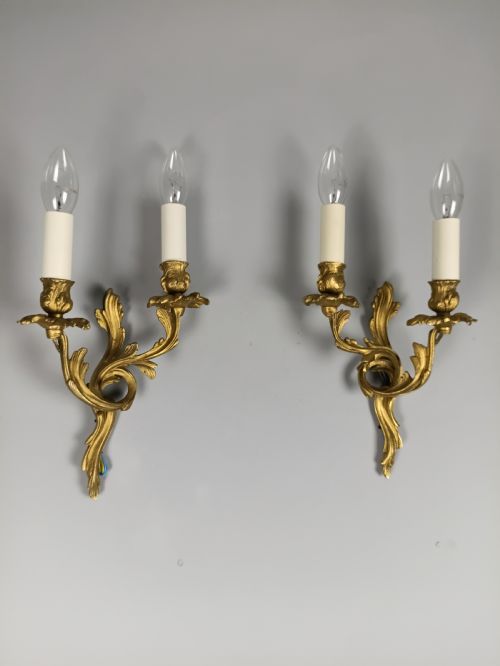
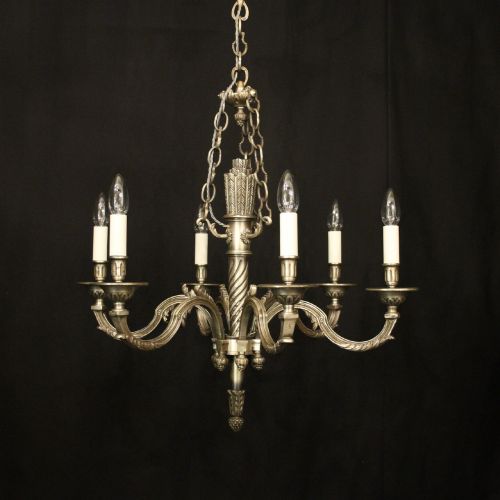

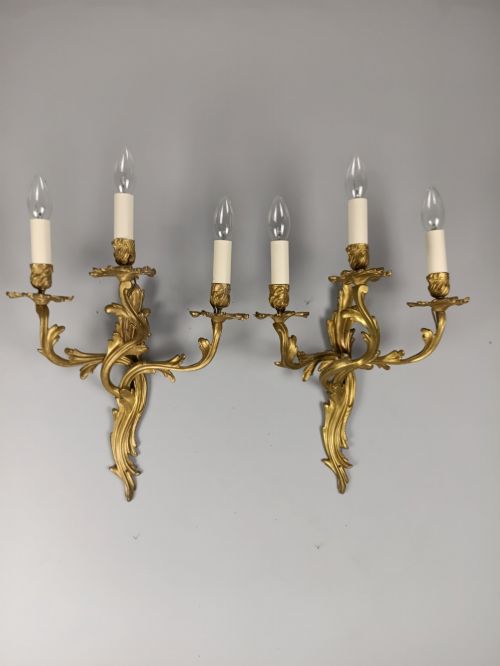


French Brass Candle Lamp
A french brass candle lamp brings warmth and refined metalwork to a room, offering functional illumination rooted in classic design.
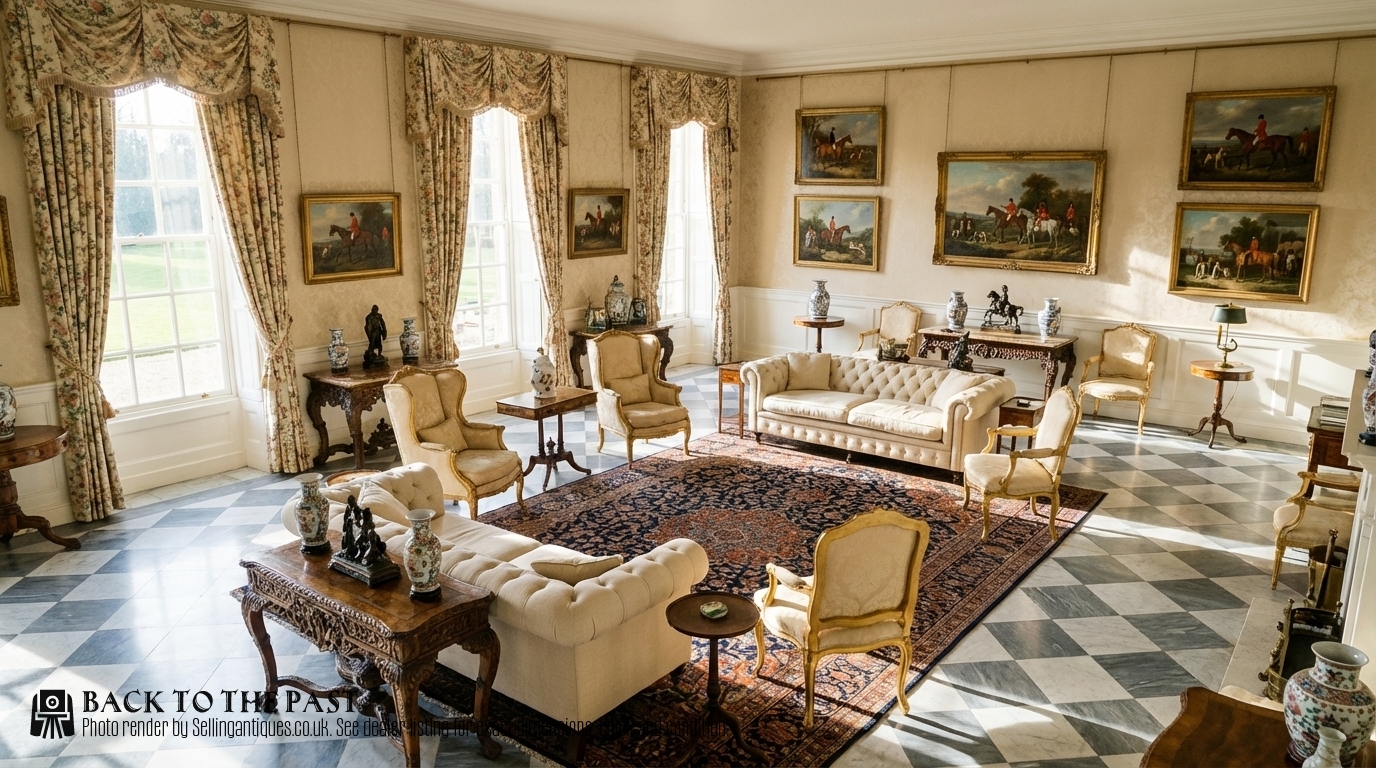
French Brass Candle Lamp
When searching for a french brass candle lamp, buyers encounter lighting pieces rooted in centuries of continental metalwork traditions. These objects span desk lamps, table lamps, and floor standards designed to hold candles or adapt them for electrical use.
The pieces appearing on this page date primarily from the nineteenth century through the early decades of the twentieth century. Common stylistic influences include Neoclassical, Empire, and Rococo designs originating in France.
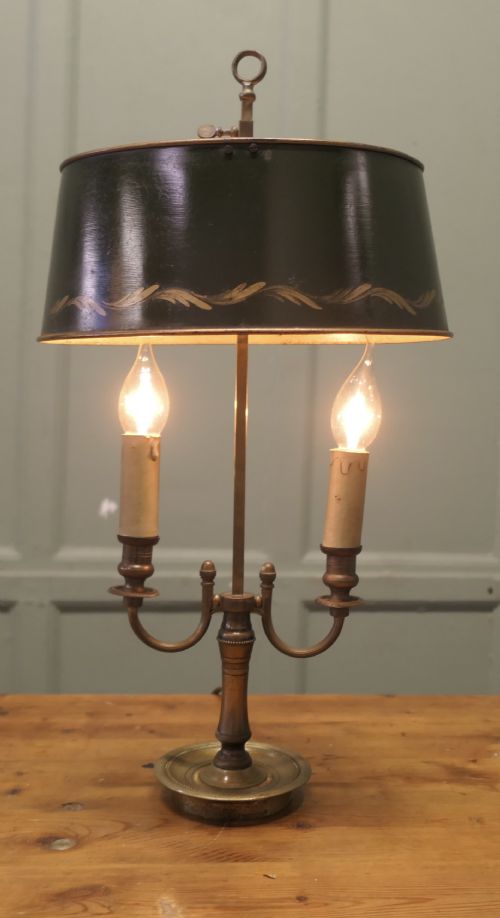
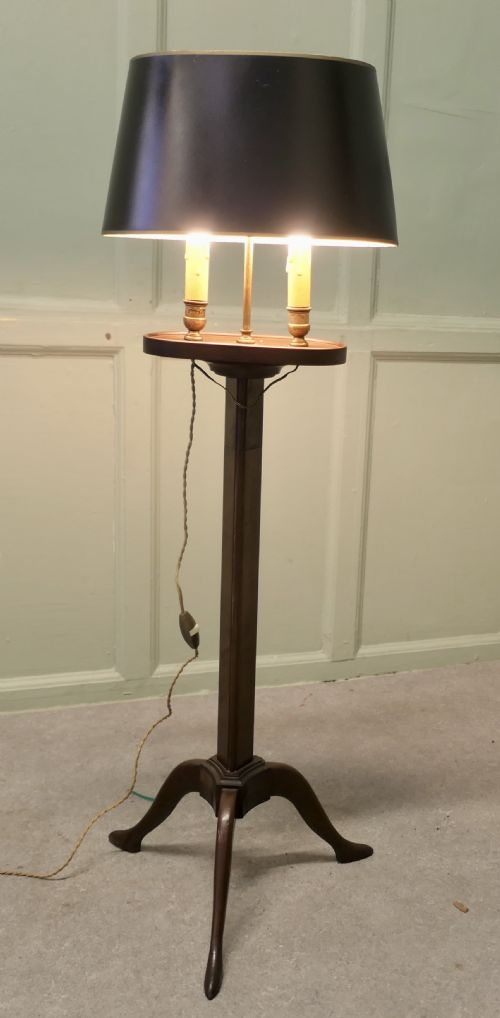
Table lamps and bouillotte styles dominate the surviving selections, often paired with adjustable shades or multiple arms. These items reflect domestic interiors that valued both directional task lighting and ambient glow.
How They Were Made
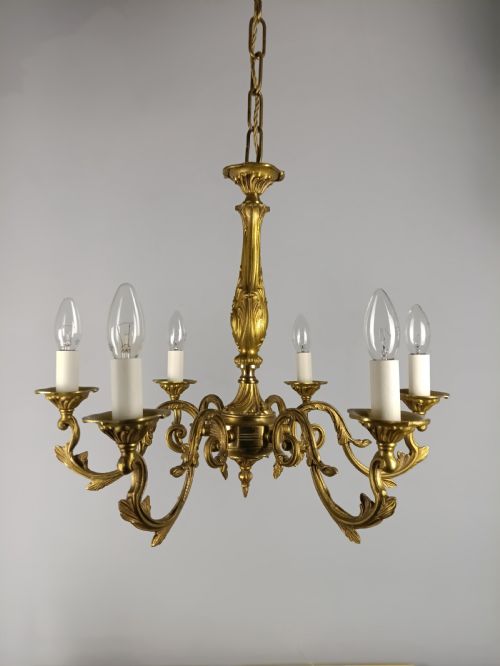
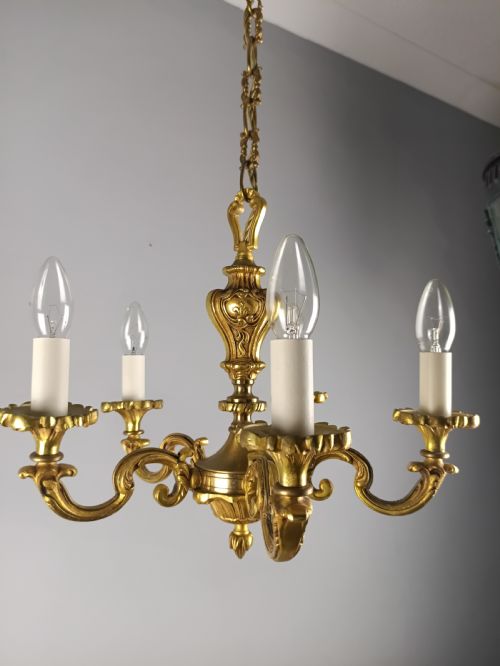
Maker workshops utilised solid brass, bronze, and ormolu, casting metal components before chasing and finishing them by hand. Gilt finishes and silver gilding were frequently applied to enrich the metal surfaces.
Combinations of brass with painted toleware shades, glass crystals, and marble bases appear regularly in the evidence. Construction methods relied on mechanical joints, threaded fittings, and rivets to assemble multi-armed fixtures.
The listings span the Victorian era, the Edwardian period, and the 1920s and 1930s, using brass, gilt bronze, toleware, and marble.
What Varies in Quality
Quality rests in the crispness of the cast metal ornamentation and the weight of the brass or bronze used in the body. Finer examples display deeply chased surface details and well-balanced proportions across arms and bases.
The integration of secondary materials such as marble, crystal drops, or hand-painted tole shades distinguishes standard production items from more ambitious decorative works.
The French Brass Candle Lamp Glossary
- Bouillotte lamp
- A traditional adjustable desk or table lamp featuring a central shaft, multiple candle arms, and a painted metal shade. It originates from eighteenth-century card games played under subdued light.
- Ormolu
- A method of applying finely ground high-carat gold to a bronze base using mercury amalgamation. The technique produces a rich golden finish characteristic of decorative French metalwork.
- Toleware
- Lacquered and painted sheet metal objects produced in various European centres. It is frequently seen on candle lamp shades in contrasting green and gold palettes.
- Photophore
- A glass shade or hurricane cover designed to protect a candle flame from drafts. In antique lighting, these pair with brass and marble bases.
- Candelabra
- A branched candlestick holding multiple lights. Surviving antique examples often feature twin or triple arms intended for formal tabletop placement.
French Brass Candle Lamp: Frequently Asked Questions
How do I clean a brass candle lamp?
Dust the metal gently with a soft dry cloth to preserve any historic surface finish. Avoid harsh chemical polishes that can strip away aged patination or gilding.
For glass components or tole shades, use a damp cloth with mild soap and dry thoroughly immediately after.
Were these lamps originally electric?
Most items dating from the nineteenth and early twentieth centuries began as purely candle-lit fixtures or church candlesticks. Many have subsequently been adapted for electrical wiring during their working lives.
Conversions allow these historical pieces to function safely in modern rooms while retaining their original decorative metalwork.
What is a bouillotte lamp used for?
A bouillotte lamp serves as a focused desk or table light with an adjustable shade to direct illumination downward. Historically, the shaded light helped players see their cards clearly during evening games.
Today, they function effectively on side tables or desks where directional reading light is required.
How do I date an antique brass lamp?
Dating relies on stylistic markers such as Neoclassical symmetry, Empire motifs, or Rococo scrollwork. Construction techniques, casting methods, and fastening types also offer clues to the period of manufacture.
Matching the design elements against documented nineteenth and early twentieth-century examples helps narrow down the production era.