

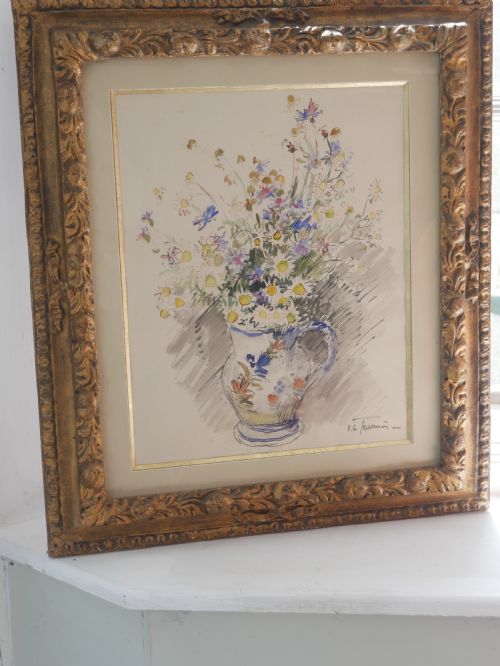


French Botanical Wall Art
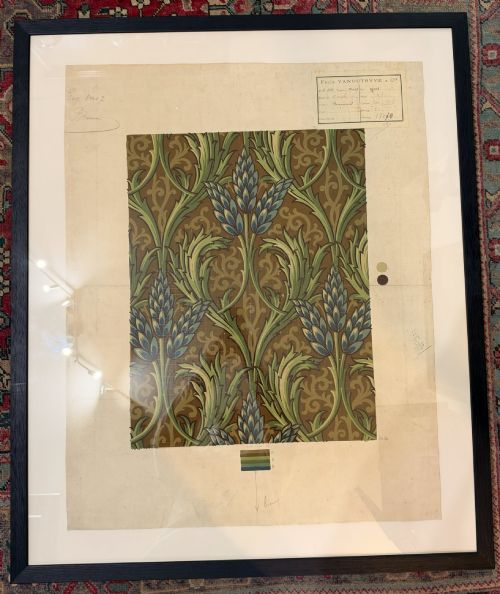
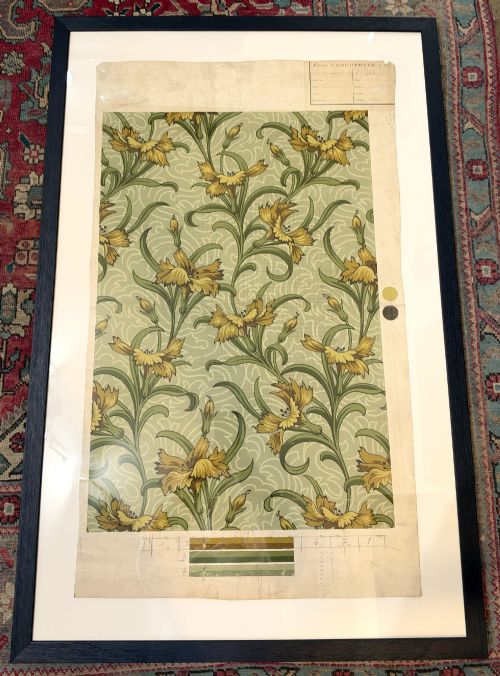
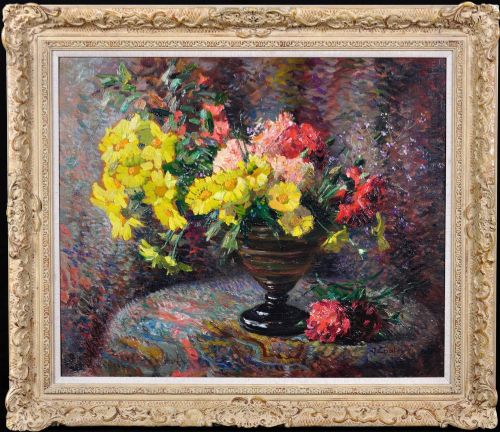
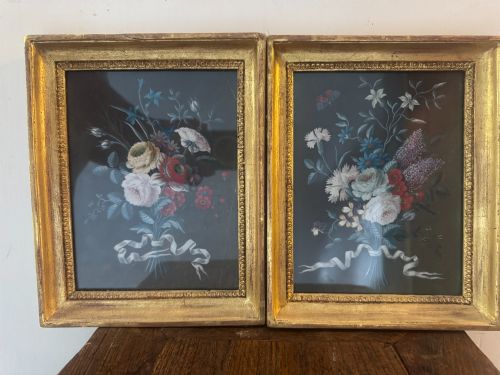
These french botanical wall art pieces bring floral oils, engravings and gouaches into domestic rooms with considerable charm.
French Botanical Wall Art
When you search for french botanical wall art, you encounter a varied selection of framed works celebrating flora and fauna. The pieces range from nineteenth-century hand-coloured lithographs and botanical engravings to mid-century oil paintings on canvas and board.
You are most likely to meet floral still life oil paintings and natural history prints originating from France across the eighteenth, nineteenth and twentieth centuries. These span diverse movements including impressionism, art nouveau and mid-century modernism.
The assortment includes works depicting roses, carnations, water lilies and exotic birds housed in period frames of wood and gilt. Such items serve as focal points in studies, halls and living spaces.
Materials and Technique
Makers utilised oil paint on canvas, board and metal, alongside gouache and watercolours on paper. Engravings and lithographs rely on fine paper stocks, often finished with delicate hand-colouring.
Frames employ timber construction, sometimes featuring gold leaf or gilt finishes that complement the artwork within. Tapestry pictures utilise woven textile techniques to render floral subjects.
Execution ranges from loose impressionistic brushwork capturing light on water lilies to precise botanical studies detailing petal structures.
French Botanical Wall Art Retail Price Guide 2026
Typical asking prices for french botanical wall art among the pieces listed under this phrase on Sellingantiques today, from the lower quarter to the upper quarter. They describe what is for sale here now, not the wider market.
Represented artistic movements include impressionism, art nouveau, arts and crafts, and mid-century modernism.
Factors of Quality
The distinction between ordinary and superior pieces rests upon the surety of the hand and the fidelity of the botanical rendering. Masterful works display precise observation of light, shadow and colour graduation in petals and foliage.
The integrity and period appropriateness of the framing contribute significantly to the overall character of the piece. Original mounts, period wooden frames and well-preserved paper supports elevate the standing of an artwork.
Felix Vanoutryve·Jean Chaleye·Pancrace Bessa·Pierre Joseph Redoute·Bertoldo Taubert·Jules Felix Ragot
The French Botanical Wall Art Glossary
- Lithograph
- A print made from a planographic process where the image is drawn onto stone or metal. This technique allows for fine tonal gradations suitable for botanical illustration.
- Gouache
- An opaque water-based paint that dries to a matte finish. Artists utilise it to achieve vibrant colour saturation in floral and botanical studies.
- Engraving
- A print technique where an image is incised into a metal plate with a burin. It produces crisp, enduring lines often seen in early scientific plant folios.
- Still life
- A painting or drawing depicting inanimate subject matter, typically everyday objects such as cut flowers in a vase. In this context, it focuses on botanical specimens.
- Gilt
- A thin layer of gold or gold-coloured material applied to wood or metal surfaces. It frames numerous nineteenth-century paintings to enhance their visual presence.
French Botanical Wall Art: Frequently Asked Questions
What defines french botanical wall art?
These works encompass painted, engraved and printed depictions of flowers, plants and natural history subjects created by French artists or within French traditions. They capture the nation's long-standing appreciation for horticulture and botanical science.
Subjects range from scientific engravings of lilies and parrots to expressive oil paintings of roses and summer bouquets in vases.
How were these pieces used historically?
Botanical prints typically served as plates within scientific folios and herbariums for study by naturalists and horticulturists. Framed oils and gouaches decorated the salons and drawing rooms of bourgeois and aristocratic homes.
Owners displayed them to demonstrate an educated appreciation for nature, art and botanical classification during the eighteenth and nineteenth centuries.
How do I live with these artworks?
These pieces suit placement in living rooms, hallways and garden rooms where their natural subject matter can harmonise with interior planting. Pairing them with traditional wooden furniture or placing them against muted wall colours allows the painted florals to stand out.
Protect works on paper from direct sunlight to prevent the fading of hand-coloured lithographs and gouache pigments over time.
How can I tell periods apart?
Eighteenth and early nineteenth-century works often exhibit the fine, controlled lines of botanical engravings or the delicate precision of neoclassical illustration. Mid-nineteenth and twentieth-century pieces frequently embrace looser brushwork influenced by impressionism and modernism.
Frame styles, paper types and signature styles also provide strong chronological indicators when assessing an unmarked piece.