

French Bleached Oak Table
A french bleached oak table brings relaxed provincial utility and warm grain into a modern interior.
French Bleached Oak Table
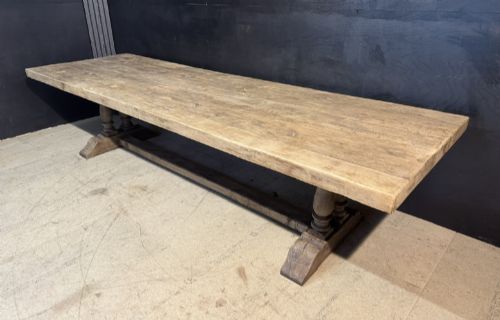
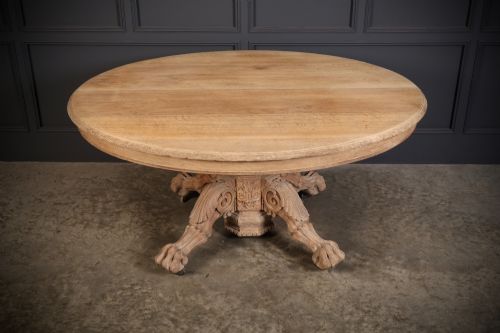
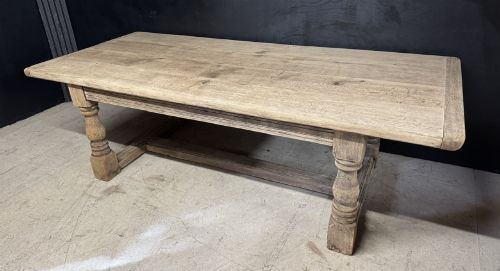
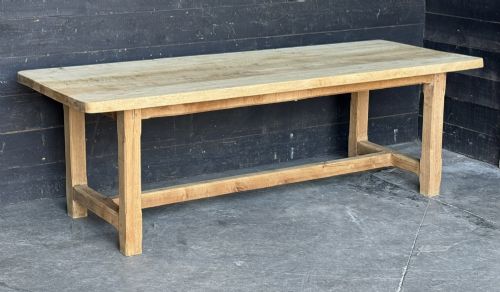
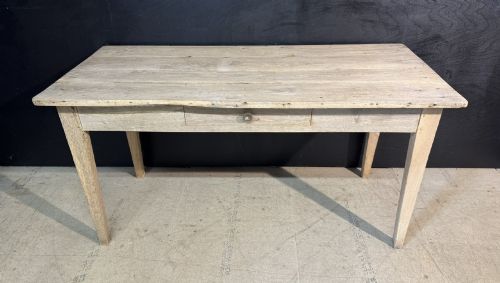
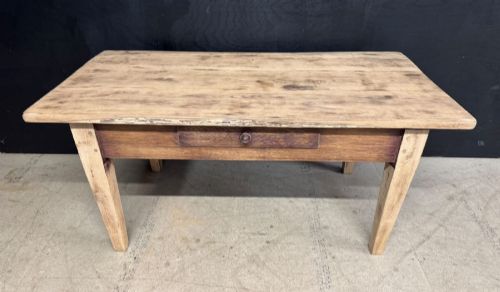
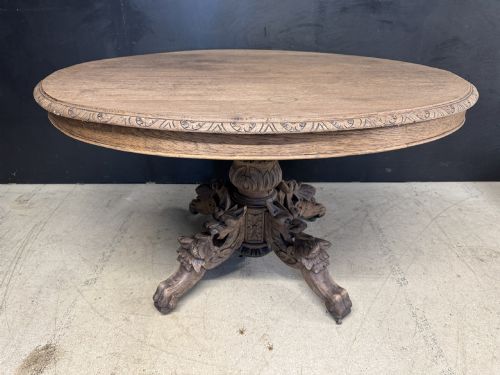
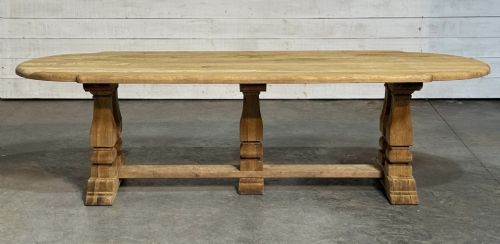
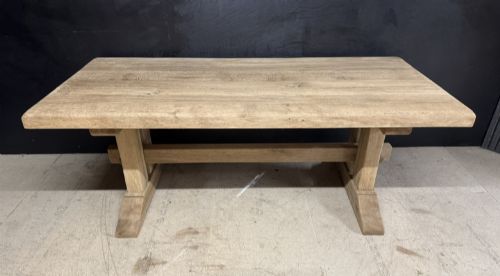
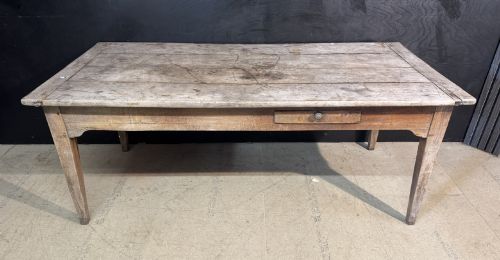
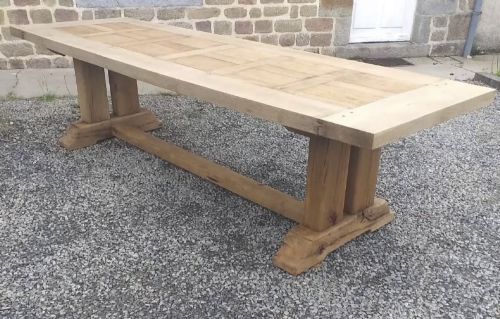
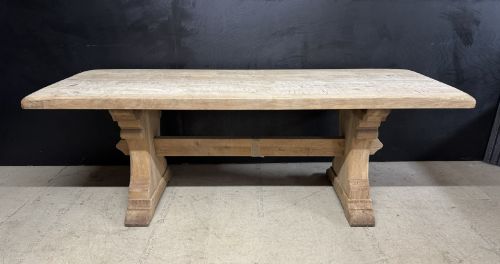
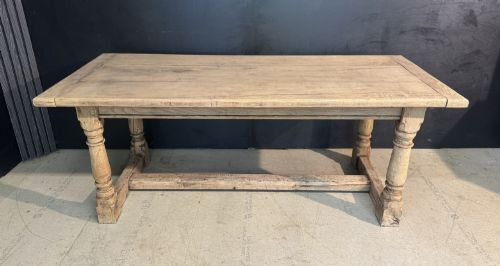
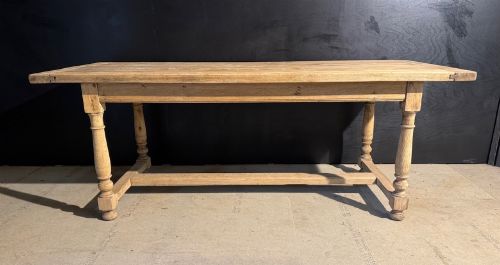
A french bleached oak table combines robust utilitarian construction with a pale, washed finish developed through exposure and treatment. These surfaces originate across various domestic and provincial contexts, spanning large dining formats down to smaller occasional items.
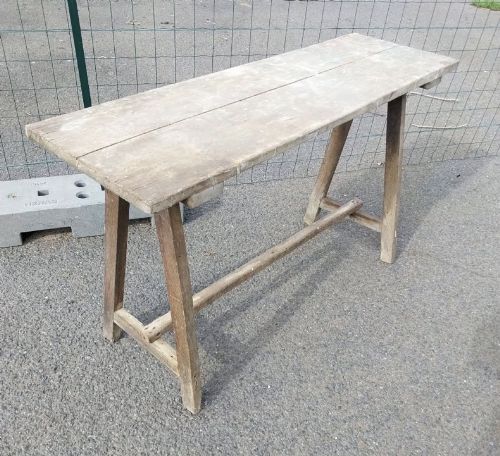
The most common form on this page is the farmhouse dining table, alongside laundry tables, refectory tables, and hunt tables. Dating stretches from the mid nineteenth century through the early twentieth century, taking in styles from rustic farmhouse to neoclassical revival.
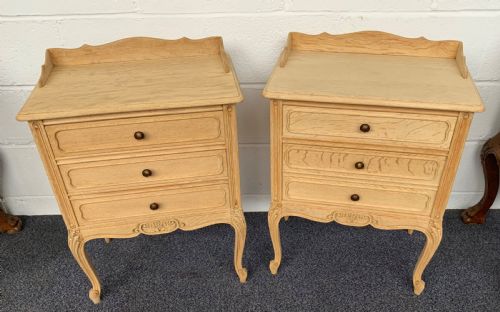
Beyond dining pieces, the selection includes smaller formats such as console tables, coffee tables, and bedside cabinets. Each retains the characteristic pale timber tone derived from oak and pine structures.
Quality and proportion
Quality rests in the balance of proportions, timber density, and the restraint of the bleaching process. Superior examples maintain structural honesty without excessive sanding, retaining the historic texture of the wood.
Scale and utility also define the standing of a piece, from expansive three-metre dining boards down to matched pairs of bedside cabinets. The depth of the colouration and the preservation of original hardware separate standard items from finer provincial work.
French Bleached Oak Table Retail Price Guide 2026
Typical asking prices for french bleached oak table among the pieces listed under this phrase on Sellingantiques today, from the lower quarter to the upper quarter. They describe what is for sale here now, not the wider market.
Some tables carry the deep knife scars and flour dust ghosts of forgotten pastry sessions right beneath the bleached grain.
The French Bleached Oak Table Glossary
- Bleached oak
- Timber treated to lighten its natural dark tone, creating a pale, neutral surface. This finish highlights the underlying grain patterns.
- Farmhouse table
- A large, sturdy wooden table built for heavy domestic use in rural kitchens. It typically incorporates a thick plank top and simple stretcher base.
- Refectory table
- A long dining table traditionally used in monastic dining halls. It is characterised by a narrow proportion and strong central stretchers.
- Drapers table
- A long, counter-height table historically used for displaying textiles. These pieces often feature shallow drawers or open lower framing.
French Bleached Oak Table: Frequently Asked Questions
How do I clean a bleached oak table?
Wipe the surface with a slightly damp cloth and dry it immediately to preserve the pale finish. Avoid harsh chemical cleaners that strip the treated grain.
Use coasters and mats to protect the wood from moisture rings and heat marks during everyday use.
Are these tables suitable for daily dining?
These tables were built for heavy domestic service and easily handle regular family meals. The solid timber construction offers lasting stability.
Applying a protective wax or seal helps guard against spills while maintaining the natural matte appearance.
What is the difference between a farmhouse and a refectory table?
Farmhouse tables generally feature thicker plank tops and traditional four-leg frames suited to rural kitchens. Refectory tables are narrower and longer, designed around central trestles or sturdy stretchers.
Both forms utilise solid oak and pine timbers shaped by nineteenth and early twentieth century provincial joiners.
How do I date an antique oak table?
Examine the joinery methods, tool marks, and timber shrinkage to estimate the period of manufacture. Nineteenth and early twentieth century pieces show hand-cut pegging and natural wear patterns.
Check for secondary woods like pine and the style of any integrated drawers to narrow down the decade.