


French Baroque Oil Paintings
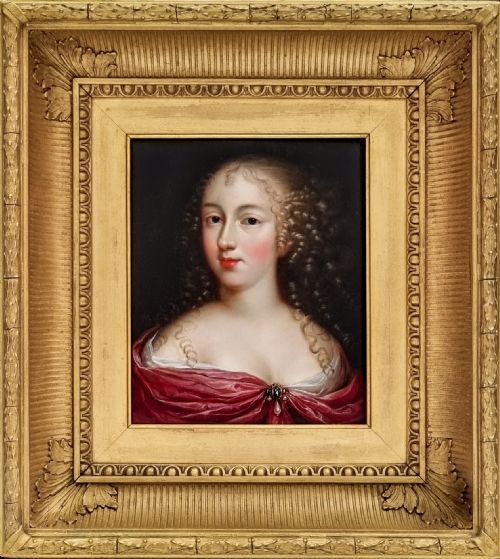
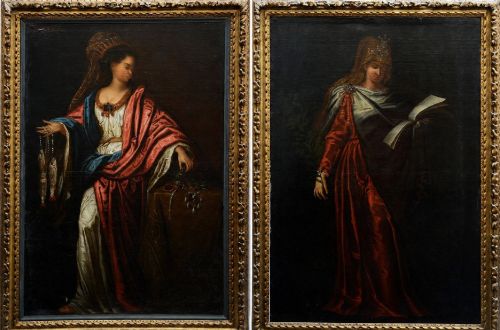
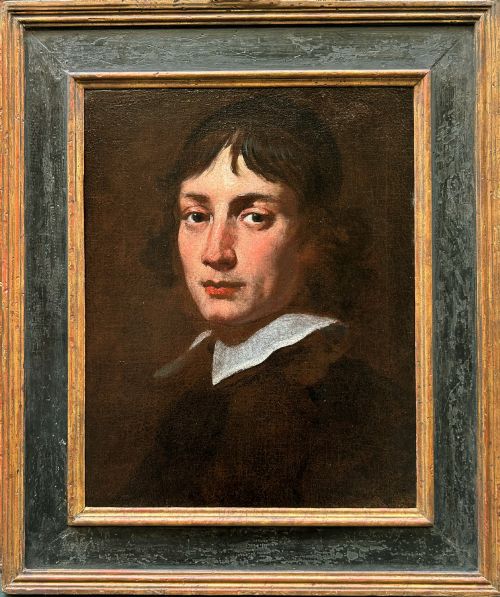
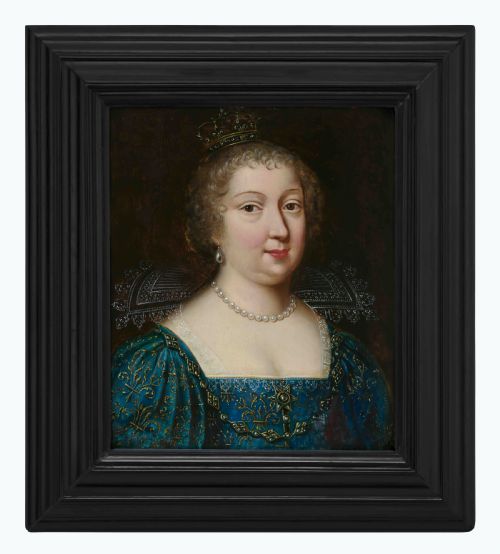
French baroque oil paintings capture dramatic seventeenth and eighteenth-century portraiture and classical subjects set within heavy giltwood frames.
French Baroque Oil Paintings
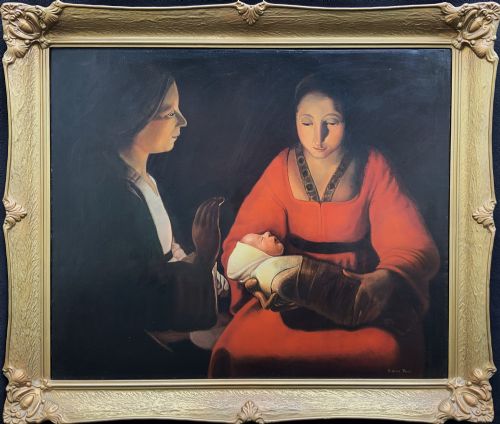
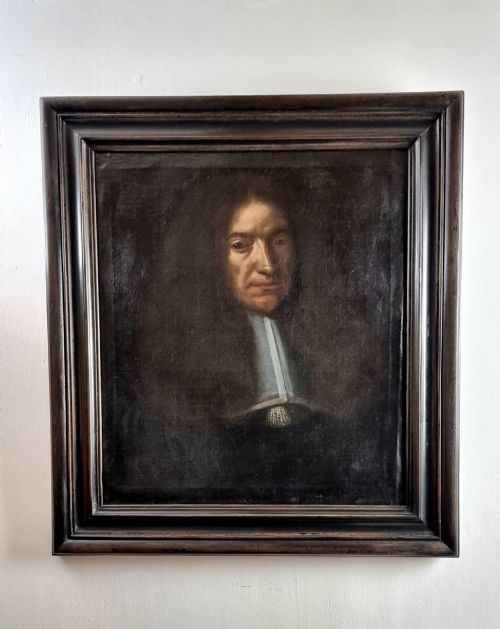
French baroque oil paintings include seventeenth-century and eighteenth-century portraits, classical compositions, and religious scenes associated with the French School. Buyers seeking french baroque oil paintings will find works attributed to circles of prominent portraitists as well as later revival pieces.
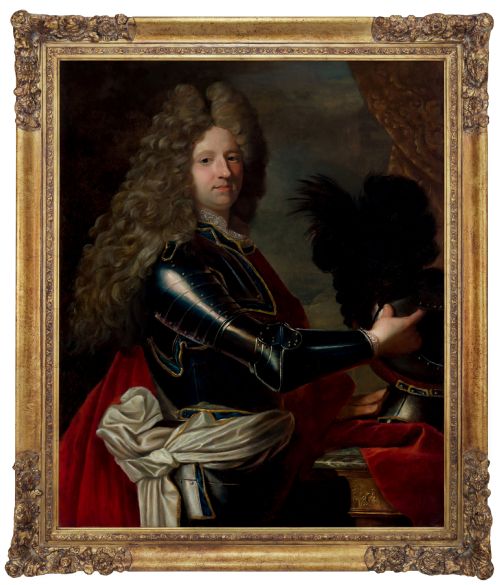
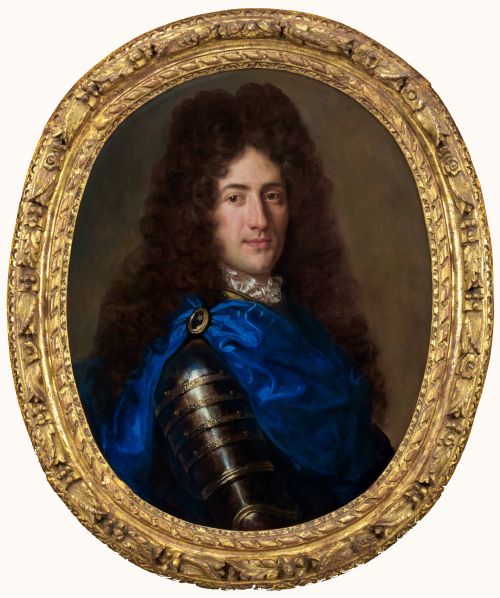
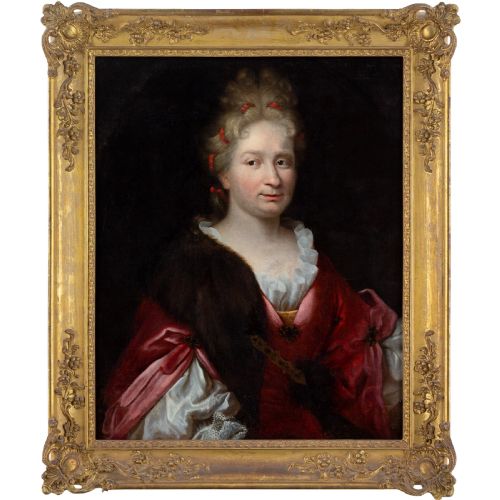
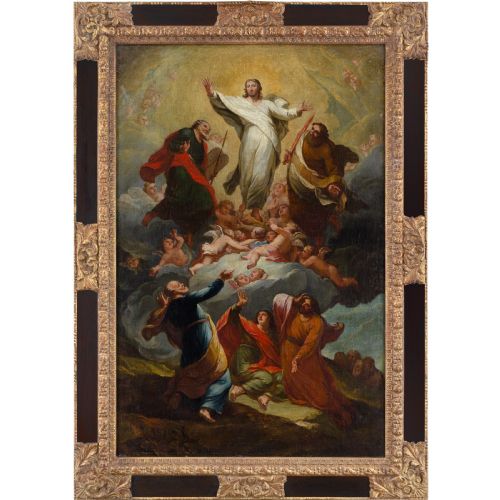
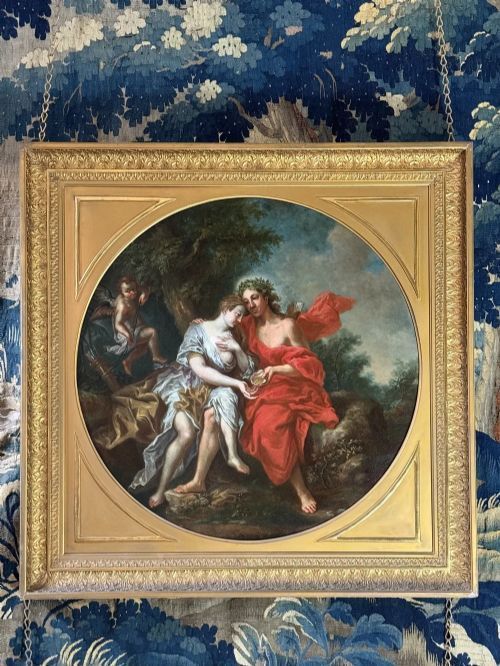
Subjects range from regal figures and nobility in armour to mythological pairs and cherubs executed on canvas or wood panels. Many canvases retain their period picture frames constructed from gilded wood.
The selection reflects both the seventeenth-century grandeur under royal patronage and the subsequent eighteenth-century shifts towards lighter rococo aesthetics. Works span from direct period examples to later twentieth-century interpretations after traditional masters.
How they were made
These works utilise oil paint applied to prepared canvas supports or wood panels using traditional layering techniques. Pigments capture subtle drapery textures, flesh tones, and metallic details such as diamond clasps.
Surrounding picture frames employ giltwood construction, utilising applied gold leaf or gilding over carved wood bases to produce reflective ornamental borders. The craftsmanship combines fine art painting with elaborate frame carpentry.
The listings feature oil on canvas and wood panel paintings spanning the sixteenth to the twentieth centuries.
What varies in quality
Quality differentiates works created by named artists or their immediate studio circles from pieces produced by later followers or copyists. Direct association with documented portraitists elevates the significance of a canvas.
The sophistication of brushwork in facial expressions, fabric folds, and armour detailing distinguishes superior execution. Condition of the underlying canvas and the preservation of original giltwood frames also influence the character of each piece.
Pierre Mignard·Joseph Vivienne·Nicolas Fouch·Hyacinthe Rigaud·Nicolas De Largillire·Louis De Silvestre·Jean-Baptiste Santerre
The French Baroque Oil Paintings Glossary
- Oil on canvas
- A painting medium where pigments bound in oil are applied to a woven fabric support stretched over a wooden frame. This method became standard for large-scale European portraiture.
- Giltwood
- Wood that has been coated with gold leaf or gold paint for decorative effect. It forms the primary material for ornate European picture frames of the period.
- Circle of
- A designation indicating an artist worked in the studio or under the direct influence of a master. It denotes proximity to a known historical painter without confirming direct attribution.
- Ex-voto
- A religious painting offered as a vow or token of thanksgiving, often depicting divine figures alongside mortal patrons. These works frequently record specific devotional acts.
French Baroque Oil Paintings: Frequently Asked Questions
How do I identify a period frame?
Period frames often display hand-carved wooden ornament finished with gold leaf rather than modern cast composition materials. Close inspection of the corner joints and backing reveals age-related construction methods.
Matching the frame style to the approximate date of the canvas helps confirm whether the pairing is original. Many seventeenth-century portraits retain contemporaneous giltwood surrounds.
What is a studio or circle attribution?
Paintings attributed to the circle or studio of an artist were produced by practitioners working closely under that master's supervision. These pieces share stylistic traits with the primary artist.
Such works offer insight into the broader workshop output during periods when royal portraiture was in high demand. They represent documented artistic environments of the era.
How should I care for an oil on panel painting?
Panel paintings require stable indoor humidity and temperature to prevent the wood from warping or splitting over time. Avoid placing them near direct heat sources or in areas with fluctuating moisture.
Dusting should be performed gently with a dry, soft brush without applying cleaning solutions to the paint surface. Professional conservation is recommended for any structural repairs.
What distinguishes baroque from rococo elements?
Baroque art emphasises theatrical drama, deep shadows, and monumental subjects designed to convey authority and grandeur. Portraits from this phase feature rich dark backgrounds and imposing garments.
Rococo aesthetics introduce lighter palettes, playful motifs like cherubs, and asymmetrical decorative flourishes. Both styles appear across French painting traditions represented in this selection.