





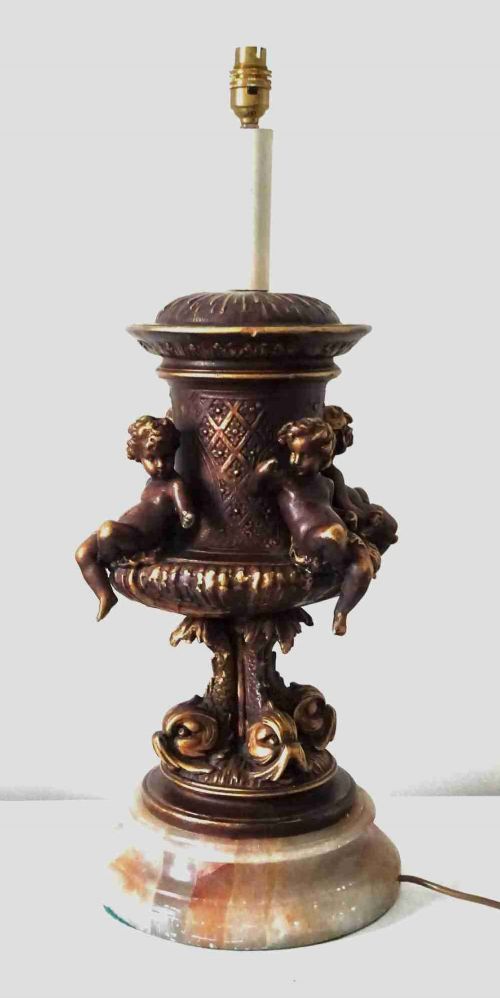


French Baroque Cherub
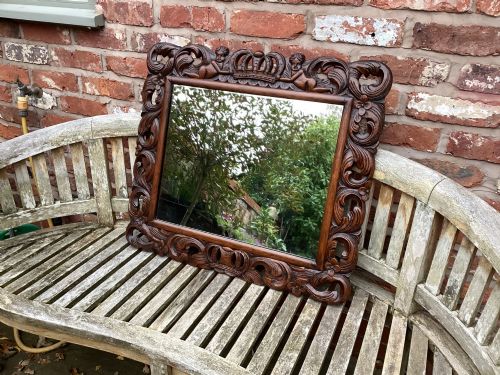
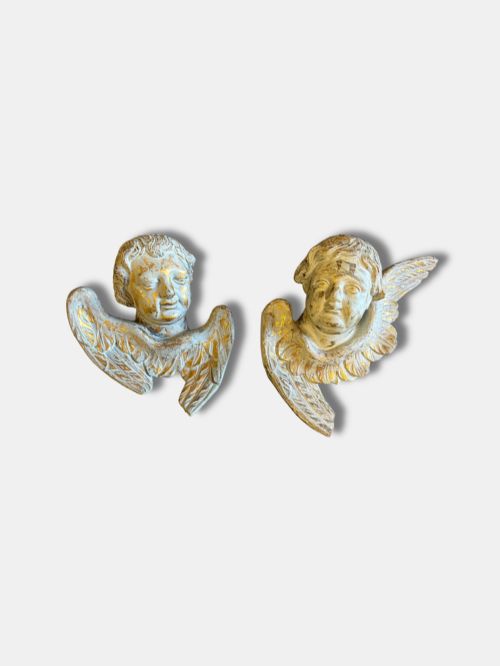
These french baroque cherub figures and furnishings bring expressive carved detail and gilded surface to any interior.
French Baroque Cherub
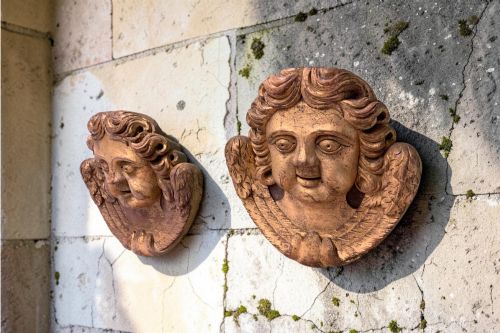
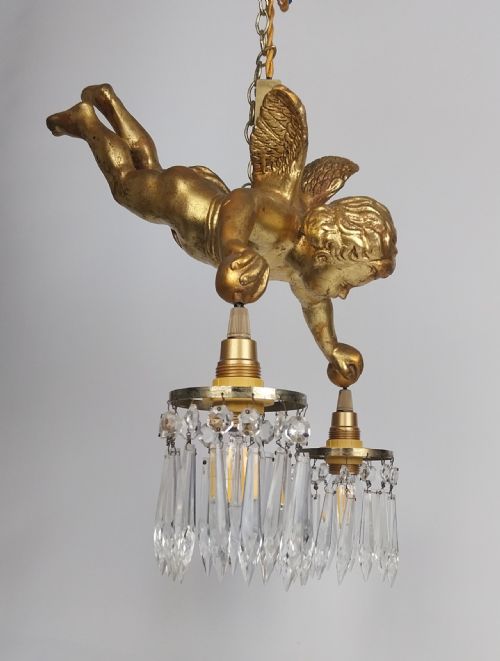
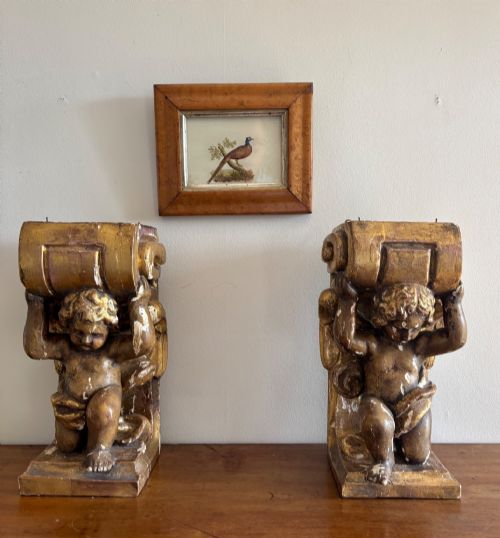
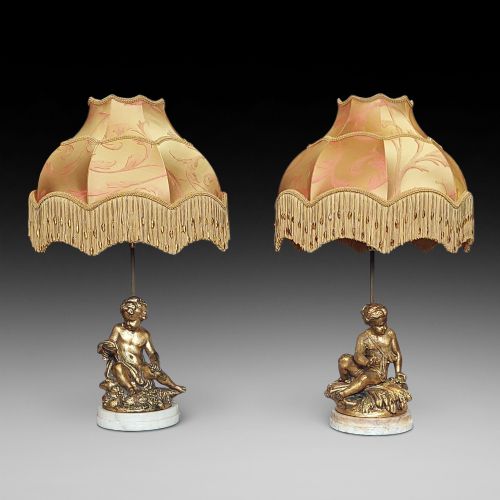
When you search for french baroque cherub, you encounter sculpted representations of putti and winged figures spanning from the seventeenth century through to the early twentieth century. The selection ranges from architectural salvage and wall sconces to ceiling lights, table lamps, and console tables.
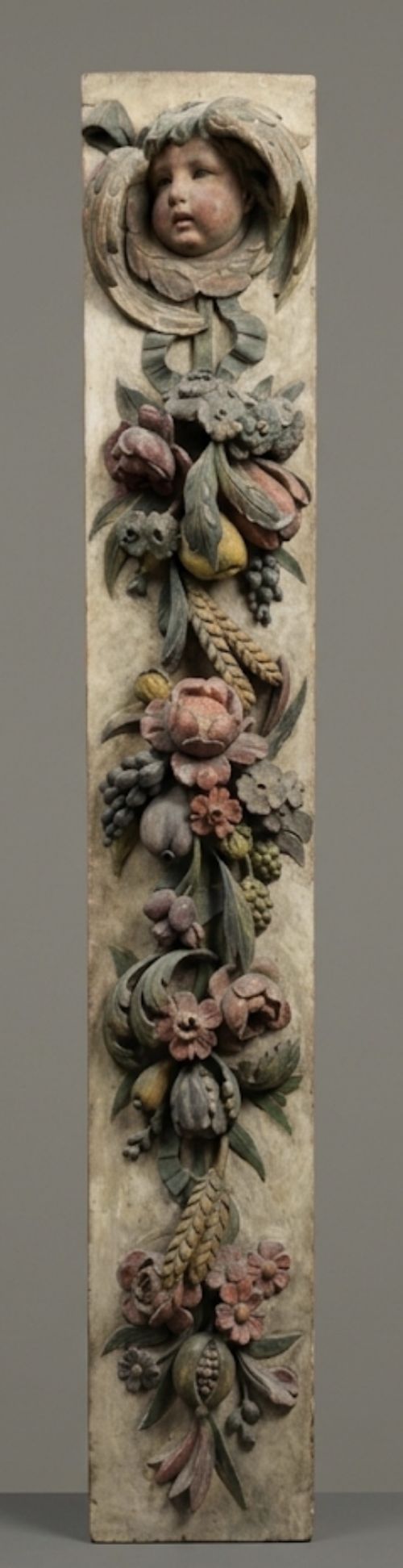
You are most likely to meet nineteenth-century interpretations and revivals, including giltwood wall brackets, carved wooden panels, and ormolu fire dogs. These decorative elements reflect the enduring influence of Louis XIV design and ecclesiastical ornamentation.
Materials and techniques
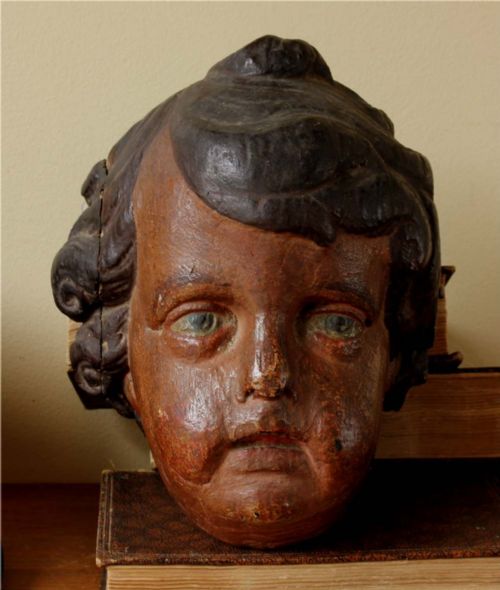
Woodcarving forms a central pillar of production, utilising limewood and other timbers shaped into relief carvings, panels, and three-dimensional figures. These wooden surfaces frequently receive applications of gesso, polychrome paint, or gold leaf.
Cast metal techniques provide alternative executions in gilt brass, bronze, and ormolu. Artisans combined metal casting with chasing and gilding to create functional items such as chenets, lamps, and wall sconces.
French Baroque Cherub Retail Price Guide 2026
Typical asking prices for french baroque cherub among the pieces listed under this phrase on Sellingantiques today, from the lower quarter to the upper quarter. They describe what is for sale here now, not the wider market.
One persistent cherub even shares its mounting with a carved dolphin.
Assessing quality and execution
The distinction between tiers rests upon the anatomical precision of the carving or casting and the depth of the detailing. Master carvers and metalworkers achieved subtle facial expressions and naturalistic drapery folds that lesser workshops missed.
The application of the surface finish also dictates grade. Hand-applied gold leaf and carefully layered polychrome show distinct ageing and warmth compared to flat, mechanical metallic coatings.
The French Baroque Cherub Glossary
- Putto
- A figure of a small chubby child, frequently winged, common in classical and baroque art. These representations appear across wooden carvings, paintings, and metalwork.
- Giltwood
- Timber that has been coated with a thin layer of gold leaf or gold paint. This technique protects the underlying wood while providing a reflective surface.
- Ormolu
- Finely ground high-carat gold applied to a bronze or brass object using a mercury amalgamation process. The technique produces a rich, durable golden sheen.
- Chenet
- An alternative term for a fire dog used to support logs in an open hearth. These metal accessories often incorporate figural mounts like putti.
- Gesso
- A plaster mixture used as a smooth base for paint or gold leaf on wood surfaces. It allows artisans to build up crisp decorative relief details before gilding.
French Baroque Cherub: Frequently Asked Questions
What is a french baroque cherub?
A french baroque cherub refers to sculpted or painted depictions of winged child figures created in the opulent style of the seventeenth and eighteenth centuries, or later revivals.
These pieces encompass architectural fragments, lighting fixtures, and decorative furnishings designed to enhance grand interiors.
How were these figures used originally?
These pieces served as architectural embellishments on church altars, over-door panels, and domestic wall brackets. Many provided functional illumination as sconces, chandeliers, and lamps.
Others formed part of hearth furniture, decorating fire dogs and andirons within formal reception rooms.
How do I live with these pieces?
Integrating these items into a modern interior involves treating them as focal points on plain walls or mantelpieces. Their carved wooden or gilded metal surfaces contrast effectively against neutral backgrounds.
Care should be taken to place them away from direct heat sources to protect ancient wood and delicate leaf finishes.
How can I tell periods apart?
Earlier seventeenth-century examples display deep, vigorous hand-carving in limewood with traditional polychrome or early gilding methods. Nineteenth-century revivals often adopt harder woods and mechanical casting techniques for metal mounts.
Twentieth-century pieces frequently combine older stylistic vocabularies with electric wiring modifications for lamps and chandeliers.