





French Automaton
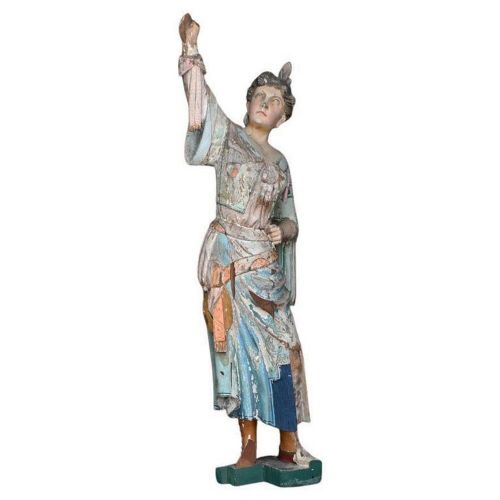
These french automaton pieces bring mechanical theatre into the room, driven by brass, wood, and clockwork.
French Automaton
A french automaton combines mechanical movement with decorative arts, taking the form of mantel clocks, wall clocks, and figures. Buyers find a mix of 18th Century and 19th Century works, alongside Victorian examples and later 1950s pieces.
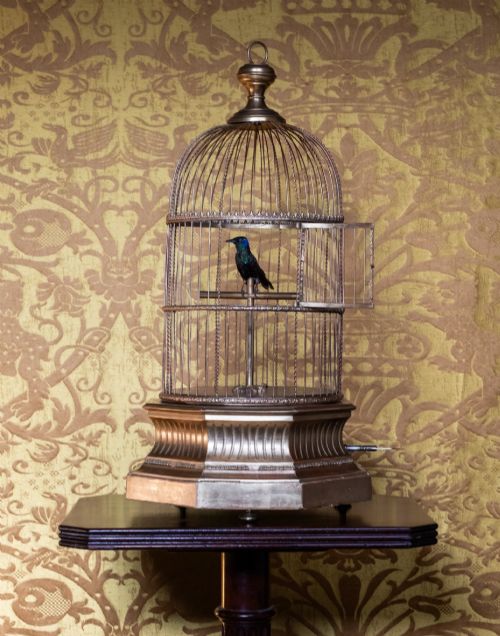
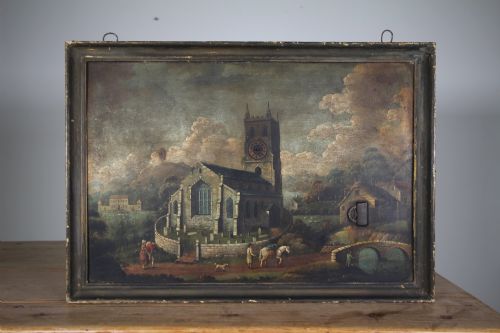
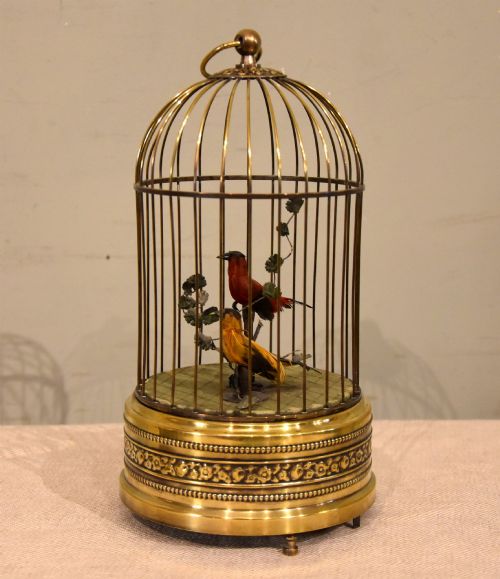
The objects span practical timekeepers with animated elements, such as automaton clock pictures and lighthouse clocks, to sculptural mechanical toys. Ormolu windmills, singing birds in cages, and animated figures represent the core of what appears on this page.
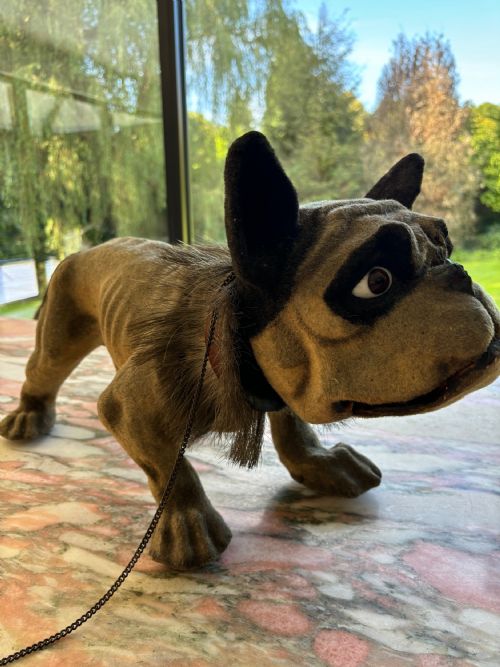
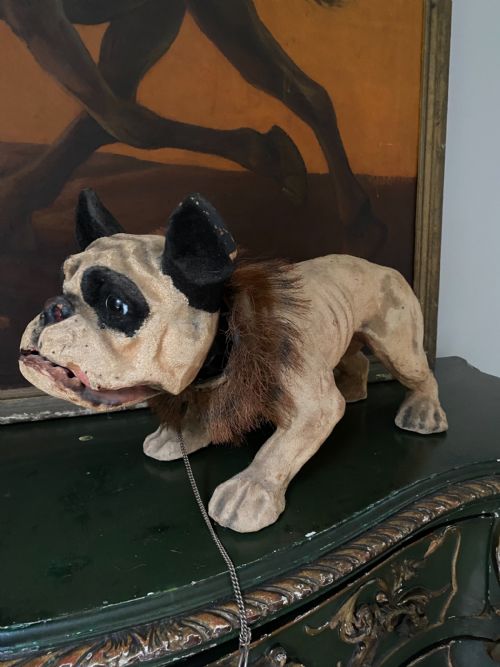
Origins stretch from French industrial workshops to folk art traditions, incorporating walnut and papier-mache alongside painted tin scenes. Each piece relies on hidden clockwork or mechanical linkages to create motion like moving waterwheels or growing dogs.
Materials and Construction
Maker workshops built the internal mechanics using brass gears and metal components, housed within wooden cases, slate bases, or papier-mache structures. Surfaces often feature oil paint finishes, or ornate ormolu mounts paired with porcelain figures.
Complex movements drive the visual display, whether powering a beam engine clock or animating singing birds inside a brass cage. Artisans combined traditional clockmaking with specialised automata mechanisms to achieve reliable movement.
French Automaton Retail Price Guide 2026
Typical asking prices for french automaton among the pieces listed under this phrase on Sellingantiques today, from the lower quarter to the upper quarter. They describe what is for sale here now, not the wider market.
Judging Quality
Finer examples demonstrate complex mechanical synchronisation, where movements like striking clocks or animated figures operate smoothly without binding. The sophistication of the engineering, from industrial beam engines to singing bird mechanisms, dictates the standing of the piece.
Materials and artistic execution also set pieces apart, distinguishing refined ormolu and painted tin panels from simpler folk art constructions. Original housings in wood, brass, or papier-mache maintain greater integrity when patination and structure remain undisturbed.
Odo·Roullet Decamp·Andre Guilmet
The French Automaton Glossary
- Automaton
- A mechanical device made to imitate a human or animal action, or to operate autonomous moving scenes.
- Ormolu
- Gilded bronze or brass used for decorative mounts on clocks and furniture, common in 18th Century and 19th Century decorative objects.
- Papier-mache
- A composite material consisting of paper pieces or pulp mixed with glue, moulded into forms for figures and clock cases before painting.
- Clock Picture
- A framed painting on canvas or tin featuring mechanical elements like moving clock hands or rotating waterwheels.
French Automaton: Frequently Asked Questions
What powers a french automaton?
These pieces rely on internal mechanical clockwork, weights, or springs hidden within the housing to drive the movement.
Gear trains and linkages transfer this stored energy to animate the figures, clock hands, or miniature machinery.
How do I care for mechanical movements?
Keep the mechanism clean and free from dust by placing the object in a stable environment away from direct heat and moisture.
Avoid forcing the winding mechanism beyond its natural stop to protect the historical brass gears and springs.
Are all automaton pieces clocks?
While many examples incorporate timekeeping functions such as mantel clocks or wall clocks, several are purely mechanical figures or animated toys.
Works like singing bird cages or sculptural figures operate independently of timekeeping dials.
How do I identify the period?
Dating relies on materials like papier-mache, slate, and ormolu, alongside the specific style of the clockwork and housing.
Victorian and 18th Century examples display distinct construction techniques and artistic motifs characteristic of their era.