




French Art Glass Figurine
A french art glass figurine brings tactile weight and luminous contour to a room, holding the spirit of twentieth-century design.
French Art Glass Figurine
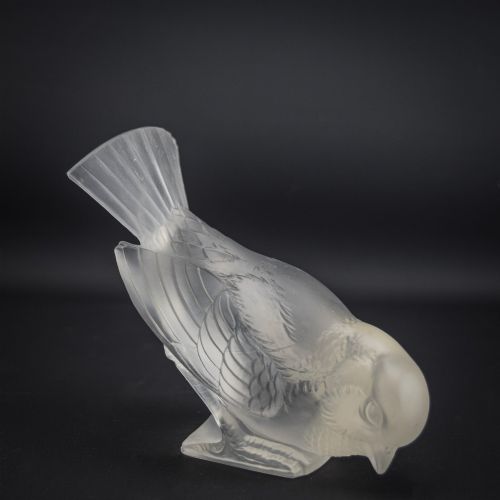
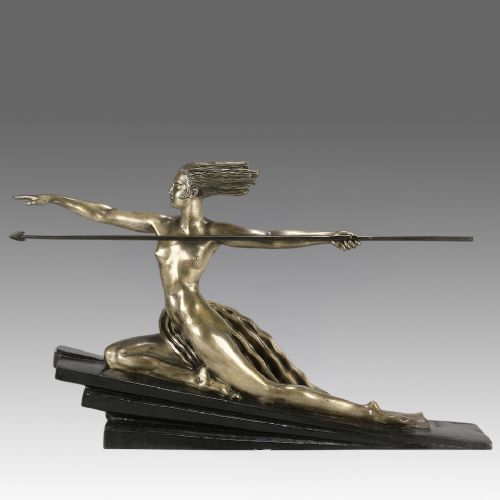
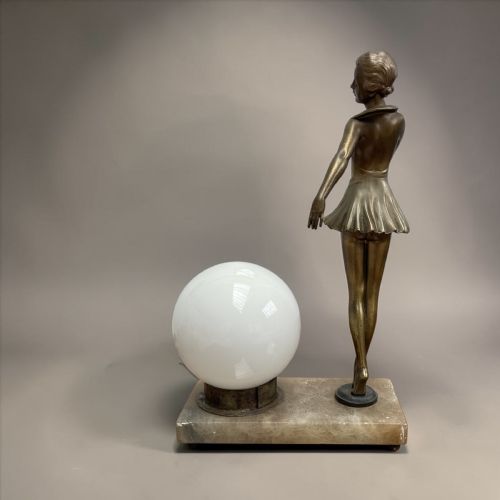
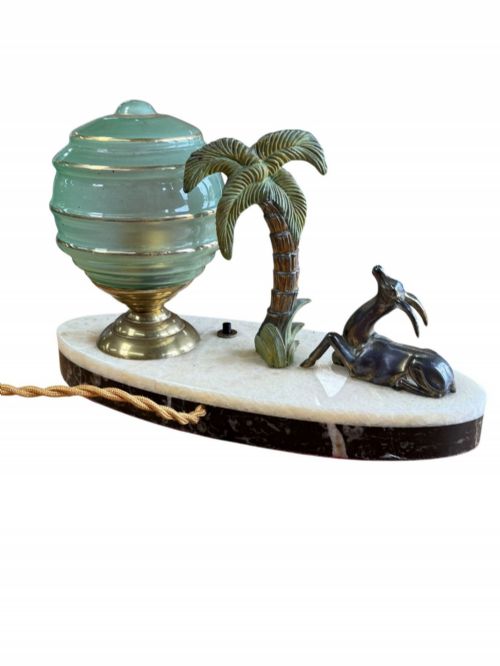
A french art glass figurine takes many forms across the collection, ranging from independent sculptures and paperweights to car mascots, night lights, and table lamps. These pieces sit alongside mixed-media works pairing glass bodies with marble bases, spelter, or bronze mounts.
The objects span multiple decades and aesthetic movements, encompassing delicate early twentieth-century creations, bold nineteen-thirties geometry, and occasional eighteenth-century devotional shadow boxes containing Nevers glass figures. Most examples encountered here align with the Art Deco and Art Nouveau periods, showcasing stylized animals, dancers, and classical motifs.
Materials and construction methods
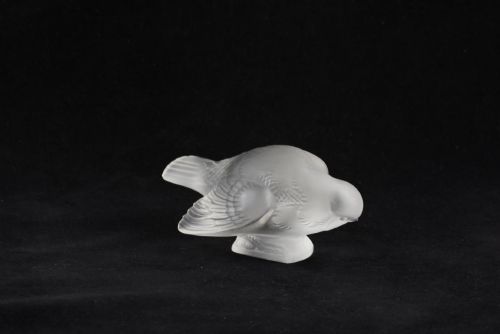
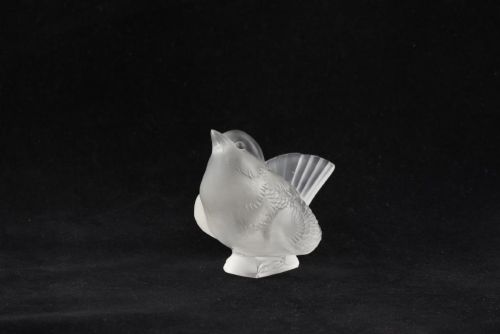
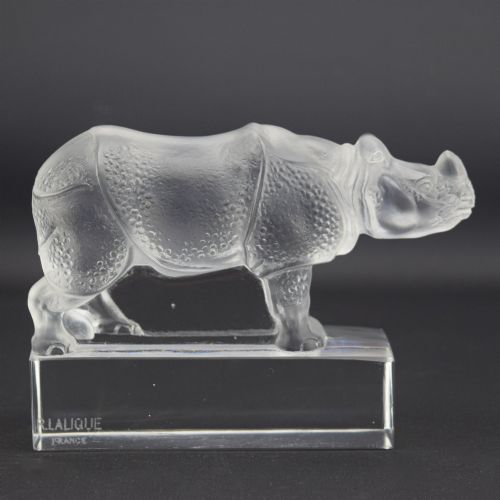
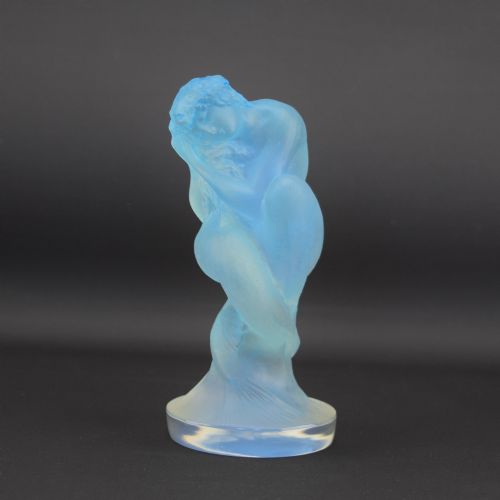
Makers utilised diverse glass techniques, including moulding, frosting, and opalescence, sometimes enhancing details with blue stain or topaz colouration. Transparent clear glass appears alongside dense frosted surfaces that catch and diffuse light across the contours of the subject.
Many sculptures incorporate mixed media, mounting glass figures onto sturdy marble bases or combining them with cast metal elements such as bronze and spelter. These supportive bases provide stability and contrast for the luminous glass components above.
French Art Glass Figurine Retail Price Guide 2026
Typical asking prices for french art glass figurine among the pieces listed under this phrase on Sellingantiques today, from the lower quarter to the upper quarter. They describe what is for sale here now, not the wider market.
A stoic rhinoceros shares shelf space with a startled sparrow, proving that early twentieth-century desk accessories possessed a remarkable sense of humour.
Distinctions in execution and design
Quality rests in the crispness of the moulding and the subtlety of the glass finish, whether through deep opalescence, controlled staining, or uniform frosting. Superior works exhibit precise detailing in feathered plumage, animal anatomy, or human drapery.
The integration between glass and secondary materials like bronze, spelter, or marble also defines the standard of an item. Balanced proportions and secure mounting demonstrate careful assembly by skilled workshops.
Rene Lalique·Marius Ernest Sabino·Lucille Sevin·Etling
The French Art Glass Figurine Glossary
- Opalescent Glass
- Glass containing chemical additives that cause it to appear milky with a bluish or yellowish glow depending on the light. This optical property creates shifting tones across sculptural surfaces.
- Car Mascot
- A sculptural ornament mounted on the radiator cap of a motor car during the early twentieth century. Many glass mascots doubling as paperweights were produced in large numbers for this purpose.
- Spelter
- An alloy of zinc and other metals cast into figures and patinated to resemble bronze. It provides a more affordable metallic alternative frequently found on period lamp and night light bases.
- Shadow Box
- A shallow glass-fronted display case holding small arranged objects. Eighteenth-century examples house delicate Nevers glass figures in devotional arrangements.
- Frosted Glass
- Glass rendered opaque through acid-etching or sandblasting to diffuse light and soften contours. This finish highlights sculptural relief by creating matte shadows.
French Art Glass Figurine: Frequently Asked Questions
What is a car mascot?
A car mascot is a sculptural ornament originally fitted to the radiator cap of a motor vehicle during the early decades of the twentieth century.
Many glass examples dual-functioned as desk paperweights once removed from motor vehicles or produced specifically for stationary display.
How do I care for frosted glass?
Frosted glass benefits from gentle cleaning with warm water and a mild detergent, avoiding harsh abrasives that can alter the matte finish.
Care should be taken around mounted elements like marble bases or bronze attachments to prevent moisture accumulation in crevices.
What is opalescent glass?
Opalescent glass contains ingredients that scatter light, producing a milky appearance with bluish or warm highlights.
When backlit, these pieces shift in tone, emphasising the moulded relief of animal and human figures.
How were night lights used?
Night lights served as low-level illumination sources in bedrooms or hallways during the early twentieth century.
They typically combined a lit base of bronze or spelter with glass shades or accompanying sculptural figures.