

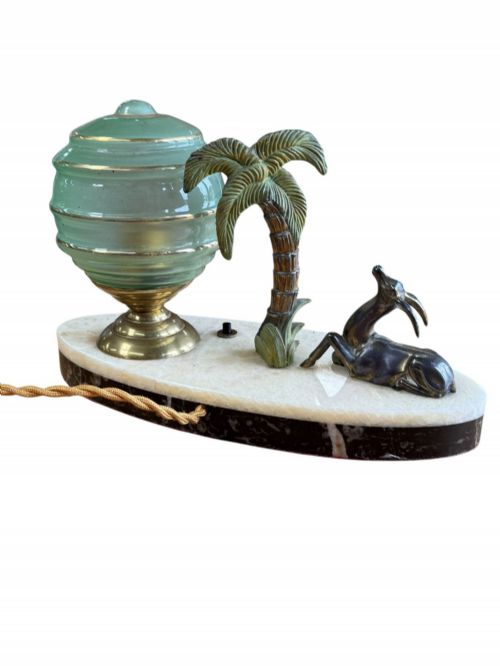


French Art Deco Table Lamp
A french art deco table lamp brings sculptural form and warm illumination into a room, combining modernist geometry with artisanal glass or metal.
French Art Deco Table Lamp
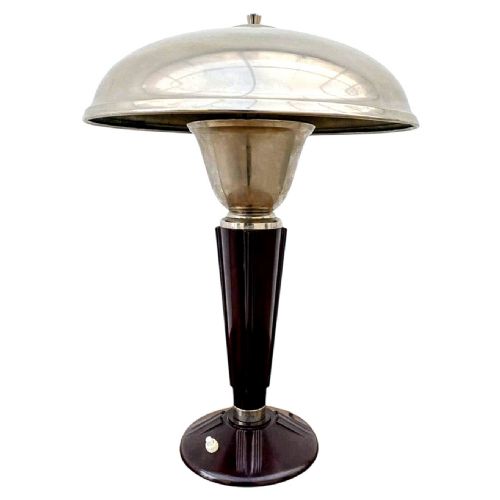
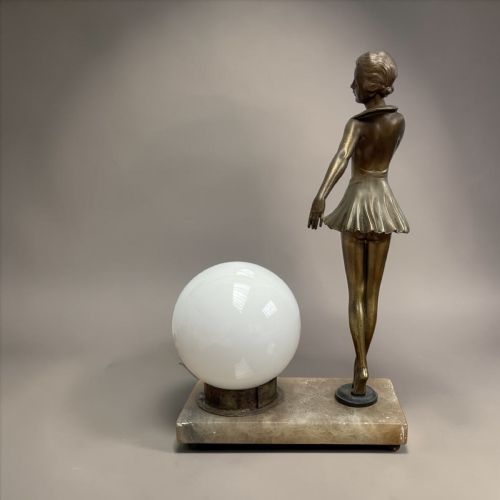
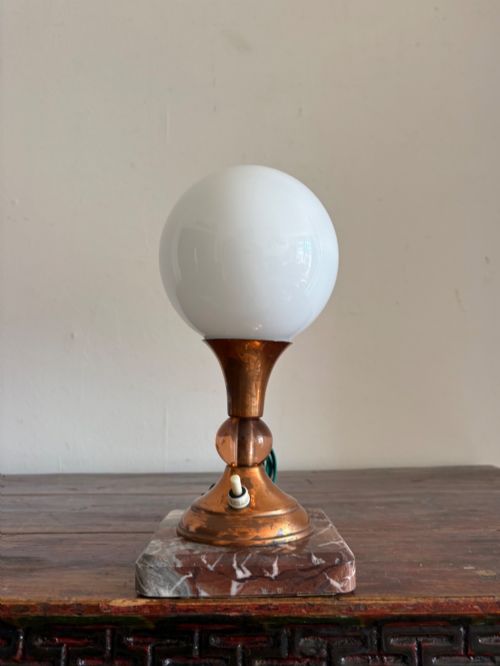
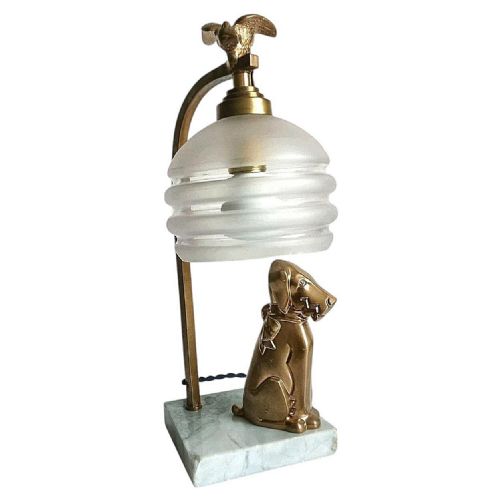
When you search for a french art deco table lamp, you encounter lighting designed during the 1920s and 1930s that prioritises geometric lines, stylised figures, and industrial metals. The most common examples combine heavy marble bases with frosted glass shades or metalwork depicting animals, human figures, and abstract motifs.
These pieces often integrate functional utility with decorative presence, appearing as adjustable desk lamps, figural mood lights, or uplighters. Surviving items demonstrate the period's shift away from heavy nineteenth-century ornamentation toward streamlined silhouettes and innovative materials.
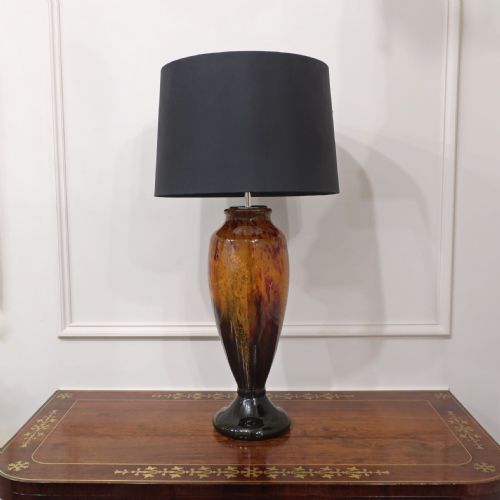
Makers utilised both mass production and bespoke studio techniques, resulting in objects that range from simple commercial desk lights to monumental signed art glass pieces. The variety on this page reflects the full scope of domestic lighting produced in France across the interwar decades.
Materials and Construction
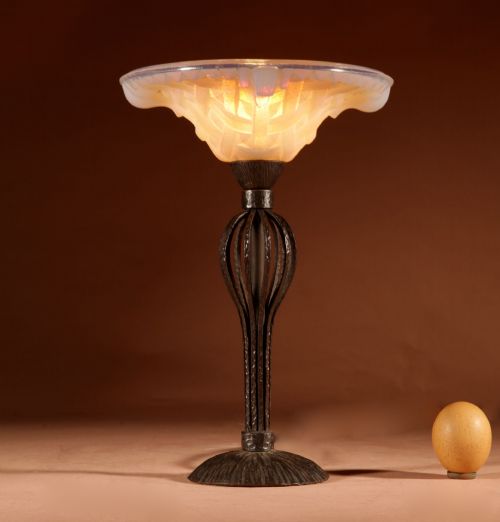
Glass forms a central component of these lamps, utilising techniques such as acid etching, moulding, and layering to create opalescent, frosted, or enamelled finishes. Workshops paired these vibrant shades with robust structural elements cast from bronze, brass, spelter, or forged iron.
Bases frequently incorporate contrasting natural materials like veined marble and onyx to provide stability and visual weight. Metal components often received industrial platings of chrome or nickel, while early plastics like bakelite appeared on switchgear and desk lamp bodies.
Several dogs and parrots keep watch over these tables, frozen mid-bark in spelter and wrought iron.
Distinctions in Quality
Quality rests upon the execution of the shade and the integrity of the base. Works featuring heavy, hand-finished glass by recognised glasshouses display depth of colour and crisp moulding that lesser commercial presses fail to achieve.
Eileen Grey·Charles Schneider·Lalique·Daum·Muller Bros·Degue·Baccarat·Argilor Paris·Pirouette·Majorelle·Marcel Andre Bouraine·L. Bryrs·Jumo
The French Art Deco Table Lamp Glossary
- Spelter
- A zinc alloy commonly utilised as a substitute for bronze in interwar figural castings. It is usually painted or patinated to resemble heavier metals.
- Uplighter
- A lighting configuration designed to direct illumination upwards toward the ceiling rather than down onto a surface. This form gained popularity during the interwar period for ambient room lighting.
- Bakelite
- An early synthetic thermosetting plastic frequently employed for desk lamp bodies and electrical components during the 1930s. It offers a dense, smooth finish characteristic of modernist design.
- Opalescent glass
- Glass containing mineral additives that create a milky, semi-translucent appearance with shifting tones of blue or orange when lit. It was a signature medium for interwar French glassmakers.
- Veilleuse
- A small night light or low-wattage bedside lamp designed to burn softly through the night. These items frequently feature figural or animal subjects.
French Art Deco Table Lamp: Frequently Asked Questions
How do I identify a genuine period lamp?
Examine the materials and construction methods, as interwar pieces typically feature heavy cast metals, authentic marble bases, and period-specific glass rather than modern synthetic resins. Look for maker signatures etched into the glass or stamped into the metalwork.
Check the wiring compartments and internal fittings for age-appropriate components, though many lamps have been safely rewired for modern use.
Where were these lamps used in the home?
These pieces served multiple domestic functions, from task lighting on office desks to ambient illumination on side tables and sideboards. Figural lamps often acted as decorative centrepieces in salons and hallways.
Smaller veilleuses were specifically designed for bedrooms as gentle night lights, while adjustable swing-arm models catered to reading areas.
How do I care for marble and glass?
Clean glass shades gently with a soft, dry cloth or mild soapy water, avoiding harsh chemical abrasives that can damage acid-etched surfaces. Marble bases require simple dusting and immediate wiping of any liquid spills to prevent staining.
Protect the natural stone from acidic substances and avoid placing heavy objects on delicate parts of the metal armature.
What is the difference between a desk lamp and a mood lamp?
Desk lamps usually incorporate adjustable arms, functional shades, and switches built for task-oriented work spaces. They prioritise directional light control over decorative effect.
Mood lamps focus on sculptural silhouettes, figural subjects, or glowing glass bodies designed to cast a soft, ambient glow across a room.