
French Arm Chairs
When you search for french arm chairs, you encounter seating designed for formal salons and relaxed interiors alike, spanning centuries of continental cabinetmaking.
French Arm Chairs
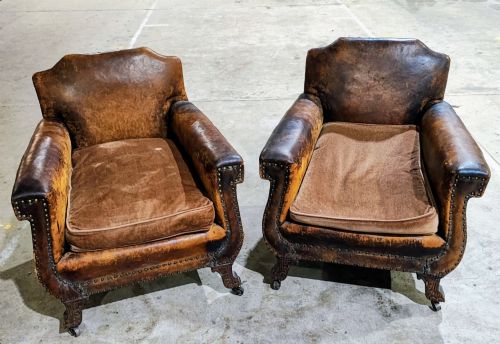
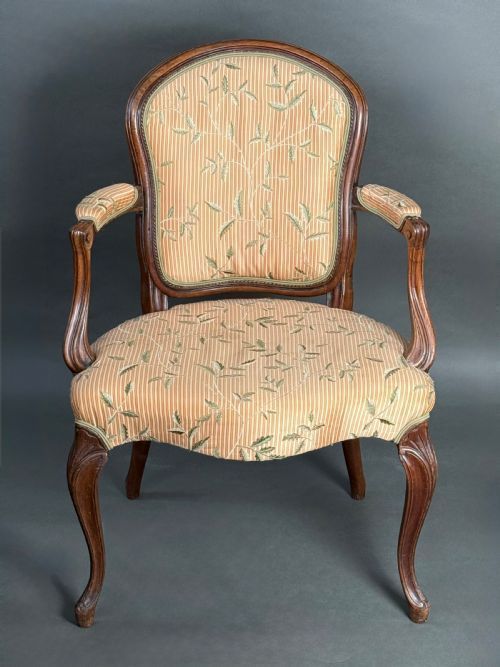
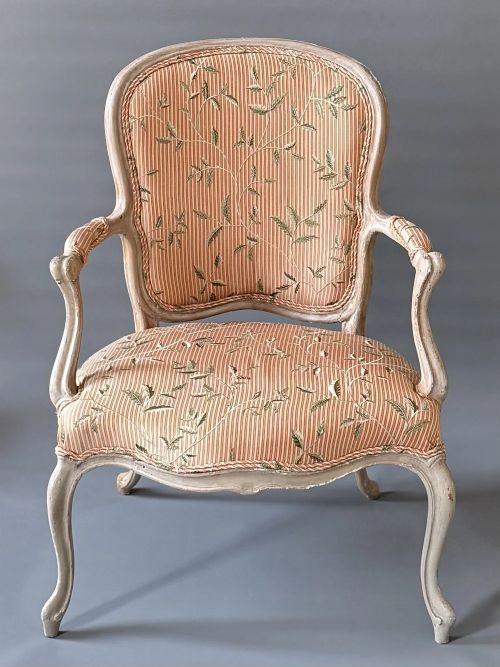
The category of french arm chairs encompasses open-framed fauteuils, enclosed bergères, and low-slung club seats originating from various European design movements. Pieces here range from eighteenth-century walnut frames to nineteenth-century revival styles and twentieth-century interpretations.
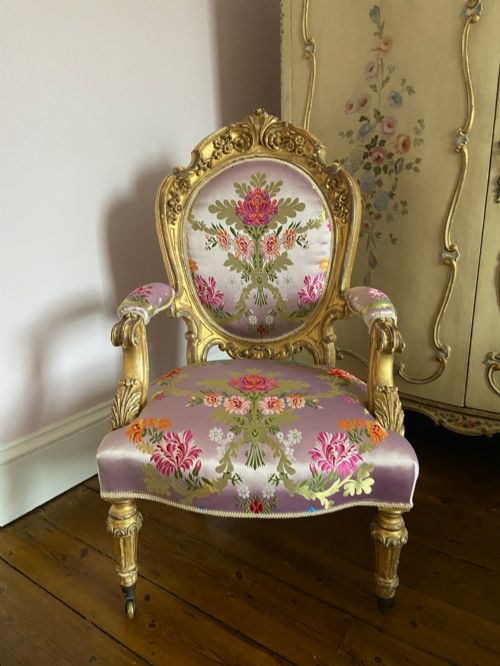
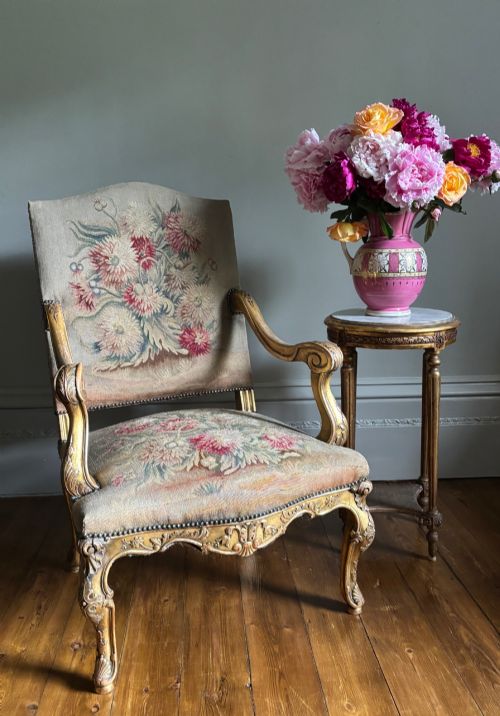
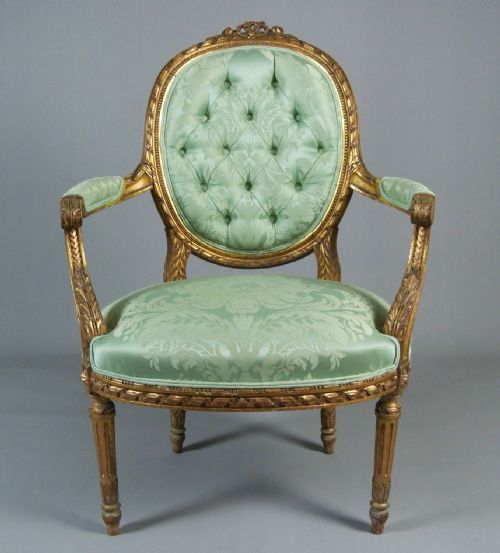
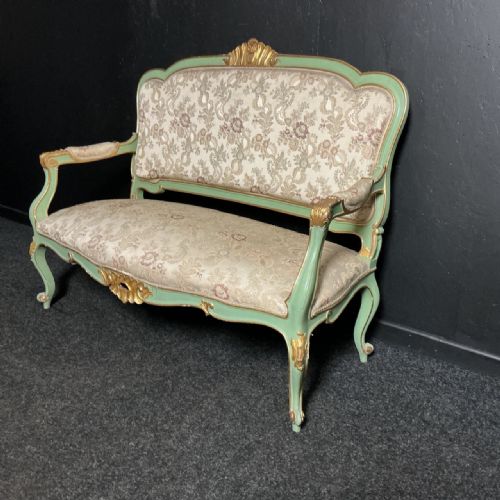
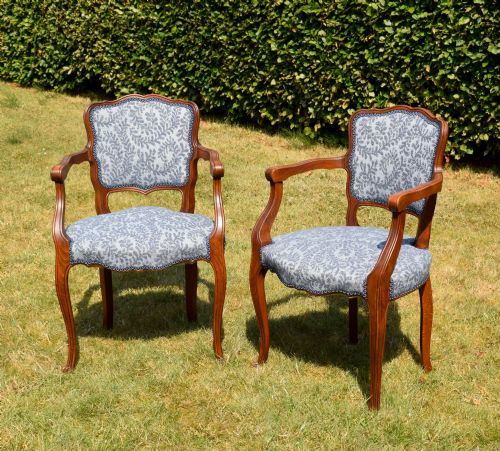
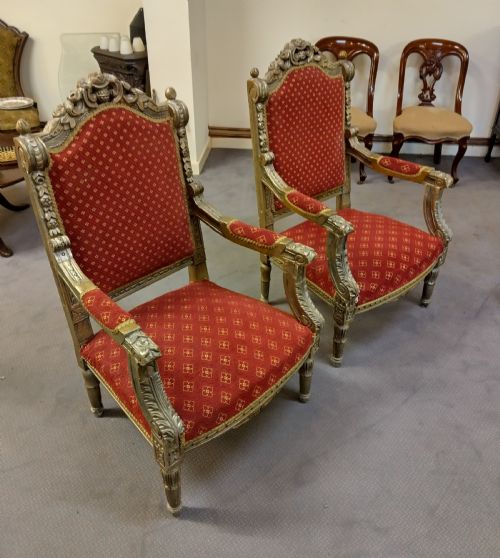
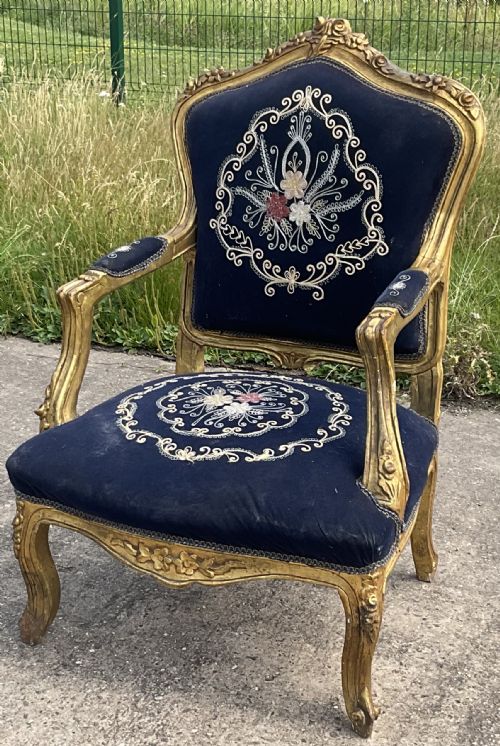
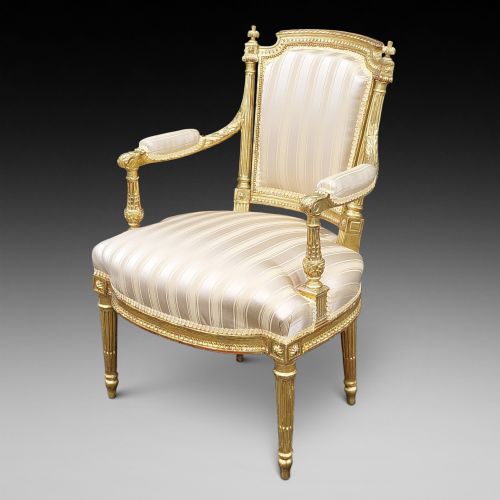
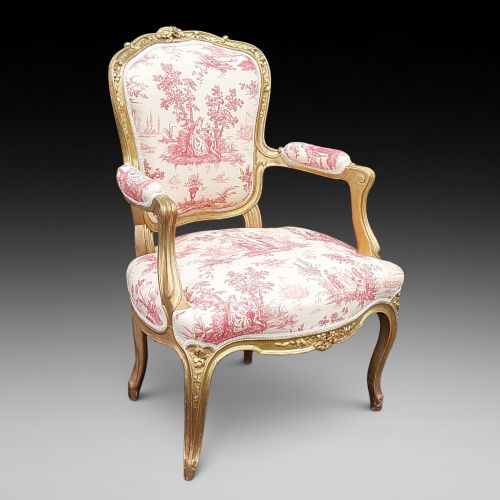
Buyers frequently encounter nineteenth-century giltwood models and walnut frames echoing Louis XV and Louis XVI aesthetics. These seats served distinct domestic functions, from parlor conversation to quiet reading in private chambers.
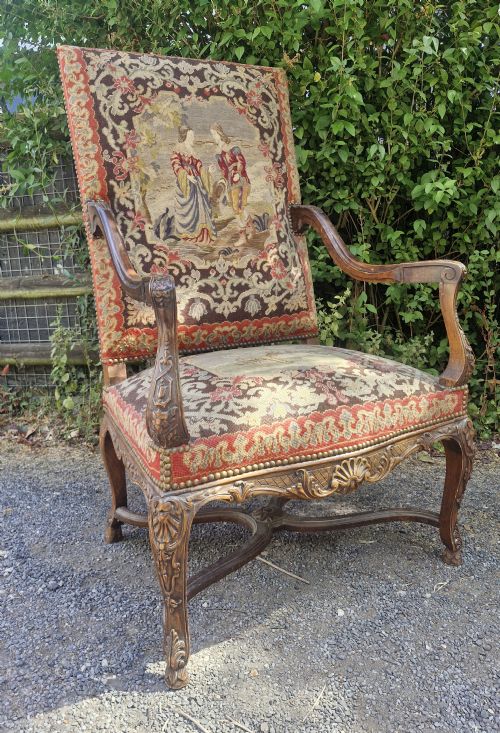
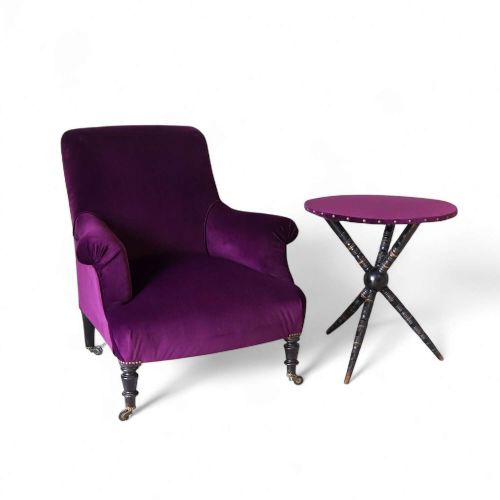
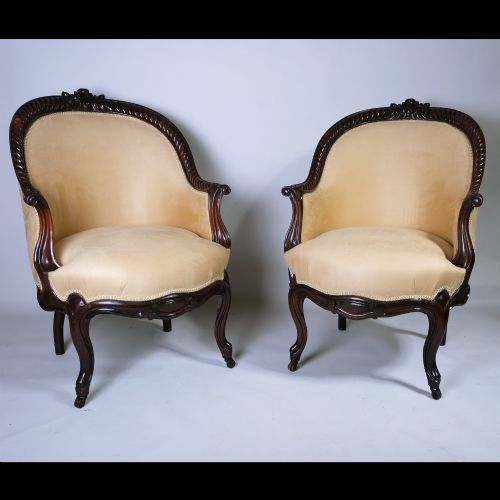
Construction types vary between carved open armchairs intended for reception rooms and upholstered models prioritising physical comfort. Regional variants such as Breton or provincial farmhouse chairs also appear across the selection.
How they were made
Master joiners constructed structural frames primarily from dense hardwoods like walnut, oak, and cherry, occasionally employing exotic timbers such as goncalo alves. Carved decoration was executed directly into the solid wood before gilding, painting, or polishing.
Surface treatments included applied gold leaf over gesso, hand-painted finishes, and clear wax polishes that highlighted natural grain patterns. Upholstery techniques progressed from traditional horsehair stuffing secured with webbing to deep-buttoned spring systems in later eras.
Some nineteenth-century makers concealed their joinery so thoroughly that even industrious spiders struggle to find a quiet corner inside.
What varies in quality
The distinction between ordinary and superior seating lies in the crispness and depth of hand-carved ornamentation on the wooden frame. Skillful joinery ensures structural rigidity without relying on excessive metal reinforcement.
Materials utilised for the outer covering, from antique needlepoint panels to silk damask and supple leather, indicate the original commissioning tier of the furniture. Preserved original finishes and untouched structural integrity command greater appreciation among collectors.
The French Arm Chairs Glossary
- Fauteuil
- An open-framed upholstered armchair with exposed wooden arms originating in France. These seats typically feature padded armrests and curved structural lines.
- Bergère
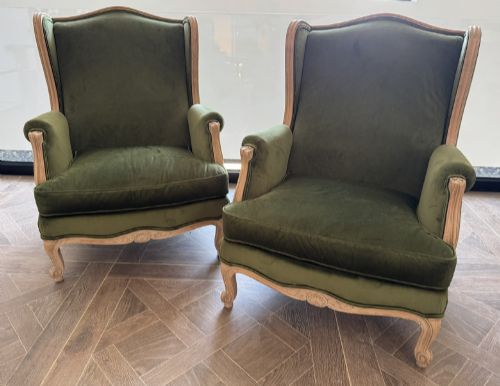
- An enclosed upholstered armchair with solid upholstered sides and a loose seat cushion. This form provides a more sheltered seating experience than an open fauteuil.
- Giltwood
- Timber treated with a thin layer of gold leaf applied over a prepared gesso ground. It was extensively utilised during revival periods to create a reflective, opulent surface.
- Rococo Revival
- A nineteenth-century design movement resurrecting the asymmetrical curves, C-scrolls, and naturalistic floral motifs of the eighteenth century. Furniture from this style exhibits exuberant carved ornamentation.
- Needlework
- Hand-stitched textile panels using wool or silk yarn on a canvas ground. Such covers often adorn the backs and seats of nineteenth-century salon chairs.
French Arm Chairs: Frequently Asked Questions
What is a fauteuil?
A fauteuil is a traditional French upholstered armchair characterised by open wooden arms and an exposed frame. These seats were designed for formal reception rooms and drawing spaces.
The style evolved through various royal reigns, shifting from ornate Baroque curves to the more restrained rectilinear proportions of the neoclassical period.
Were these chairs used at desks?
Certain forms within the category, including specific occasional and library models, were constructed with heights and proportions suited for writing tables. These pieces combined supportive backrests with manoeuvrable frames.
Libraries and private studies often housed sturdy walnut or mahogany armchairs designed for extended periods of reading and correspondence.
How should I care for antique upholstery?
Historic fabrics and leather require gentle maintenance, avoiding direct sunlight and excessive humidity to prevent fibre degradation. Vacuuming with a soft attachment removes surface dust safely.
Original textiles should be protected from harsh cleaning chemicals, while modern replacement fabrics benefit from regular professional assessment of the underlying stuffing.