
French Fireplace
These pieces gather the decorative weight and artisanal metalwork of a french antique fireplace, bringing period proportion to the hearth.
French Fireplace
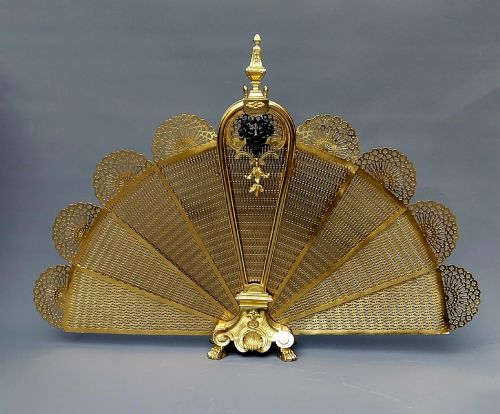
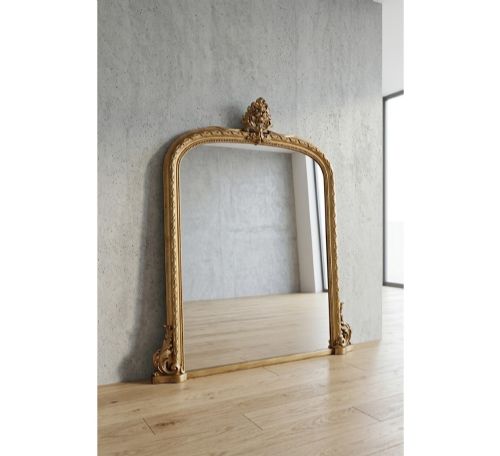
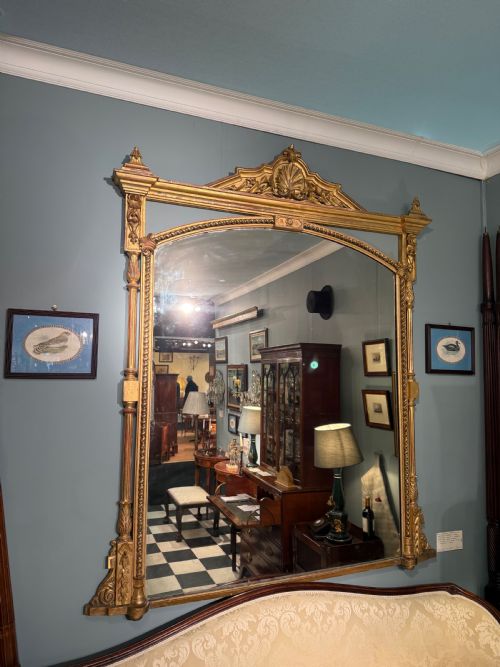
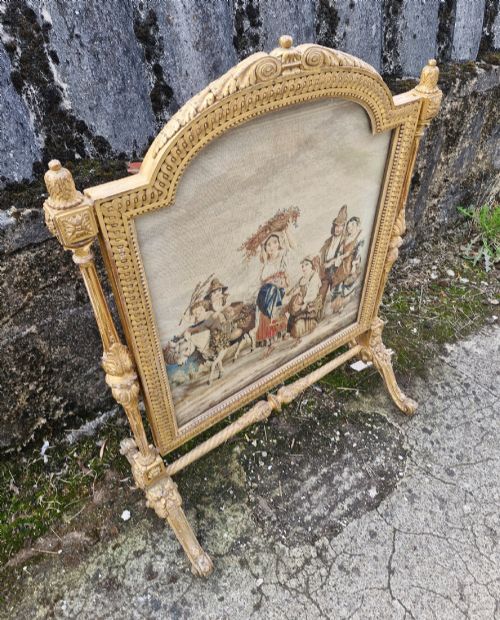
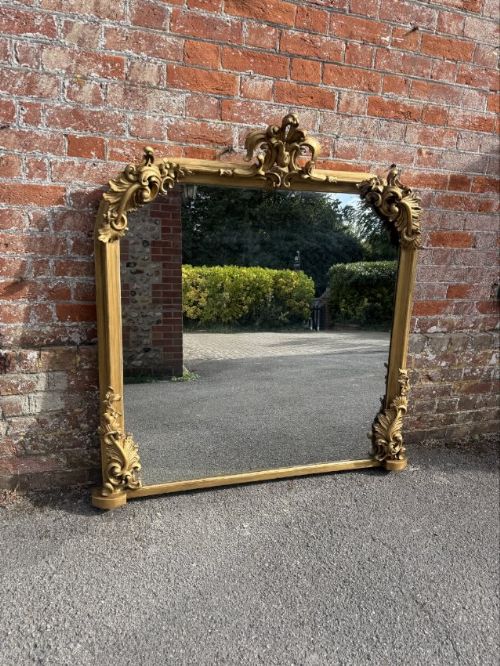
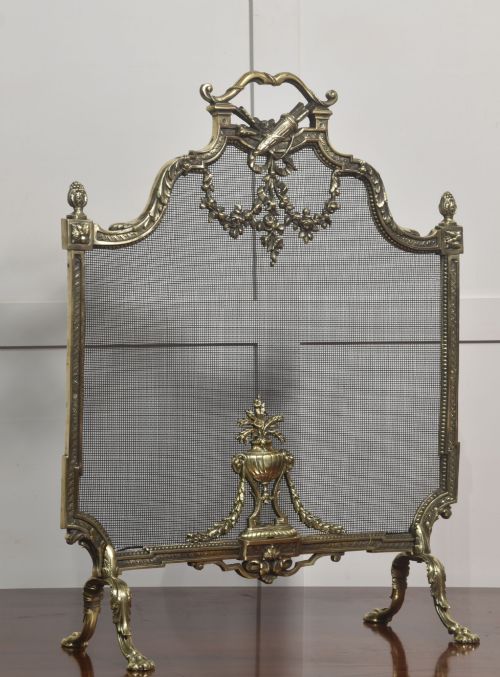
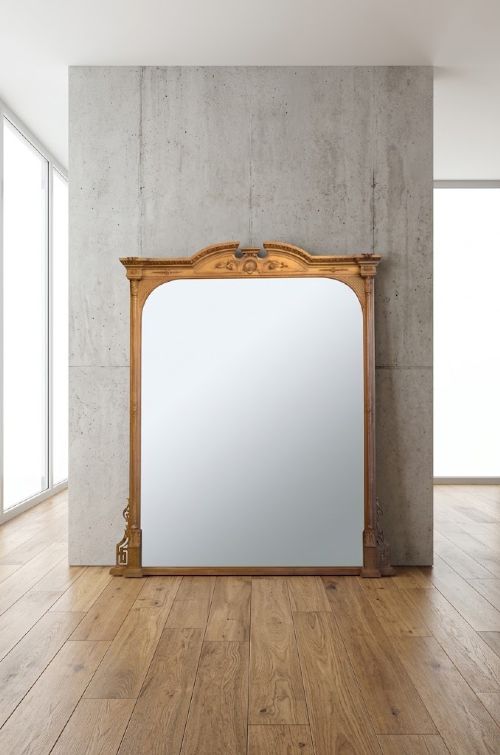
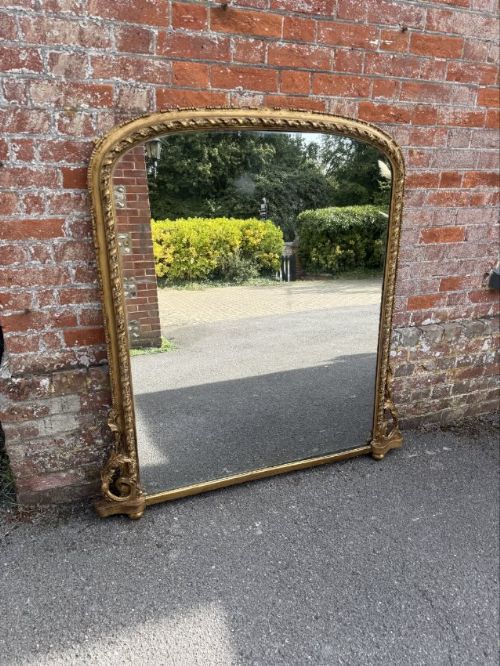
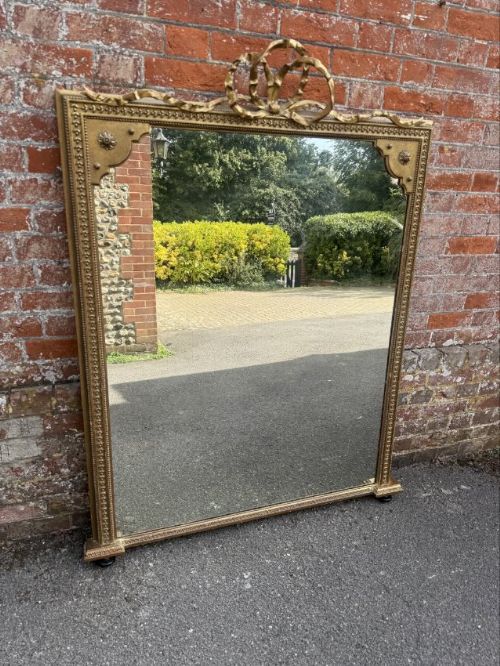
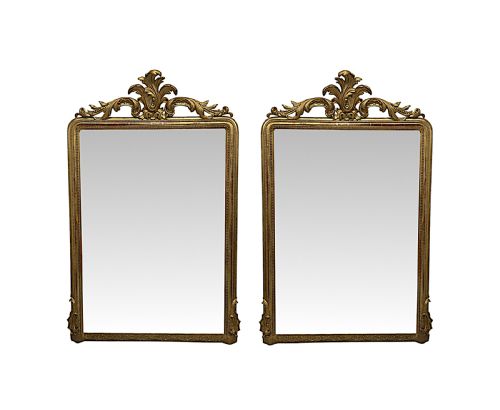
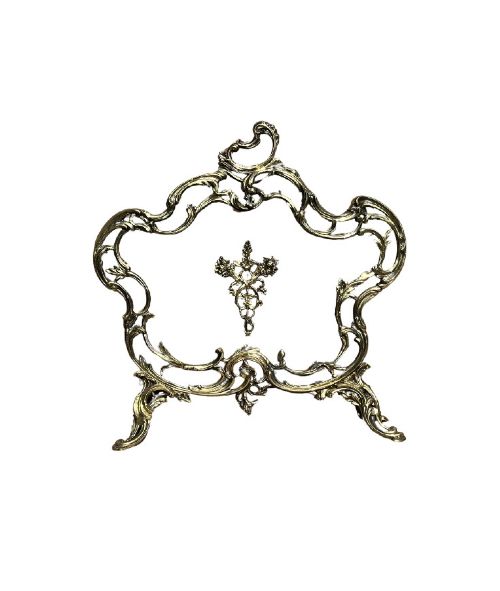
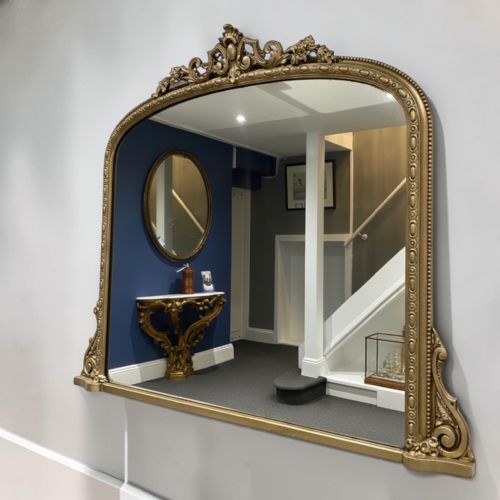
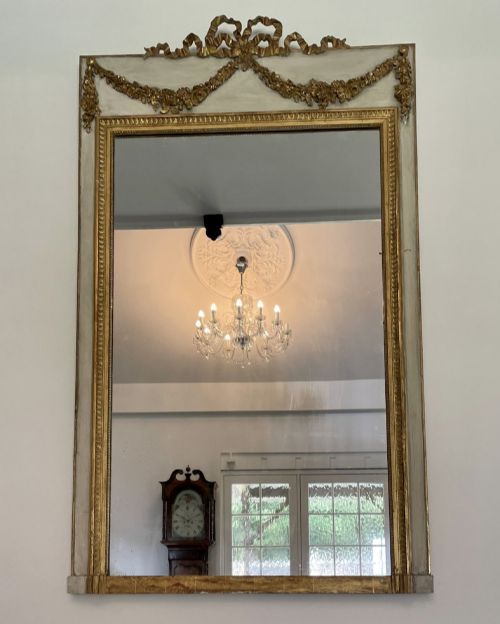
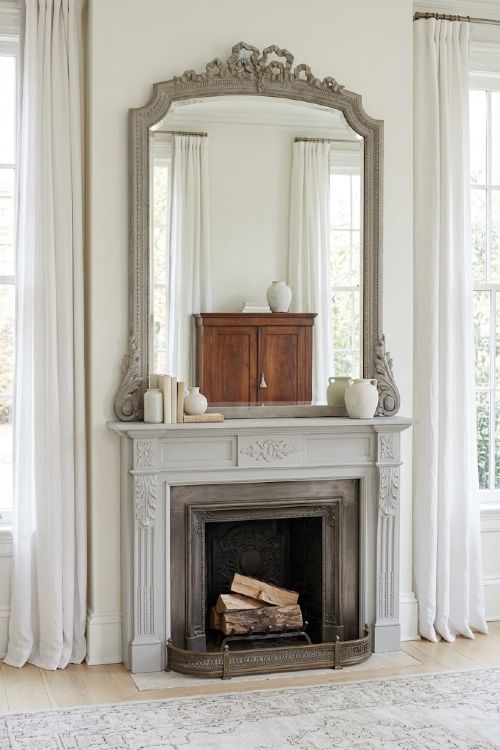
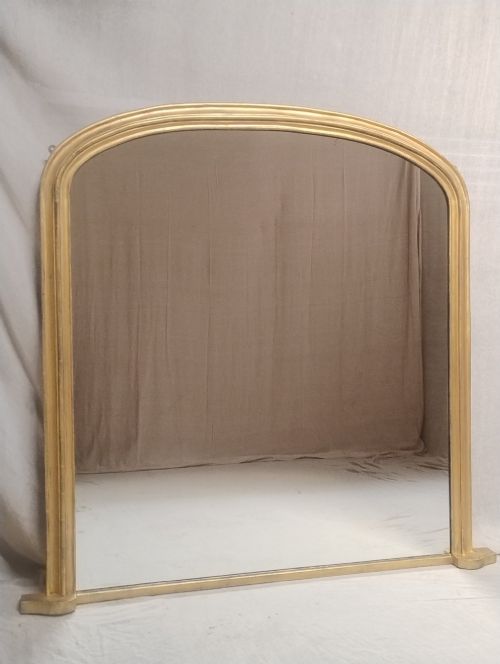
A french antique fireplace selection focuses heavily on hearth furnishings, including overmantel mirrors, folding brass fire screens, chenets, and mantel clocks. These items shape the character of a room, centring the chimney breast with period presence.
The objects stem predominantly from the nineteenth century, drawing on French Second Empire, Rococo Revival, and Art Nouveau vocabularies. Such designs rely on sculptural metals and gilded frames to establish architectural gravitas.
Mirrors and clocks dominate the domestic interior, often paired with cast iron log burners or bronze fire tool sets. Each component serves to anchor the mantelpiece within a cohesive nineteenth-century aesthetic.
Materials and construction
Giltwood, gesso, and carved wood form the structural foundation of the large overmantel mirrors seen here. Artisans applied gold leaf over prepared gesso layers on wooden substrates to achieve deep, reflective surfaces.
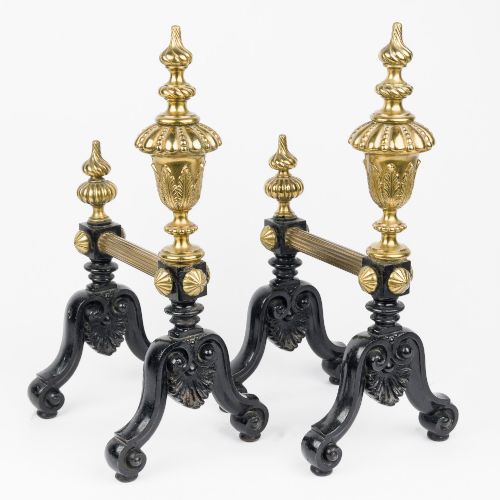
Metalwork relies on bronze, ormolu, brass, and cast iron, shaped through casting and chasing techniques. Fire screens and chenets utilise wire mesh, gilt bronze, and patinated metals to withstand daily hearth use while retaining decorative finesse.
The inventory records functional hearth equipment such as extending fenders, log burners, and fire tool companion sets alongside decorative mirrors.
Judging quality and execution
The finesse of the carving and the depth of the gilding separate standard production from superior work. Crisp chisel marks on bronze mounts and deeply articulated gesso ornamentation indicate skilled hand-finishing.
Proportion and scale dictate the architectural success of a piece, particularly in large mirrors and clock garnitures. Better examples maintain balanced symmetry and integrated design across complex Rococo or Neo-Classical motifs.
Japy Frères·Siffel & Cartier·E F Caldwell New York·Deville & Cie
The French Fireplace Glossary
- Overmantel mirror
- A large wall glass designed to sit directly above a mantelpiece, frequently framed in gilded wood with arched or shaped tops.
- Chenets
- Decorative firedogs placed on the hearth to support logs, often cast in bronze or ormolu with figural or rococo ornamentation.
- Fire screen
- A movable guard placed before the hearth to block excess heat or conceal an unlit grate, commonly folding or formed from brass and wire mesh.
- Ormolu
- Finely ground high-carat gold mercury-gilded onto a bronze base, producing a rich metallic lustre common in French decorative arts.
- Garniture set
- A matching set of ornamental objects, typically comprising a mantel clock flanked by matching vases, censers, or candelabra.
French Fireplace: Frequently Asked Questions
How do I style a French overmantel mirror?
Position the mirror directly above the mantelpiece so that its arched or rectangular frame reflects the room's primary light sources. Ensure the scale of the frame aligns with the width of the fireplace surround for balanced proportions.
Keep the mantel shelf uncluttered to let the carved gesso or giltwood details register against the wall. A pair of bronze chenets or a central clock can sit below without competing with the glass.
What is a fire screen used for?
Historically, fire screens served to shield the occupant's face from the intense radiant heat of an open coal or wood fire. They also acted as decorative screens to hide the empty hearth during warmer months.
Today, folding brass screens and embroidered panels add texture and metallic sheen to the chimney breast. They function primarily as decorative focal points that anchor the hearth arrangement.
Are bronze fire tools purely decorative?
Nineteenth-century fire tools were cast and forged for active hearth maintenance, utilising robust iron and bronze to manage logs and ash. Companion sets typically included pokers, tongs, and shovels housed within a matching stand.
While built for utility, fine sets featured elaborate handles and ormolu mounts intended for display. They bring a tactile element of historical craftsmanship to the fireside.
How do I identify a Second Empire mantel clock?
Second Empire clocks often combine contrasting materials such as black marble, rouge marble, and gilt bronze mounts. They frequently feature architectural cases housing precision French movements.
Look for figural ornaments, putto finials, or classical architectural details that reflect the opulent tastes of the late nineteenth century.