





French Closet
A french antique closet brings generous storage and unmistakable continental character to a room.
French Closet
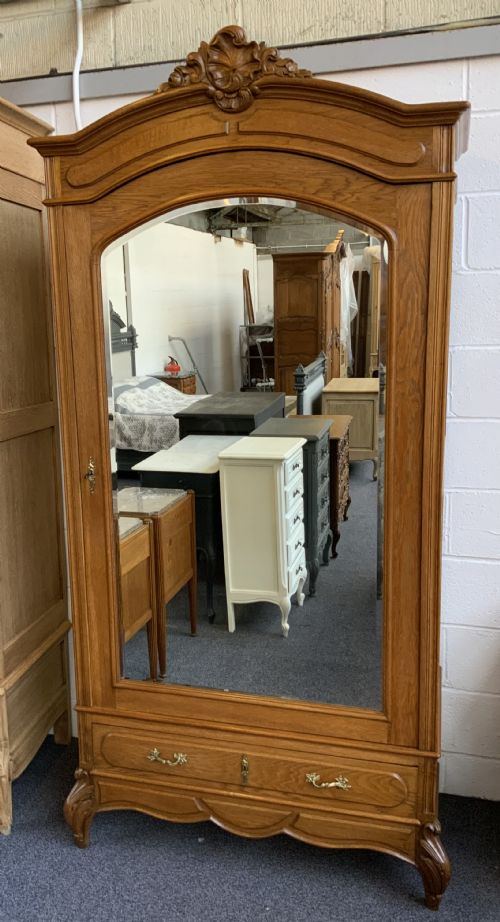
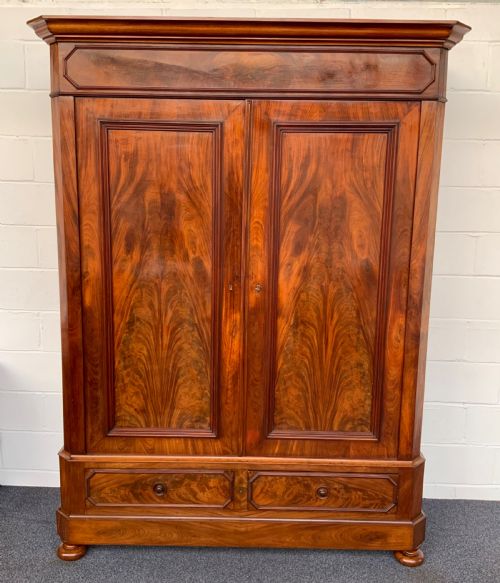
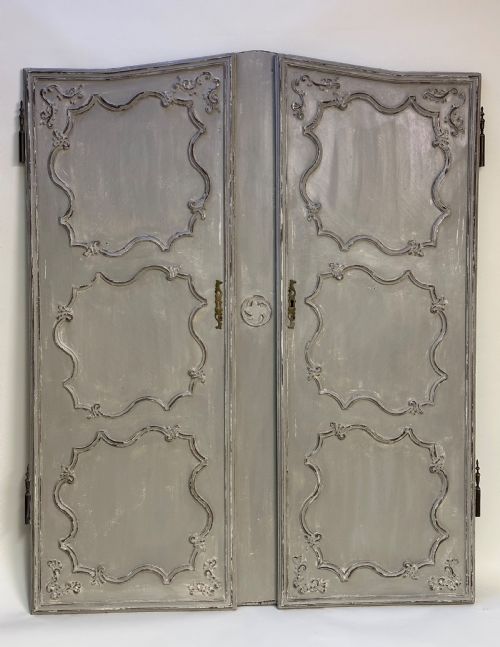
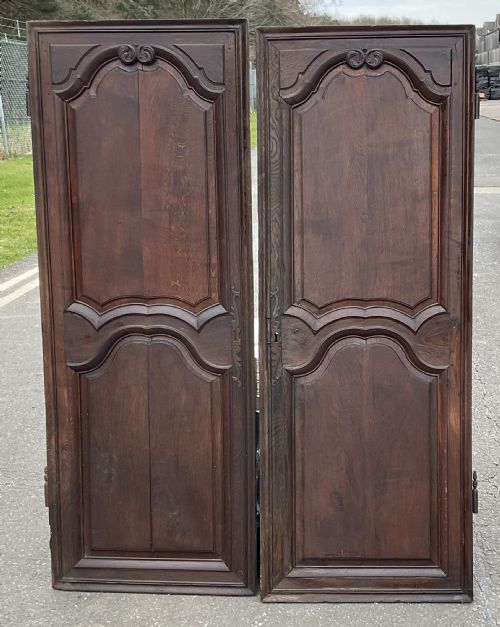
When you search for a french antique closet, you are looking at substantial storage furniture originating from France across the eighteenth, nineteenth, and early twentieth centuries. These pieces encompass large wardrobes, armoires, single armoires, and architectural elements such as pairs of cabinet doors.
The selections on this page span several distinct eras and aesthetic movements, ranging from classical eighteenth-century joinery and Louis XVI designs to nineteenth-century styles, French Provincial pieces, and striking Art Deco wardrobes. Forms vary from monumental double-door armoires to compact single-door cupboards and decorative architectural doors.
You will encounter pieces executed in traditional solid timbers as well as refined veneered surfaces, sometimes with modern painted finishes or bleached treatments. Each version offers practical storage capacity while serving as a commanding focal point within a bedroom or dressing space.
How they were made
Cabinetmakers constructed these wardrobes using a variety of native and exotic timbers, relying primarily on solid oak, flame mahogany, and walnut. Artisans often applied fine mahogany veneer or walnut veneer over secondary woods to achieve striking grain patterns on large door panels.
Decorative elements involve skilled hand carving, particularly on oak frameworks, alongside contrasting brass detailing and hardware. Certain pieces incorporate glass panels or feature painted surfaces finished in contemporary tones like downpipe grey, while others showcase the clean geometric lines characteristic of the Art Deco period.
The inventory includes architectural elements such as pairs of eighteenth-century walnut armoire doors alongside complete freestanding wardrobes.
What varies in quality
The standard of a french antique closet rests on the selection of timber and the ambition of its construction. Pieces featuring highly figured flame mahogany veneer or intricate hand carving stand apart from simpler utility designs.
Construction methods and hardware also define the grade of an armoire. Original brass detailing, well-executed joinery on large doors, and balanced proportions distinguish finer examples from standard workshop production.
JEAN FAURE
The French Closet Glossary
- Armoire
- A tall wardrobe or cupboard, traditionally used for storing garments. French examples typically feature large single or double doors enclosing hanging space or shelving.
- Flame mahogany
- A timber veneer displaying a swirling, flame-like grain pattern. Cabinetmakers used this expensive material on prominent surfaces to create striking visual movement.
- Louis XVI
- A neoclassical design style characterised by straight lines, symmetry, and restrained classical ornamentation. Furniture from this tradition employs refined proportions and understated carving.
- Art Deco
- A design movement from the early twentieth century featuring geometric shapes, streamlined forms, and modern styling. Wardrobes from this era often bear signature maker signatures and sleek veneered surfaces.
- French Provincial
- A style originating from regional French cabinetmakers rather than Parisian courts. These pieces combine robust construction with local aesthetic traditions and rustic charm.
French Closet: Frequently Asked Questions
What is a french antique closet?
A french antique closet typically refers to a large freestanding wardrobe or armoire originating from France. These substantial pieces provide enclosed storage with shelves or hanging space behind one or two doors.
They function as major decorative items in a bedroom, combining practical utility with distinctive continental styling across various historical periods.
How do I date a french armoire?
Dating involves examining the timber, construction techniques, hardware, and stylistic details. Eighteenth-century pieces display entirely hand-worked joinery and regional timber choices, while nineteenth-century versions often utilise richer veneers and formal classical revivals.
Twentieth-century examples transition into streamlined Art Deco forms or simplified provincial styles. Comparing the decorative motifs against known historical periods helps narrow the decade of manufacture.
How do I fit a large wardrobe in a modern room?
Many antique armoires were built to be dismantled into sections, including the cornice, base, sides, and heavy doors, allowing for straightforward transport and assembly in rooms with standard ceiling heights.
Positioning the piece against a main wall ensures it anchors the room visually while providing deep interior storage that replaces fitted wardrobes.
What is the difference between an armoire and a wardrobe?
While both terms describe large storage furniture for clothing, armoire is the traditional French term for a cupboard with doors enclosing shelves or hanging space. Wardrobes often imply a dedicated interior designed specifically for hanging garments on rails.
In practice, many antique French armoires feature adjustable shelving interiors that can be adapted for modern hanging needs.