

French Accent Table Lamps
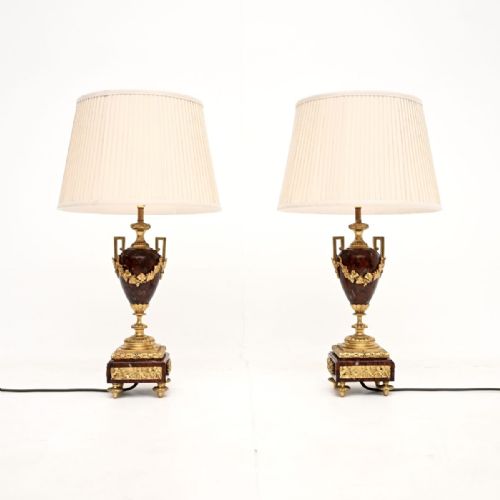
French accent table lamps bring together patinated metals, carved woods, and decorative ceramics to illuminate a room with continental character.
French Accent Table Lamps
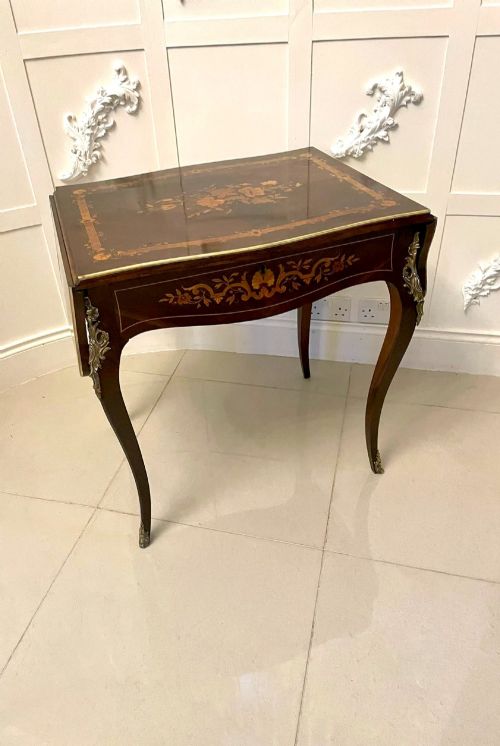
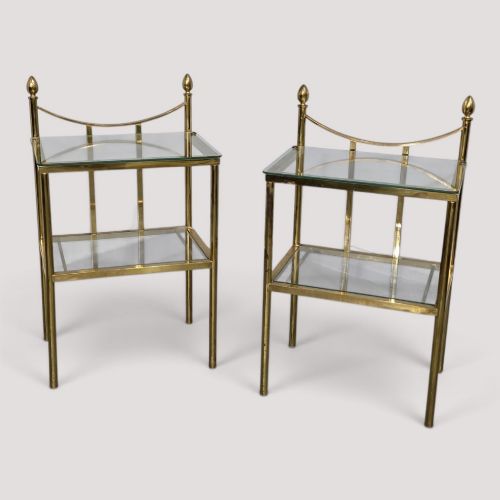
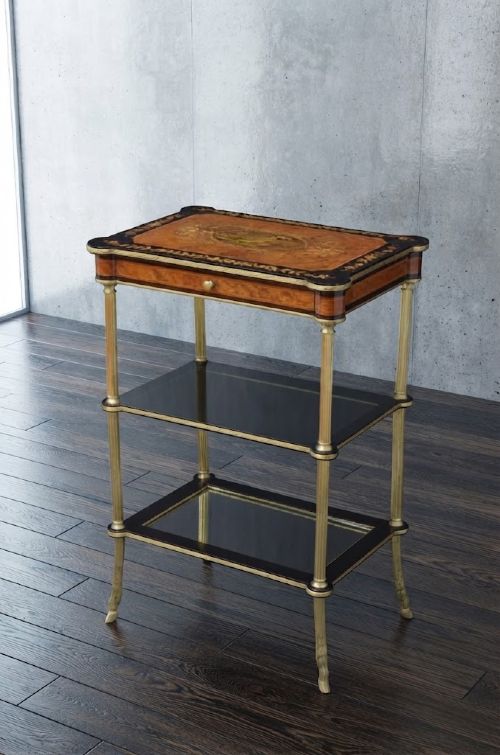
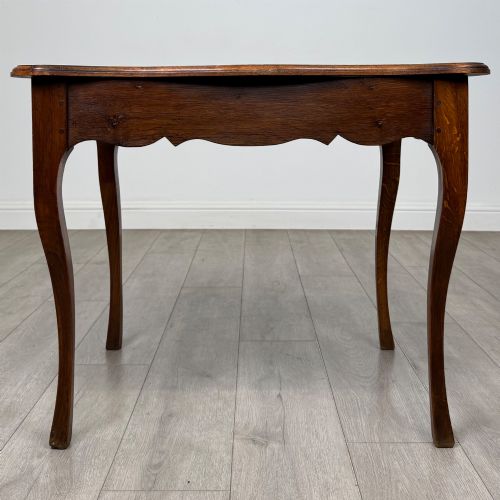
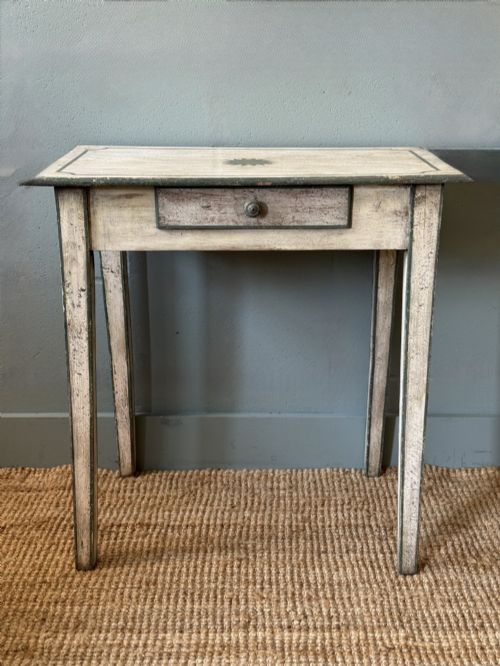
When buyers search for french accent table lamps, they encounter a mix of functional lighting and occasional furniture adapted to hold a light. The selection spans distinct periods from the nineteenth century into the twentieth, encompassing styles such as Art Deco, Louis XVI Revival, and French Provincial. These pieces often serve as focal points on side surfaces, bringing period design into modern interiors.
Materials and construction
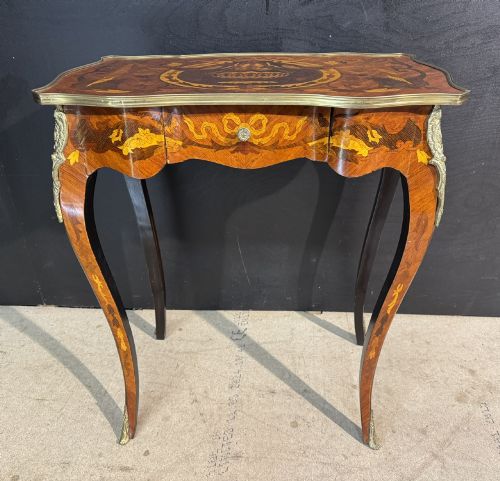
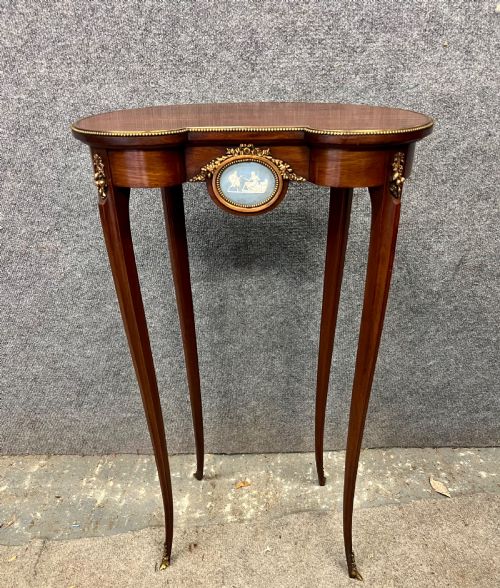
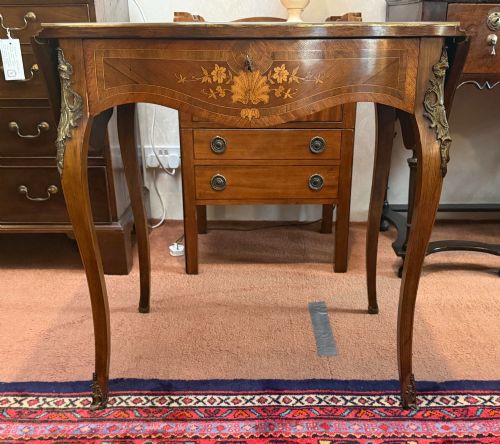
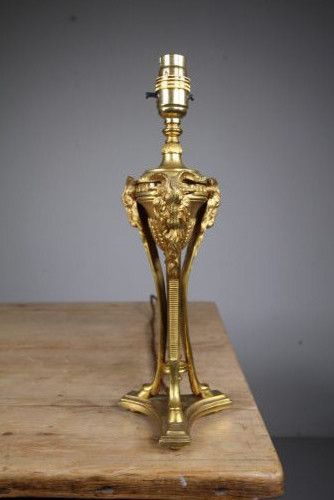
Maker workshops utilised a combination of cast metals like ormolu, gilt bronze, and brass alongside natural hardwoods including mahogany, walnut, kingswood, and fruitwood. Marble tops and inserts frequently provided durable surfaces for lamp bases, whilst glass, crystal, and porcelain formed the bodies of illuminating fixtures.
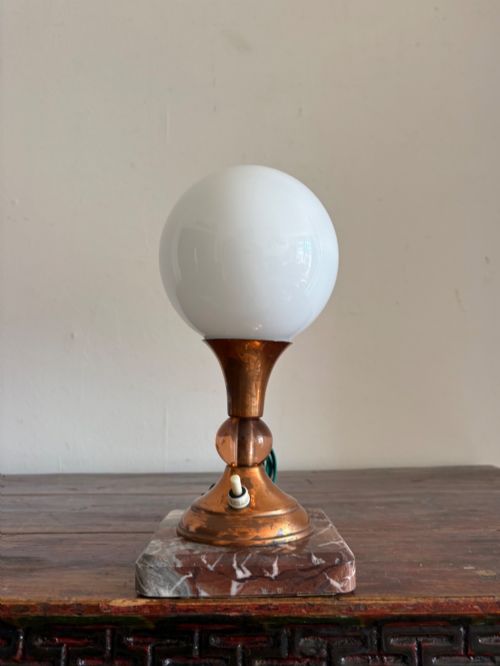
Joinery and metalworking techniques varied by decade, from nineteenth-century hand-chased bronze mounts to early twentieth-century wrought iron and moulded opalescent glass. Marquetry inlay and ebonisation appeared on timber surfaces, while electrical fittings were later integrated into vessels originally fashioned for other domestic purposes.
Illuminated dogs and parrots brighten Art Deco interiors with a cheerful wink from the 1930s.
Assessing quality and execution
The distinction between standard examples and the finest items rests on the crispness of metal chasing, the selection of timber veneers, and the harmony of proportion. Superior pieces display finely detailed ormolu mounts, rich marquetry patterns, and substantial marble components that demonstrate skilled craftsmanship.
Artistic execution dictates overall merit, particularly in figural or novelty lighting where the casting and patination of bronze or spelter determine visual impact. Makers who adhered to classical revivalism or modern art deco principles achieved greater coherence in form and ornamentation than mass-produced alternatives.
François Linke·Charles Schneider·A Hugnet Paris·Lacroix·Lalique·Dugourc
The French Accent Table Lamps Glossary
- Ormolu
- Gilt bronze ornamentation applied to furniture and lighting fixtures. This technique involves fusing finely ground gold to a bronze base using mercury.
- Gueridon
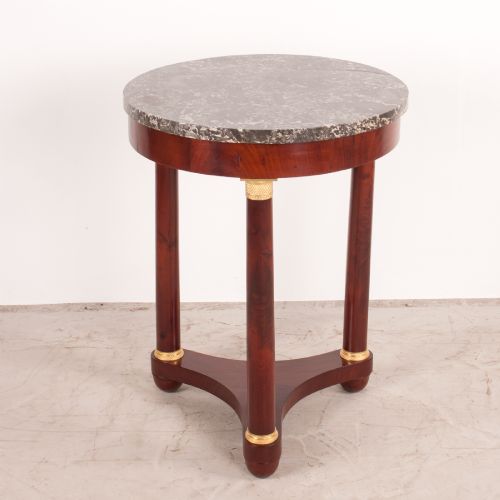
- A small circular occasional table supported by one or more central columns. These pieces often feature marble tops and brass galleries.
- Marquetry
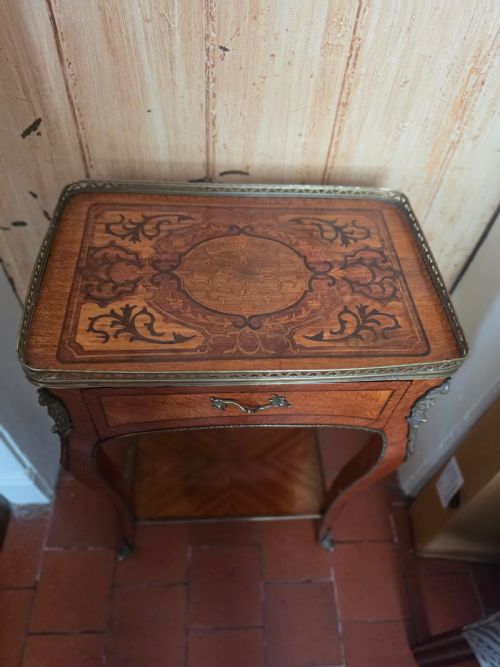
- Decorative veneer work arranged in pictorial or geometric patterns across wooden surfaces. Craftsmen utilised contrasting woods like walnut, kingswood, and rosewood.
- Opaline glass
- A pale, translucent glass popular in nineteenth and twentieth-century lighting. It diffuses light softly through its milky composition.
- Patination
- The surface sheen and colour acquired by materials like bronze, wood, and brass through age and handling. Collectors value original patination for its authenticity.
French Accent Table Lamps: Frequently Asked Questions
What periods do these lamps represent?
The selections span the nineteenth century through the early twentieth century, capturing distinct eras from the 1850s to the 1930s. Styles range from Rococo Revival and Louis XVI to Art Deco.
Each period imparts specific aesthetic qualities, such as heavy bronze mounts in earlier decades or sleek opalescent glass in later Art Deco designs.
How do I identify a conversion lamp?
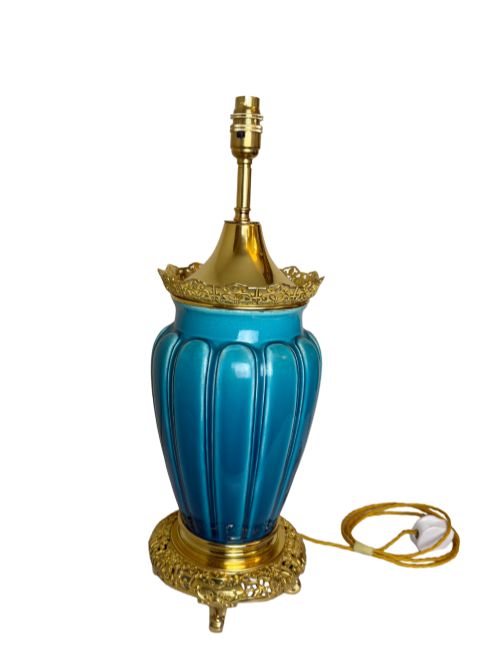
Many lighting fixtures originated as decorative urns, ewers, or vases before receiving electrical wiring in subsequent years. Examination of the base and fittings often reveals the adaptation.
Such conversions retain the original ceramic, crystal, or metal body while incorporating modern functional components for domestic use.
Where should I place a lamp table?
These dual-purpose items suit living rooms, hallways, and bedrooms where surface space and illumination are both required. They fit comfortably beside seating or against perimeter walls.
The combination of a wooden or marble surface with an integrated light source makes them practical for corners requiring ambient brightness.
How do I care for marble and bronze?
Marble surfaces require gentle cleaning with mild, non-acidic soap and water to prevent staining or etching of the stone. Dusting with a dry cloth protects the delicate patination on bronze and ormolu mounts.
Avoiding harsh chemical polishes ensures that the historic finishes and metal patinas remain undisturbed over time.