



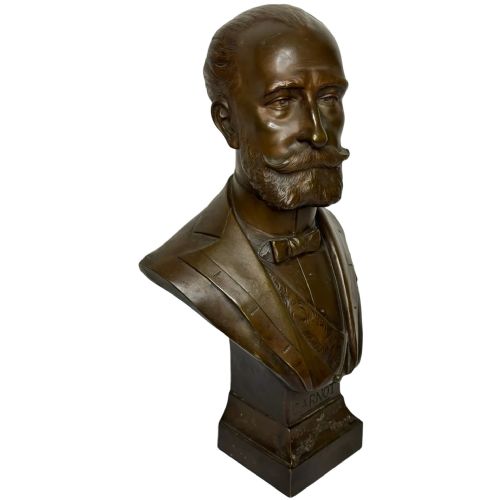
French Academic Portrait
A french academic portrait captures the rigorous technical precision and historical weight of nineteenth-century European ateliers, offering buyers a direct link to rigorous academic training.
French Academic Portrait
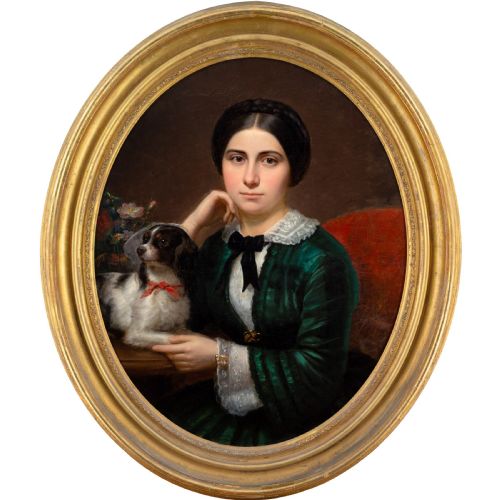
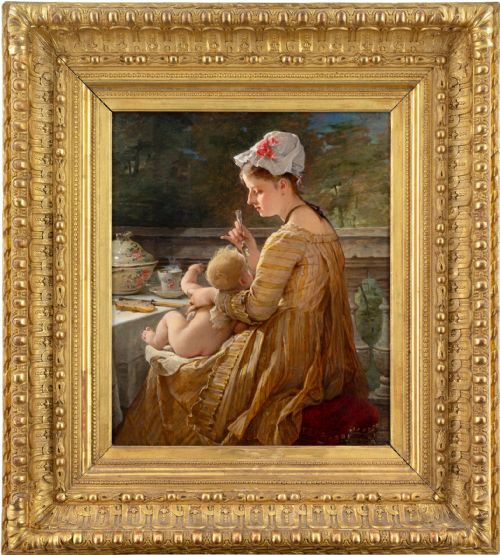
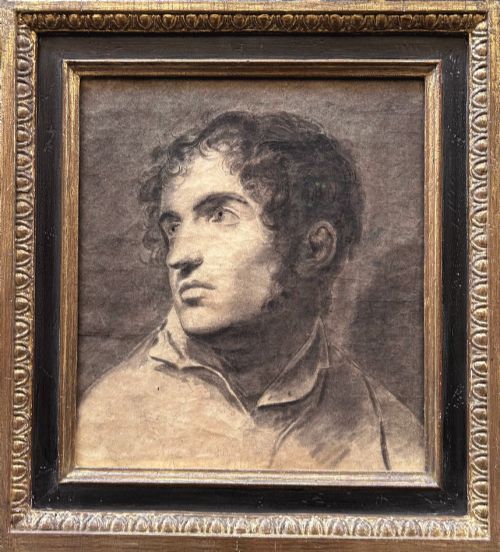
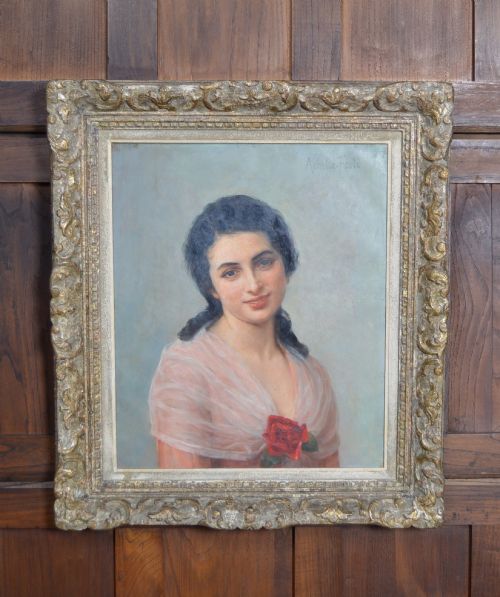
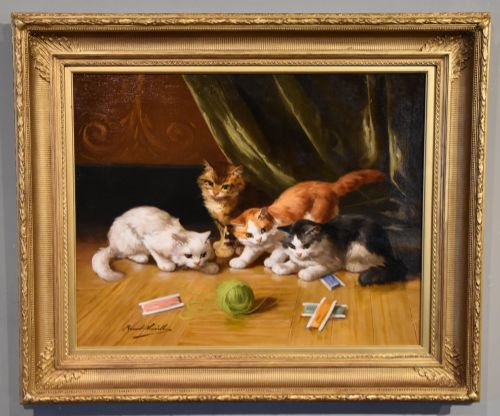
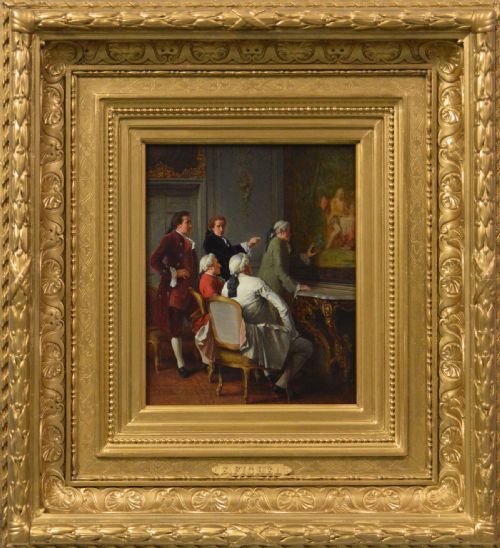
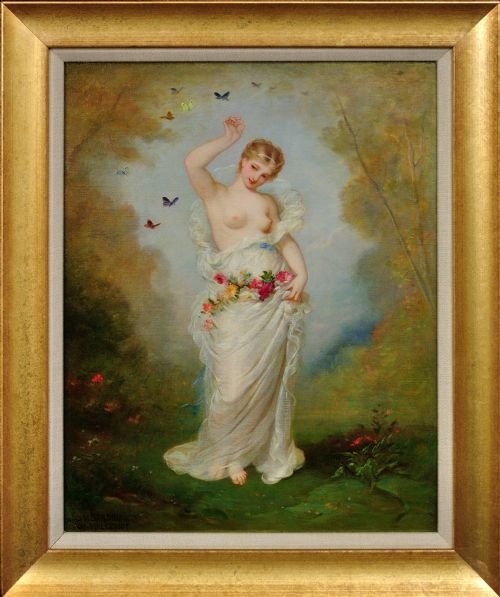
When you examine a french academic portrait on this page, you encounter oil paintings on canvas, framed drawings in charcoal and chalk, and bronze sculptures dating primarily from the nineteenth century.
The selections range from formal depictions of historical figures and classical subjects to intimate genre scenes and life studies executed under the banner of academic realism and historicism.
Most pieces hail from nineteenth-century France, reflecting the strict curricula of official art academies and the widespread demand for highly finished, narrative-driven portraiture.
How They Were Made
Makers built these works using oil on canvas or panel, laying down smooth grounds and applying layered glazes to achieve realistic flesh tones and meticulous fabric textures.
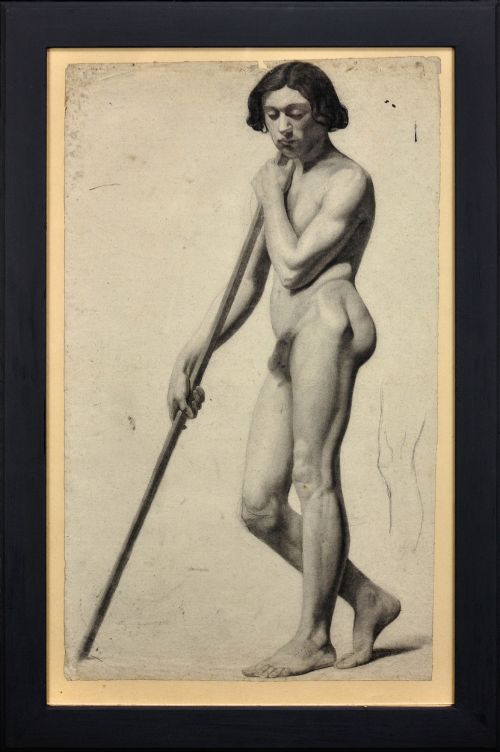
Draftsmanship formed the foundation of the process, with artists employing charcoal, graphite, and chalk on paper to complete detailed anatomical life studies before starting paint work.
Sculptural pieces utilised bronze casting methods combined with carved marble bases or giltwood frames, mirroring the sculptural rigour taught in official academies.
Cats and musketeers occasionally share the academic stage with serious historical figures.
What Varies In Quality
The level of accomplishment in these works depends on anatomical precision, brushwork control, and the complexity of the narrative composition.
Superior examples demonstrate confident handling of light and shadow, expressive psychological depth in the subject, and original giltwood framing that complements the period aesthetic.
Adelaïde Salles-Wagner·Achille-Fould·Alfred Arthur Brunel de Neuville·Benjamin Eugene Fichel·Henry Arthur Roberts·Charles Zacharie Landelle·André Charles Voillemot·Ferdinand Victor Leon Roybet·Jean Jules Salmson·Fernand Jean Barbier·Paul Leon Jazet·Adolphe Jean Lavergne·Pierre Louis Joseph De Coninck·Ernest Eugène Hiolle·Edmund Alphonse Andre·James Bertrand·Adolphe Alexandre Lesrel·E. Laurent·Theobald Chartran·Eutrope Bouret·Jules Le Roy·Pierre-Louis Bouchard·Cecil CP Lawson
The French Academic Portrait Glossary
- Academic Realism
- A style of painting and sculpture governed by the standards of European art academies, combining realistic depiction with elevated historical or mythological themes. This approach prioritised precise drawing and smooth, polished surfaces over visible brushstrokes.
- Genre Painting
- The pictorial representation of scenes from everyday life, typically involving ordinary people engaged in common activities. These works often carry narrative or moralising subtexts.
- Life Study
- An artwork created directly from a live model, usually focusing on human anatomy and posture. Academic institutions required students to complete numerous life studies before attempting history paintings.
- Giltwood
- Wood that has been treated with a thin layer of gold leaf or gold paint. This finish was commonly applied to nineteenth-century picture frames to enhance the visual weight of the artwork.
- Historicism
- An artistic approach that draws upon the styles and forms of the past, particularly classical antiquity and the Renaissance. Works in this mode often depict historical figures or period costume scenes.
French Academic Portrait: Frequently Asked Questions
What is a french academic portrait?
These works are paintings, drawings, and sculptures created under the influence of nineteenth-century European art academies, emphasising rigorous technical skill and classical training.
They record historical personalities, literary figures, and everyday people through meticulously rendered forms and traditional materials.
How were these artworks used?
Nineteenth-century patrons displayed these paintings and sculptures in formal drawing rooms, private libraries, and institutional galleries to signal cultural sophistication and wealth.
Artists also produced smaller life studies and drawings as working exercises or preparatory pieces within academic workshops.
How do I live with a nineteenth-century portrait?
Protect oil paintings and works on paper from direct sunlight by placing them on stable interior walls away from extreme temperature shifts.
Pair bronze sculptures and framed canvases with period furniture to maintain a consistent historical interior aesthetic.
How can I tell drawings from paintings?
Drawings utilise media like chalk, charcoal, or graphite on paper surfaces, often showing visible hatching and monochromatic tones.
Paintings apply oil pigments to stretched canvas or wooden panels, creating layered colour fields and richer textural depth.