
Freestanding Open Shelf
These freestanding open shelf pieces provide accessible storage for books and displays, uniting period craftsmanship with practical utility.
Freestanding Open Shelf
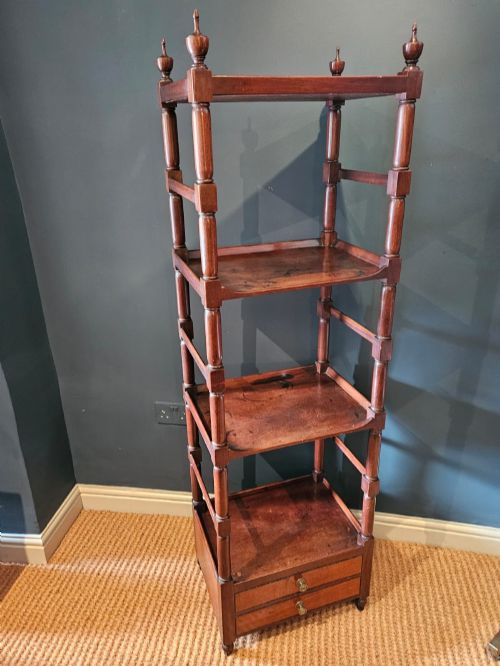
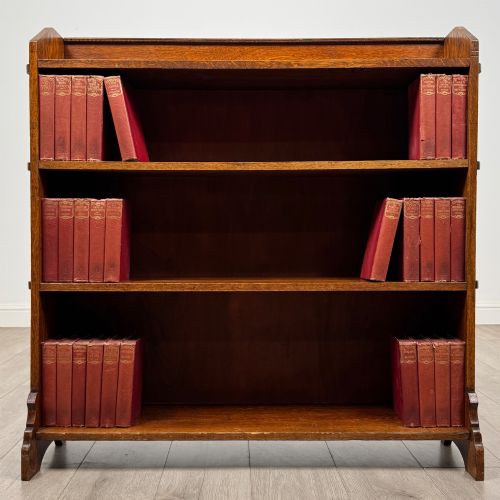
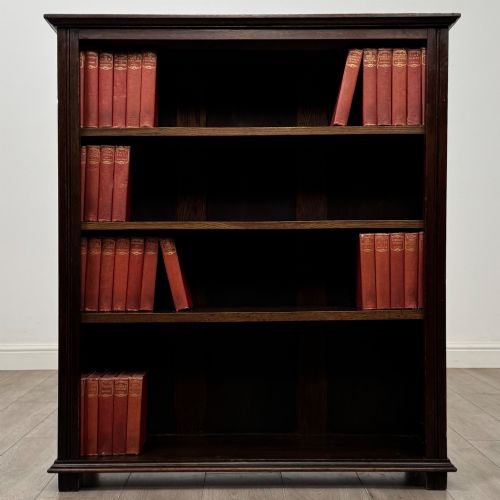
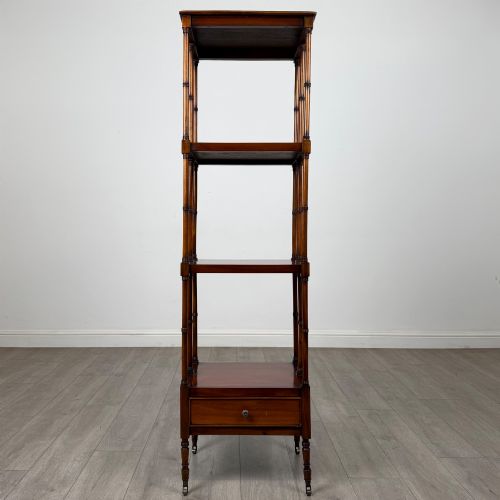
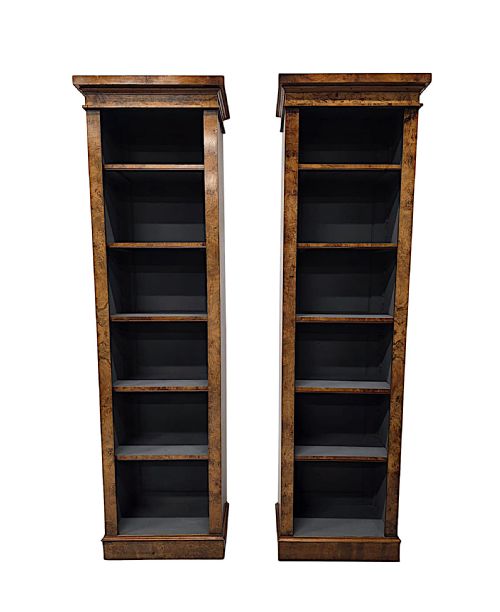
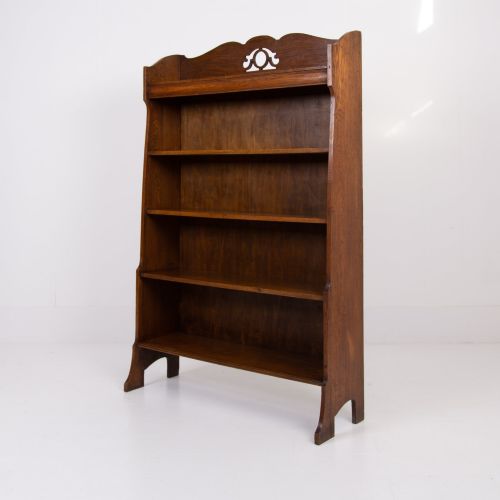
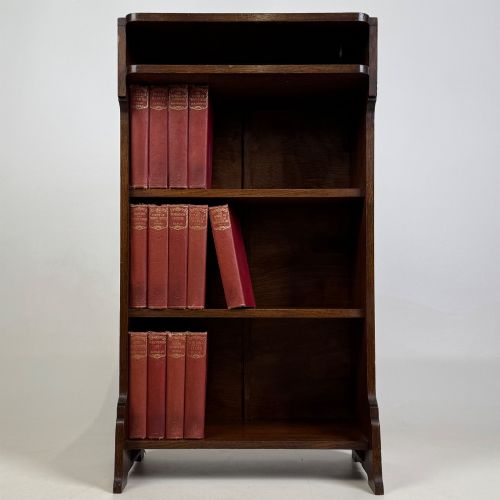
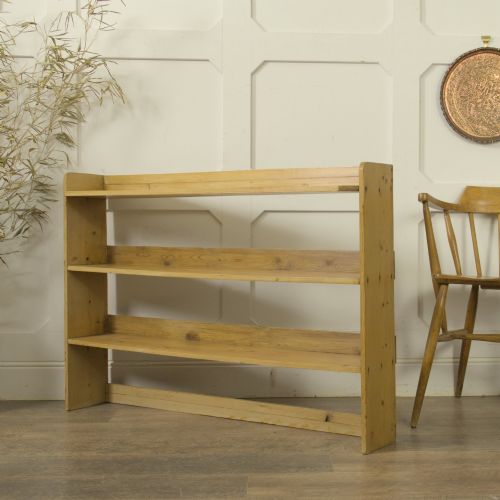
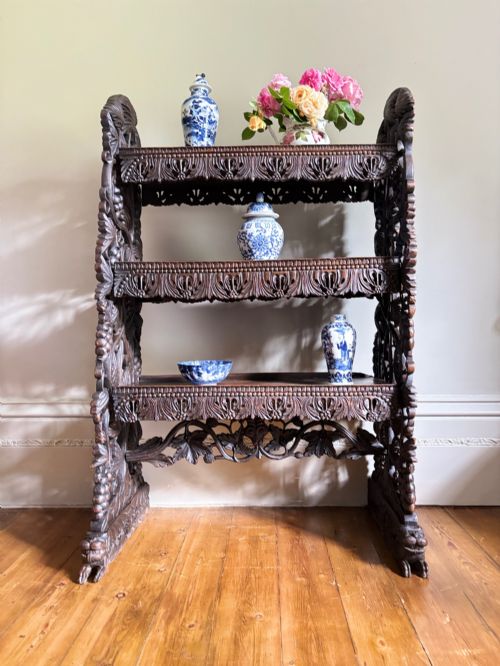
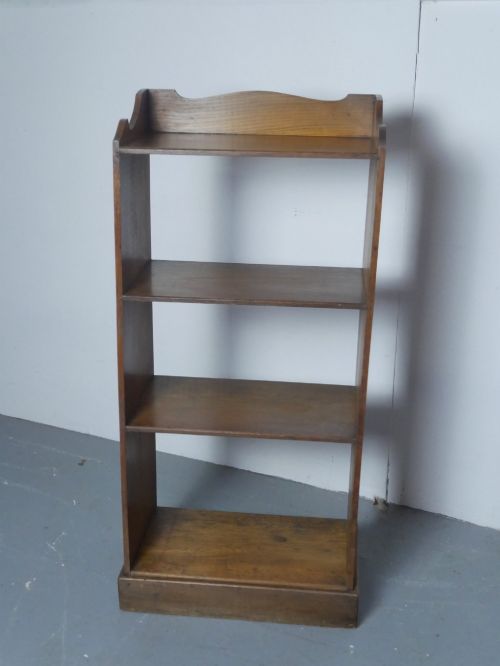
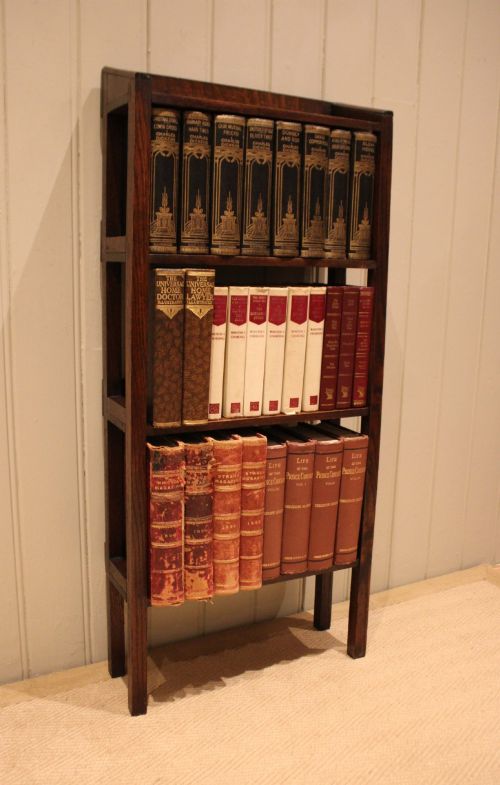
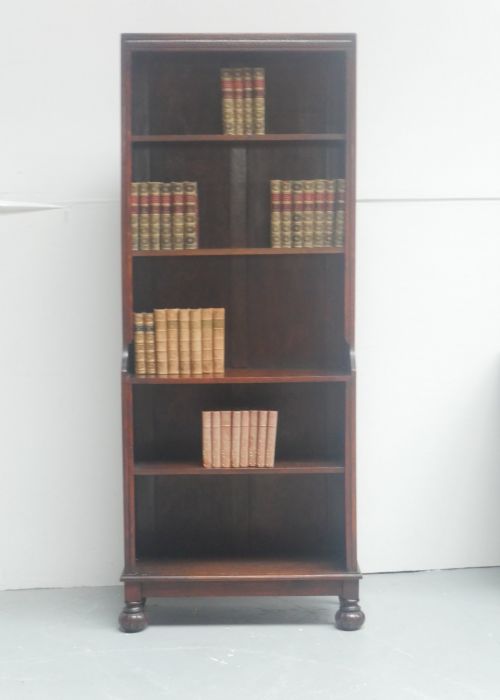
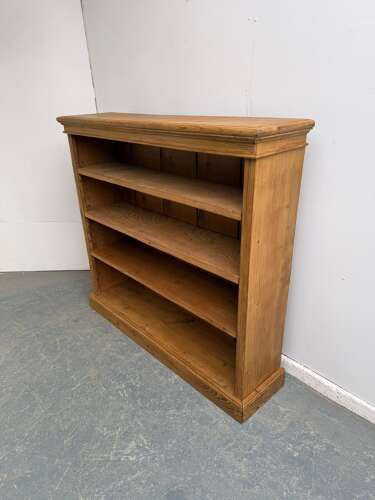
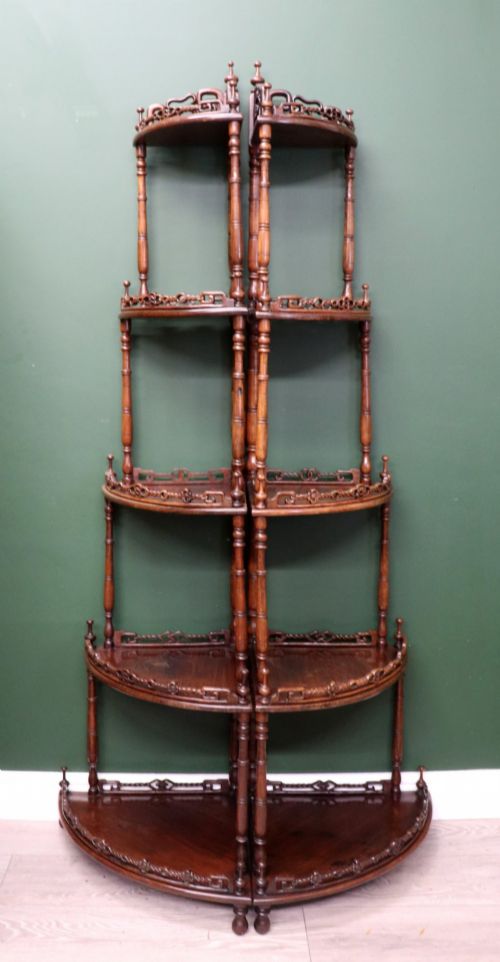
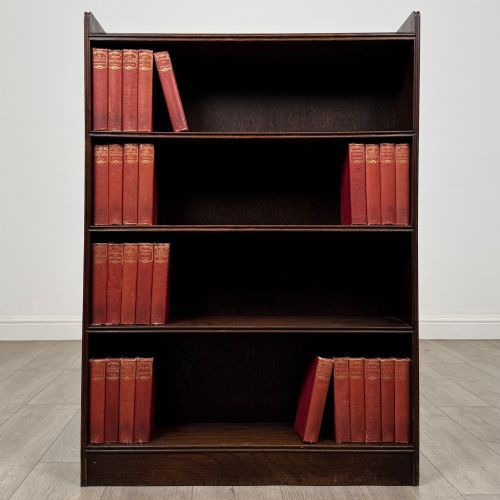
A freestanding open shelf serves as an accessible home for volumes and display items, designed to stand away from the wall or anchor a room divider. When you explore a freestanding open shelf selection, you encounter forms ranging from low Edwardian oak units to multi-tiered Victorian whatnots.
The materials and styles span the nineteenth and twentieth centuries, featuring woods such as mahogany, walnut, and pine alongside regional variants like Anglo Indian padauk. Edwardian oak pieces and nineteenth-century mahogany bookcases dominate the selection, offering straightforward utility combined with period character.
Construction and materials
Cabinet makers utilised solid hardwoods and veneers, selecting oak, mahogany, and burr walnut for their structural durability and grain pattern. Pieces often incorporate adjustable shelving mechanisms, brass fittings, and decorative details such as scroll-work iron or carved mouldings.
Joinery techniques ranged from traditional mortise and tenon joints in Arts and Crafts designs to tiered shelf supports found in whatnots and etageres. Waxed finishes and polished surfaces protected the timber while highlighting the natural figuring of rosewood and padauk.
Listings feature oak, mahogany, walnut, pine, and rosewood across periods from the Regency era through the nineteen-thirties.
Judging quality and craftsmanship
The distinction between standard utility items and exhibition pieces lies in the selection of timber and the refinement of carving. Finely figured burr walnut and exhibition-grade mahogany indicate a higher tier of production compared to utility pine or plain oak.
Proportion and structural integrity separate robust examples from lesser pieces, particularly in tall bookcases and multi-tiered whatnots. Subtle details, such as decorative cut-outs in Arts and Crafts designs or beaded edges on oak shelves, distinguish thoughtful workshop output from mass production.
The Freestanding Open Shelf Glossary
- Waterfall bookcase
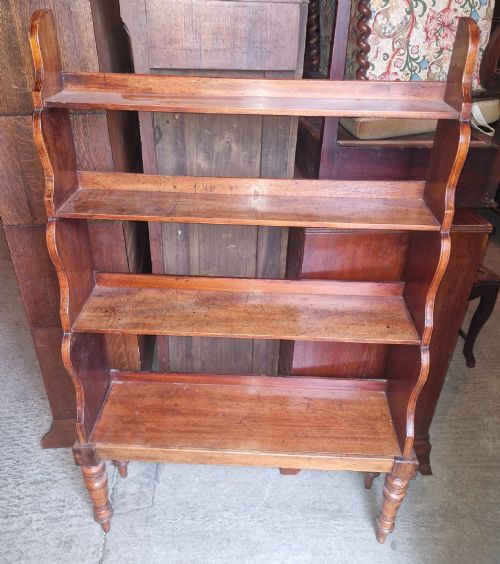
- A shelving unit where each successive tier is set back from the one below, creating a stepped profile resembling a cascading waterfall.
- Etagere
- A piece of furniture consisting of a set of open shelves for displaying small objects. This French term describes pieces similar in function to whatnots.
- Arts and Crafts
- A design movement prioritising handcraftsmanship, simple forms, and visible construction methods. Pieces from this tradition often feature plain oak and subtle decorative cut-outs.
- Padauk
- A dense tropical hardwood known for its deep colour and durability. It appears in imported nineteenth-century furniture.
Freestanding Open Shelf: Frequently Asked Questions
Where should I place a freestanding open shelf?
These units suit living rooms, studies, or libraries where books and decorative objects require accessible storage. Because they are finished on all sides or designed to stand clear of walls, certain models work effectively as room dividers.
Ensure the floor is level to maintain stability, particularly with taller multi-tiered pieces. Positioning them away from direct heat sources protects the timber and prevents the wood from drying out.
How do I adjust the shelves?
Many period bookcases feature slotted interior panels or metal tracks that allow individual shelves to move up and down. This accommodates volumes of varying heights.
Take care when shifting heavy wooden boards to avoid damaging the interior veneer or side panels. Support the shelf evenly while altering its position within the unit.
How do I distinguish Edwardian oak from earlier styles?
Edwardian oak pieces, dating from around nineteen hundred to the nineteen-twenties, often display lighter golden tones and simpler lines than dark Victorian furniture. They reflect a transition towards domestic brightness and practical utility.
Earlier nineteenth-century pieces typically exhibit heavier proportions, darker polished finishes, and more elaborate decorative carving. Examining the interior construction and backboards helps clarify the period of manufacture.
What is the difference between a whatnot and a bookcase?
A whatnot is primarily a tiered display stand with open sides, originally intended for ornaments, porcelain, and small decorative items. A bookcase is built specifically for holding collections of bound volumes.
While both share open shelving formats, bookcases generally offer greater depth and heavier timber construction to support the weight of books.