
Freestanding Mirror Stand
A freestanding mirror stand offers both full-length reflection and mobility, making it a practical and elegant addition to a bedroom or dressing room.
Freestanding Mirror Stand
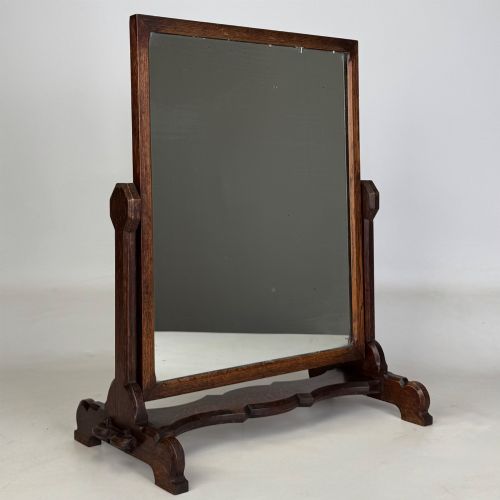
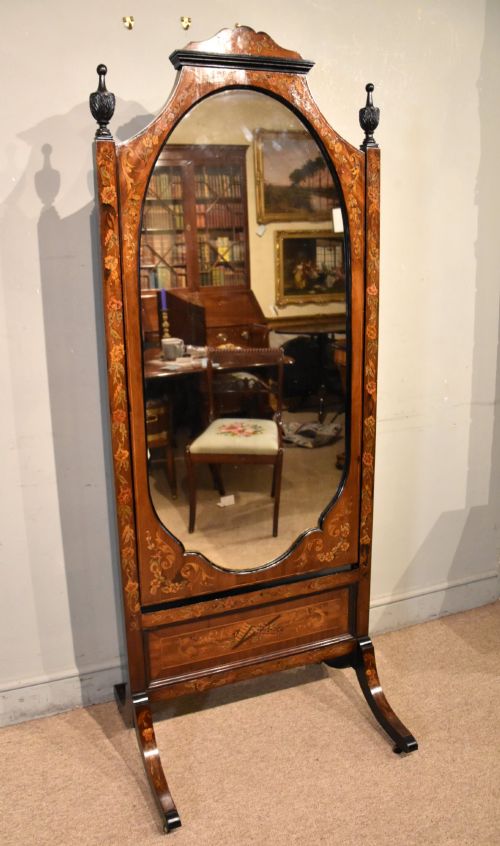
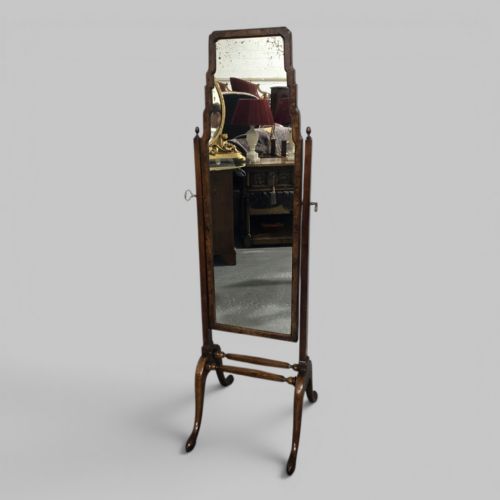
A freestanding mirror stand encompasses a variety of movable looking glasses, ranging from full-length cheval mirrors to adjustable shaving stands and smaller table mirrors. When exploring this selection, buyers frequently encounter Victorian and Edwardian examples alongside pieces from the Regency and later periods.
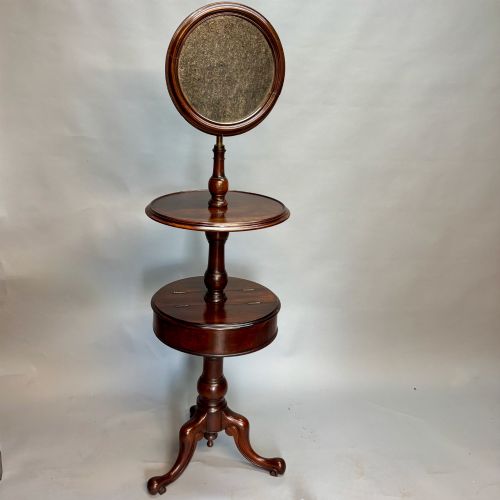
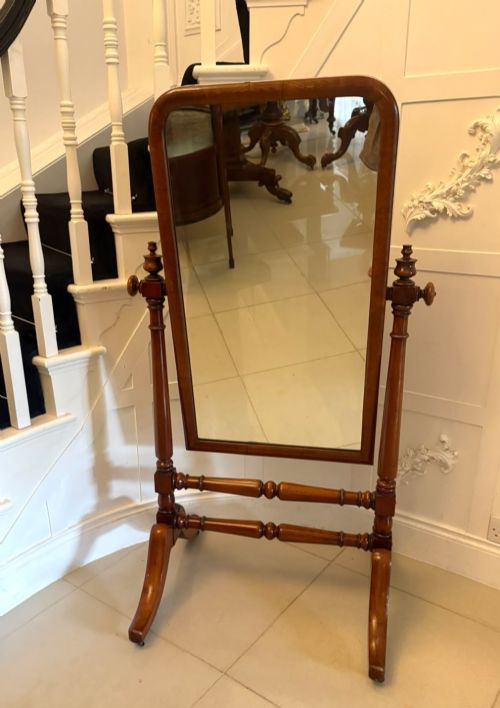
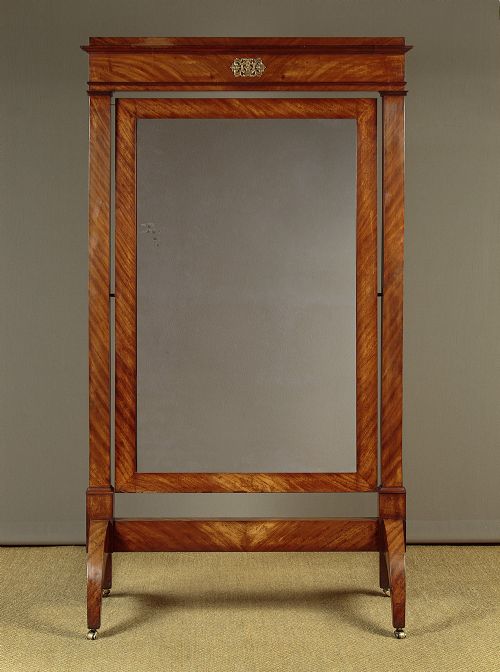
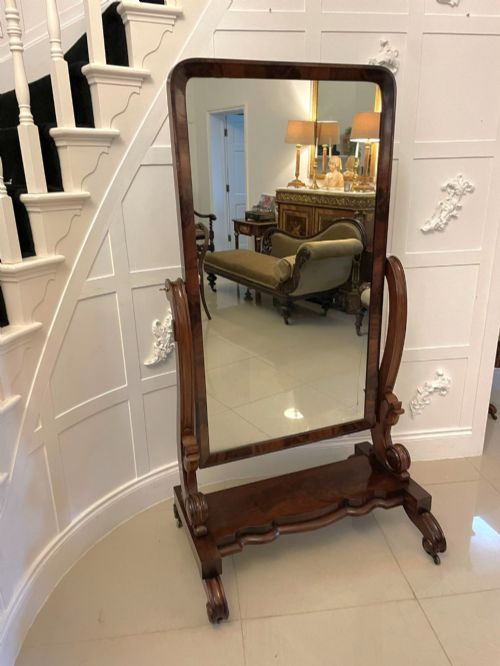
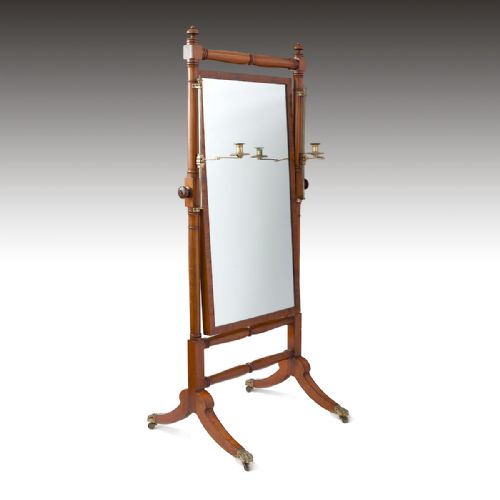
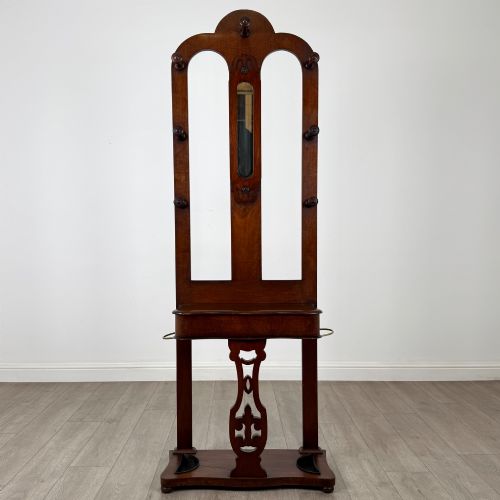
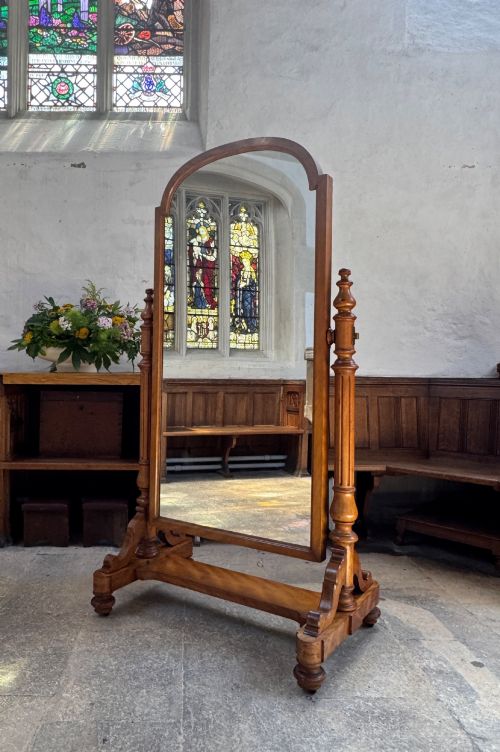
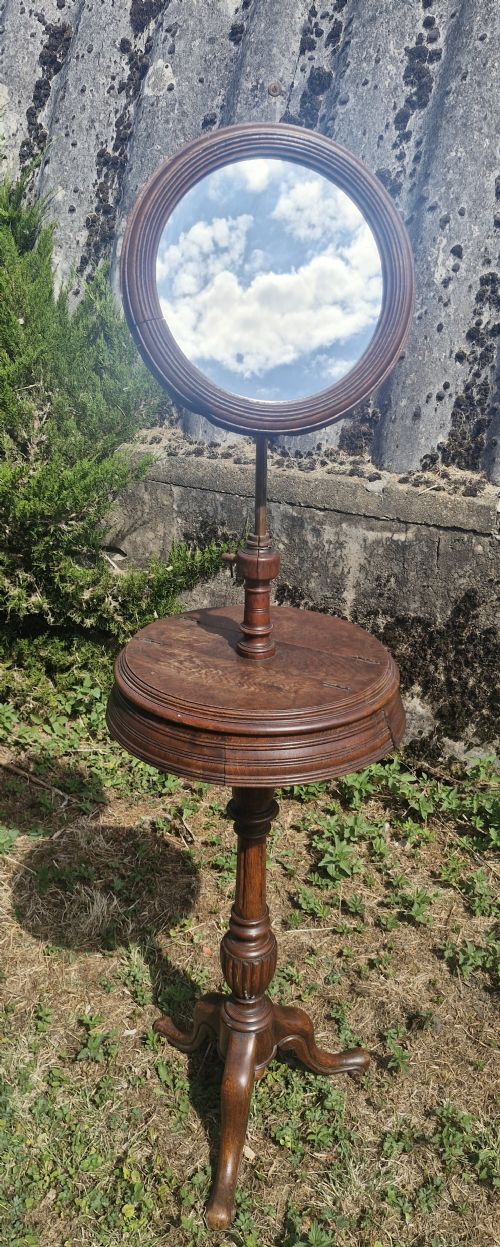
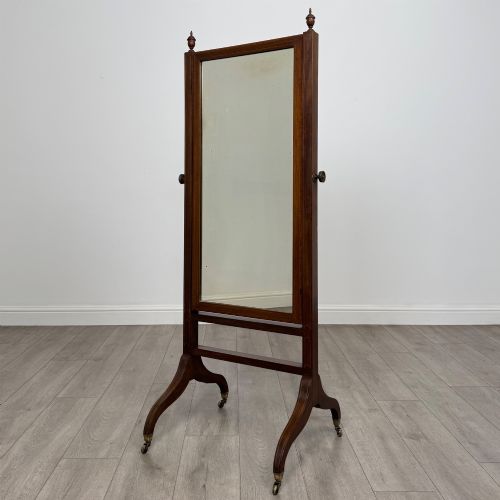
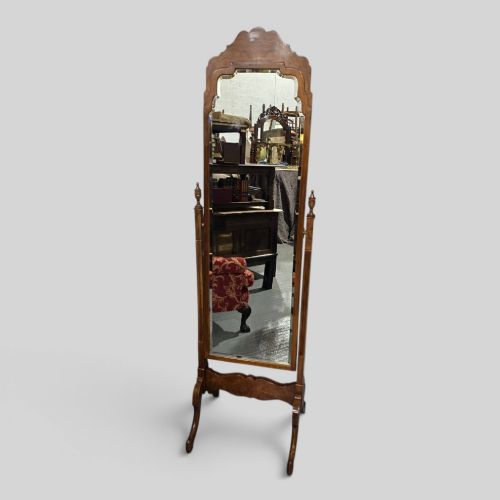
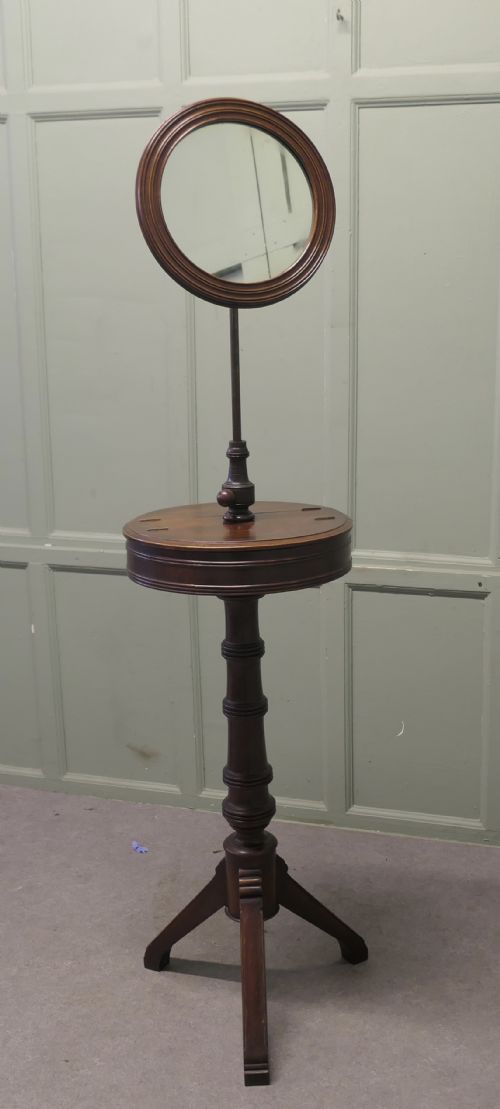
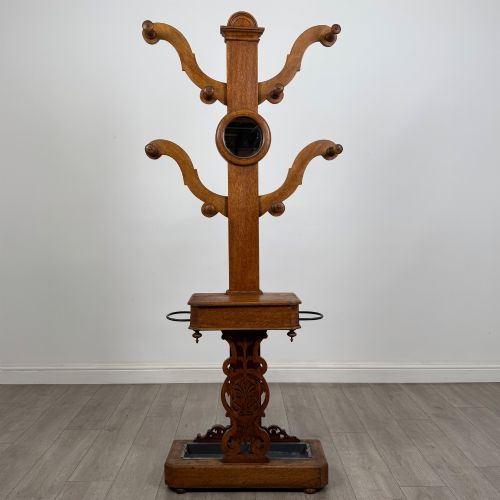
The primary forms appearing in these listings include cheval mirrors designed for dressing, telescopic shaving stands on tripod bases, and hall stands incorporating mirror glass. Mahogany remains the most dominant timber across these varied forms, often complemented by walnut, oak, and satin birch.
Originating largely from the nineteenth and early twentieth centuries, these stands combine utility with decorative style. Whether looking for a Rococo Revival dressing glass or a clean-lined Art Deco design, collectors find pieces that reflect the aesthetic preferences of their respective eras.
Materials and Construction Techniques
Cabinet makers utilised dense hardwoods such as mahogany, walnut, and oak to construct stable frames capable of supporting heavy mirror glass without tipping. Timber frames were frequently polished, inlaid, or carved to align with prevailing styles like Queen Anne, Arts and Crafts, or Renaissance revival.
The pivoting mechanisms of swing mirrors relied on sturdy brass pivots, screws, and brackets that allowed the glass to tilt smoothly to various angles. Telescopic shaving stands incorporated metal rods and screw adjustments to alter height, combining brass hardware with weighted tripod or circular bases for stability.
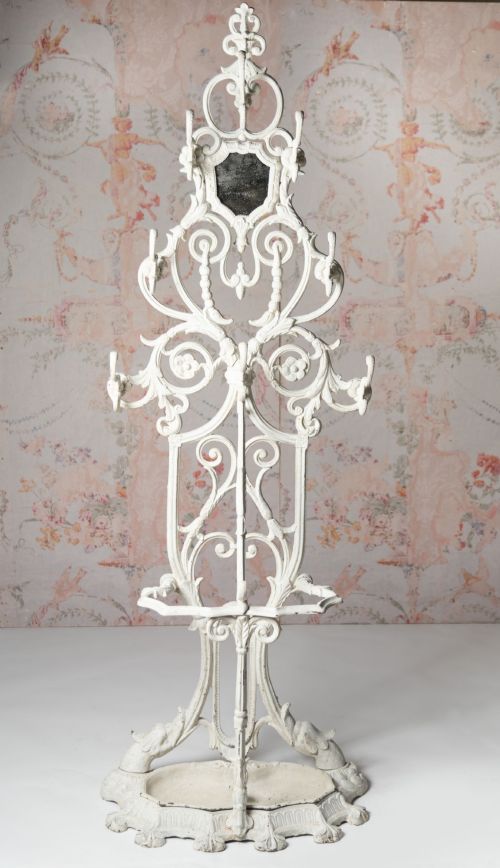
Listings feature timber frames in mahogany, walnut, oak, and satin birch, alongside brass hardware and cast iron components.
Distinguishing Factors in Quality
The distinction between standard examples and the finest pieces often lies in the selection of timber, such as flame mahogany or burr walnut, and the crispness of hand-carved details. Superior items exhibit heavier, more substantial frames with tight joinery and well-executed decorative inlays.
Hardware choice and mechanical execution also define the upper tier of these pieces, seen in original brass sabots, castors, and smooth-operating adjustable brackets. The clarity and depth of the mirror glass itself contribute significantly to the overall presence and desirability of the stand.
The Freestanding Mirror Stand Glossary
- Cheval mirror
- A large, full-length mirror hung within a vertical frame that allows it to swing. This design originated in France and typically stands on four legs.
- Shaving stand
- A smaller adjustable mirror mounted on a pillar, tripod base, or cabinet, designed for personal grooming. These often feature telescopic height mechanisms.
- Sabot
- A metal sleeve or shoe fitted to the foot of a piece of furniture. Brass sabots frequently protect the feet of Regency and Victorian mirror stands.
- Giltwood
- Timber that has been coated with gold leaf or a gold-coloured metallic finish. This technique appears on decorative revival mirrors from the nineteenth century.
Freestanding Mirror Stand: Frequently Asked Questions
How do I adjust a cheval mirror?
Most cheval mirrors use side pivots with thumbscrews or tension nuts located where the frame meets the upright posts. Loosening these fittings slightly allows the glass to tilt to the desired angle before retightening.
Over-tightening can strain the wood around the pivot, so adjust them gently until the mirror holds its position without slipping.
Where should I place a freestanding mirror?
These mirrors work best in bedrooms, dressing rooms, or hallways where they can capture natural light from a nearby window. Placing them opposite a light source helps brighten the surrounding space.
Ensure the floor surface is reasonably level, especially for tripod-based shaving stands or tall cheval frames, to maintain stability.
How do I identify a Victorian mirror stand?
Victorian pieces frequently feature rich mahogany or walnut timbers, substantial frames, and sometimes elaborate carvings or inlaid details. Look for construction methods typical of the period, such as hand-cut screws and traditional joinery.
Many examples also incorporate brass hardware like castors and adjustable pivot pins characteristic of mid to late nineteenth-century manufacture.
Can I dismantle a mirror stand for moving?
Many cheval mirrors can be partially disassembled by removing the side screws connecting the glass frame to the supporting uprights. The uprights themselves may unscrew from the base or feet.
Keep all original metal screws and washers safe during transport, as replacement period hardware can be difficult to match.