



Freestanding Mahogany Cabinet
A freestanding mahogany cabinet brings warmth and practical storage to any room, offering versatile shelving behind timber or glazed doors.
Freestanding Mahogany Cabinet
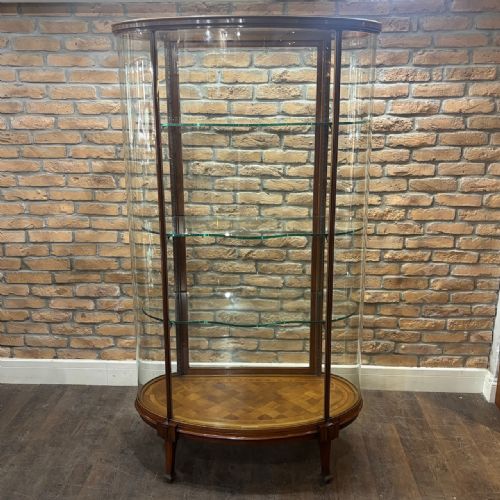
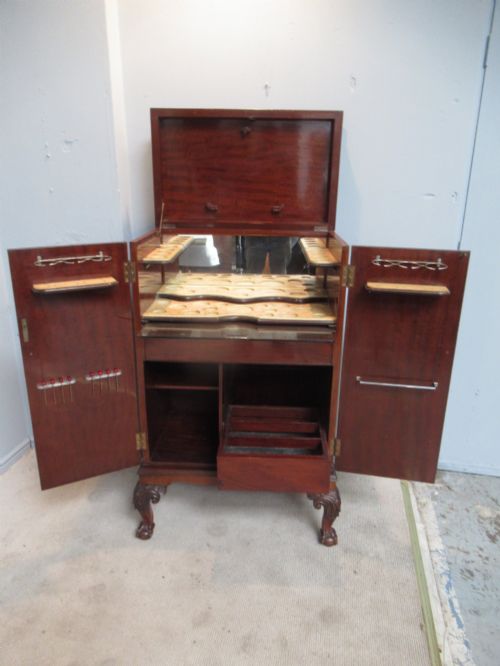
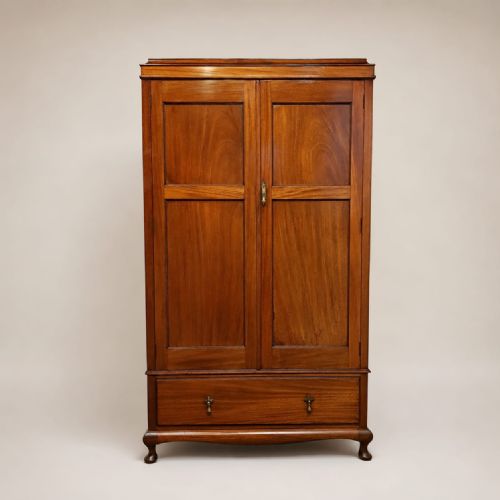
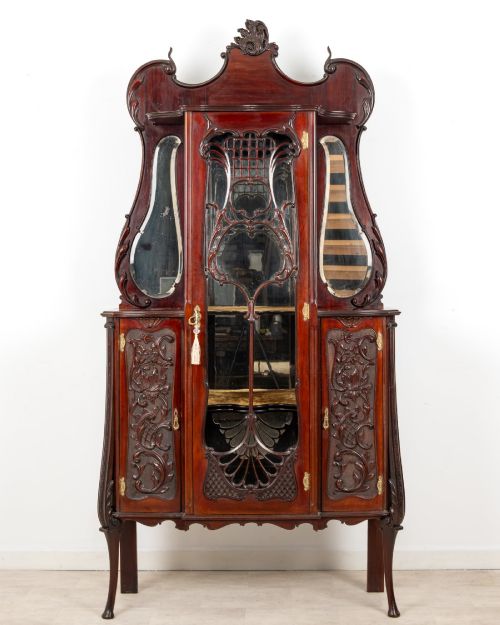
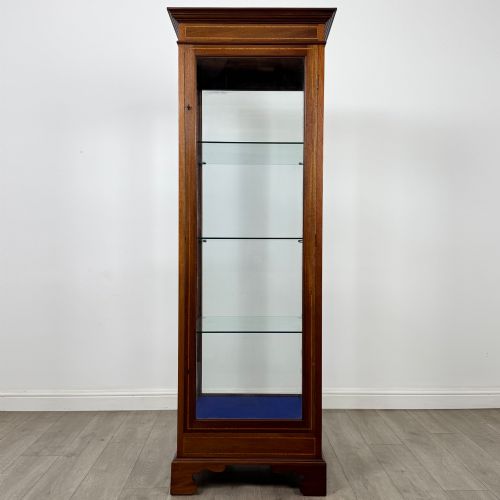
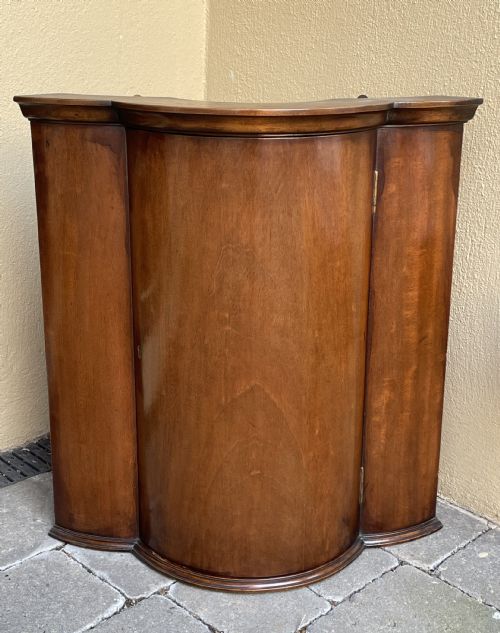
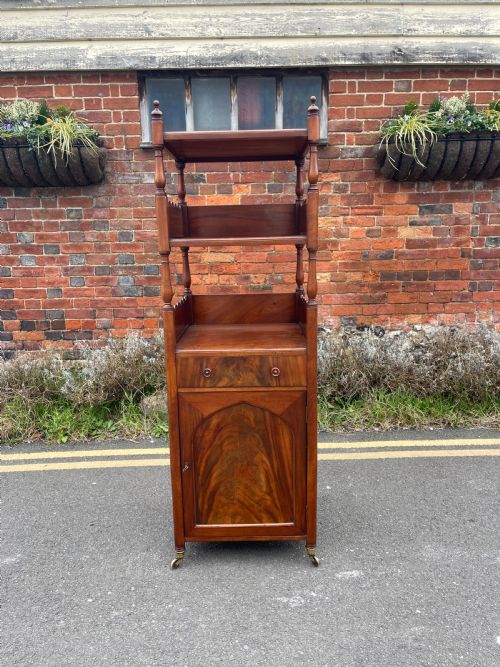
A freestanding mahogany cabinet encompasses a diverse range of forms designed to stand independently against a wall or within a corner. When exploring this selection, buyers frequently encounter display cabinets, corner cupboards, bookcases, and drinks cabinets dating from the Georgian period through to the Edwardian era and the 1930s.
The materials and aesthetic influences vary considerably across these pieces, reflecting shifting tastes from Late Victorian robust craftsmanship to Edwardian inlaid refinement and Chippendale or Queen Anne revivals. Makers utilised timber figures alongside glass, brass, and occasional ormolu mounts to create both domestic furniture and commercial shop vitrines.
Corner cabinets and tall bookcases represent particularly common configurations within this grouping, often featuring glazed doors or open shelving. Each iteration demonstrates how cabinetmakers adapted the fundamental freestanding form to serve changing interior needs over successive centuries.
Materials and construction methods
Makers relied principally upon solid and veneered mahogany, frequently selecting flame mahogany for decorative impact on primary surfaces and doors. Structural stability was achieved through traditional joinery, while secondary timbers provided internal support for shelves and framing.
Decorative enrichment often involved contrasting stringing and satinwood inlay, particularly on Edwardian pieces. Brass hardware, such as hinges, handles, and escutcheons, complemented glazed panels and occasional ormolu mounts to complete the construction.
Several freestanding cabinets double as secret cocktail bars, ready to dispense evening hospitality from behind polite Edwardian veneered facades.
Judging the quality of manufacture
Quality rests upon the selection of timber figures, the crispness of carved details, and the precision of inlaid work. Superior examples exhibit tightly figured mahogany grains and carefully matched veneers that maintain visual harmony across the doors and panels.
Construction integrity distinguishes better pieces through tight joinery, original brass hardware, and well-fitted glass panes. The refinement of secondary details, such as swan-neck cornices or finely proportioned astragals on glazed doors, separates standard utility items from finer workshop output.
Edwards & Roberts·F. Sage & Co
The Freestanding Mahogany Cabinet Glossary
- Vitrine
- A glass-fronted display cabinet used for showcasing porcelain, curiosities, or books. These pieces often feature glazed sides to maximise light penetration.
- Bijouterie cabinet
- A shallow display table or cabinet with a glazed top and sides specifically designed for jewellery and small precious objects. They frequently stand on slender legs.
- Astragal
- A small moulded bar or strip of wood dividing panes of glass within a glazed door or window. Fine astragals indicate meticulous cabinetmaking.
- Flame mahogany
- A veneer cut from timber where the branch meets the trunk, producing a distinctive, highly figured flame-like pattern. It is prized for decorative drawer fronts and door panels.
- Swan-neck cornice
- A broken scroll pediment surmounting the top of a tall cabinet or bookcase. It typically terminates in outward-curving scrolls.
Freestanding Mahogany Cabinet: Frequently Asked Questions
How do I date a mahogany cabinet?
Dating relies on examining construction techniques, timber thickness, and stylistic clues such as inlay motifs or revival influences. Edwardian pieces often display delicate satinwood stringing, whereas Georgian examples show heavier timber construction and simpler joinery.
Secondary woods inside drawers and back panels also provide evidence of age. Subtle shifts in hardware styles help narrow down the period of manufacture.
Where should I place a corner cabinet?
A corner cabinet fits neatly into unused room angles, making it an efficient choice for smaller spaces or awkward layouts. They serve well in dining rooms for porcelain storage or in studies for books.
Freestanding versions require no permanent wall fixing, allowing easy repositioning. Ensure the floor is reasonably level to keep the doors hanging straight.
Can these cabinets hold heavy books?
Bookcases and cabinets designed for libraries generally handle heavy volumes easily, provided the internal shelves rest upon sturdy supports. Victorian and Edwardian library furniture was built with robust timber frames intended for extensive collections.
Check the thickness of the shelves and the condition of the support battens before loading large volumes. Adjustable shelving systems allow flexible spacing for varied book heights.