
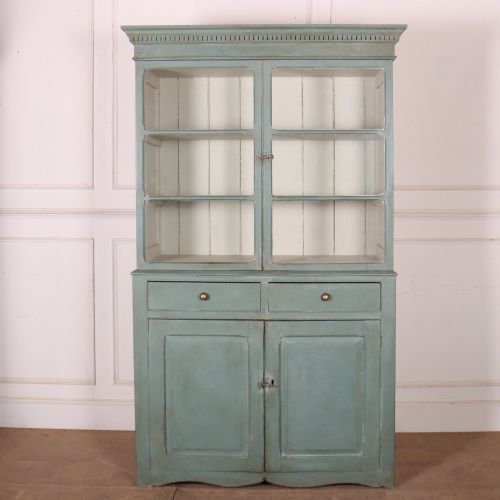
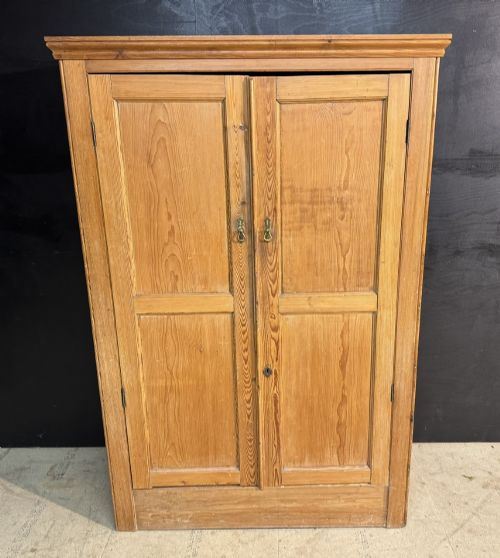
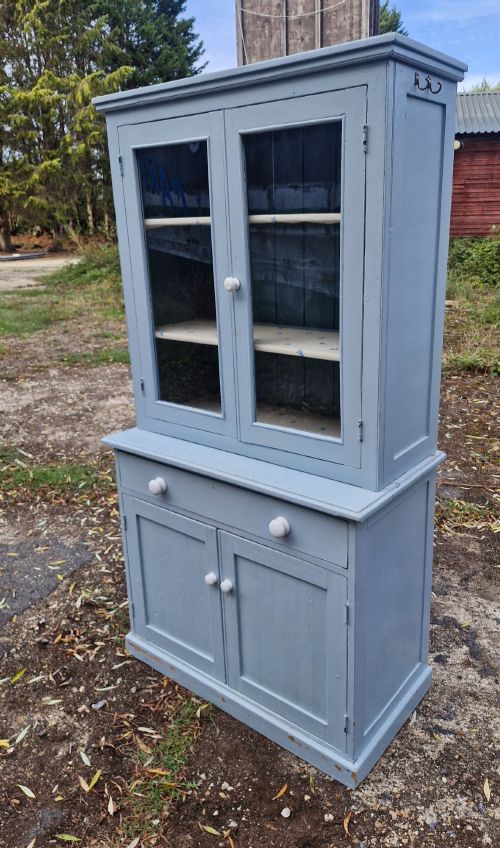
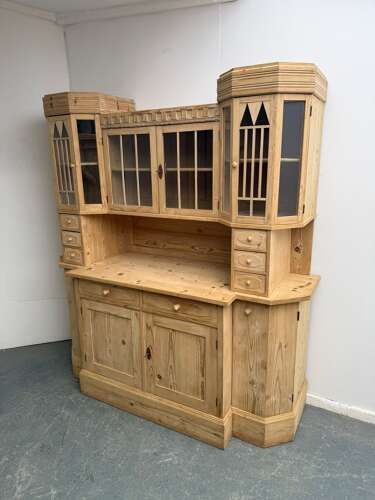
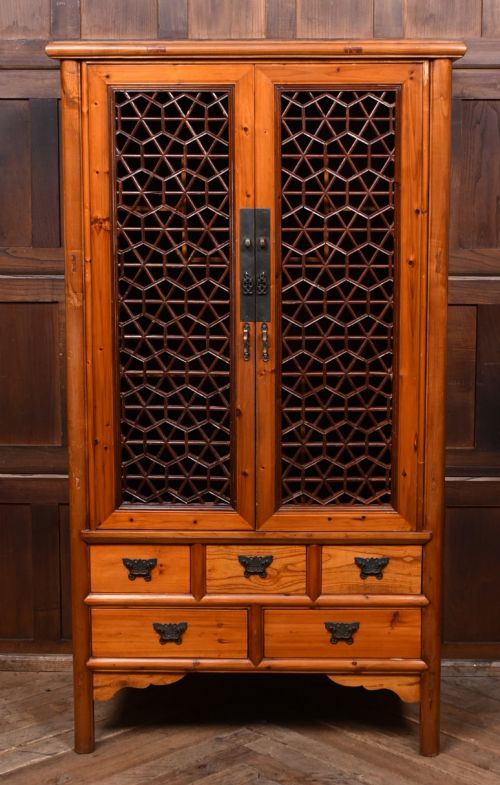
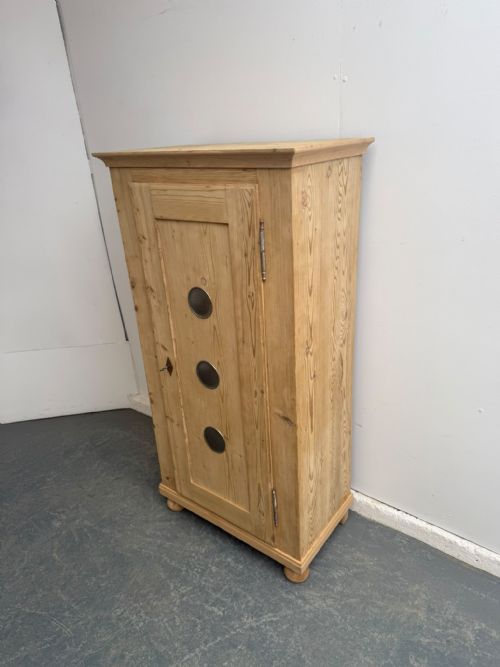


Freestanding Kitchen Cabinet
These freestanding kitchen cabinet pieces bring genuine utility and utilitarian charm to modern homes, offering flexible storage rooted in centuries of domestic history.
Freestanding Kitchen Cabinet
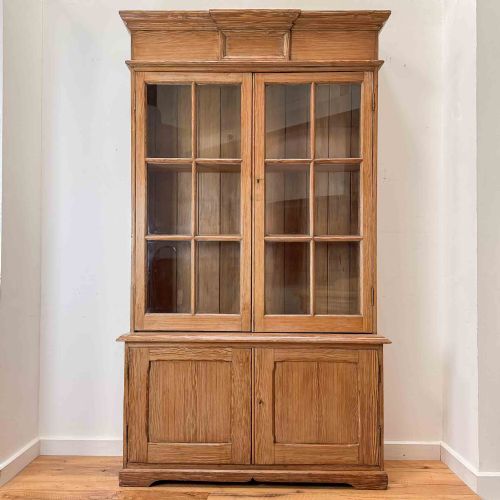
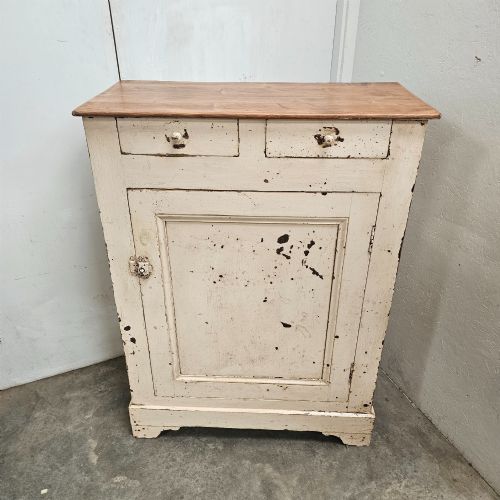
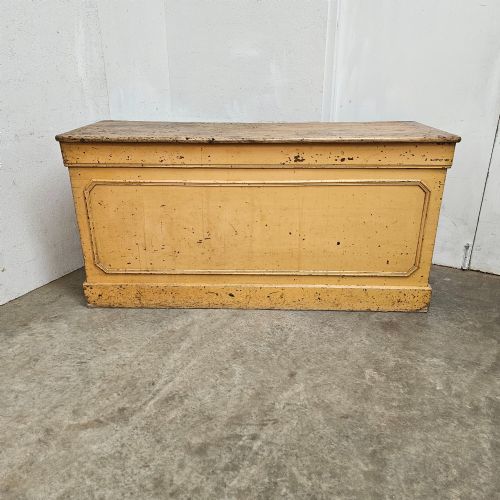
A freestanding kitchen cabinet encompasses a diverse range of standalone storage furniture designed for culinary and domestic spaces, spanning periods from the 18th century through to the mid 20th century. Buyers searching this phrase typically encounter robust pieces built for practical food storage, utility organisation and daily kitchen service.
The most common examples on this page are constructed from pine, often originating from regional traditions such as Scottish country, Victorian country and French provincial workshops. These items frequently manifest as kitchen dressers, larder cupboards, housekeeper cupboards and simple food storage units rather than fitted modern units.
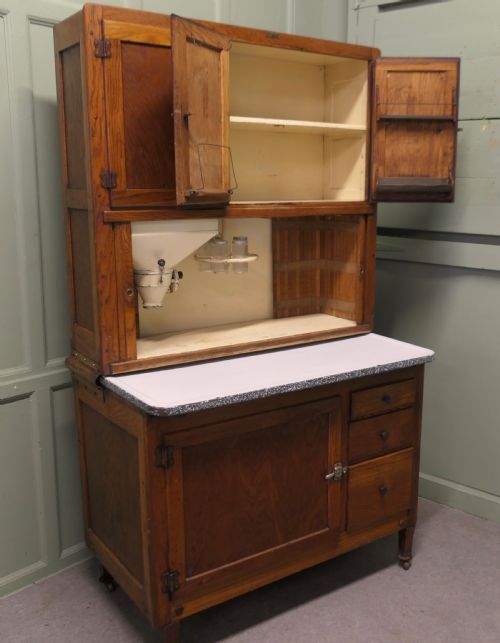
Examples stretch across varied historical contexts, including Georgian country designs, Arts and Crafts creations, Edwardian housekeepers cupboards and early 20th century pieces like American oak Hoosier cabinets. Such variety allows buyers to select formats ranging from single door vented cupboards to large multi part dressers with open racks.
How they were made
Construction relied predominantly on solid timbers such as pine, oak and pitch pine, selected for structural strength and utility within domestic settings. Cabinetmakers utilised traditional joinery techniques to build robust frames capable of enduring heavy daily use in sculleries, larders and kitchens.
Surfaces frequently display applied finishes including historical paint schemes, wax treatments and original pigments, alongside functional hardware fashioned from brass, iron and metal. Glazed doors incorporate glass panels, while specialised forms feature integrated ventilation elements such as mesh or vented panels for food preservation.
One vintage pine cupboard carries later sign writing for Hovis Bread, hinting at a past life outside the domestic kitchen.
What varies in quality
Quality in a freestanding kitchen cabinet is largely determined by the integrity of its original construction and the survival of its primary timber frame. Pieces retaining their initial proportions, uncompromised structural joints and authentic backboards command greater appreciation among collectors and interior designers.
The condition of surface treatments heavily influences overall character, with original painted finishes, historic patination and untouched hardware providing distinct merit. Variations also emerge in regional craftsmanship, where finer detailing in mouldings, panel work and proportions elevates simpler utilitarian forms into exceptional examples of domestic design.
Hudson Bros
The Freestanding Kitchen Cabinet Glossary
- Larder Cupboard
- A tall storage unit traditionally utilised for food preservation and provisions storage, often featuring internal shelving or ventilation.
- Kitchen Dresser
- A multipurpose furniture form combining lower storage cupboards or drawers with an upper open rack for displaying plates and kitchenware.
- Housekeeper Cupboard
- A large, enclosed storage cabinet designed for housing household linens, dry goods and domestic utensils.
- Confiturier
- A French term for a small regional jam cupboard, typically featuring a single door and compact proportions.
- Arts and Crafts
- A design movement prioritising traditional craftsmanship, visible construction methods and simple, honest materials.
- Breakfront
- A cabinetry format where the central section projects forward from the flanking sections, creating architectural depth.
Freestanding Kitchen Cabinet: Frequently Asked Questions
What is a freestanding kitchen cabinet?
A freestanding kitchen cabinet is a movable storage unit designed for culinary spaces, encompassing dressers, larder cupboards and food safes from various historical periods.
Unlike modern fitted cabinetry, these pieces stand independently and offer portable utility that can be repositioned within a room as needed.
How do I identify the period of a pine cupboard?
Period identification relies on examining construction methods, timber selection, hardware types and overall stylistic details evident in the joinery.
Earlier examples from the 18th century and Georgian eras often display hand sawn boards and pegged joints, whereas Victorian and 20th century pieces utilise machine cut elements.
Were these cabinets originally painted?
Many utilitarian cupboards and dressers were painted in historical schemes to protect the softwood timber and brighten dark sculleries or kitchens.
Surviving original paint layers add significant character and historical value to pieces originating from country and domestic workshops.
How can I use a larder cupboard today?
Larder cupboards function exceptionally well in modern kitchens as dedicated pantries for dry goods, dishware or glassware storage.
Their deep shelves and enclosed doors help maintain an organised, clutter-free culinary space while introducing traditional character to the interior.