


Freestanding Food Cupboard
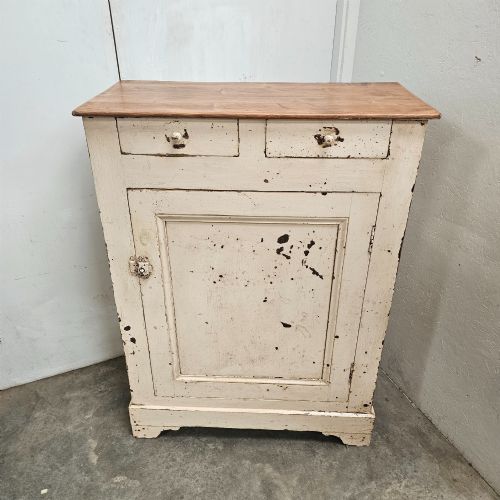
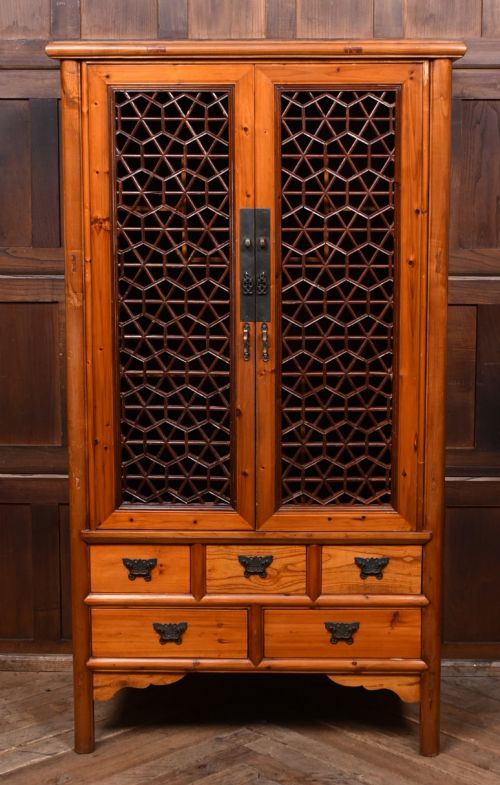
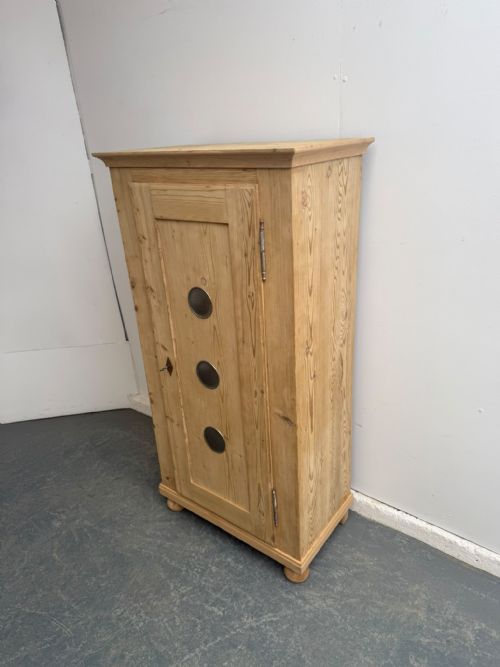
These freestanding food cupboard pieces are practical storage pieces in pine, iron, and paint designed to hold provisions with regional vernacular character.
Freestanding Food Cupboard
A freestanding food cupboard provides functional storage for provisions and domestic goods across various historical periods and regional styles. Buyers seeking a freestanding food cupboard encounter forms such as larder cupboards, pantry cupboards, and jam cupboards.
The inventory on this page spans from the eighteenth century through to the early twentieth century, taking in Georgian Country, Victorian, French Provincial, and Eastern European Folk traditions. Pieces range from single-door vented kitchen cupboards to large pine storage cupboards and housekeeper variants.
Regional variations include English and Welsh vernacular work alongside French painted examples, Swedish linen pieces, and Japanese Meiji items. The primary form remains a sturdy cabinet designed to stand independently against a wall.
Materials and construction methods
Construction relies heavily on pine, often found in old or antique condition ready to wax or paint, alongside cedar and painted wood surfaces. Iron and brass hardware provide hinges, latches, and structural reinforcement.
Many examples incorporate metal mesh for ventilation in food storage, allowing air circulation while keeping pests away from provisions. Surfaces frequently show historical layers of paint or distressed finishes, with some pieces featuring later sign-written details.
One cheerful survivor wears later sign-writing for Hovis Bread, turning a humble storage box into an accidental loaf-lover's shrine.
Assessing quality and character
Quality in these utility pieces rests on the integrity of the timber, the retention of original or early paint surfaces, and the honesty of the construction. Proportion and scale play a significant role, as smaller housekeepers pieces differ substantially from large regional larder cupboards.
The character of the piece is defined by the patina of age on the pine, the presence of original vented panels or mesh, and the simplicity or sophistication of vernacular joinery. Retained working ironmongery and untouched surface finishes elevate individual examples above heavily altered pieces.
The Freestanding Food Cupboard Glossary
- Pine
- A softwood commonly used for vernacular furniture due to its availability and workability. It takes paint, wax, and natural patination well over centuries of use.
- Vented
- Fitted with perforated metal mesh, pierced timber, or wire panels to allow air circulation. This was essential for keeping food fresh in traditional larders and cupboards.
- Housekeeper cupboard
- A large storage piece traditionally used for linens, dry goods, and household provisions. It often combines shelving and cupboard space within a tall freestanding carcass.
- Confiturier
- A French jam cupboard traditionally used to store jars of preserves and confits. These smaller cabinets typically feature a single door and compact proportions.
- Vernacular
- Furniture made by local craftsmen for everyday domestic use rather than following high-style academic designs. These pieces reflect regional materials, traditions, and practical needs.
Freestanding Food Cupboard: Frequently Asked Questions
What is a freestanding food cupboard used for?
These pieces were originally built to store perishables, dry goods, and provisions in domestic kitchens and larders before fitted cabinetry became standard.
Today, they function as versatile storage furniture in modern homes, providing character and utility in kitchens, dining rooms, or hallways.
How do I date an antique pine cupboard?
Dating relies on construction techniques, timber characteristics, hardware types, and historical nail usage. Hand-cut joints, pegged tenons, and wrought iron hinges usually point to earlier periods.
Surface finishes also help indicate age, as original paint layers and deep wax patinas develop over many decades of domestic use.
Are these cupboards made of solid pine?
Most examples listed here are constructed from solid pine timber, which was the standard material for practical domestic furniture across Britain and Europe.
Some pieces incorporate secondary hardwoods for structural elements or drawer linings, but pine remains the dominant wood throughout the carcass and doors.
Why do some cupboards have mesh panels?
Metal mesh panels were incorporated into food cupboards to provide necessary ventilation while protecting stored provisions from insects and rodents.
This airflow prevented moisture buildup inside the cabinet, which was vital for keeping bread, cheese, and cured meats fresh.
How should I care for a painted pine cupboard?
Painted and waxed pine surfaces require gentle maintenance using soft cloths and mild, non-abrasive cleaning methods to preserve the historical finish.
Avoid placing these pieces in direct sunlight or near heat sources to prevent the timber from drying out, splitting, or warping over time.