
Freestanding Display Cabinet
A freestanding display cabinet holds treasured objects while standing clear of the wall, bringing glass and timber into the centre of a room.
Freestanding Display Cabinet
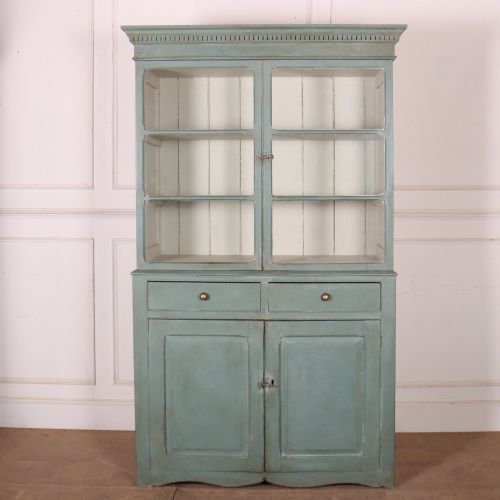
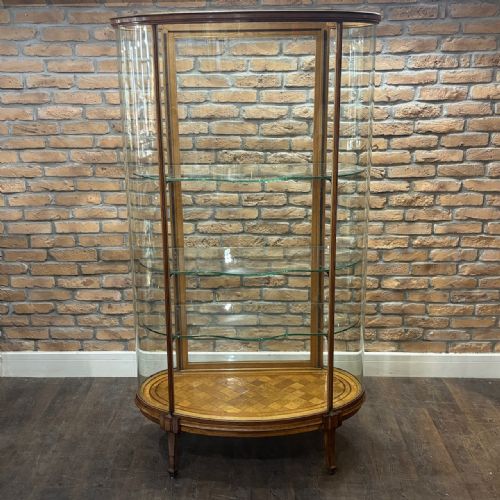
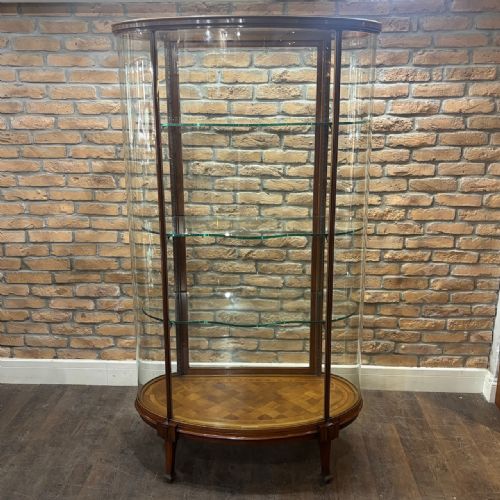
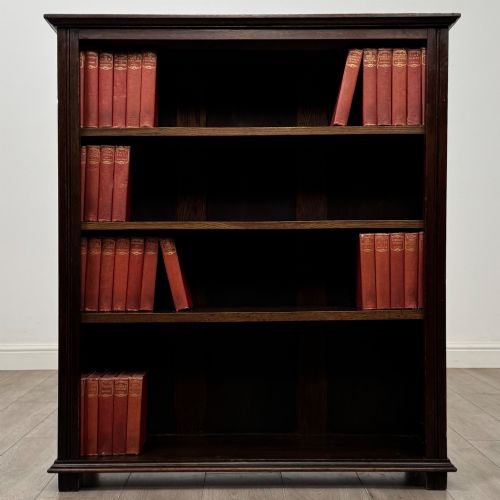
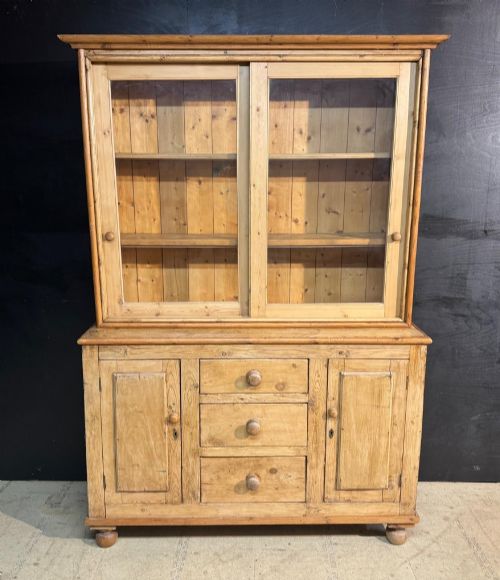
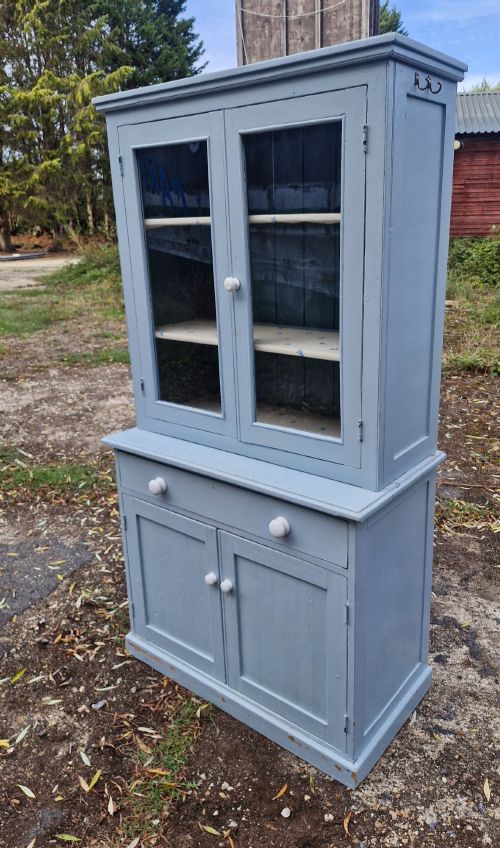
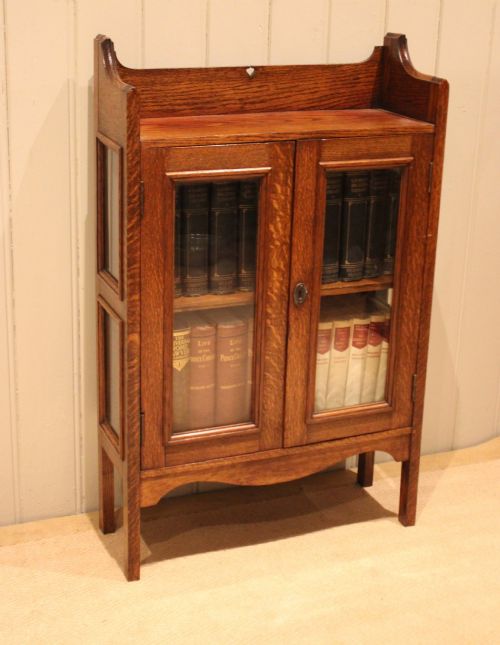
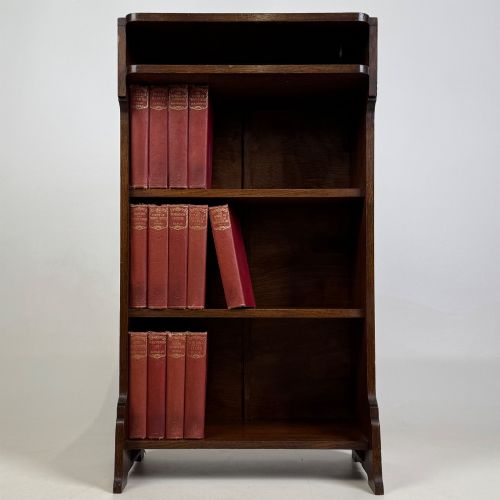
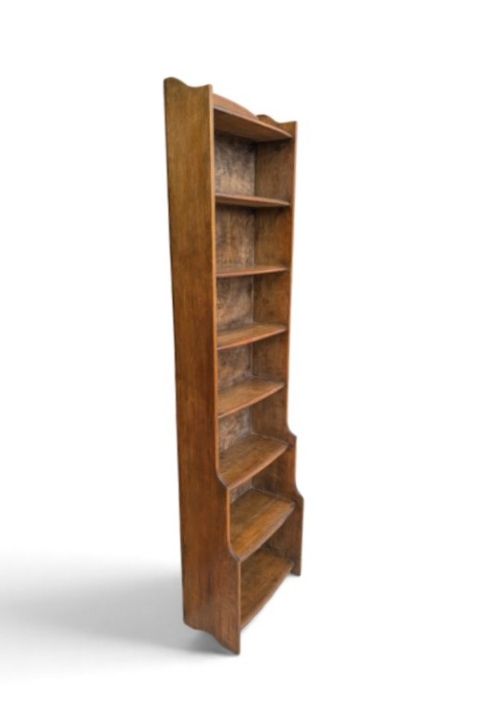
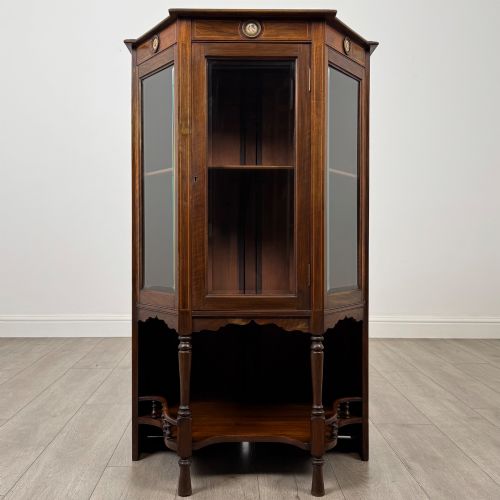
A freestanding display cabinet is a piece of furniture designed to showcase possessions behind glass panes without needing wall support. When you search for a freestanding display cabinet, you encounter various forms ranging from tall shop display fixtures to refined Edwardian vitrines and domestic bookcases.
The selections span multiple centuries and stylistic traditions, with pieces dating from the eighteenth century through the Victorian and Edwardian eras into the nineteen-twenties and thirties. Oak, mahogany, and pine dominate the domestic and commercial examples available.
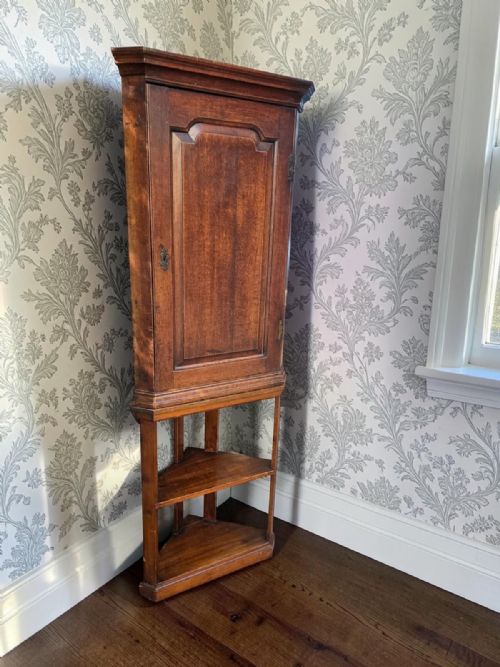
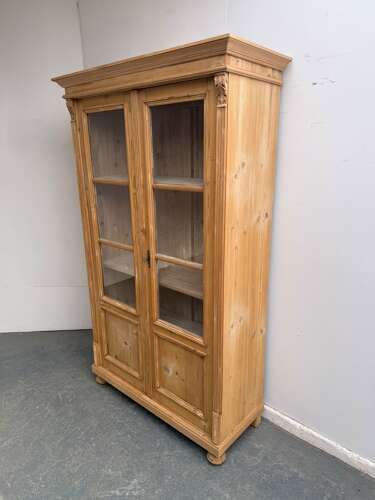
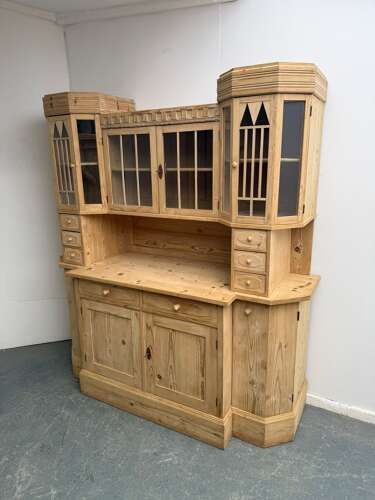
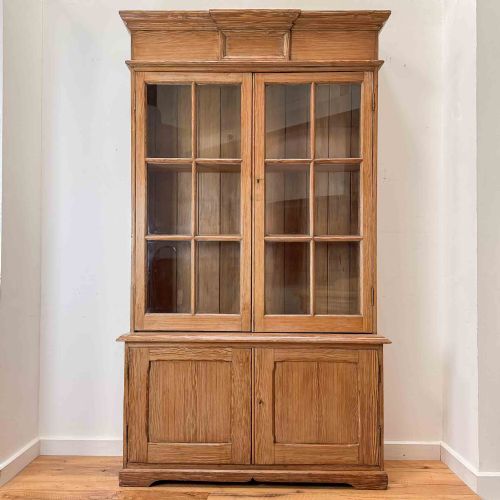
Makers and workshops constructed these cabinets as corner units, tall upright pedestals, and counter-height display cases. Many incorporate glazed doors, open shelving, or lower cupboards to balance exhibition space with enclosed storage.
How they were made
Cabinetmakers utilised durable hardwoods such as mahogany, walnut, and oak alongside softer utility timbers like pine and satinwood. Joinery methods relied on traditional framing and panel construction to support heavy glass panels and loaded bookshelves.
Glazing techniques secured glass panes within timber rebates using wooden beads or putty. Brass fittings, iron hardware, and inlaid wood details provided functional closure and decorative contrast across both commercial shop fittings and domestic pieces.
Several former shop display cases now safely exhibit domestic china instead of nineteenth-century trade goods.
What varies in quality
Quality rests upon the selection of timber and the precision of the joinery rather than ornamentation alone. Dense, well-figured mahogany or quarter-sawn oak indicates a higher grade of material choice from the workshop.
Construction details such as flush-fitting doors, original brass hardware, and cleanly rebated glass panes separate utilitarian shop furniture from refined domestic salon cabinets.
F. Sage & Co
The Freestanding Display Cabinet Glossary
- Vitrine
- A glass-sided display cabinet designed specifically for the exhibition of ceramics, silver, or small collectibles. These pieces often feature glazed panels on multiple sides to maximise ambient light.
- Bijouterie cabinet
- A shallow glass-topped or glazed table-like cabinet intended for jewellery and precious trinkets. They frequently sit on slender legs or pedestals.
- Breakfront
- A cabinet design where the central section projects forward from the flanking wings. This architectural arrangement creates depth and shadow across the front elevation.
- Corner cupboard
- A triangular cabinet built to fit neatly into the ninety-degree angle of a room. Versions range from tall freestanding floor units to small cupboards mounted on stands.
Freestanding Display Cabinet: Frequently Asked Questions
Where should I place a freestanding display cabinet?
Position your cabinet in a room with steady ambient light away from direct heat sources to protect timber joints and internal items.
Allow enough clearance around the piece to open glazed doors fully and circulate comfortably through the space.
How do I date an Edwardian display cabinet?
Examine the timber species, secondary woods used in the interior carcase, and the style of any inlay work. Edwardian pieces often employ light mahogany with satinwood banding and delicate Edwardian motifs.
Check for machine-cut screw heads and uniform manufacturing marks that distinguish early twentieth-century production from handmade eighteenth-century antecedents.
What is the difference between a vitrine and a bookcase?
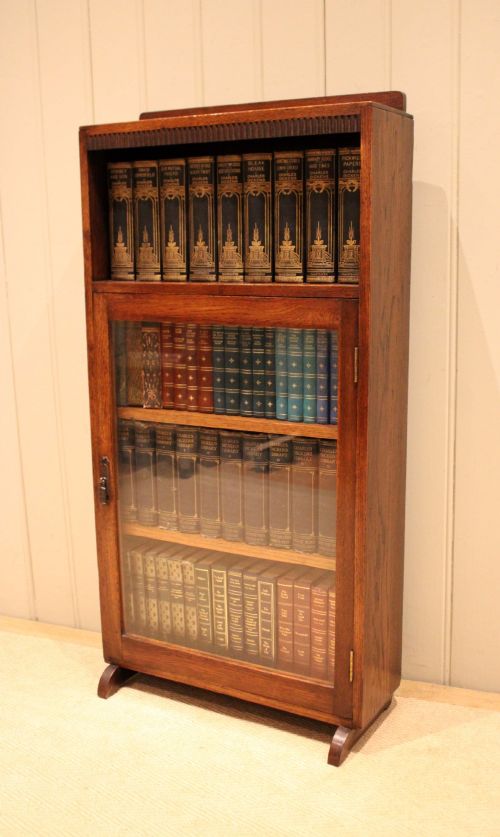
A vitrine prioritises all-around visibility with extensive glass panels on the sides and doors, designed for ornamental objects. A bookcase focuses primarily on open or glazed front shelving intended for book storage.
Many transitional pieces blur these categories by combining bookshelf tiers with glass-fronted display compartments.
Are shop display cabinets suitable for home use?
Commercial display cabinets built for shops offer robust construction, deep proportions, and extensive glass areas that suit modern domestic interiors.
Their commercial origin often brings unique hardware and utilitarian proportions that make an interesting visual contrast in a residential setting.