





Freestanding Book Rack
A freestanding book rack is a movable piece for holding volumes close to hand, built from timber to sit directly on the floor.
Freestanding Book Rack
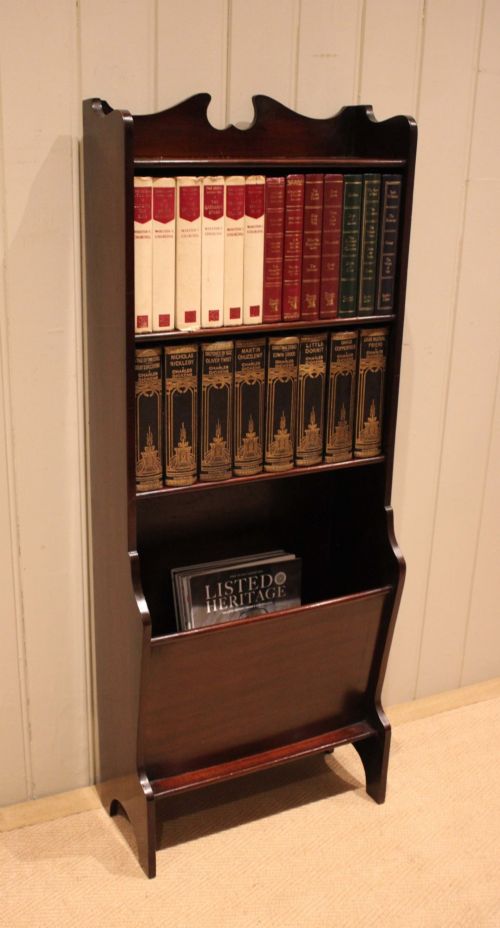
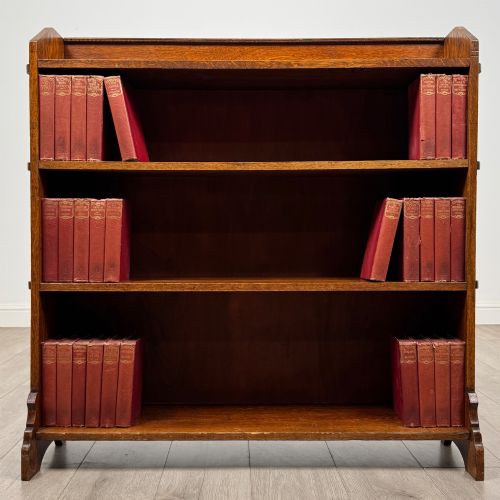
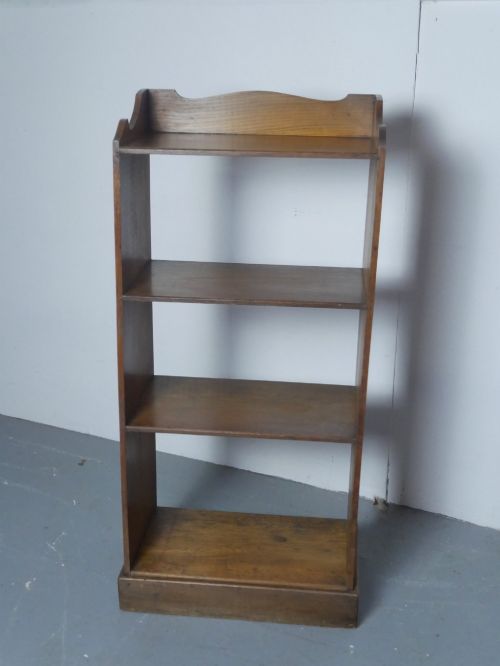
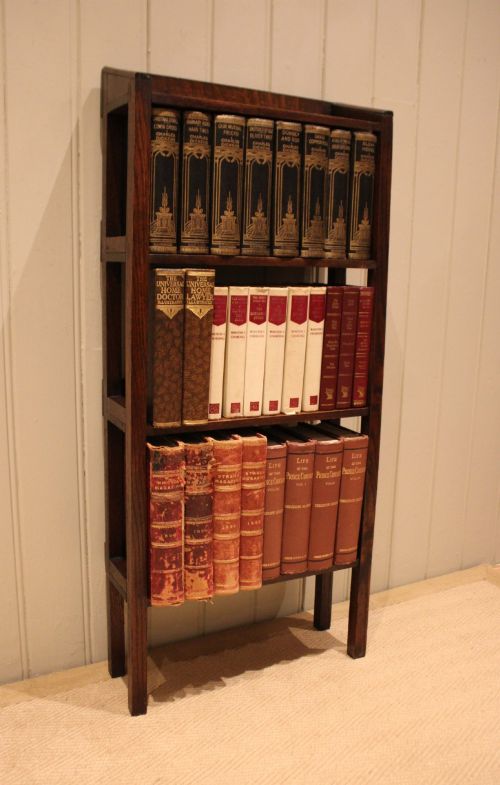
A freestanding book rack serves to keep volumes accessible within a room without requiring wall fixings, taking forms such as open bookcases, book troughs and magazine racks.
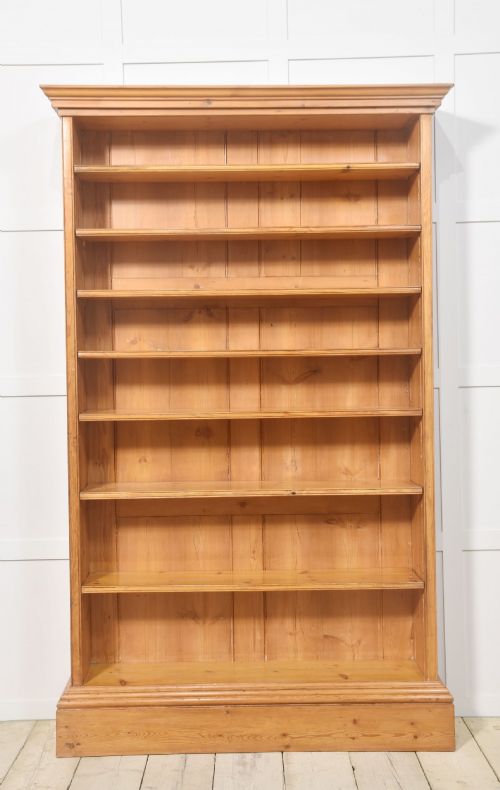
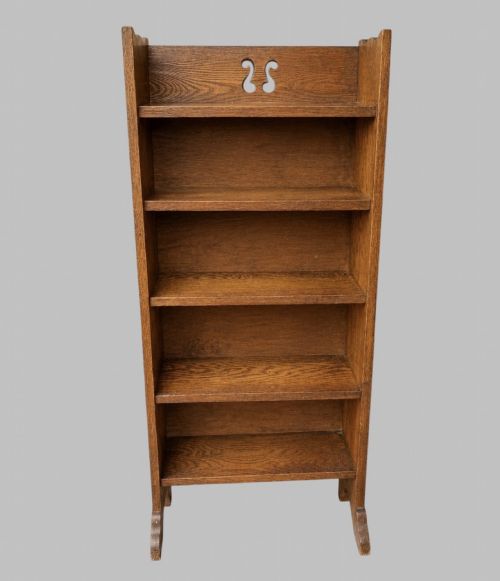
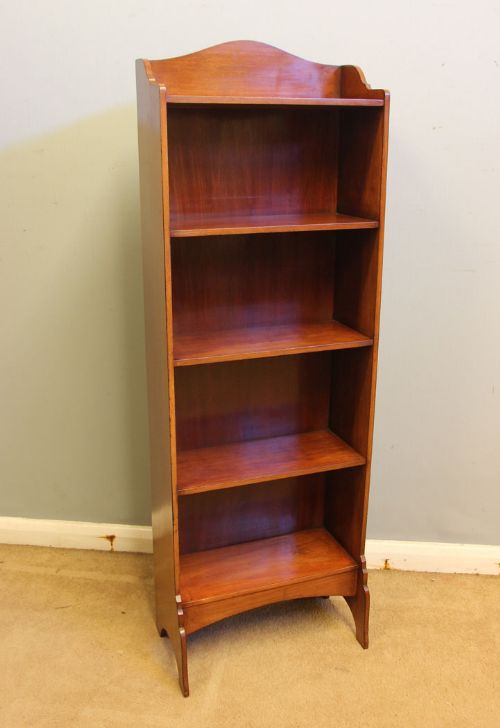
The pieces seen on this page span several decades and styles, with Edwardian and Arts and Crafts oak examples appearing alongside Victorian mahogany designs.
Buyers will encounter compact two-tier library book troughs, large sectioned lawyers book troughs, and open-backed shelving units intended for everyday use.
Materials and construction methods
Makers utilised solid timbers such as oak, mahogany, flame mahogany, satinwood and pine to construct these practical items.
Decorative touches include brass fittings, decorative cut-outs, and inlaid mahogany details that add visual interest to the functional form.
The listings span from the nineteenth century through the nineteen thirties, featuring oak, mahogany, brass, pine and satinwood.
Judging quality in book racks
Superior examples distinguish themselves through the choice of timber, such as well-figured flame mahogany or quarter-sawn oak, coupled with sound joinery.
The presence of considered details, including carved ornamentation, inlaid work, or brass hardware, elevates a utilitarian piece into a finer furnishing.
Waring and Gillows
The Freestanding Book Rack Glossary
- Book trough
- A V-shaped or open-topped holder designed to keep books upright on a table or floor.
- Edwardian
- Pertaining to the period from nineteen hundred to nineteen ten, noted for lighter furniture forms.
- Arts and Crafts
- A design movement favouring honest construction and handcrafted details over mass production.
- Flame mahogany
- Timber showing a distinctive undulating grain pattern resembling flickering flames.
Freestanding Book Rack: Frequently Asked Questions
What is a freestanding book rack?
A movable shelving unit or trough designed to hold books and magazines without needing wall support.
These pieces sit directly on the floor and can be moved around a room as needed.
How do I date a book rack?
Dating relies on observing timber choices, construction techniques, and stylistic markers recorded in the evidence.
Periods range from nineteenth century Victorian Gothic pieces to Edwardian and nineteen twenties oak designs.
Where should I place a book trough?
Book troughs work well beside armchairs, desks, or in studies where current reading material needs to stay close at hand.
Their compact footprints allow them to fit into corners or against shorter wall spaces.
What woods were commonly used?
Makers constructed these items primarily in oak and mahogany, sometimes incorporating flame veneers, pine, or satinwood.
Brass accents and decorative cut-outs frequently appeared to enhance the appearance of the timber.