







Framed Woven Tapestry
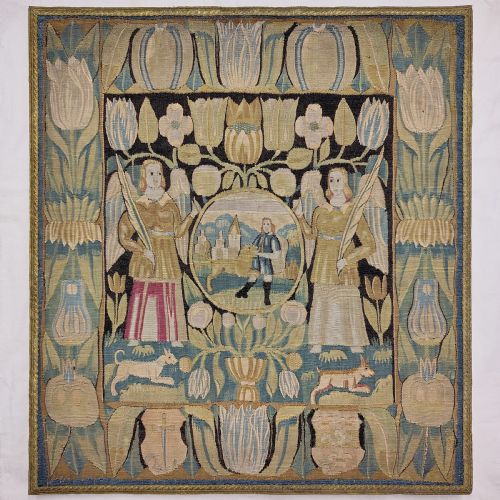
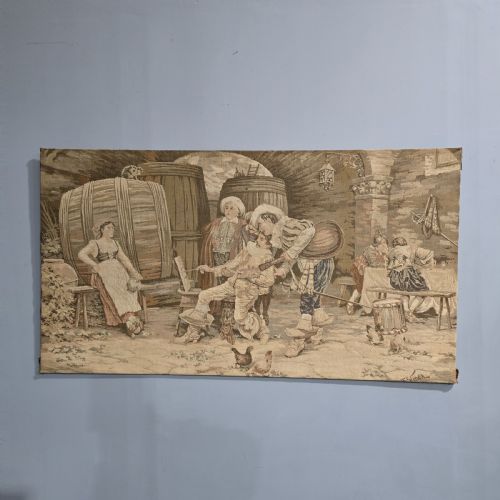
These framed woven tapestry pieces bring rich historic textile art directly onto your walls.
Framed Woven Tapestry
A framed woven tapestry brings centuries of textile artistry into a modern domestic setting, turning historic fragments and panels into striking wall art. When searching for a framed woven tapestry, buyers encounter an eclectic mix ranging from early European wall hangings to twentieth-century panels and African raffia pieces.
The selections available span multiple eras, including seventeenth-century Flemish fragments, eighteenth-century French panels, and later twentieth-century creations. Alongside traditional wall art, the inventory encompasses upholstered seating like armchairs and sofas, plus cushion covers utilising historic textile portions.
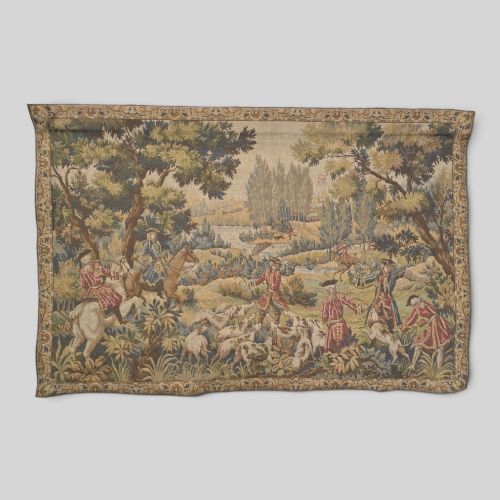
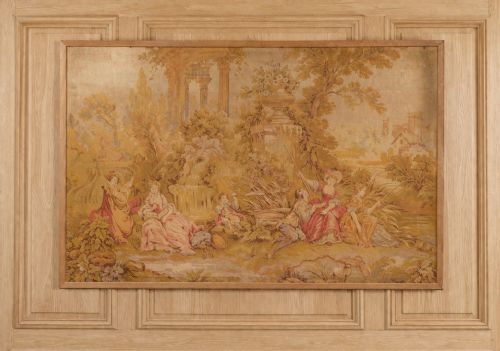
French styles heavily dominate the aesthetic, featuring Baroque, Rococo, and Chateau designs mounted behind glass or within timber and hardwood frames. Pieces vary widely in scale from intimate cushion covers to massive room-anchoring wall hangings.
How they were made
These textiles rely on natural fibres, primarily wool, silk, cotton, linen, and raffia, woven intricately to build complex pictorial scenes. Silk and wool yarns provide the rich tonal depth and varied textures seen in European Baroque and Rococo panels.
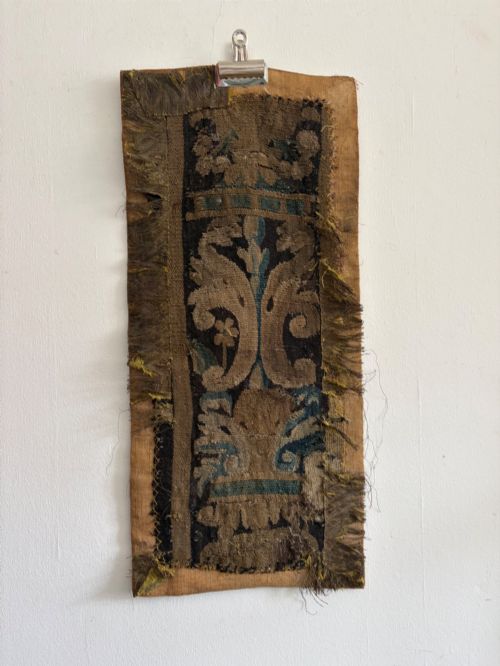
Mounting and framing techniques preserve these fragile textiles, using linen backings, timber frames, hardwood supports, and protective glass. Historic fragments such as verdure borders require careful mounting to stabilise the aged material for display.
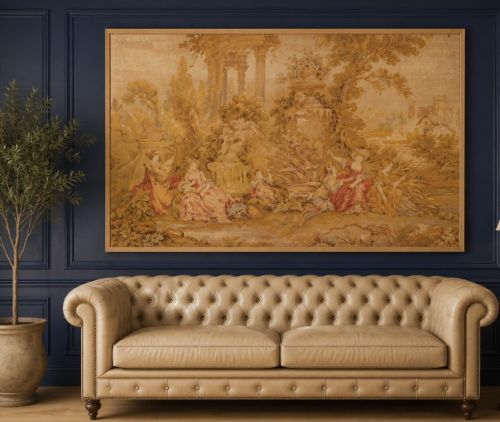
Even a sofa managed to dress up in liberties retail style, proving historic textiles love a comfortable seat.
What varies in quality
Quality rests primarily on the integrity and age of the textile weave, alongside the fidelity of the historic style executed. Earlier seventeenth and eighteenth-century Flemish and French examples demonstrate finer pictorial complexity compared to later decorative interpretations.
The standard of the accompanying frame and mounting work heavily influences the overall execution. Professional mounting to linen and robust hardwood or timber framing ensures long-term preservation and visual impact.
The Framed Woven Tapestry Glossary
- Verdure tapestry
- A type of woven wall hanging featuring landscape scenes dominated by foliage, trees, and often animals. These panels were immensely popular in seventeenth and eighteenth-century European homes.
- Flemish tapestry
- Textiles woven in the Flanders region, renowned for exceptional detail, narrative depth, and rich colour palettes during the seventeenth century and earlier.
- Jacobean style
- An English design aesthetic spanning the early seventeenth century, characterised by robust forms and rich ornamentation often reflected in period textiles.
- Fauteuil
- An open-framed upholstered armchair originating in France, frequently utilising historic tapestry panels for seat and back coverings.
- Raffia tapestry
- A textile created from processed palm fibre, seen in twentieth-century African traditions such as Kuba examples framed for display.
Framed Woven Tapestry: Frequently Asked Questions
How do I hang a heavy tapestry?
Heavy framed pieces require secure wall fixings and sturdy picture hooks rated for the combined weight of the timber frame, glass, and textile. Professional installation is recommended for large panels to distribute the load evenly across wall studs.
Position the piece away from direct sunlight and moisture to protect the natural wool and silk fibres from fading and degradation over time.
Are these tapestries authentic antiques?
The selection includes genuine seventeenth and eighteenth-century Flemish and French fragments alongside later twentieth-century interpretations and regional pieces. Examining the textile weave, materials like wool and silk, and framing methods helps determine the period.
Listings provide specific century attributions to guide collectors in identifying the age and origin of each individual wall hanging or panel.
What is a verdure tapestry?
A verdure tapestry depicts dense woodland scenes, foliage, and natural landscapes, often incorporating distant chateaux or animals. These landscape-focused wall hangings brought the outdoors into formal European rooms during the seventeenth and eighteenth centuries.
Fragments of these large panels frequently survive independently and appear mounted on linen or framed as distinct decorative elements.