


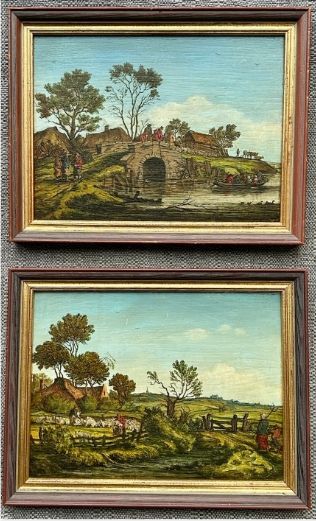
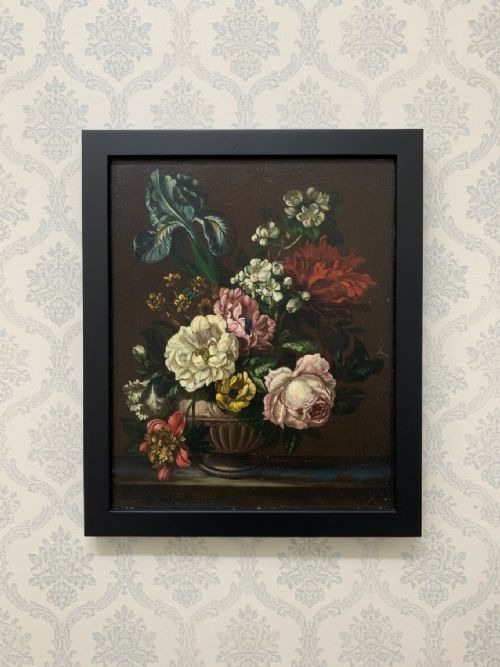
Framed Wood Wall Artwork
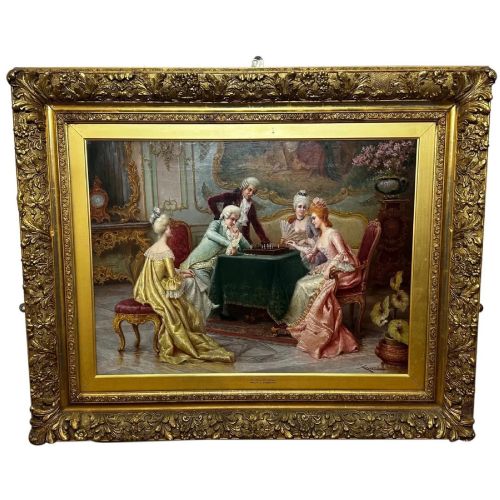
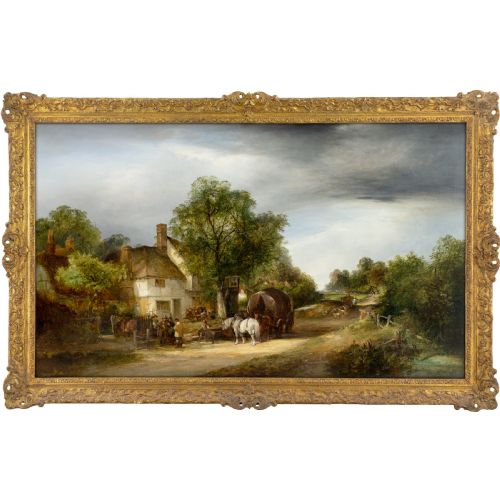
Framed wood wall artwork brings together centuries of painted canvas, pastel portraiture, and print framed within timber surrounds.
Framed Wood Wall Artwork
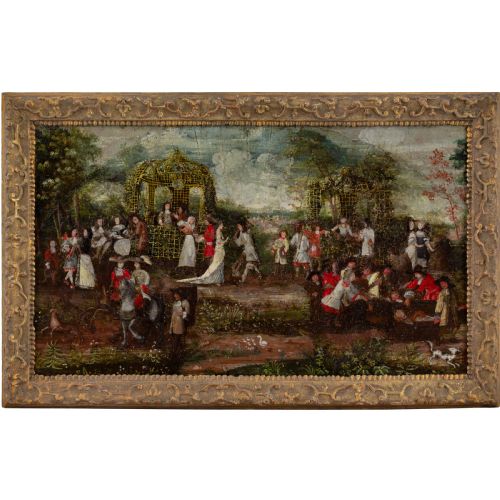
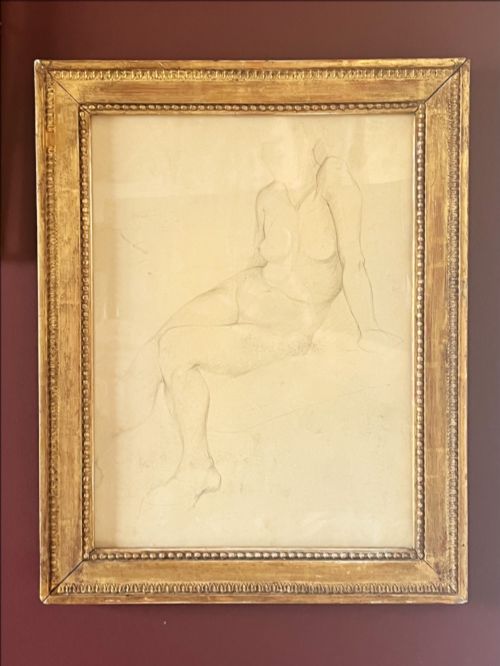
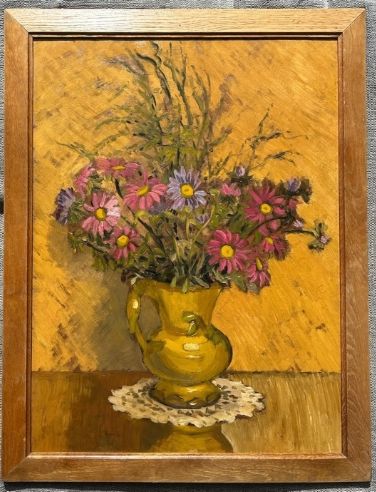
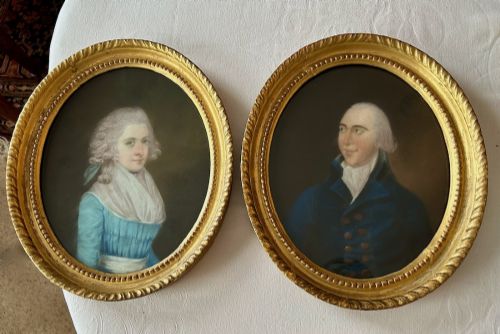
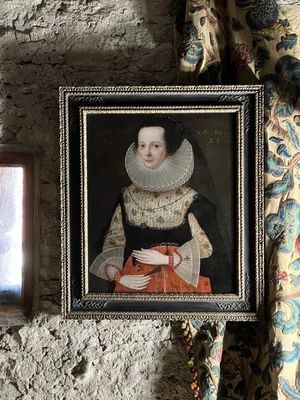
Framed wood wall artwork encompasses paintings, prints, and drawings housed within wooden surrounds spanning several centuries of production. When exploring framed wood wall artwork, buyers encounter pieces ranging from seventeenth-century oil panels to mid-twentieth-century watercolours and pastels.
The objects on this page predominantly feature oil paintings on canvas or wood, pastel portraits on paper, and botanical watercolours. These works originate from various European schools and British makers, utilising timber frames that often match the period of the artwork within.
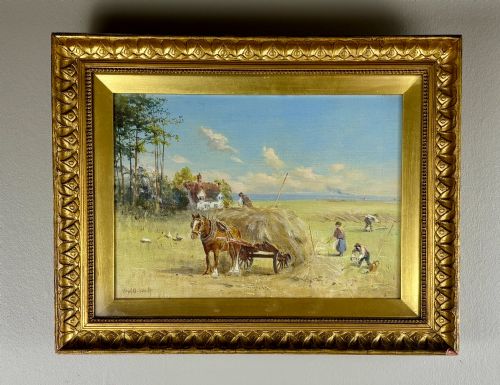
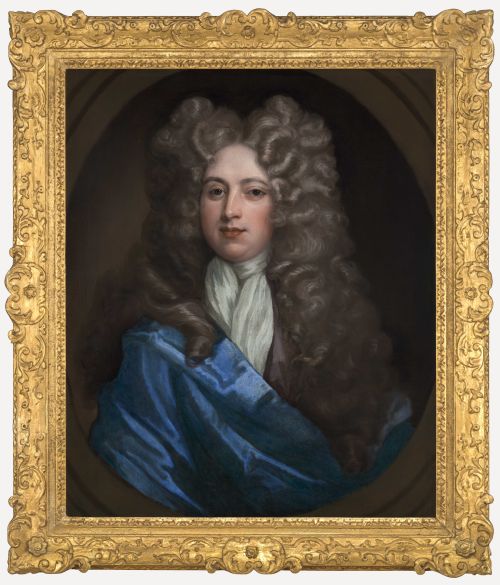
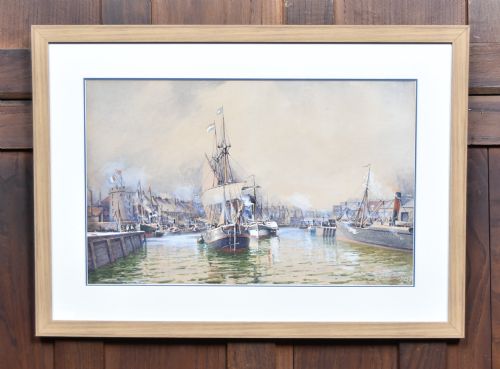
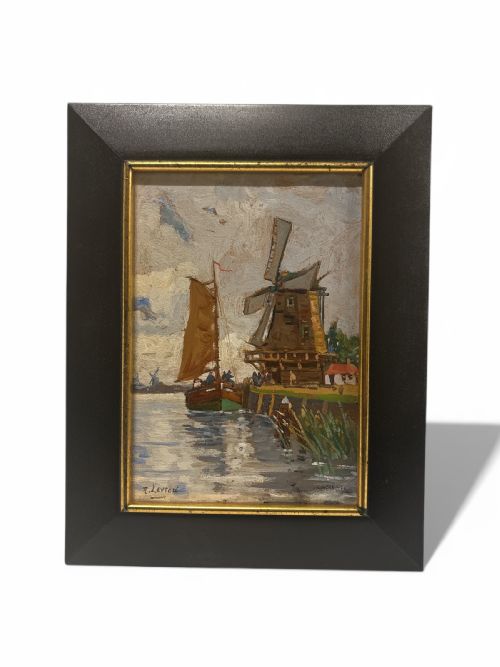
Surviving examples span the Georgian, Victorian, and Edwardian eras, alongside mid-century pieces from the 1950s and 1960s. Portraiture and still life dominate the selection, accompanied by marine scenes, landscapes, and botanical studies.
Materials and Construction
Makers utilised wood as the primary structural material for both the interior supports, such as panels and stretchers, and the exterior frames. Canvases, paper sheets, and wooden boards served as the base surfaces for oil paint, watercolours, and pastels.
Gilt and gold leaf frequently embellish the timber mouldings, adding reflective brilliance to portraits and landscapes. Glass panels protect fragile paper works, pastels, and watercolours from environmental damage.
Painters applied oil pigments and water-based paints using traditional brushwork techniques, while printmakers employed methods like mezzotint. Frames were constructed using traditional joinery, housing the artworks securely behind glass or exposed to the room.
Listings feature works created on wood, paper, canvas, and glass, utilising oil paint, pastel, and watercolour across eight distinct historical periods.
Quality Variations
Superior execution in brushwork and draftsmanship separates the finest portraits and still lifes from simpler decorative pieces. The handling of light, shadow, and anatomy reveals the artist's level of training and mastery over the medium.
The integration between the artwork and its housing influences overall distinction, particularly when original timber or gilt frames survive intact. Period-appropriate mouldings that complement the palette and scale of the picture elevate the piece.
Depth of composition and clarity of detail distinguish masterworks from standard school productions. The preservation of the underlying panel, canvas, or paper surface without heavy overpainting determines the integrity of the surviving item.
Joseph Clover RA·Emily Eyres·Thomas Creswick·Valentine Green·James Macardell
The Framed Wood Wall Artwork Glossary
- Oil on panel
- A painting executed with pigment suspended in drying oil applied directly to a flat piece of wood. This technique provides a rigid support that frequently survives centuries of display.
- Pastel portrait
- A drawing created using coloured chalk-like paste sticks on paper to render a likeness. These works require glass protection to prevent the pigment from smudging.
- Mezzotint
- A printmaking process of the intaglio family where the artist works from dark to light by roughening the copper plate. This method achieves subtle gradations of tone and rich dark areas.
- Gilt frame
- A wooden moulding coated with gold leaf or metallic powder to create a lustrous surface. These surrounds highlight the visual boundaries of the artwork.
- Botanical watercolour
- A detailed painting of plant specimens executed in water-soluble pigments on paper. These accurate studies record floral structures with scientific precision.
Framed Wood Wall Artwork: Frequently Asked Questions
What periods do these artworks represent?
The listings span from the seventeenth century through the Georgian, Victorian, and Edwardian eras into the mid-twentieth century. Pieces reflect the prevailing artistic styles of their respective decades.
Examples include seventeenth-century oil panels, eighteenth-century pastel portraits, and twentieth-century railway posters and marine paintings.
How should I hang these pieces?
Secure wall fixings suited to the weight of the timber frame and support panel are essential for safe display. Heavy oil paintings require robust picture wire and wall hooks.
Keep artworks away from direct sunlight and moisture to protect the wooden frames and sensitive pigments on paper or canvas.
Are the frames original to the artwork?
Many items retain their period frames, such as antique gilt mouldings or rosewood surrounds paired with nineteenth-century watercolours. Some pieces indicate original housing in the listing details.
Replacement frames occasionally occur when older surrounds sustained damage beyond repair over centuries of use.
What subjects appear most frequently?
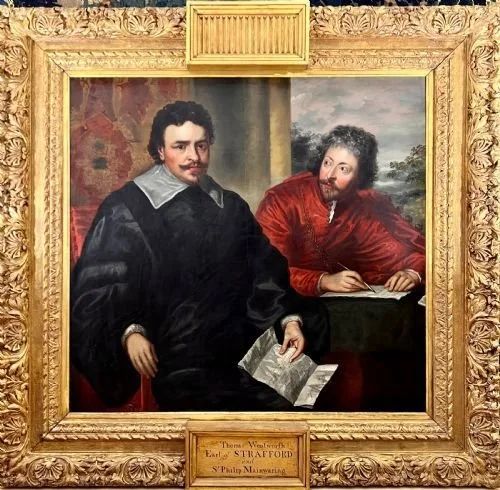
Portraits dominate the selection, featuring subjects ranging from nobility and children to military figures and judges. Still life arrangements of flowers and fruit also recur across multiple centuries.
Landscapes, marine scenes, cityscapes, and botanical studies provide variety among the figurative works.