

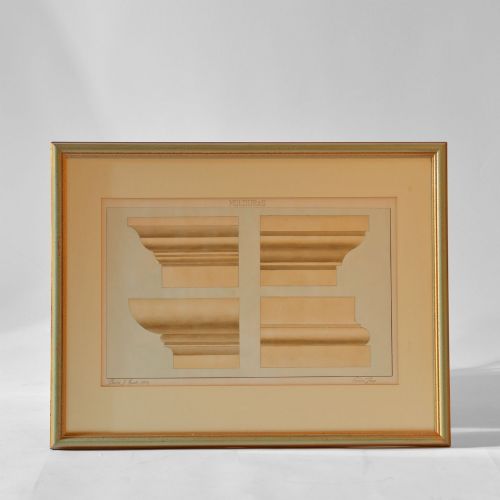
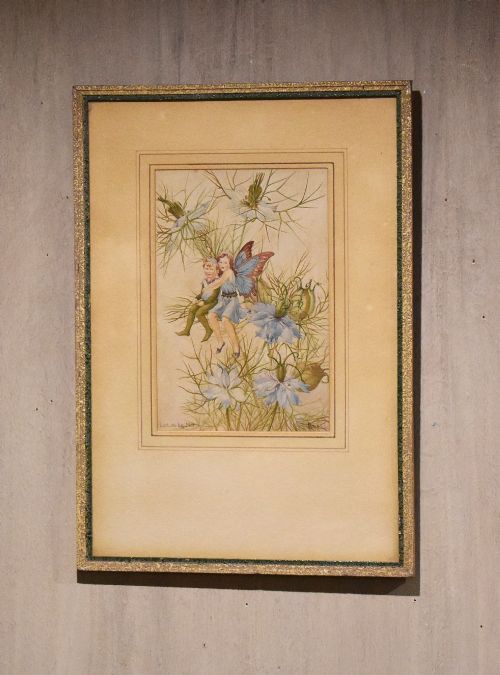
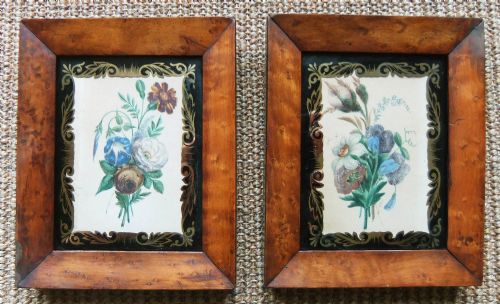

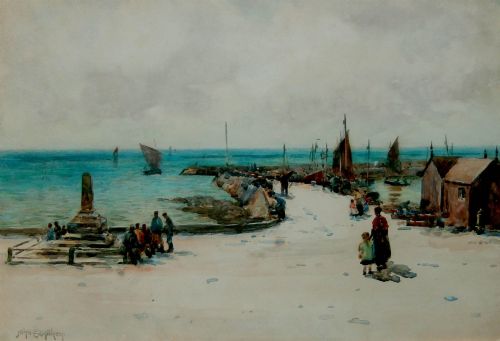
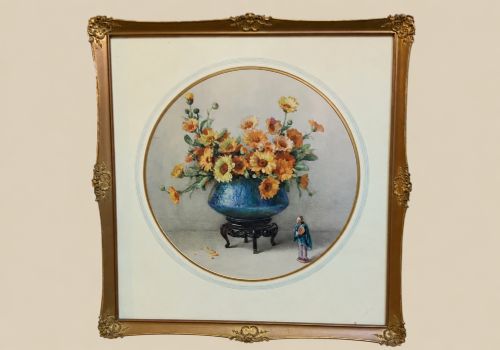
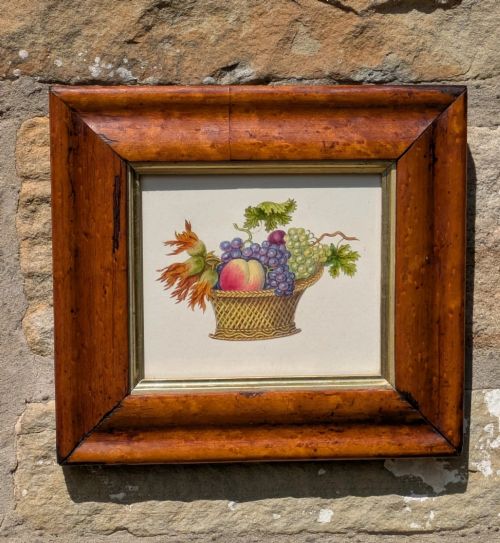
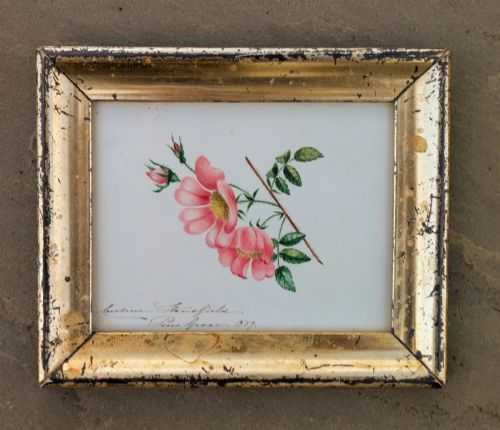
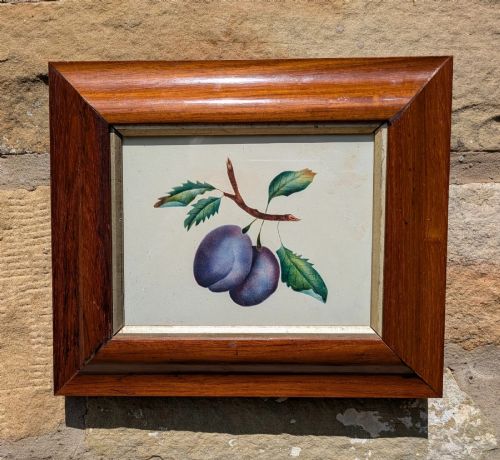
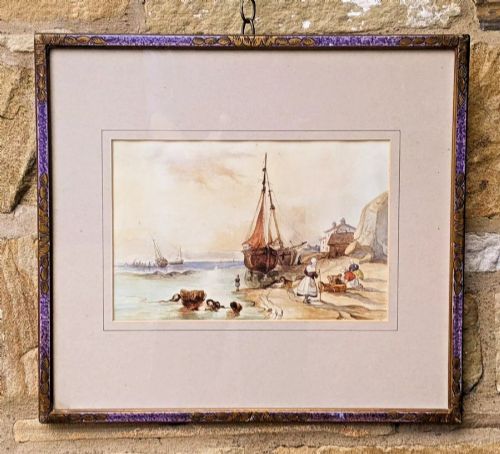
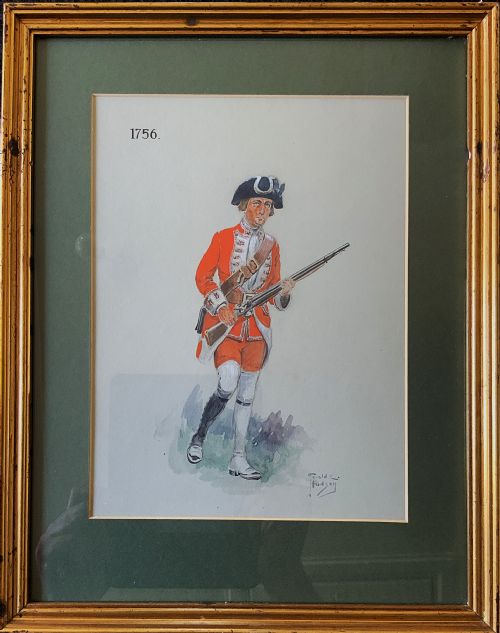
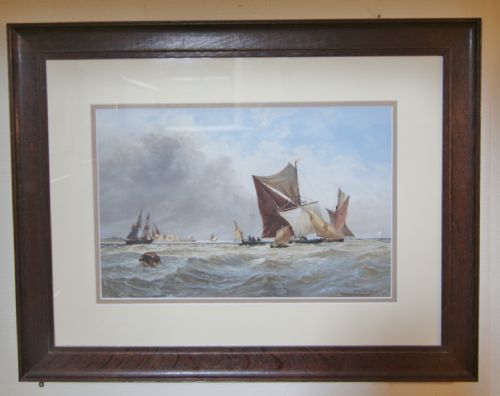
Framed Watercolour Print
These framed watercolour print options bring together historical brushwork and period frames, offering character for walls without excess fuss.
Framed Watercolour Print
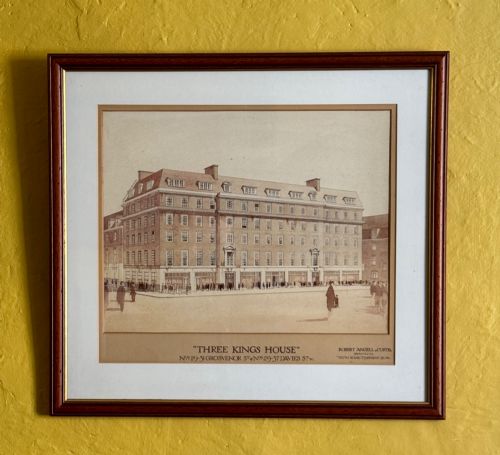
A framed watercolour print search covers delicate works on paper alongside related prints, spanning Victorian, Edwardian, and mid-century periods. Buyers encounter botanical studies, maritime scenes, and architectural subjects preserved behind glass.
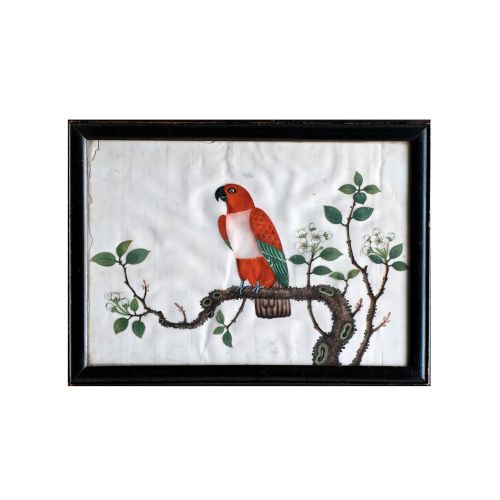
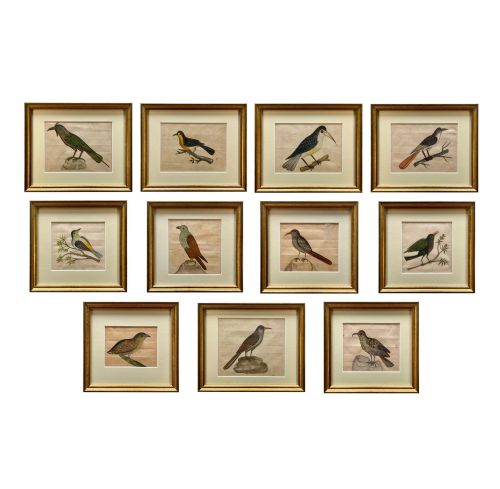
The selection ranges from nineteenth century botanical studies to twentieth century bird paintings and coastal views. Pieces often arrive housed in period wooden frames, including rosewood, oak, and gilt wood.
Origin points stretch from British schools to continental European scenes and Japanese fairy tale illustrations. Most examples display the direct hand of an artist utilising watercolour pigment and ink on paper.
Materials and construction
Works combine watercolour pigment and ink applied directly to paper supports. Some items incorporate wash techniques alongside the primary pigments to build tone and depth.
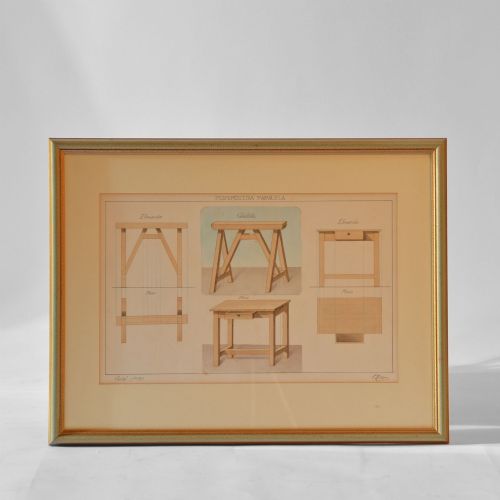
Protection relies on glass glazing fitted into timber surrounds such as rosewood, oak, and ebonised wood. Many examples feature deep giltwood mounts that frame the composition.
Framed Watercolour Print Retail Price Guide 2026
Typical asking prices for framed watercolour print among the pieces listed under this phrase on Sellingantiques today, from the lower quarter to the upper quarter. They describe what is for sale here now, not the wider market.
Listings feature works from the nineteenth century through to the mid-twentieth century, utilising paper, glass, and watercolour pigment.
Distinctions in quality
Colour retention and pigment stability separate robust examples from those faded by light exposure. Strong works maintain the original vibrancy of the botanical or maritime palette.
The harmony between the artwork and its period frame influences the overall integrity of the piece. Deep giltwood mounts and appropriate timber surrounds complement the paper work.
Marjorie L Davies·Harry Bright·Thomas Ellison·John E Aitken·Frederick Walker·TB Hardy·George Rankin·Cecil Beaton·Ralston Gudgeon·Charles Edward Wilson·Warwick Goble·M Simpson·James William Booth·Arthur Hopkins·Charles F Tunnicliffe
The Framed Watercolour Print Glossary
- Watercolour pigment
- Colouring material ground with a water-soluble binder for painting on paper. It allows for translucent washes and fine illustrative detail.
- Gilt wood
- Timber treated with a thin layer of gold leaf or metallic gilt. It provides a reflective border around historical paper works.
- Wash
- A thin, fluid layer of diluted watercolour or ink spread across paper. This technique creates uniform skies or atmospheric background depths.
- Ebonised frame
- Wood stained or treated to resemble deep black ebony. This dark finish creates a sharp contrast against lighter botanical or avian watercolours.
- Lithograph
- A planographic printing method using a stone or metal plate. It reproduces original artwork onto paper surfaces.
Framed Watercolour Print: Frequently Asked Questions
How do I hang a watercolour?
Hang these works away from direct sunlight to prevent the watercolour pigments from fading over time. Keep them in rooms with stable humidity to protect the paper and wooden frames.
Ensure the wall fixings match the weight of the glass and timber frame. Secure hanging wire or brackets firmly to support the piece safely.
Are these works original paintings?
The selection includes unique hand-painted watercolours alongside printed works and lithographs. Check individual listings to distinguish between original brushwork and printed editions.
Signatures, paper texture, and pigment pooling often indicate a direct painting. Lithographs display microscopic dot patterns under close inspection.
What frames come with these?
Frames vary from period oak and rosewood to ebonised timber with giltwood mounts. Each surround reflects the era of the artwork, from Victorian to mid-century styles.
The glass glazing protects the delicate paper surface beneath from dust and atmospheric moisture. Original frames retain the historical context of the piece.
How do I date a watercolour?
Dates rely on artist signatures, framing styles, and subject matter trends across the nineteenth and twentieth centuries. Paper quality and inscriptions on the reverse also offer clues.
Victorian pieces often feature rich botanical or maritime subjects in heavy mounts. Mid-century examples show leaner aesthetics and modern subject choices.