


Framed Village Artwork
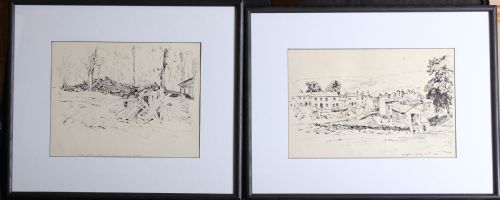
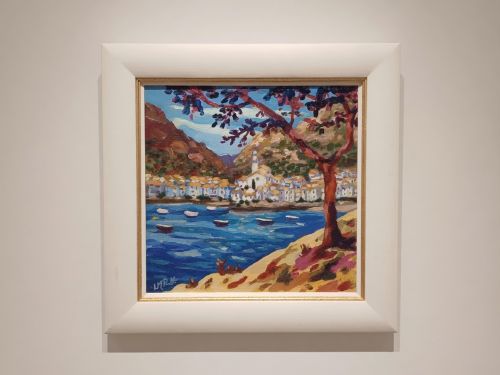
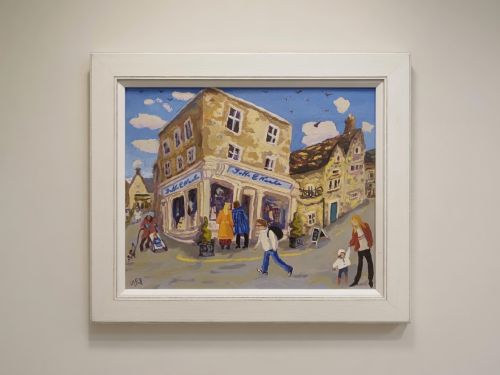
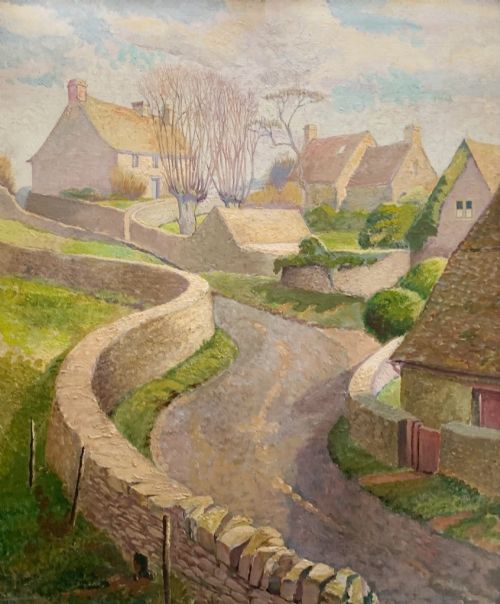
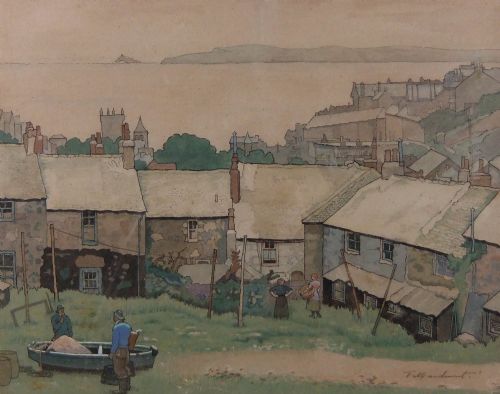
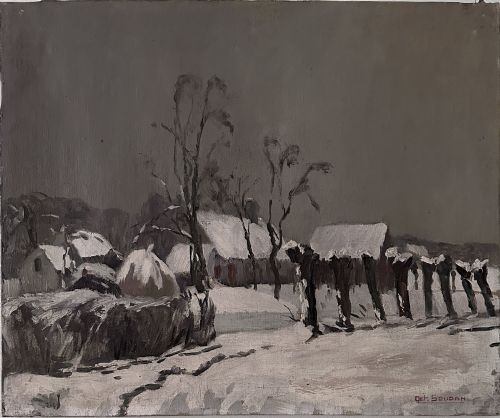
Framed village artwork brings rural life into rooms through paintings, watercolours and drawings from the Victorian era to the mid-twentieth century.
Framed Village Artwork
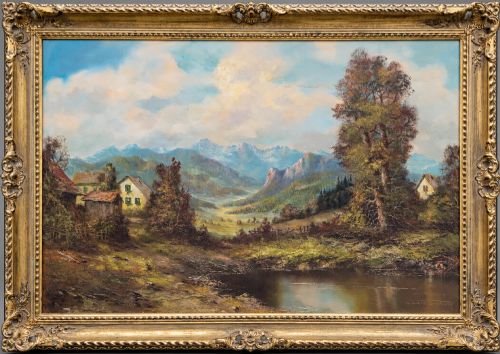
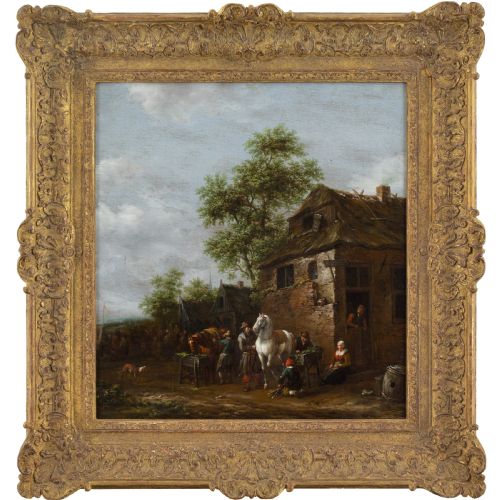
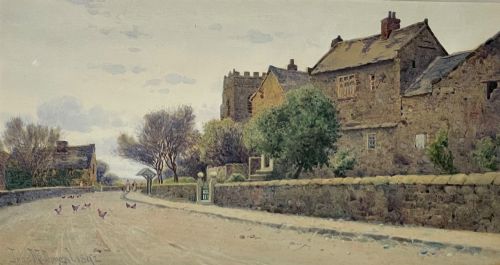
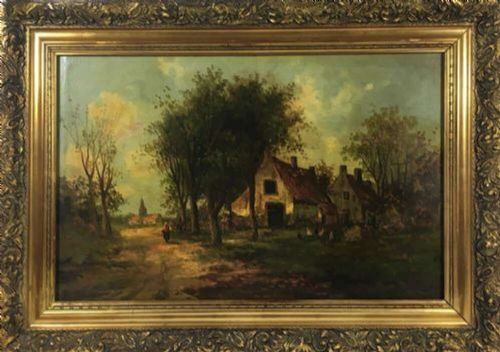
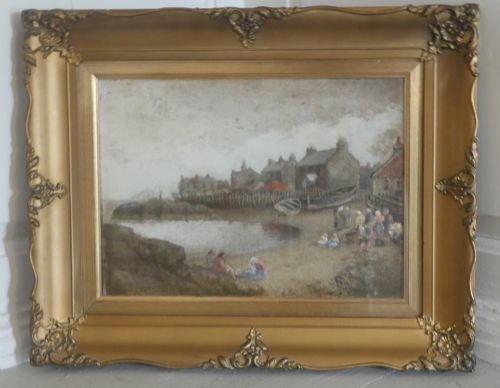
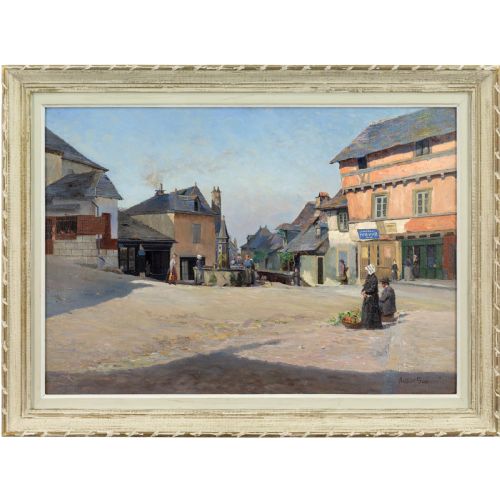
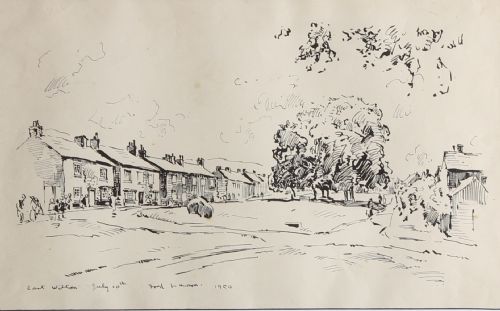
Framed village artwork captures rural settlements, cottages and country landscapes through historical paintings and watercolours. These pieces document local topographies and rural life across British and European communities.
Watercolours of specific locations and oil paintings of rural scenes dominate the selection. Artists record named British villages alongside continental European landscapes.
How these artworks were produced
Artists applied oil paint to canvas, panel or board, building up textured brushwork for landscapes and buildings. Watercolours and gouache utilised paper surfaces to capture light in village scenes.
Frames of wood and gesso protect and house the paper or canvas supports. Glazing shields delicate watercolours from environmental moisture and light damage.
Listings feature works spanning from the Victorian period through the 1960s, utilising oil, watercolour, and gouache on paper and canvas.
What distinguishes quality in these pieces
Execution skill differentiates the works, visible in the handling of perspective, light and atmosphere across rural landscapes. Skilled brushwork and pigment control separate accomplished compositions from simpler topographical records.
The integrity of the original frame and paper or canvas condition influence the overall integrity of the piece. Retaining period frames and maintaining clean, stable surfaces mark higher-tier examples.
John McDougal·Arthur Gué·Fred Lawson·Lucy Pratt·Thomas Maidment·Paul Élie Gernez·William Greaves·John Holland·Gaston Cornil·George Turland Goosey·Mario Pinetti·Arthur Tucker·David Teniers II·Anne Dorrien Smith·M C Hider·Charles Vickers·James Watson·Louie Stanley Maurice Prince·Helena Maguire·George Gregory·John Smith Atherton·John Edward Bale
The Framed Village Artwork Glossary
- Watercolour
- A painting method where fine pigment is suspended in water-soluble binders on paper. It often captures translucent light in rural scenes.
- Gesso
- A plaster mixture applied to wood frames or panels to create a smooth surface for gilding or painting. It supports decorative moulding details.
- Oil on Canvas
- Pigment bound in oil applied to stretched fabric. This medium allows for rich colour blending and textured brushwork.
- Post-Impressionism
- An art movement following impressionism that explored expressive forms and symbolic colours. Artists moved beyond naturalistic depiction.
- Gouache
- An opaque water-based paint that provides solid areas of colour. It frequently combines with watercolour in landscape works.
Framed Village Artwork: Frequently Asked Questions
How do I date a framed village artwork?
Dates are determined by stylistic markers, artist signatures, and framing materials. Victorian works often show specific academic rigour, while twentieth-century pieces adopt impressionist or modernist techniques.
Paper quality, canvas types, and backing boards offer further clues to the decade of creation. Comparing the depicted village architecture to historical records helps confirm the era.
Where should I hang these paintings?
Display these artworks away from direct sunlight and moisture to preserve paper and canvas. Living rooms, studies, and hallways suit traditional landscape and village subjects.
Ensure wall fixings match the weight of the wooden frame and glass. Hang pieces at eye level to appreciate the detail in the brushwork.
Are these watercolours original?
The pieces listed are original works of art painted directly onto paper, canvas, or panel by artists. Each item represents a singular creation rather than a modern reproduction.
Signatures, artist inscriptions, and visible brushstrokes confirm hand-painted execution. Paper texture and pigment absorption differentiate originals from printed media.
How do I care for antique frames?
Dust wooden and gesso frames gently with a dry, soft brush to remove surface debris. Avoid liquid cleaners that can damage historic gilding and finishes.
Check the backing paper and fixings periodically to ensure the artwork remains secure. Keep environments stable in temperature to prevent wood warping.