





Framed Victorian Silk
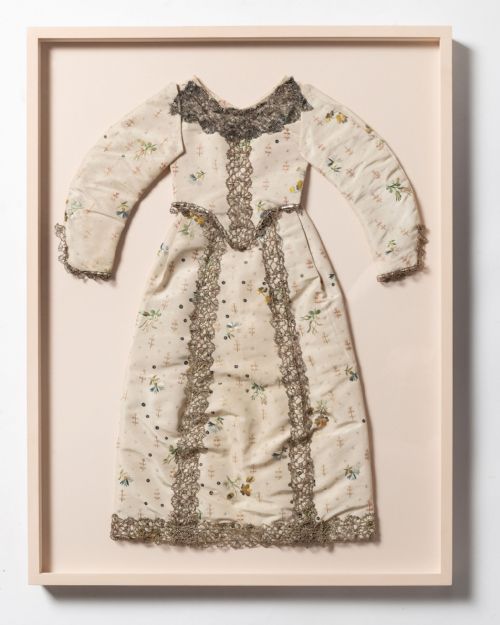
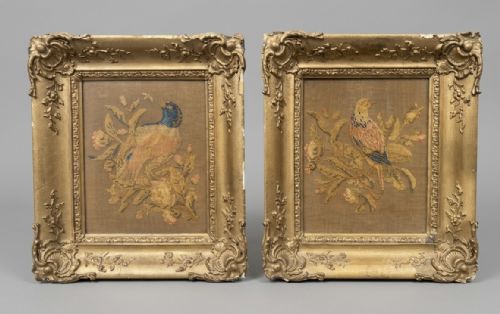
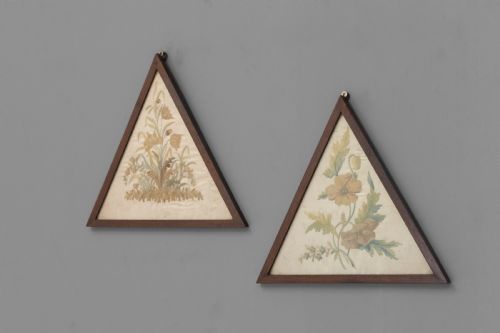
Framed Victorian silk pieces bring needlework and textile art from the nineteenth century onto the wall inside period timber and glass housing.
Framed Victorian Silk
When you search for framed victorian silk, you encounter textile art, wall art and framed artwork created during the nineteenth century. These pieces encompass needlework pictures, embroidered panels and samplers preserved behind glass.
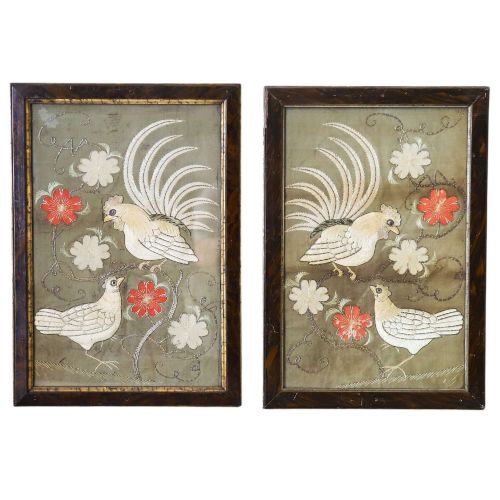
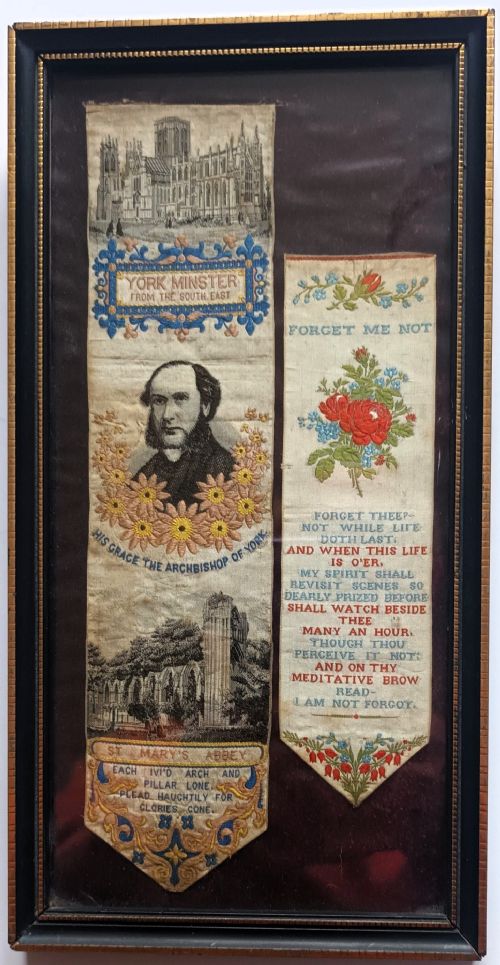
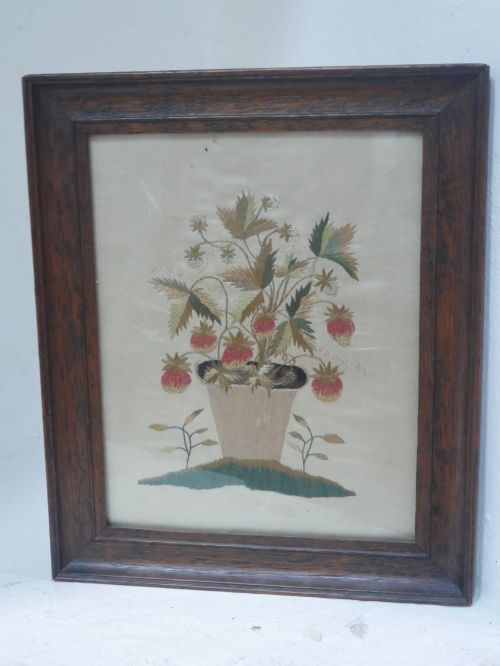
The selection on this page leans toward nineteenth century English and French works alongside commemorative military pieces and botanical studies. You will find framed bookmarks and patchwork alongside detailed horse racing scenes and floral compositions.
Makers and makers' marks appear occasionally, notably through woven silk bookmarkers produced by Stevens of Coventry or textile works by firms such as Iida Takashimaya Company. Many other surviving pieces remain anonymous works from domestic settings.
How they were made
Makers worked with silk thread, metallic thread, linen and wool stitched onto silk grounds or woven mechanically on specialised looms. Needlework pictures combined fine silk embroidery with painted watercolor elements to render architectural details and landscape backgrounds.
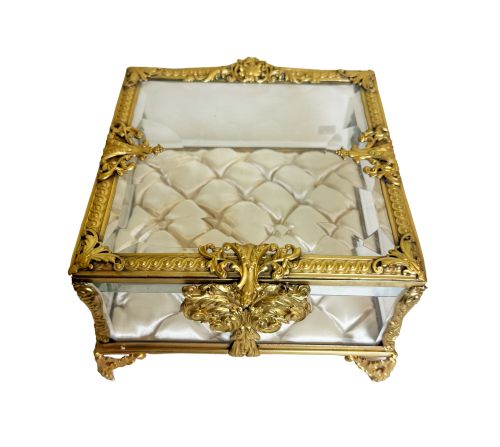
Finished textiles were stretched and mounted within wooden frames, often featuring gilded wood, faux tortoiseshell or gilt bronze mounts, and protected beneath glass panels. These housings preserved fragile fibres from atmospheric dust and handling.
Young makers stitched their exact age into the linen alongside the date, leaving permanent markers of childhood patience.
What varies in quality
Execution and precision in needlework technique separate standard samplers from exceptional pictorial embroidery depicting complex subjects like horse racing tracks or theatrical scenes. The subtlety of shaded silk threads and the integration of metallic thread determine visual depth.
The integrity of the original frame and glass housing contributes substantially to the overall character of the piece. Frames matching the period, such as faux tortoiseshell or period gilt wood, maintain historical coherence.
Stevens of Coventry·Iida Takashimaya Company
The Framed Victorian Silk Glossary
- Needlework sampler
- A piece of fabric stitched by hand to demonstrate proficiency in various embroidery stitches and alphabets. Young makers often signed and dated these works alongside their age.
- Silk bookmark
- A woven ribbon bookmark produced commercially on mechanical looms. The Victorian period saw mass production of these detailed pictorial keepsakes.
- Metallic thread
- Flat strips of metal or metal-wrapped core threads used in embroidery to add reflective highlights. These threads catch the light differently than spun silk.
- Gilded wood
- Wood treated with a thin layer of gold leaf or gold paint used for framing. This finish provides a bright border for dark textile backgrounds.
Framed Victorian Silk: Frequently Asked Questions
Can I hang these in sunlight?
Direct sunlight causes natural and dyed silk threads to fade rapidly over time.
Position these framed textiles on interior walls away from direct windows to preserve the colour.
Are all samplers dated?
Many nineteenth century samplers include the maker's name, age and completion date stitched directly into the cloth.
Unsigned examples also exist in the archive, reflecting domestic stitching without formal documentation.
What frames are original?
Nineteenth century framing often utilised gilded wood, simple timber mouldings or faux tortoiseshell surrounds.
Re-framing occurred frequently over the decades to match changing interior aesthetics.