
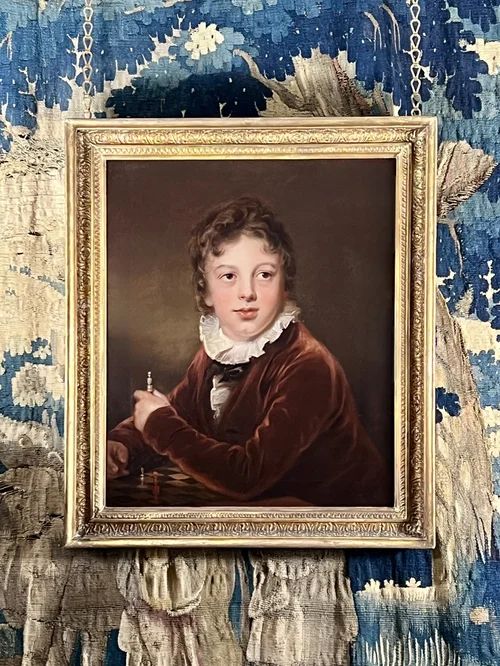
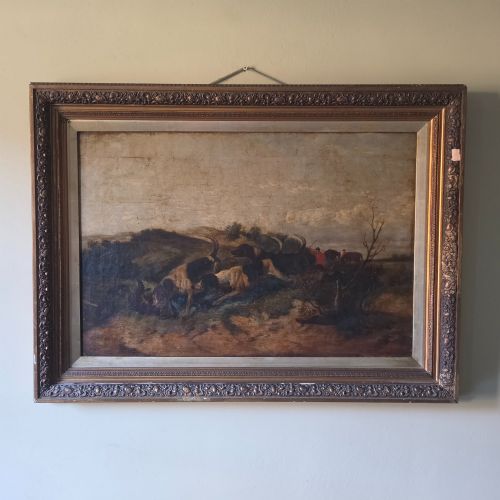
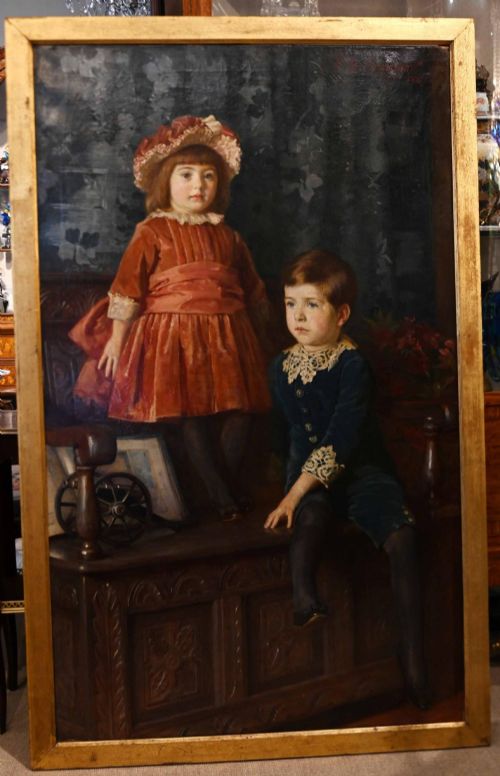
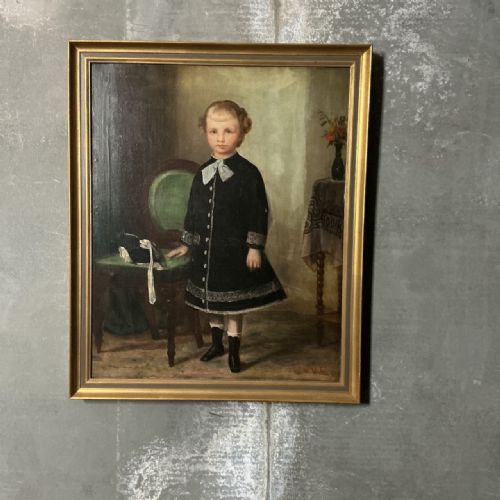
Framed Victorian Portrait Artwork
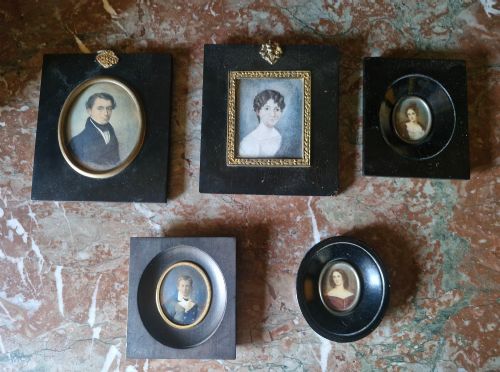
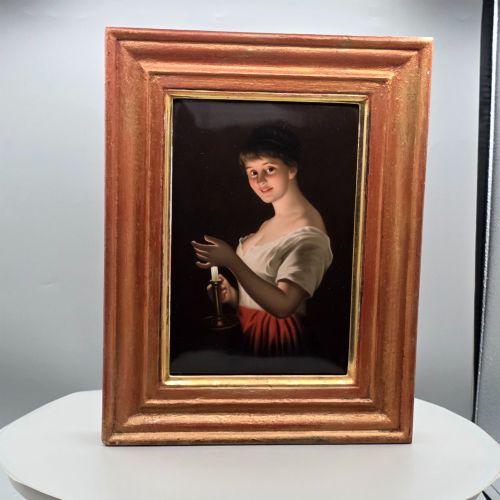
Framed victorian portrait artwork captures character through historical oil paintings, watercolours, and silhouettes housed in period wooden surrounds.
Framed Victorian Portrait Artwork
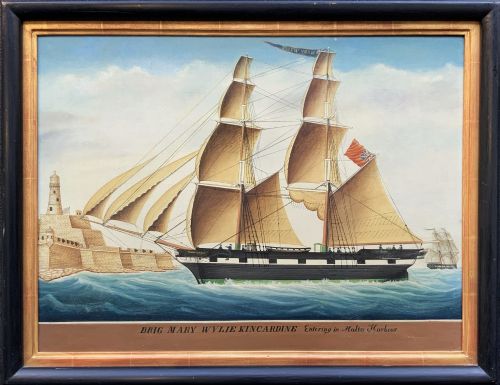
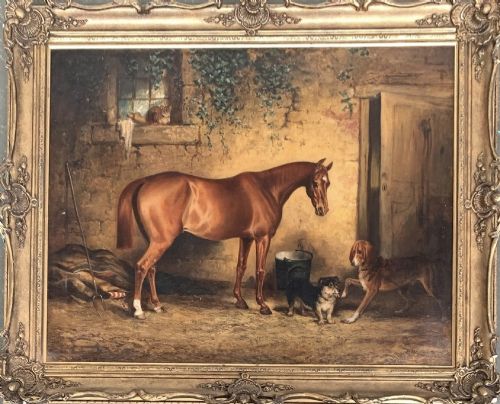
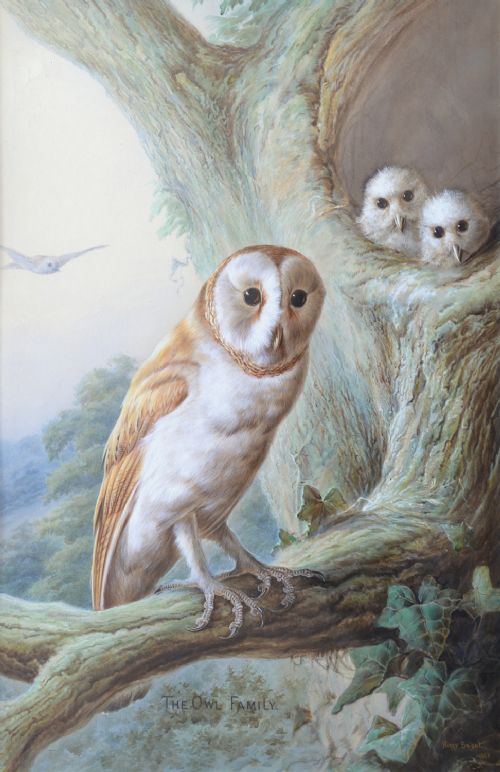
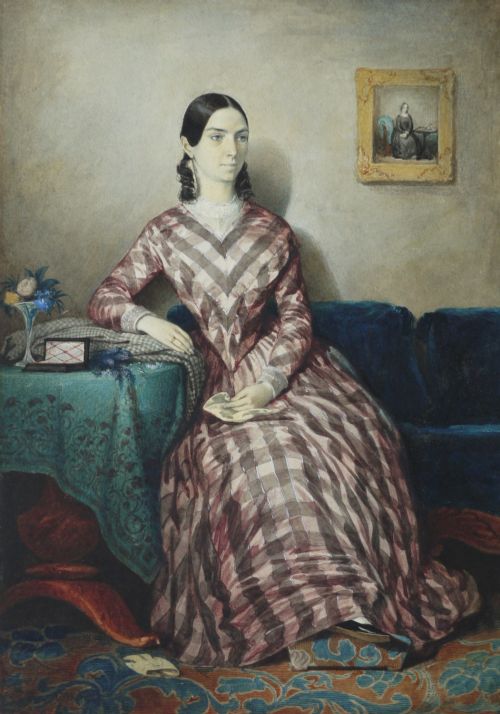
Framed victorian portrait artwork encompasses oil paintings, watercolours, and cut-paper silhouettes representing human figures, children, and animals from the nineteenth century.
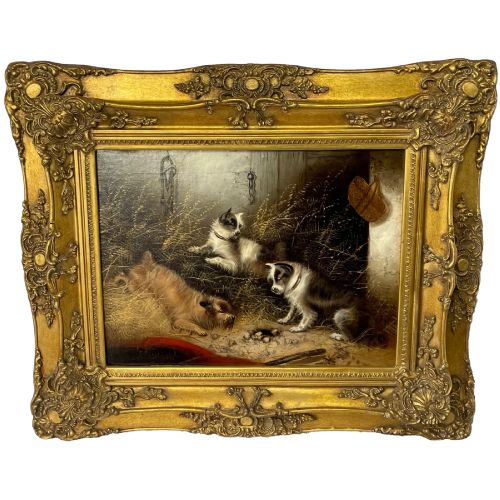
The versions most commonly met on this page include oil on canvas portraits of gentlemen, ladies, and sporting subjects housed within original timber or giltwood surrounds.
Pieces span academic realism, British school traditions, and Regency influences, reflecting the diverse portraiture styles produced across the Victorian era and adjacent periods.
Materials and Construction
Makers applied oil paint or watercolour onto stretched canvas, paper, or card, utilising brushes to build up detailed likenesses of sitters.
Compositions rely on wooden frames, often finished in giltwood or burr maple, which protect the artwork and complete the display.
Listings feature nineteenth-century oil paintings, cut-paper silhouettes, and watercolours set in wood and giltwood frames.
Quality Variations
The skill of the hand dictates the success of a portrait, separating lifelike anatomical rendering and expressive character capture from stiff execution.
Preservation of the original surface and the retention of a period frame matching the age of the canvas distinguish superior examples.
William James Hubard·William Oliver·Eugène Verboeckhoven·Sir James Dromgole Linton·Valentine T. Garland·Henry Stacy Marks·William McAlpine·Frederick Morgans·Sir Thomas Lawrence·Vittorio Reggianini·Leon Sprinck·Samuel De Wilde·Gian Paolo Pace·Albert Clark·Martin Theodore Ward
The Framed Victorian Portrait Artwork Glossary
- Oil on Canvas
- Pigment mixed with drying oil applied to a woven fabric support stretched across a wooden frame. This medium allows for rich colour depth and blended tones.
- Giltwood
- Timber carved and coated with a thin layer of gold leaf or metallic powder. It provides a reflective, ornate border for formal portraits.
- Silhouette
- A portrait represented as a solid shape, usually black, created by cutting paper or painting profile outlines. These pieces capture likeness through clean contours.
- Watercolour
- Pigment suspended in a water-based solution applied to paper. It yields translucent washes and delicate tonal gradations.
- Regency
- An aesthetic period preceding the Victorian era characterised by classical restraint and specific portrait conventions. Pieces from this style often feature distinct linear elegance.
Framed Victorian Portrait Artwork: Frequently Asked Questions
How do I identify a genuine period frame?
Examine the construction joints, timber type, and backboards for signs of age such as shrinkage and tool marks. Period surrounds often utilise timber species like burr maple or giltwood appropriate to the canvas date.
Check for continuity between the mount and the artwork, as alterations or marriages of convenience occur frequently in historical pieces.
Where should I hang these portraits?
Select walls away from direct sunlight and steady moisture sources to protect the canvas, paper, and pigments from fading or degradation. Stable indoor climates preserve oil paint and watercolours.
Position portraits at eye level in reception rooms or hallways where their scale and subject matter can be appreciated properly.
What subjects besides people appear in these works?
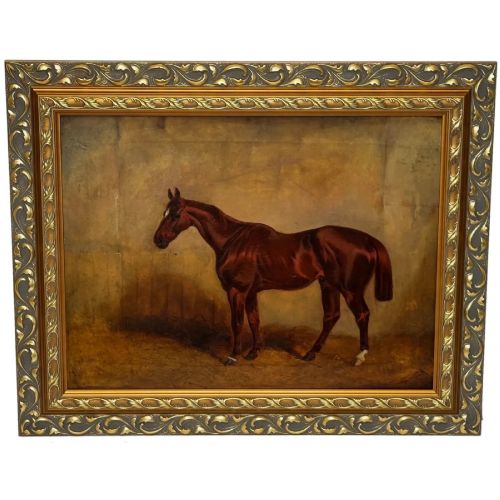
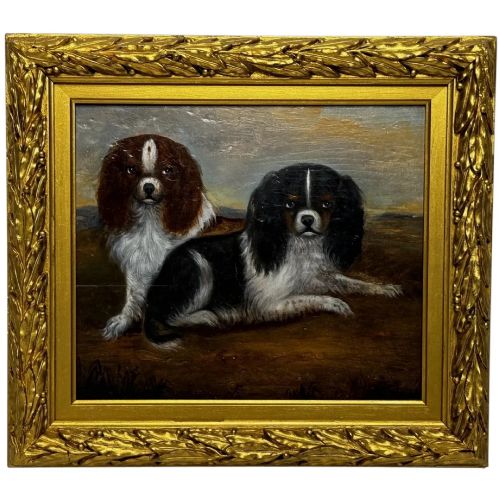
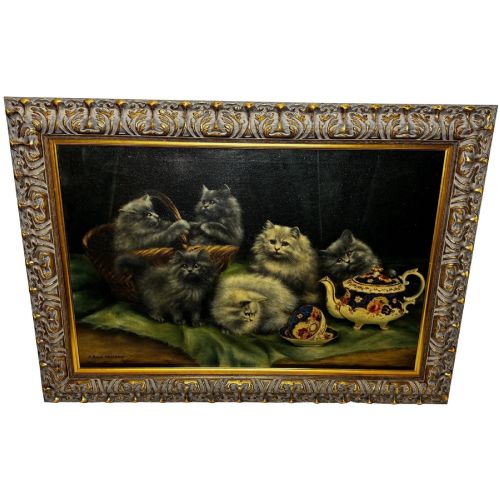
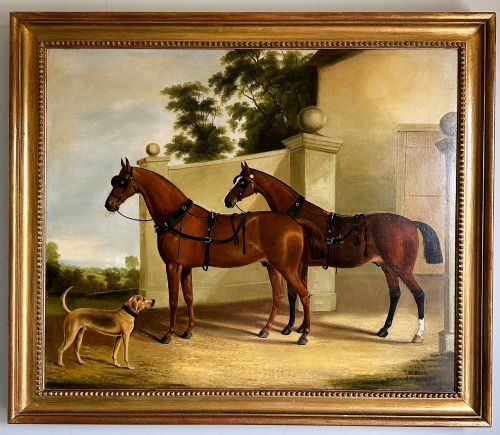
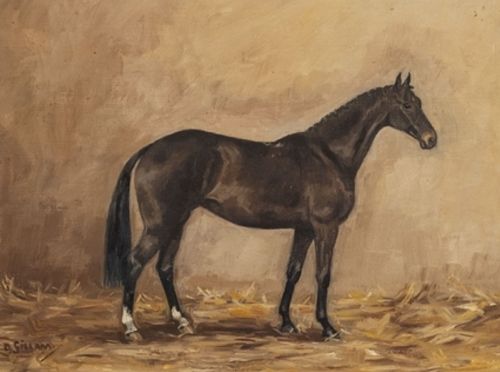
Artists frequently portrayed domestic animals, working dogs, and prize livestock alongside human sitters. Horse portraits and sporting subjects form a significant strand of nineteenth-century output.
These animal commissions reflect the domestic priorities and rural economy of the period.
How do I clean an antique portrait?
Dust frames gently with a dry, soft brush to remove surface particles without disturbing fragile gilt or wood surfaces. Avoid chemical cleaners or water on painted areas.
Consult a professional conservator if the canvas shows grime accumulation or varnish yellowing.