



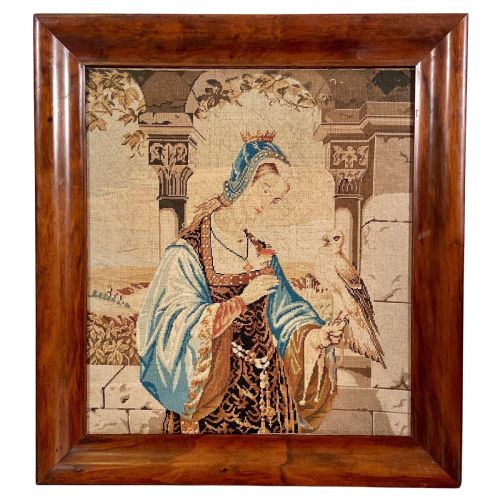

Framed Victorian Needlework
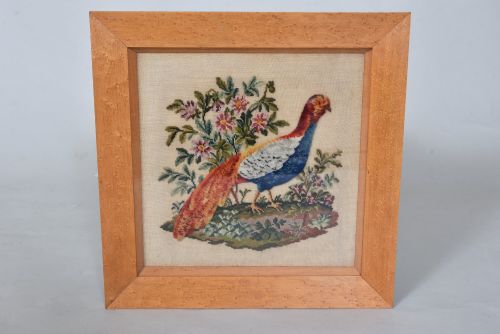
Framed victorian needlework brings together wool and silk stitchery preserved behind glass in original timber and gilt frames.
Framed Victorian Needlework
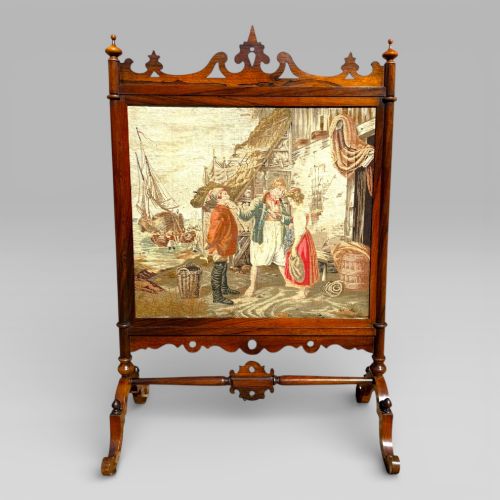
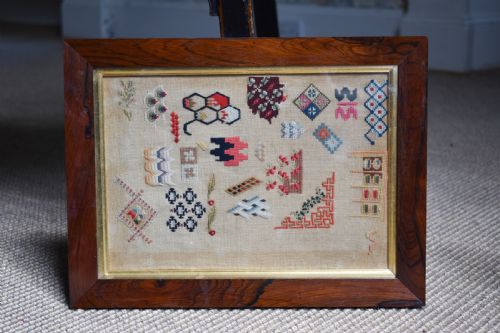
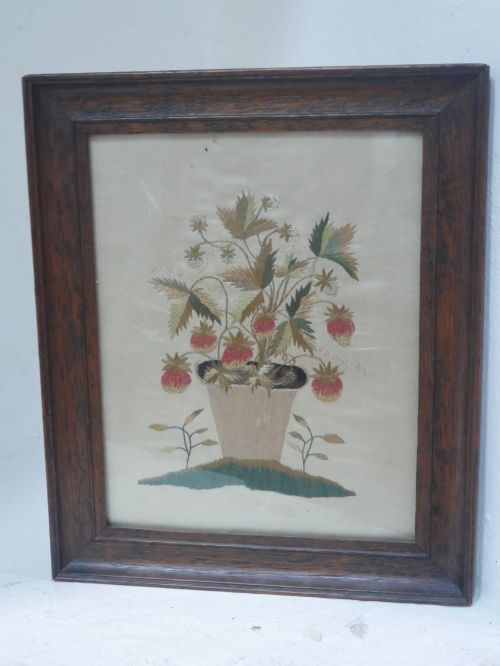
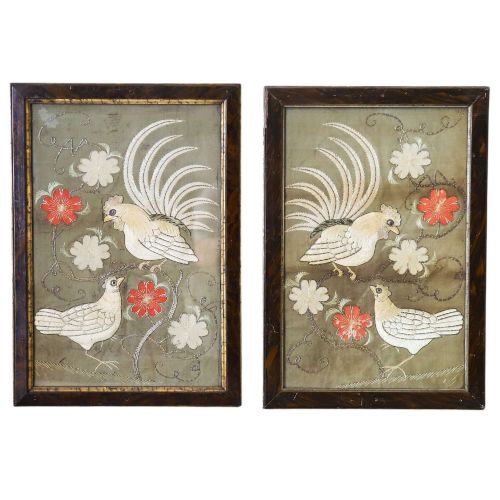
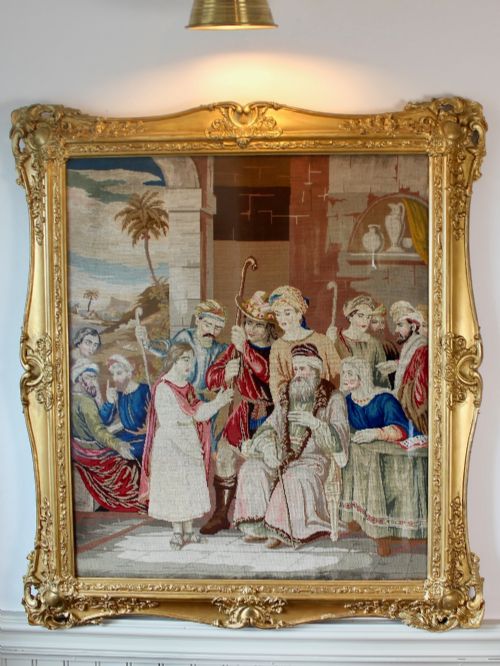
When you search for framed victorian needlework, you encounter framed textile panels, samplers, and woolwork pictures created across the nineteenth century. These pieces display subjects ranging from animals and sporting scenes to religious iconography and elaborate floral arrangements.
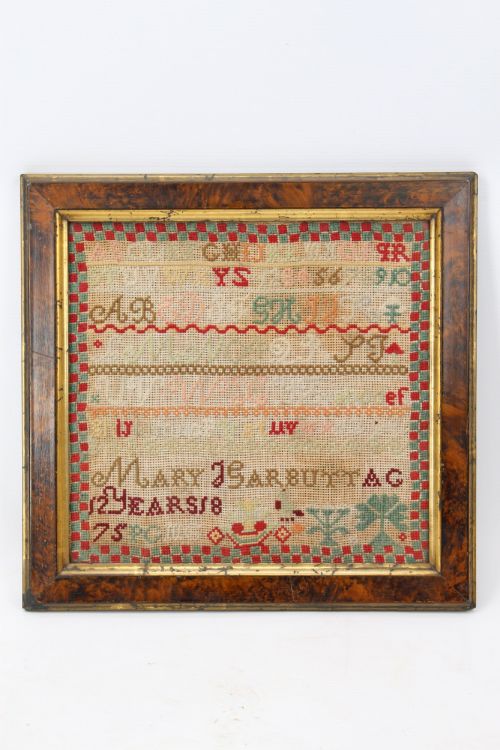
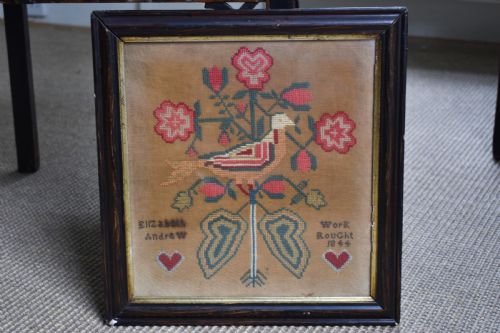
Sampler panels bearing alphabets, numerals, and names stitched by children form a large portion of the available selection. Sailors' woolies and Berlin woolwork pictures complete the common forms found within this category.
How they were made
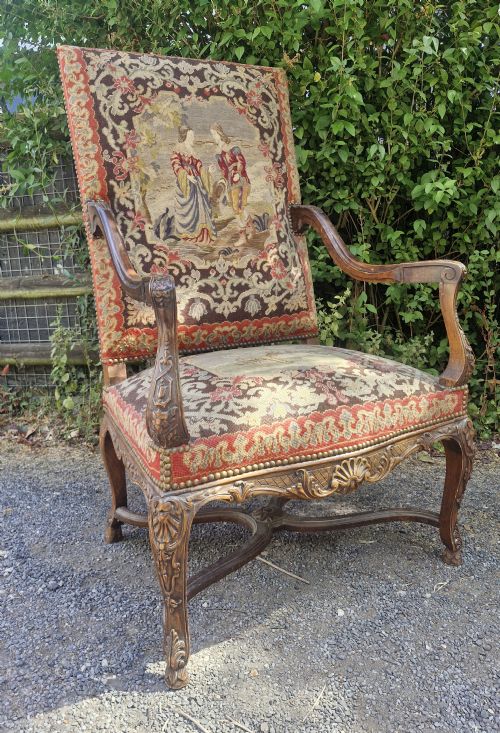
Maker execution relies on wool, silk, and cotton threads worked onto linen or canvas grounds using cross stitch, tent stitch, and gros point techniques. Plushwork and beadwork appear on specific items to build tactile surface dimension.
Makers housed completed textiles inside wooden surrounds constructed from burr maple, walnut, rosewood, and giltwood, frequently incorporating protective glass plates over the face of the needlework.
Framed Victorian Needlework Retail Price Guide 2026
Typical asking prices for framed victorian needlework among the pieces listed under this phrase on Sellingantiques today, from the lower quarter to the upper quarter. They describe what is for sale here now, not the wider market.
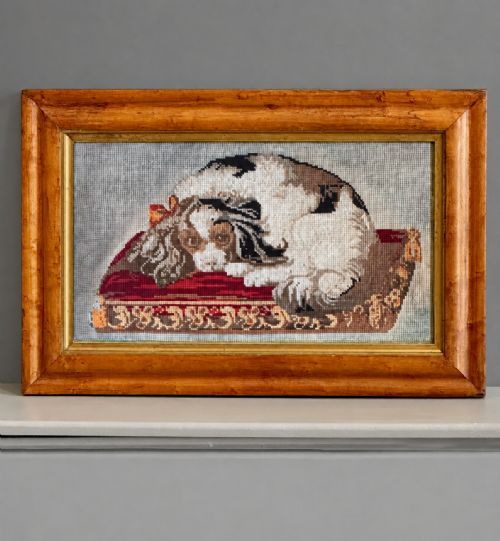
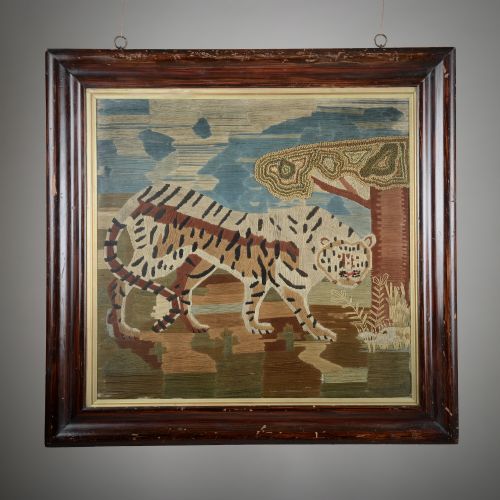
Stitched menageries range from King Charles Spaniels to tigers and Pharaoh's Dream.
What varies in quality
The standard of execution depends upon the precision of the stitch work and the complexity of the colour shading within the design. Pieces with tight, even stitches and well-proportioned figurative details stand apart from simpler domestic examples.
The housing contributes heavily to the overall character, with original burr maple or carved gilt frames carrying more integrity than later replacement surrounds.
The Framed Victorian Needlework Glossary
- Sampler
- A piece of needlework produced to demonstrate proficiency in various stitches and lettering. These often record the maker's name, age, and a date.
- Berlin work
- A style of needlepoint popular during the nineteenth century that used charted designs printed on grid paper and coloured by hand. It utilised vibrant wool threads on canvas.
- Woolie
- A pictorial embroidery created by sailors at sea, typically depicting naval vessels using wool yarns. They reflect maritime themes and folk art traditions.
- Gros point
- A coarse needlepoint stitch executed on canvas that creates a durable, textured surface. It appears frequently in mid nineteenth century pictorial works.
- Plushwork
- A technique that leaves raised loops of thread uncut or clipped to create a textured, velvet-like pile. It adds physical depth to floral and animal motifs.
Framed Victorian Needlework: Frequently Asked Questions
What subjects appear on these textiles?
Needlework panels display a wide variety of subjects including biblical scenes, landscapes, horses, animals, and human portraits. Samplers focus on alphabets, numbers, and genealogical records.
Other works record maritime vessels, botanical studies, and heraldic compositions created for domestic display.
How should I hang these pieces?
Keep framed needlework away from direct sunlight to prevent the silk and wool threads from fading. Maintaining stable indoor humidity prevents moisture damage to the fabric and wooden frames.
Ensure wall fixings securely support the weight of the timber and glass surrounds.
Are these works signed by makers?
Many samplers include the stitched name of the maker, their age, and the completion date. This information usually sits near the bottom of the composition alongside alphabets or verses.
Pictorial woolworks and Berlin work panels rarely carry signatures, remaining anonymous creations of home needleworkers.
How do I identify the period?
Dating relies upon stylistic markers, framing materials, and inscribed dates on samplers. Early pieces often feature simpler framing and muted natural dye palettes.
Later Victorian examples utilise brighter aniline dyed wools and elaborate gilt or burr maple mouldings.