
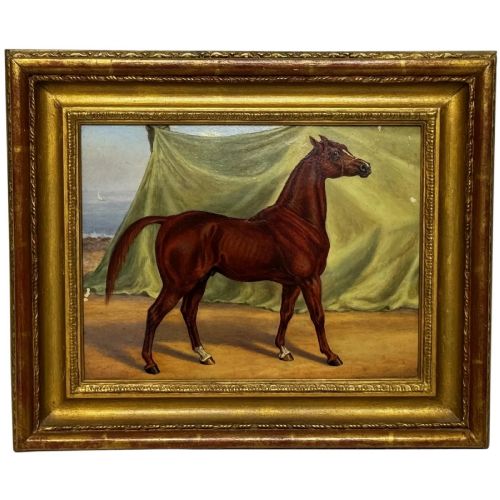
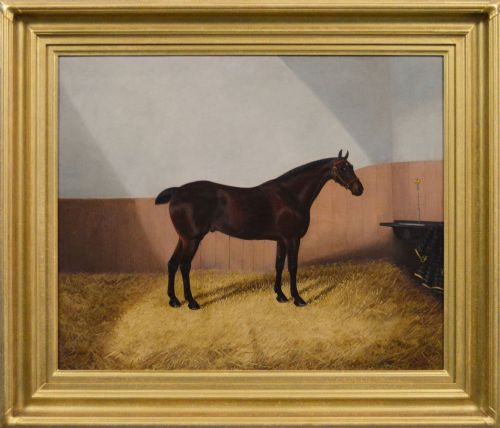

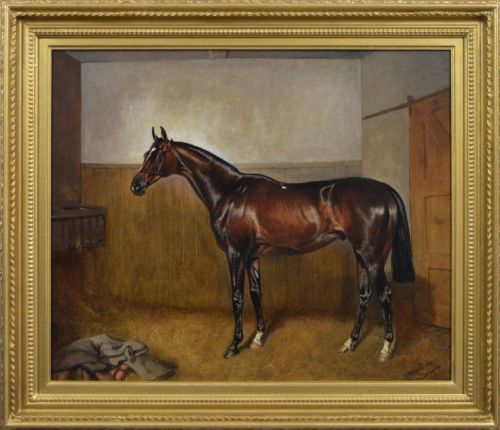
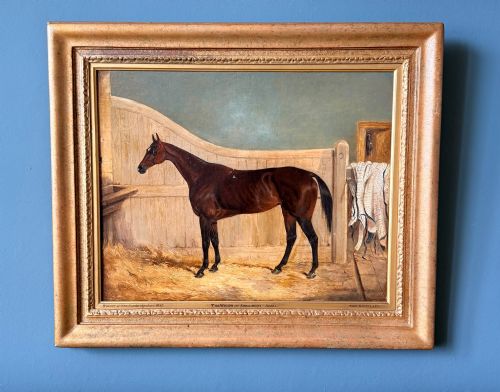




Framed Victorian Equine Art
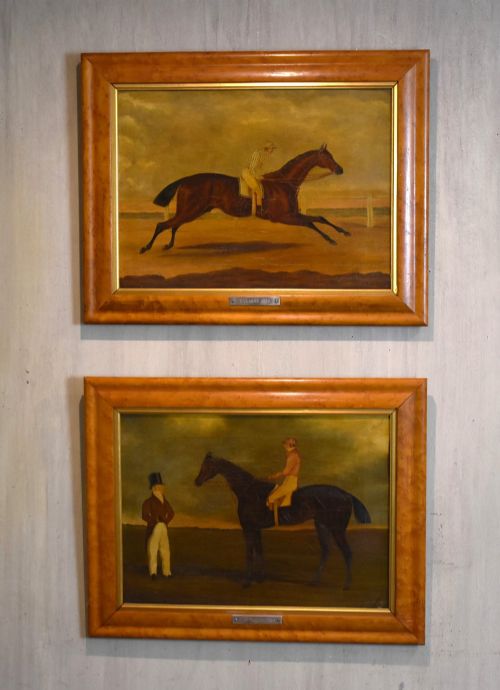
Framed Victorian equine art captures the nineteenth-century devotion to horses through painted portraits and scenes.
Framed Victorian Equine Art
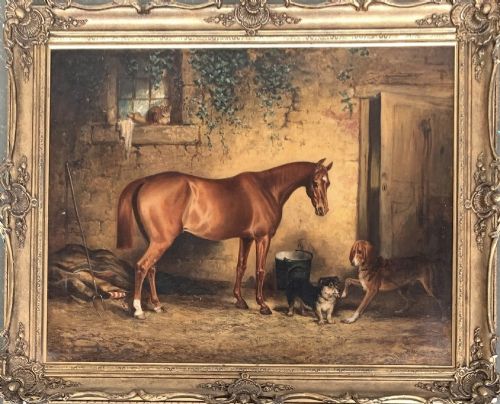
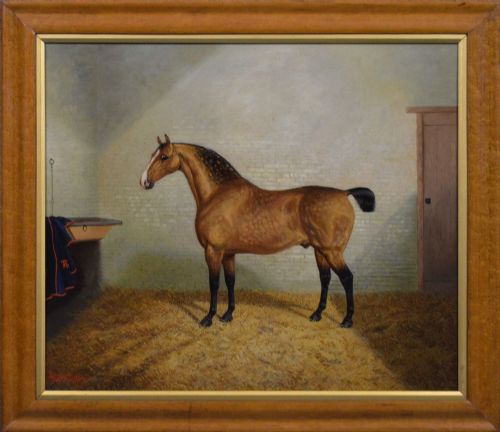
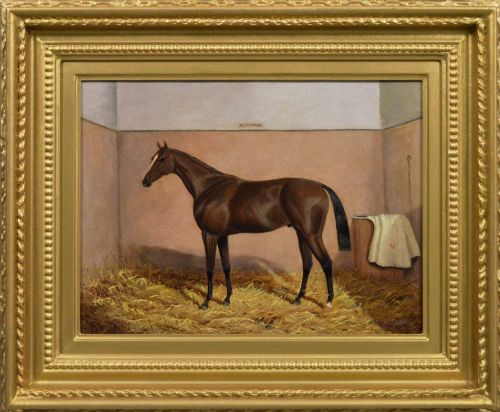
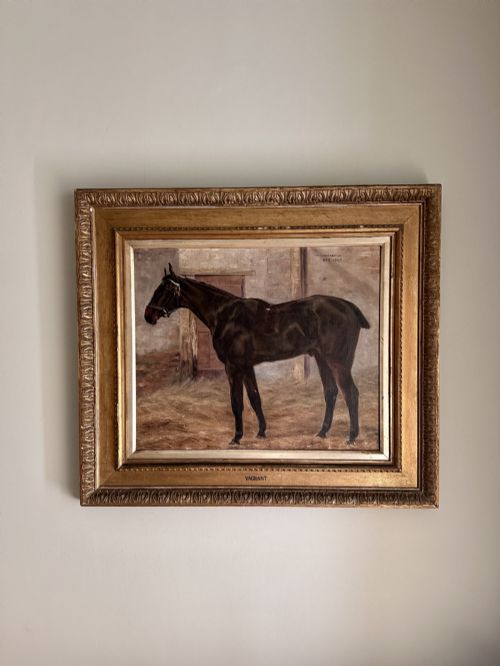
Framed Victorian equine art encompasses nineteenth-century paintings and prints celebrating horses, hunters, and racing subjects. Buyers examining this category encounter works spanning the Victorian era, including detailed oil paintings on canvas and delicate watercolours on paper.
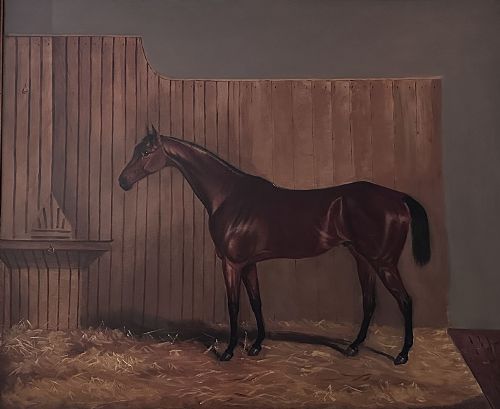
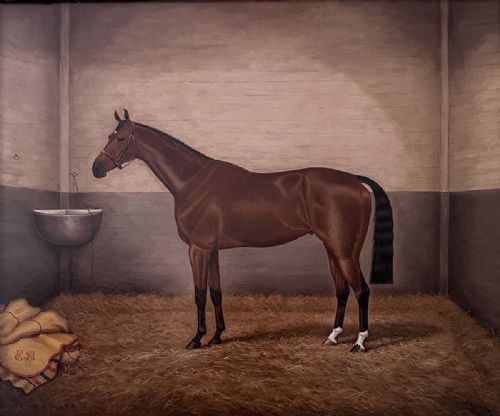
The subjects range from named thoroughbred racehorses and prized hunters to stable interiors and landscape hunting scenes. Many pieces record specific animals, owners, and notable race victories from the period.
Most items arrive in period wood or giltwood frames that complement the traditional equestrian subject matter. These works originate from British and international hands, documenting nineteenth-century sporting life.
How they were made
Artists painted these works primarily in oil on canvas or applied watercolour to paper, employing traditional nineteenth-century techniques to render muscle structure and coats accurately. Canvases are stretched over wood supports and housed within timber or giltwood mouldings.
The frames often incorporate gold leaf finishes applied over wood to accentuate the artwork. Hand-painted details and printed processes represent the diverse methods used to produce these equine images.
Listings feature oil on canvas, paper, wood, giltwood, and gold leaf applied across the nineteenth century.
What varies in quality
Quality rests upon the artist's ability to capture equine anatomy, posture, and individual expression with precision. Superior works demonstrate meticulous brushwork in the rendering of horse coats, tack, and background landscapes.
The provenance and historical documentation associated with a named horse or documented race elevate the standing of a piece. Original frames matching the period of the artwork also influence the integrity of the ensemble.
Henry Barraud·Albert Clark·Fred Fitzpatrick·John Alfred Wheeler·Thomas Walker Bretland·John Frederick Herring·John Ferneley Senior·George E Sharpe·Benjamin Cam Norton·Alfred Moginie Bryant·Charles Bilger Spalding·George Goodwin Kilburne·Edward Lloyd·Thomas Worth·George Cole·William Shayer Snr·John Parker Davis
The Framed Victorian Equine Art Glossary
- Equine art
- Depictions of horses in paintings, prints, and watercolours. This genre records the importance of horses in nineteenth-century society.
- Giltwood
- Wood carved and coated with gold leaf or gold paint. This material forms many traditional picture frames from the period.
- Provenance
- The documented history of ownership of an artwork. Records often link a painting to specific estates or galleries.
- Sporting art
- A category of visual art depicting bloodstock, racing, hunting, and rural pursuits. These works often name specific champions and riders.
Framed Victorian Equine Art: Frequently Asked Questions
What subjects appear in these works?
The artworks depict named racehorses, hunters, stable interiors, and racing scenes from the nineteenth century. Many pieces record specific historical events and notable thoroughbreds.
Other works place horses within rural landscapes, agricultural settings, or coaching journeys along country roads.
How do I identify the period?
Period indicators include the style of clothing worn by jockeys or grooms, framing materials, and artist signatures documented in nineteenth-century records. Canvas construction and stretcher types also offer clues to the era.
Dates inscribed on the canvas or within titles help narrow down the specific decade of execution.
Are these works original paintings?
The selection includes original oil paintings on canvas alongside watercolours on paper and painted prints. Each medium reflects the standard artistic practices of the nineteenth century.
Descriptions specify whether a piece is an unique oil painting or a print after a known artist.
How should I hang these pieces?
These framed works suit studies, libraries, and traditional living spaces where equestrian themes complement the interior. Adequate wall space allows the giltwood and wood frames to sit comfortably.
Positioning the art away from direct sunlight protects the oil paints and paper watercolours from fading over time.