




Framed Topographical Prints
Framed topographical prints bring historic cities, rural prospects and distant lands onto your walls through period maps, engravings and watercolours.
Framed Topographical Prints
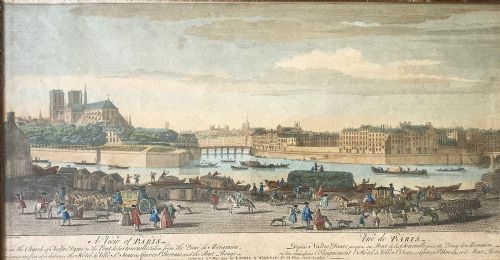
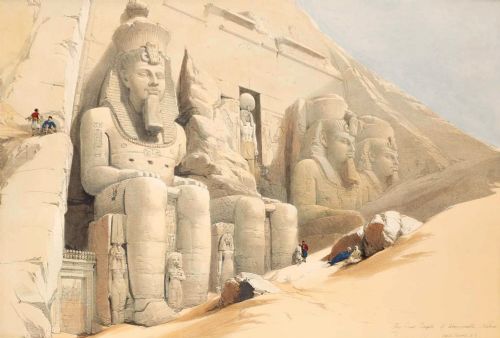
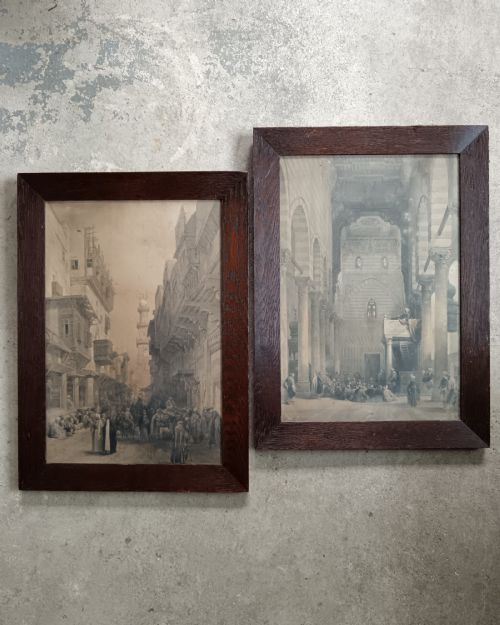
Framed topographical prints encompass a wide geographic and temporal span, ranging from detailed county cartography to sweeping cityscapes and architectural studies. Buyers examining this page encounter works originating across the eighteenth, nineteenth and early twentieth centuries, capturing locations from local British rivers to distant Middle Eastern monuments. The selection bridges formal cartography, such as county maps, and artistic views designed to record specific sites.
Most pieces date from the Georgian, Regency and Victorian eras, reflecting centuries of intense interest in travel, exploration and local heritage. These visual records take the form of steel engravings, lithographs, aquatints, etchings and hand-tinted watercolours preserved behind glass in period timber frames. Such works served both as scientific documentation and as decorative records for domestic interiors.
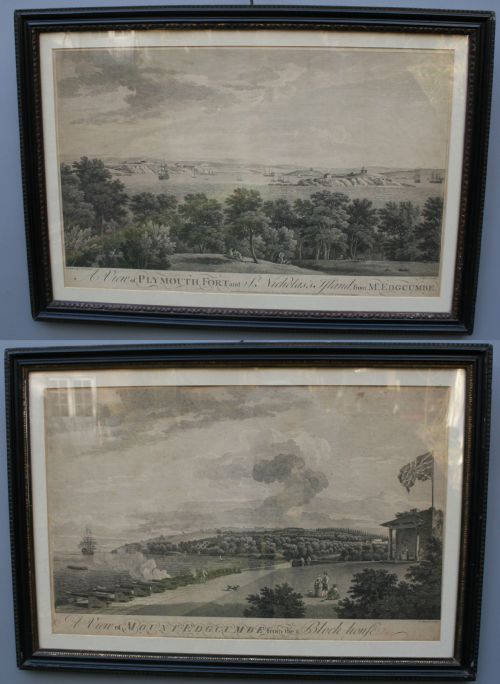
Subjects include specific landmarks, river views, military formations, Alpine peaks and island maps, often produced by named artists and publishers. A buyer searching this phrase is most likely to meet nineteenth-century hand-coloured engravings or lithographs, alongside earlier eighteenth-century county maps and twentieth-century etchings. Each piece offers a window into past landscapes through the specific printing and framing techniques of its time.
How they were made
The primary vehicle for these works is paper, marked by ink through techniques such as engraving, etching, lithography, aquatint and monochrome photography. Many examples feature delicate additions of watercolour applied by hand over the printed lines to enhance skies, architecture and terrain. These pigments react to light and moisture over the decades, necessitating protection behind glass.
Enclosing these works are frames constructed from wood, including oak and gilt wood finished with gold leaf. These housings range from simple contemporary mouldings to original maker-stamped frames that secure the paper alongside protective backing and glazing. The combination of timber, paper and ink reflects the workshop standards of each respective period.
Materials recorded across the inventory include gold leaf, oak, gilt wood, glass, and paper.
What varies in quality
Quality rests significantly upon the precision of the initial engraving or drawing and the skill applied in any subsequent hand-colouring. Works executed by accomplished artists and master engravers display sharper architectural details, more convincing perspective and subtler tonal gradations than mass-produced decorative prints. The vibrancy and careful application of original hand-colouring elevate specific plates above monochrome impressions.
The integrity of the framing materials also distinguishes individual pieces, with original period frames carrying maker marks holding distinct historical value over later replacements. Preservation of the paper sheet, including clear margins, legible publisher inscriptions and minimal foxing, separates superior survivals from heavily trimmed or degraded examples. The overall visual impact depends on the harmony between the historic print, its contemporary housing and the clarity of the depicted view.
Robert Morden·David Roberts·Louis Haghe·John Speed·Joseph Constantine Stadler
The Framed Topographical Prints Glossary
- Lithography
- A planographic printing process based on the antipathy of oil and water, widely utilised in the nineteenth century for multi-coloured topographical views.
- Aquatint
- A variant of etching that produces tonal areas resembling watercolour washes, frequently employed to render atmospheric skies and landscapes in Georgian prints.
- Cartography
- The science or practice of drawing maps, represented here through county and regional maps produced by historical cartographers.
- Drypoint
- A printmaking process where an image is scratched directly into a metal plate with a hard needle, creating a characteristic velvety burr in early impressions.
- Gilt wood
- Timber treated with gold leaf or metallic paint, commonly used for framing fine prints and watercolours across the eighteenth and nineteenth centuries.
Framed Topographical Prints: Frequently Asked Questions
How should I hang framed topographical prints?
These works require placement away from direct sunlight to prevent the fading of hand-applied watercolours and historic printing inks. Maintaining stable indoor humidity levels also protects both the paper substrate and the antique wooden frames.
Grouping pieces by period or geographic theme creates a cohesive display, reflecting the Grand Tour and domestic travel interests of their original owners. Secure hanging hardware suited to the weight of wood and glass assemblies ensures safe wall mounting.
What is the difference between an engraving and a lithograph?
Engravings involve cutting lines directly into a metal plate with a sharp tool, producing crisp, fine details and slight impressions in the paper. Lithography relies on chemical processes on a flat stone or metal surface to transfer broader, more painterly tones.
Recognising these methods helps identify the production era and aesthetic intent behind each topographical view. Both techniques were standard for commercial and artistic publishing throughout the centuries.
Are these prints original to their frames?
Some pieces retain their original period housings, occasionally bearing maker or publisher labels on the reverse. Others have been reframed at later dates to ensure better conservation and modern aesthetic compatibility.
Examining the corner joints, backboards and glazing style reveals whether a frame belongs to the era of the print. Original frames contribute additional historical context to the artwork they enclose.
How do I identify the date of a topographical print?
Dates can often be established through printed publisher inscriptions, artist signatures, or the historical context of the depicted buildings and landscapes. Costume details within figures depicted in the foreground also offer reliable clues to the decade of creation.
Reference works on historical cartography and printmakers assist in narrowing down the publication window. Paper characteristics and printing technology further support accurate dating.