

Framed Sports Oil Painting
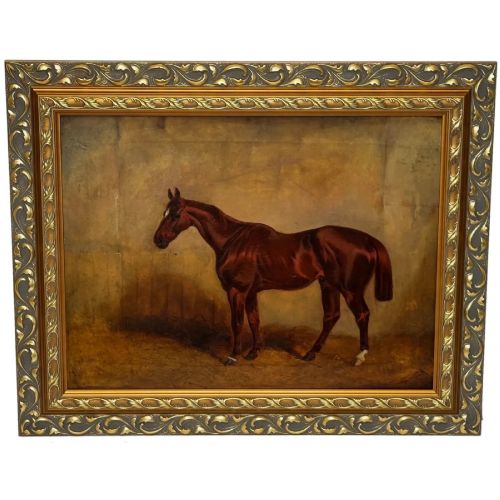
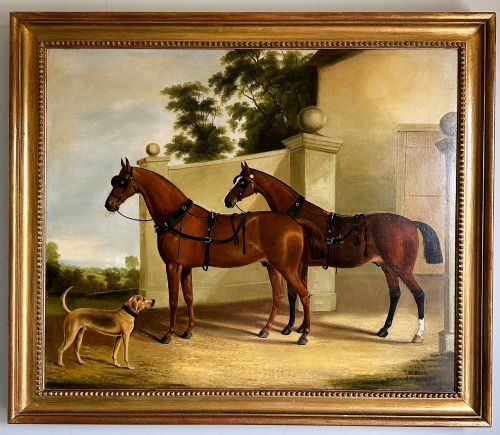
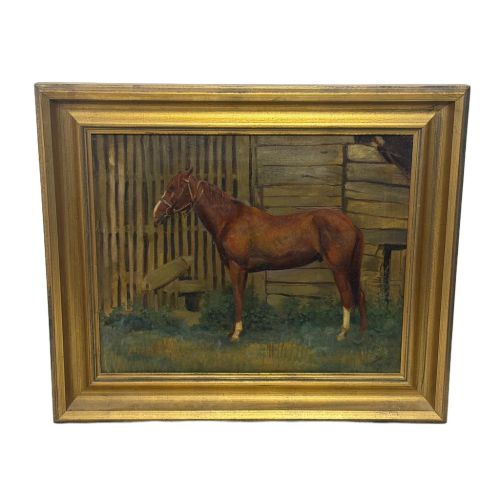
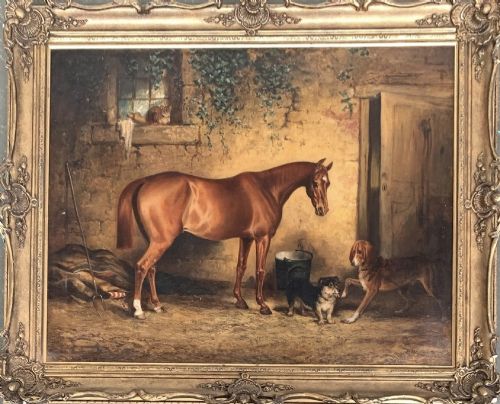
When you want a framed sports oil painting, you are looking for equine, canine, and field sports canvases from the nineteenth and twentieth centuries.
Framed Sports Oil Painting
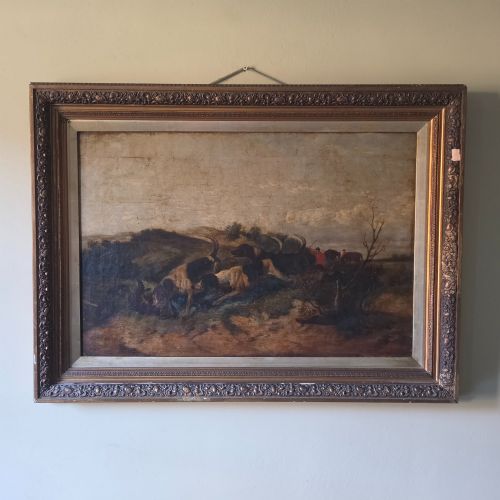
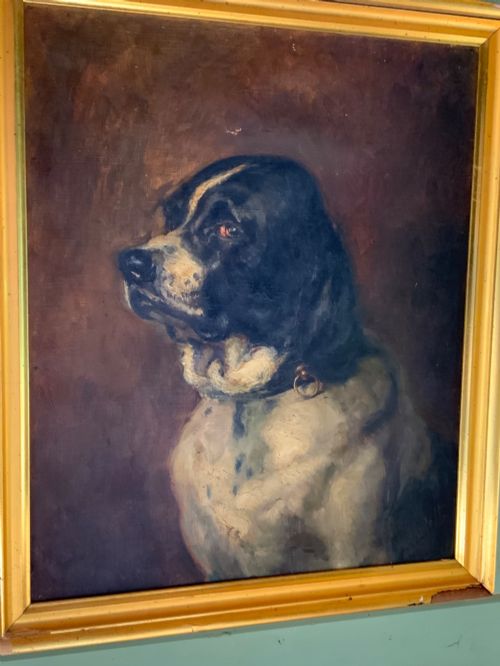
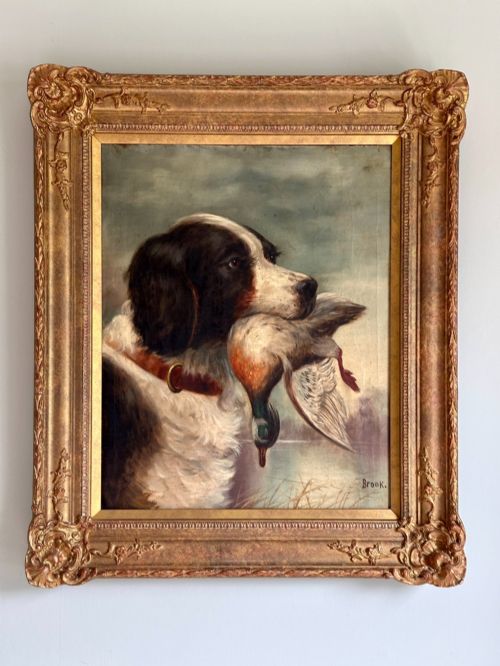
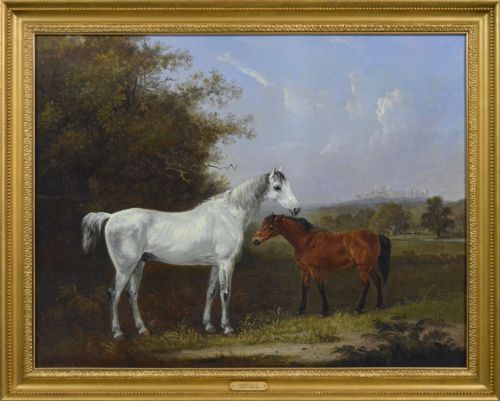
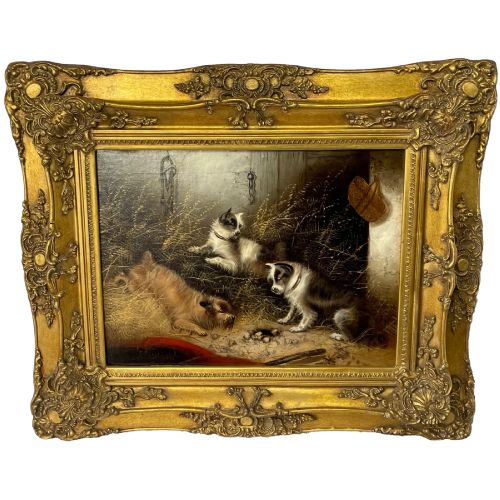
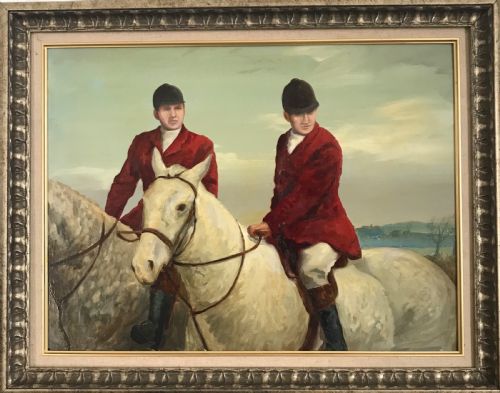
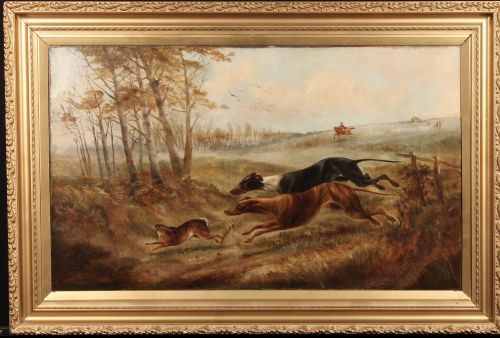
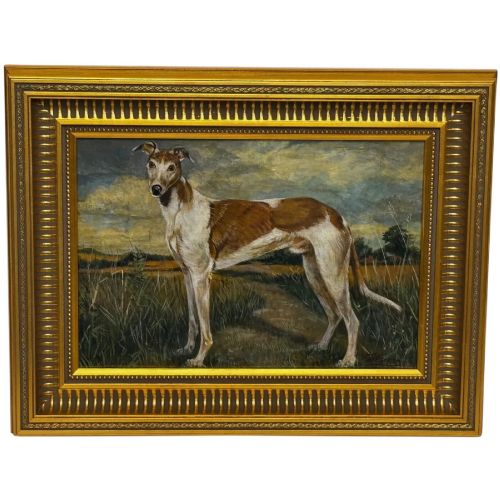
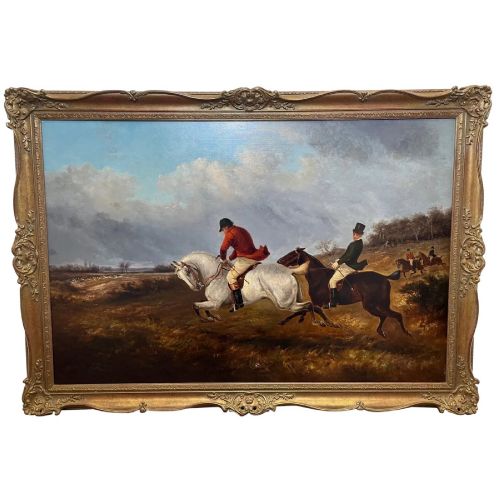
A framed sports oil painting captures nineteenth and twentieth century equestrian subjects, hound portraits, and racing scenes. These works document prized hunters, racehorses, and gun dogs within rural landscapes or stable yards.
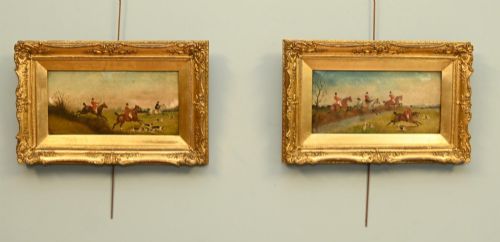
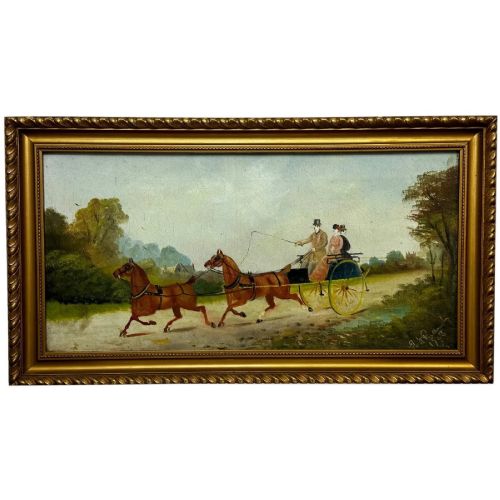
The selections span Victorian sporting art and Edwardian coaching scenes alongside later twentieth century canine studies. Canvases originate from British schools, depicting traditional pastimes such as hare coursing and fox hunting.
Common formats include oil on canvas and wood panel supports, housed in period giltwood frames. Collectors encounter individual animal portraits alongside dynamic racing and fishing compositions.
How they were made
Painters applied oil paint to stretched canvas or pine panels, utilising layered brushwork to render the sheen of horse coats and dog fur. Pigments capture natural light across open fields and enclosed paddocks.
Makers set these fine art paintings into carved wooden surrounds finished with gold leaf or giltwood. The frames provide structural stability and complement the pastoral subjects.
The selection includes oil paintings from the Victorian and Edwardian eras, utilising canvas, wood, and giltwood materials.
What varies in quality
Anatomical precision and the liveliness of the brushwork determine the standing of an equine or canine portrait. Master hands capture muscle tension and character in a way routine studio work misses.
The preservation of the original paint surface and the matching period gilt frame influence the overall integrity of the piece. Works retaining documented provenance to estates and galleries carry stronger historical weight.
Henry Barraud·George Armfield·Thomas Smythe·Sir Edwin Henry Landseer·George Wright·William Albert Clarke·Fred Fitzpatrick·Ernest Payne·Edward Priestley·Thomas Walker Bretland·John Emms·John Ferneley Senior·John Frederick Herring Senior·Benjamin Blake·Alfred Munnings·John Arthur Lomax·Albert Clark·Gertrude Halsband·William Barraud·William Williams
The Framed Sports Oil Painting Glossary
- Giltwood
- Wood carved and coated with gold leaf or metallic paint to form decorative picture frames. This finish enhances nineteenth century sporting canvases.
- Oil on canvas
- Pigments bound in drying oil applied to a woven fabric support stretched across a wooden frame. This medium defined British fine art painting throughout the Victorian era.
- Equestrian
- Pertaining to horses, riding, and racing subjects. These portrayals form a cornerstone of traditional sporting art.
- Provenance
- The documented history of ownership of an artwork from its creation to the present. Records often link canvases to country estates and historical collections.
Framed Sports Oil Painting: Frequently Asked Questions
What subjects appear in these paintings?
Canvases display racehorses, hunters, gun dogs, and coaching scenes. Painters recorded specific named animals alongside broader rural pursuits.
Subjects also encompass fishing scenes and game still lifes from the nineteenth and twentieth centuries.
How do I date a sporting canvas?
Stylistic clues, clothing styles of riders, and canvas construction help establish age. Victorian and Edwardian works often bear artist signatures or period inscriptions.
Framing styles and stretcher types provide further physical evidence for dating.
Where should I hang these artworks?
These paintings suit traditional studies, hallways, and living rooms with adequate wall space for gilt frames. Direct sunlight and damp walls should be avoided to protect the oil paint.
Strong lighting highlights the fine brushwork on canvas surfaces.
Who painted these works?
Works originate from recognised British sporting artists and regional painters of the nineteenth and early twentieth centuries. Many pieces stem from named practitioners specialising in animal portraiture.
Unsigned examples are frequently attributed to specific British schools of the period.