

Framed Silk Art
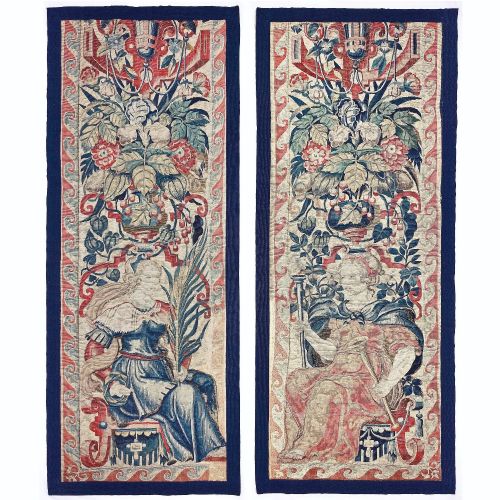
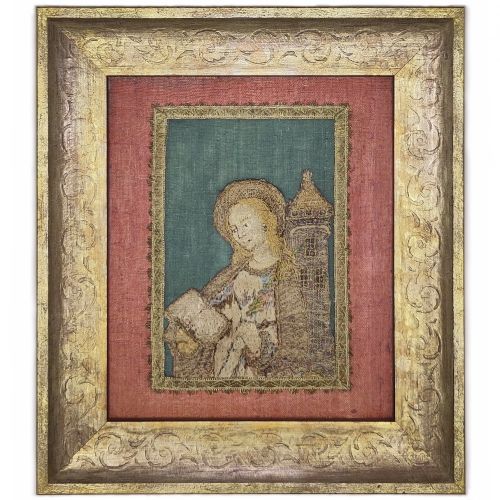
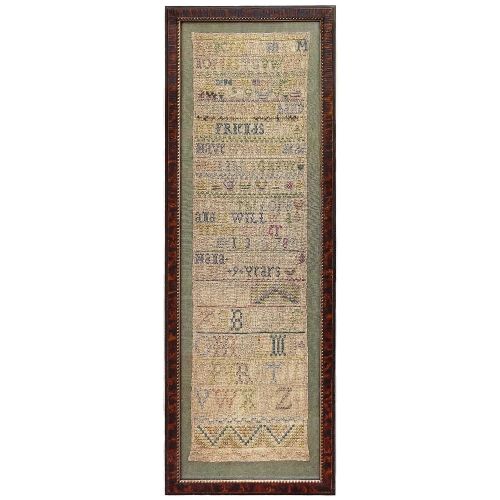
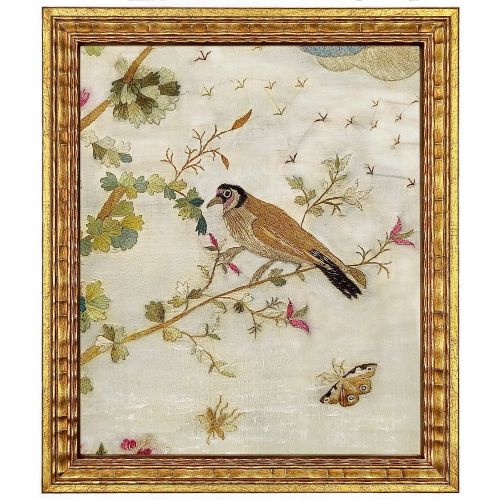
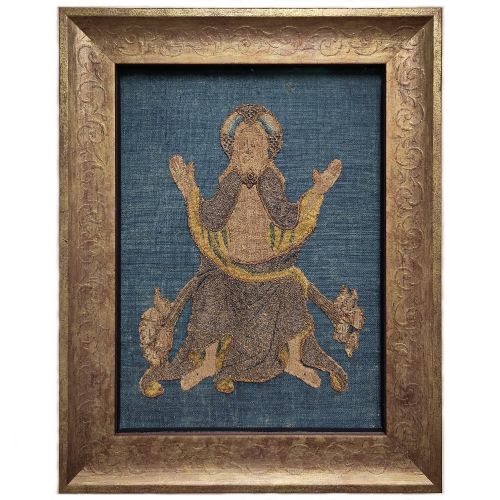
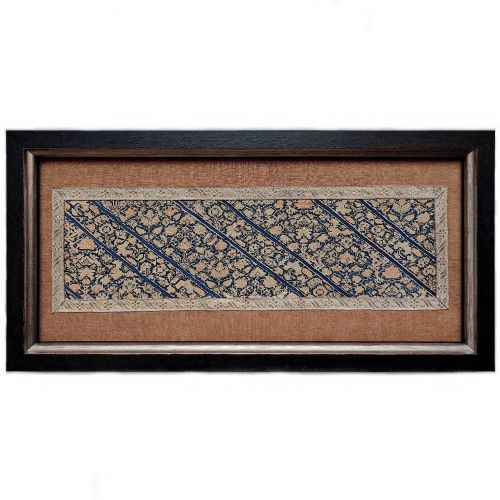
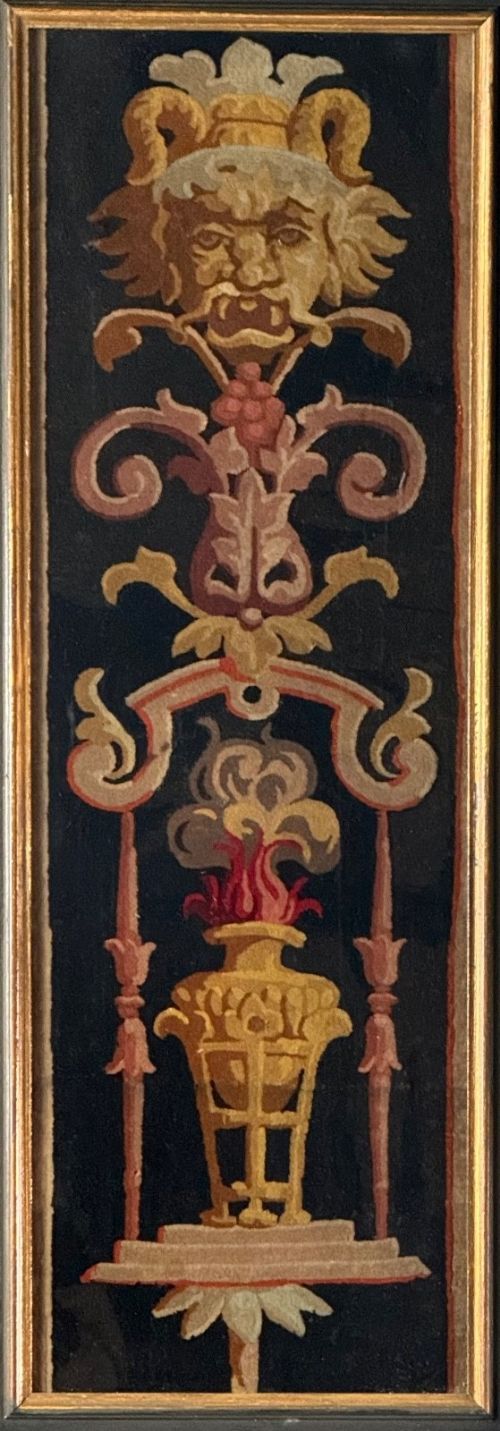
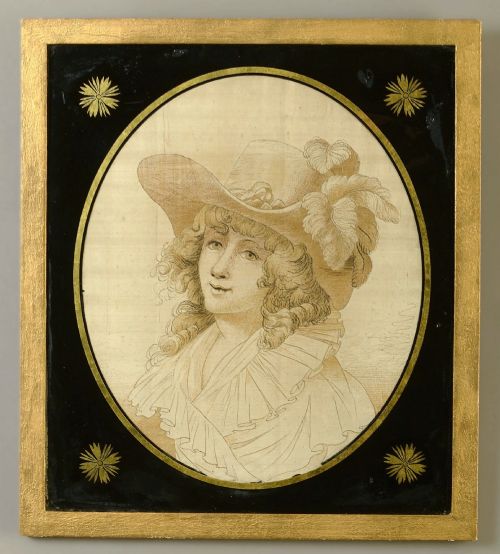
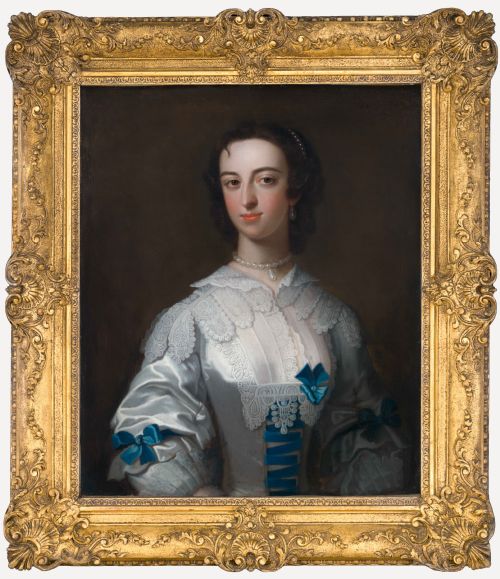
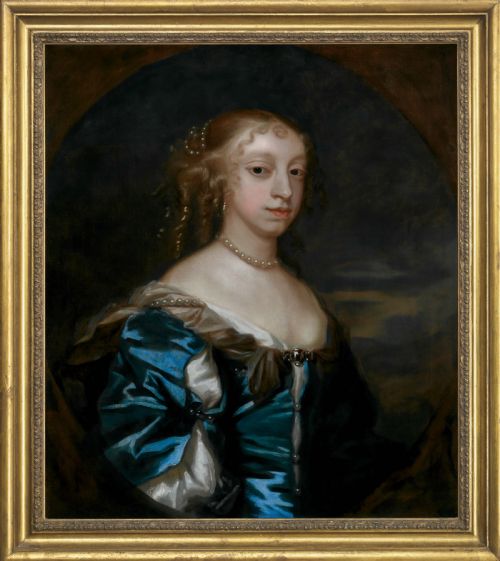
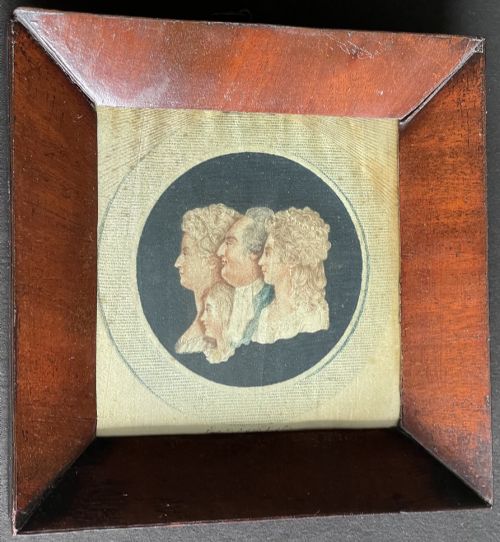
Framed silk art brings together centuries of delicate needlework, painted scenes and woven panels preserved behind glass in wood and gilt frames.
Framed Silk Art
When you search for framed silk art, you encounter a diverse selection of wall hangings, textile panels, samplers and paintings spanning the seventeenth century through to the mid-twentieth century.
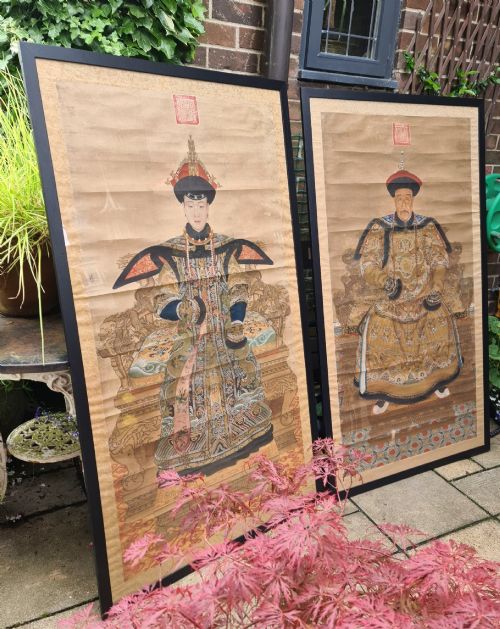
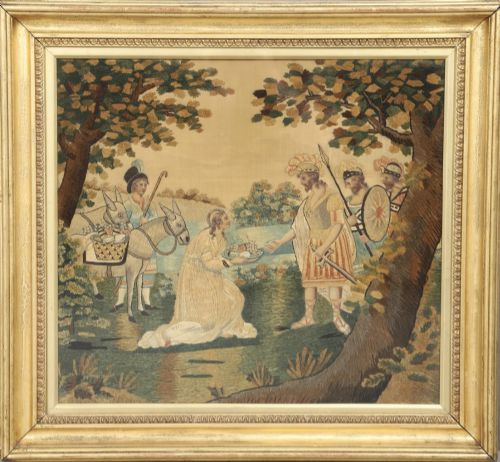
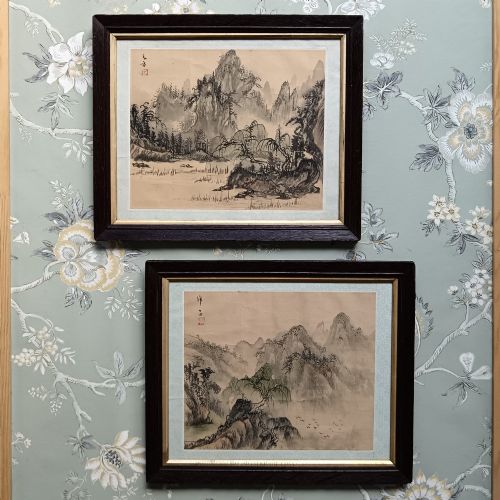
The objects on this page range from English needlework maps and Stuart stumpwork panels to Chinese silk embroideries, ancestor paintings and Indian depictions of the Taj Mahal.
You are most likely to meet nineteenth-century Chinese silk pieces, Georgian samplers and framed European embroidered fragments presented under glass.
Materials and construction
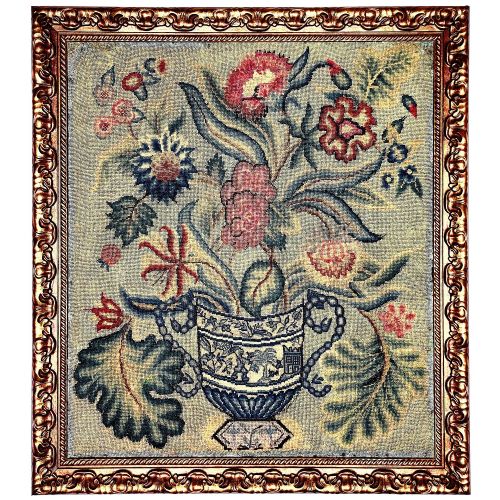
These works combine silk grounds, floss and linen with metallic threads, wool and cotton, often worked alongside watercolours or oils.
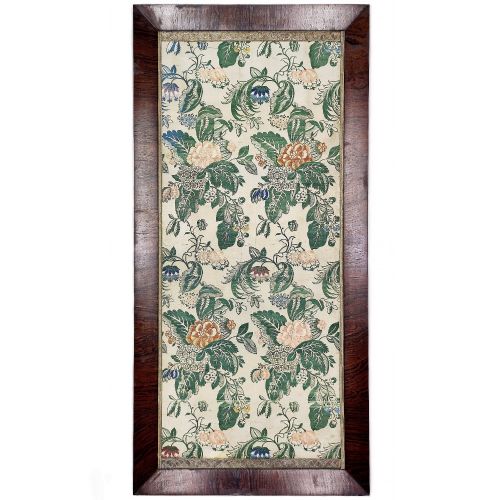
The panels are secured within wood frames, including giltwood and faux tortoiseshell, with glass protecting the delicate textiles from dust and handling.
Framed Silk Art Retail Price Guide 2026
Typical asking prices for framed silk art among the pieces listed under this phrase on Sellingantiques today, from the lower quarter to the upper quarter. They describe what is for sale here now, not the wider market.
The listings span from the 17th century to the 1960s, incorporating materials such as giltwood, wool, linen and metallic thread alongside silk.
What defines quality
Quality rests upon the intricacy of the handwork, the condition of the silk and the survival of the original frame.
Pieces that retain their vibrant original colours and show precise, complex needlework or hand-painting stand apart from simpler or faded examples.
Stevens of Coventry
The Framed Silk Art Glossary
- Sampler
- A piece of needlework produced by a beginner or child to demonstrate mastery of various stitches and alphabets, often including maps or dates.
- Stumpwork
- A raised embroidery style popular in the seventeenth century that uses padding and wire to create three-dimensional figures and motifs.
- Chinoiserie
- European artistic styles that reflect Chinese artistic influences, frequently seen in decorative panels and painted silk.
- Rank badge
- A square embroidered patch worn on official robes in imperial China to indicate status, later framed as independent art.
- Metallic thread
- Flat metal strips or wrapped threads used alongside silk floss to add shine and texture to historical embroideries.
Framed Silk Art: Frequently Asked Questions
How should I hang framed silk art?
Keep these pieces away from direct sunlight to prevent the silk and metallic threads from fading over time. Stable indoor humidity protects both the delicate textiles and the antique wood frames.
Ensure the hanging wire and wall fixings are secure, as many older frames carry significant weight from the glass and wooden backing boards.
How do I date an antique silk embroidery?
Examine the stitching techniques, the types of fibres used, and any inscriptions such as names, dates or locations worked into the fabric. Georgian samplers and seventeenth-century stumpwork often display distinct stylistic motifs characteristic of their eras.
Framing materials, backboards and glass types also provide physical clues that help confirm the age of the piece.
Are these pieces cleaned or restored?
Historical textiles require specialist conservation rather than standard cleaning methods to avoid damaging fragile silk fibres and historic stitching. Most pieces are preserved in their original state behind glass.
Minor repairs to frames are common, but the textile itself is typically left untouched to maintain historical authenticity.
What is the difference between silk painting and embroidery?
Silk paintings utilise watercolours or inks applied directly onto a woven silk ground, capturing fine lines and soft tonal gradations. Embroidery relies on needle and thread, using silk floss and metallic yarn to build tactile textures and raised patterns.
Both forms were frequently mounted behind glass in wood frames for wall display.