




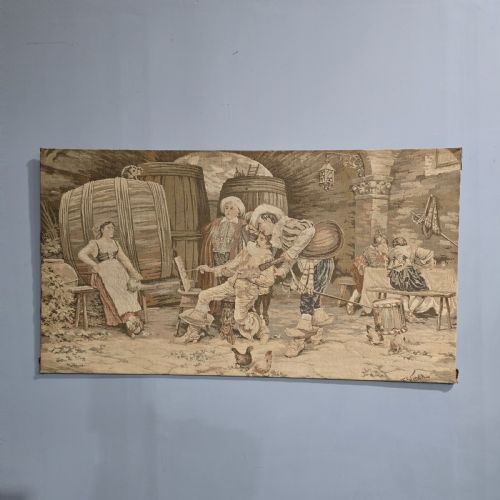


Framed Sign Panels
Framed sign panels bring together trade graphics, church text and painted boards, offering an authentic slice of commercial and domestic history for your walls.
Framed Sign Panels
When you search for framed sign panels, you encounter a varied mix of merchant advertising, religious boards and hand-painted notices preserved behind glass or within timber surrounds. These objects function as historical markers, translating the everyday communication of past centuries into decorative wall art.
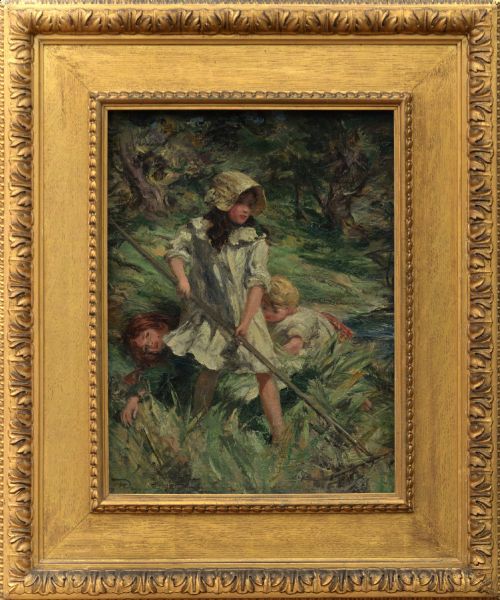
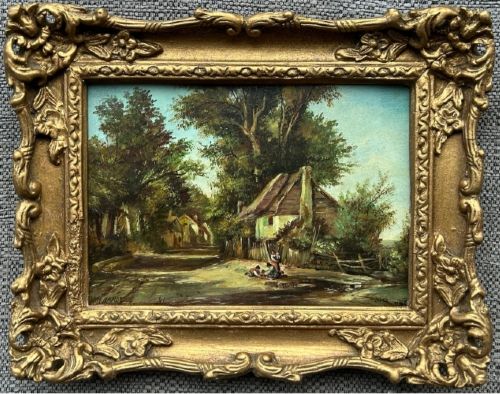
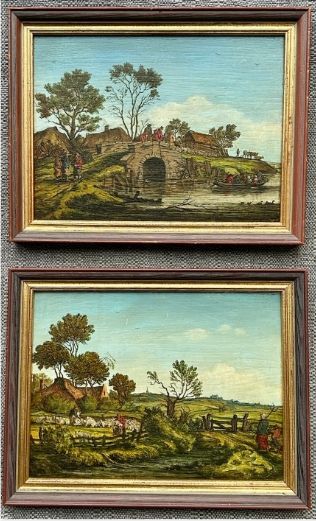
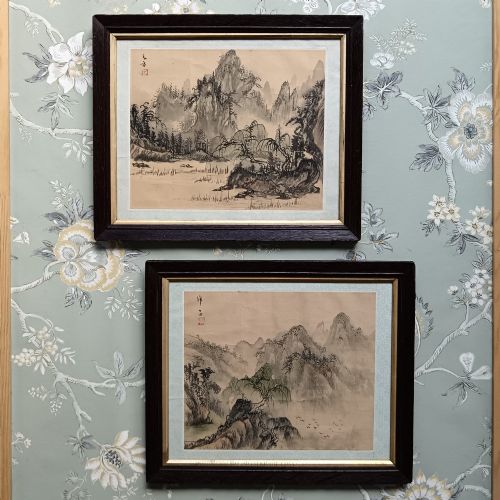
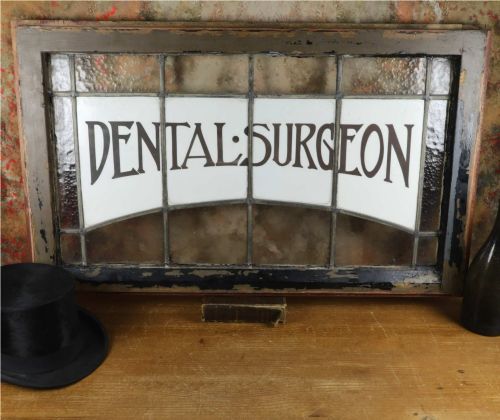
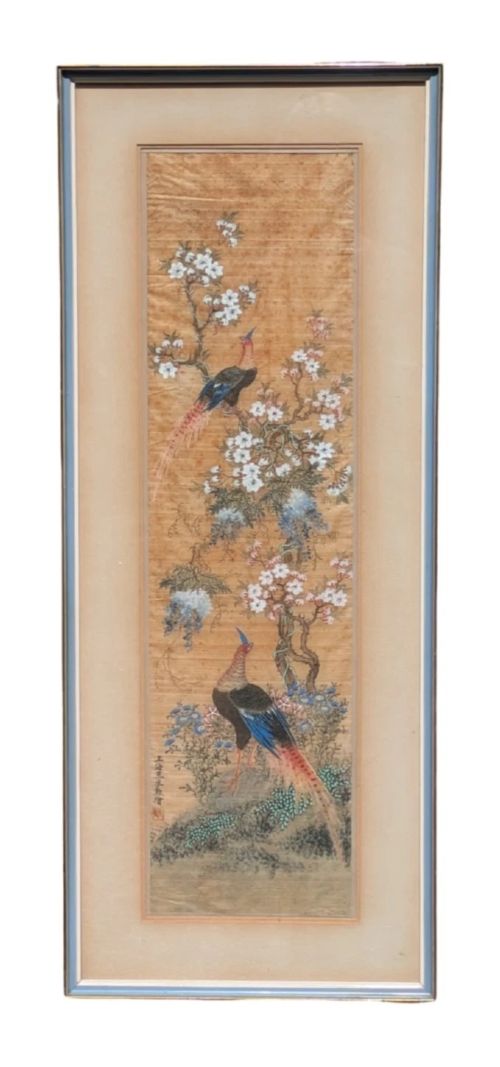
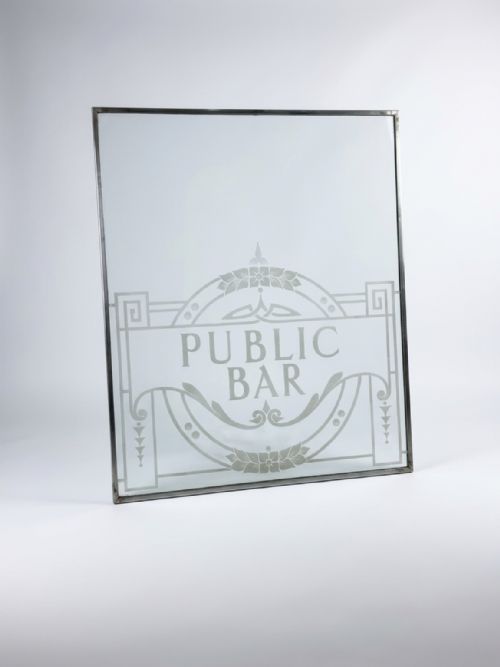
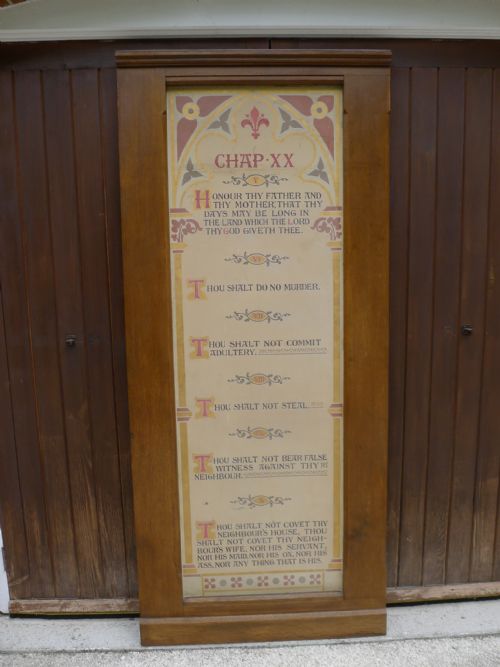
The selections span Victorian pub windows, Edwardian dental surgery glass and religious texts salvaged from tin tabernacles. Alongside trade items, you find oil paintings on wood panels and silk paintings that blur the line between fine art and directional signage.
Oak frames, glass panels and beaten copper provide the primary housing for these pieces, reflecting how signboards were protected for public display. You will find that Victorian and Edwardian examples dominate the offerings, showing the heavy reliance on physical signage before modern plastics.
How they were made
Makers utilised traditional timber framing, often joining oak or softwood to protect vulnerable surfaces like glass, painted wood panels and silk. Glass signs frequently relied on back-painting and etching techniques, pressing lettering and imagery into the reverse side to protect the finish from wear.
Painted surfaces involve oil paint, watercolours and metallic leaf applied directly to wood panels, pine boards or woven silk. Metal elements such as beaten copper show embossed lettering and decorative motifs shaped by hand rather than stamped by automated presses.
Framed Sign Panels Retail Price Guide 2026
Typical asking prices for framed sign panels among the pieces listed under this phrase on Sellingantiques today, from the lower quarter to the upper quarter. They describe what is for sale here now, not the wider market.
Listings feature items spanning the eighteenth, nineteenth and twentieth centuries, using materials such as oak, glass, silk and beaten copper.
What varies in quality
The distinction between ordinary utility items and superior pieces lies in the crispness of the lettering, the complexity of the painted imagery and the survival of the original frame. Hand-painted trade signs and etched glass panels with sharp, distinct typography command greater appreciation than mass-produced alternatives.
The integrity of the materials dictates longevity, particularly whether original glass remains intact within its vintage wooden housing. Pieces that retain their factory or workshop framing show a truer historical context than those rehoused in modern surrounds.
W Klombeck·William Howard Hardy·W Williams·H Wallace·Del Buono·C Ravier·H Desprez
The Framed Sign Panels Glossary
- Tin Tabernacle
- A prefabricated corrugated iron church or mission hall popular in the nineteenth century. These buildings often housed large wall-mounted religious texts.
- Etched glass
- Glass treated with acid to eat away the surface and create opaque lettering or patterns. This technique was standard for Victorian shop and pub windows.
- Wood panel
- A flat solid piece of timber, often oak or pine, used as a rigid support for paintings or signs. They predate the widespread use of canvas and modern manufactured boards.
- Embossed panel
- Sheet metal, such as copper, pushed outward from the reverse to create a raised three-dimensional design or inscription. They were common in Arts and Crafts interior decoration.
- Trade sign
- A board or glass panel designed to advertise a profession, shop or service to the street. They rely on bold lettering and clear iconography for immediate legibility.
Framed Sign Panels: Frequently Asked Questions
What are framed sign panels?
These pieces encompass vintage trade notices, church texts, painted boards and glass advertisements secured within period frames. They served practical functions in shops, pubs and institutions before ending up in the hands of collectors.
They capture the graphic design and material culture of past centuries, offering a direct link to historical commerce and everyday communication.
How were these signs used?
Sign panels hung in shop windows, public houses, medical practices and places of worship to inform the public or advertise services. Glass versions allowed light through while displaying trade names, whereas timber and metal boards mounted firmly to interior or exterior walls.
Religious texts served to guide congregations inside corrugated iron churches, functioning as both decoration and spiritual instruction.
How do I hang a heavy wood or glass panel safely?
Due to the weight of thick timber frames and old glass, secure fixings into wall studs or appropriate masonry anchors are essential. Wall-mounting brackets designed to bear substantial loads prevent strain on the original hanging hardware.
Ensure the weight distributes evenly across the frame rather than relying on historical wire or brackets that may have weakened with age.
How can I tell the age of a sign panel?
Dating relies on the materials used, the style of the lettering, and the construction methods of the frame. Victorian and Edwardian pieces often feature hand-lettered glass, specific serif typefaces, and traditional joinery unique to those decades.
Examining the backboards, fixings and patination of the wood provides further clues to confirm whether a piece originates from the nineteenth or early twentieth century.