

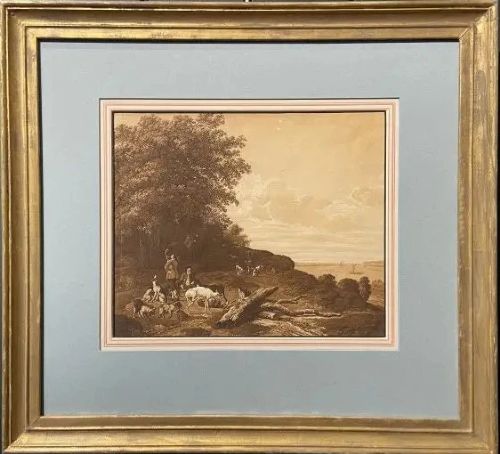
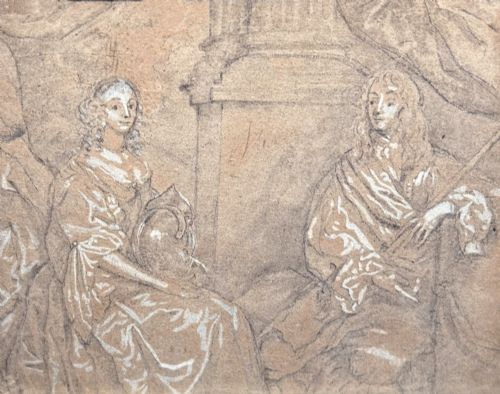
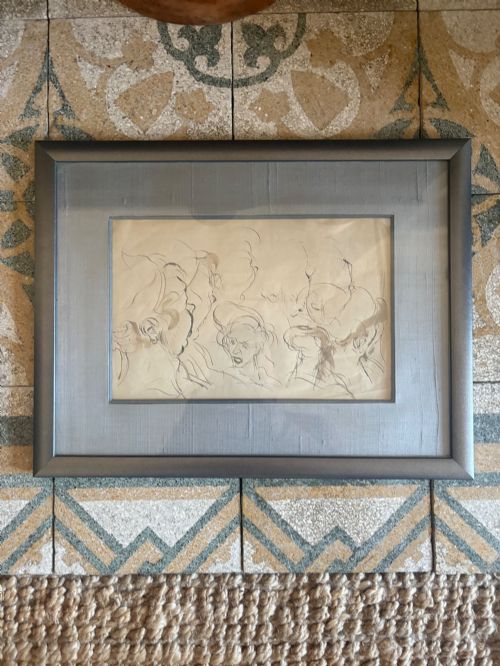

Framed Sepia Drawing
A framed sepia drawing brings the warm, monochromatic tones of historic monochrome ink and wash directly onto a wall.
Framed Sepia Drawing
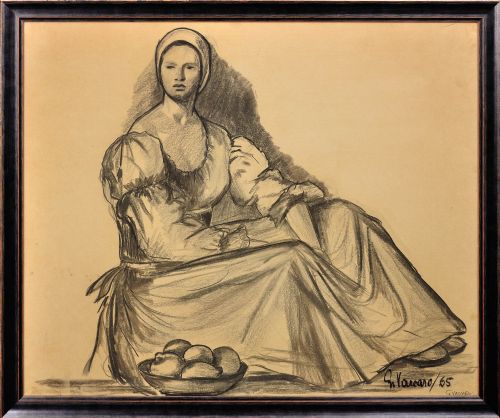
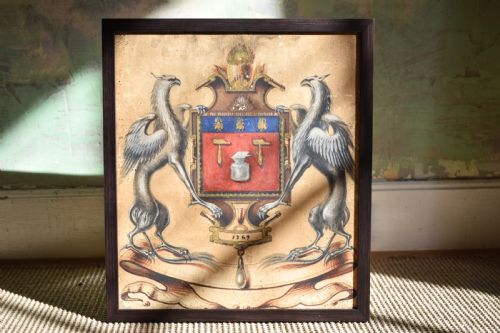
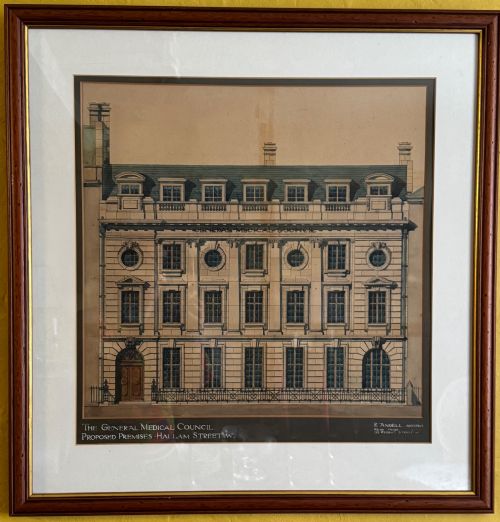
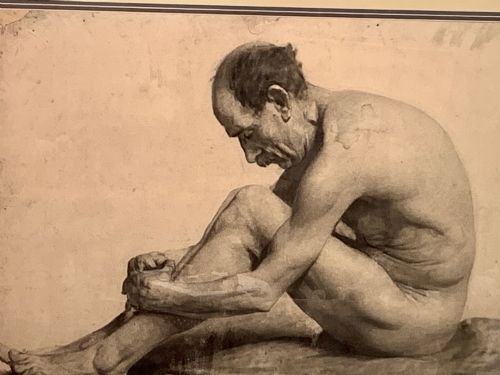
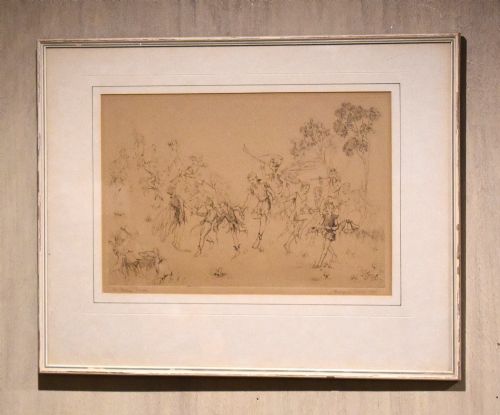
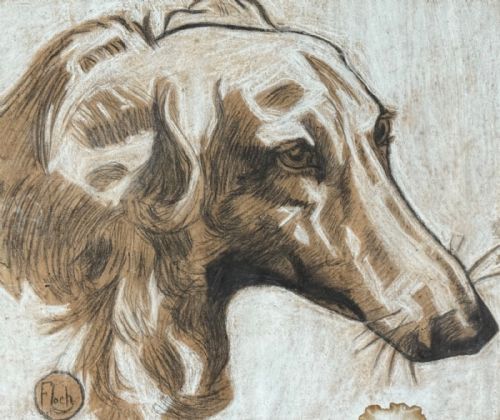
When buyers search for a framed sepia drawing, they encounter works on paper executed in brown monochrome ink, pencil, chalk, or wash. These pieces span from the eighteenth century through the twentieth century, capturing architectural studies, portraits, and landscape sketches.
Materials and Techniques
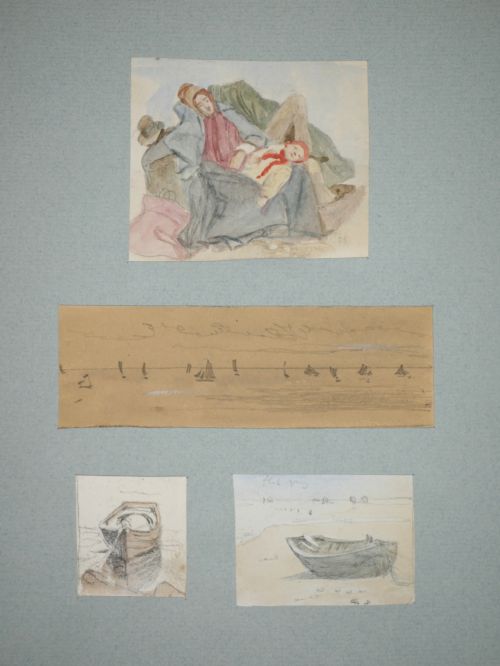
Artists historically created these monochromatic works using iron gall or bistre ink, graphite pencil, and charcoal applied to laid or wove paper. Washes of watered ink or watercolour pigment introduced depth and shadow, achieving the characteristic brownish-grey tones.
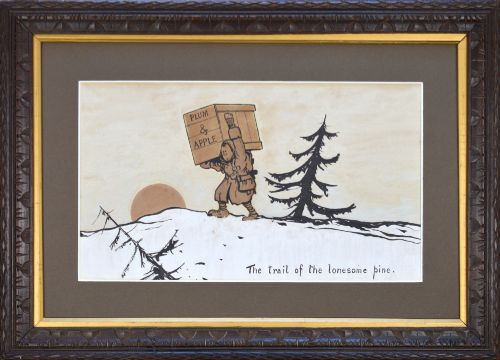
Framing methods involved securing the works on paper behind glass within wooden or gesso frames, occasionally incorporating buff or tinted paper grounds to enhance the tonal contrast of the drawing.
Framed Sepia Drawing Retail Price Guide 2026
Typical asking prices for framed sepia drawing among the pieces listed under this phrase on Sellingantiques today, from the lower quarter to the upper quarter. They describe what is for sale here now, not the wider market.
Listings feature paper, glass, ink, wood, watercolour, graphite, pencil, and charcoal across periods from the 18th century to the mid-20th century.
Evaluating Visual Quality
Quality rests upon the sureness of the draftsmanship and the expressiveness of the line, separating confident preparatory studies from stiff copies. The preservation of the paper surface, minimal foxing, and the integrity of the original monochrome tones dictate the visual strength of the piece.
The harmony between the drawing and its period frame elevates the work, as original wood or gilt gesso surrounds complement the historical context of the art without overpowering the delicate medium.
Marjorie L Davies·Bruce Bairnsfather·James Smetham·Johannes Lingelbach·Peter Lely·Alfred Dehodencq·Pio Panfili·Sir Francis Leggatt Chantrey·Amos Green·Fred Lawson·George De Paris·Owen Bowen
The Framed Sepia Drawing Glossary
- Sepia
- A brownish pigment originally derived from the ink sac of the cuttlefish. It defines the warm, monochromatic palette characteristic of many historic ink and wash drawings.
- Wash
- A technique where diluted ink or watercolour is brushed across paper to create semi-transparent areas of tone and shadow. It provides depth behind primary pencil or pen lines.
- Laid paper
- A type of handmade paper featuring a grid of fine parallel lines and wider spaced chain lines visible when held to the light. It is commonly found in older works on paper.
- Foxing
- Brown spots and discolouration that develop on historic paper due to chemical reactions over time. Its presence is common in works from the eighteenth and nineteenth centuries.
- Gesso
- A plaster-like mixture applied to wooden frame mouldings as a base for gilding or painting. Period frames often utilise this material to achieve ornate decorative relief.
Framed Sepia Drawing: Frequently Asked Questions
What periods do these drawings come from?
The listings feature works originating from the eighteenth, nineteenth, and twentieth centuries. These span Georgian, Victorian, and later artistic movements.
Each period brings distinct subject matter, ranging from classical architectural studies to early twentieth-century townscapes and portraits.
How should I hang works on paper?
Works on paper require careful placement away from direct sunlight to prevent the ink and paper from fading over time. Maintaining stable indoor humidity also protects the fragile support.
Use sturdy wall anchors suitable for the weight of the wooden or gesso frames, ensuring the piece hangs securely at eye level.
Are these drawings original works?
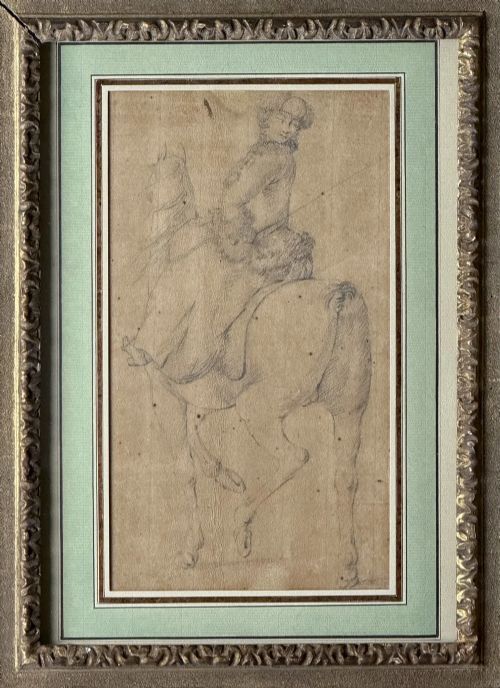
Most pieces listed are original hand-drawn or painted works created directly by the artist using pencil, ink, charcoal, or wash. Preparatory studies and life drawings dominate the selection.
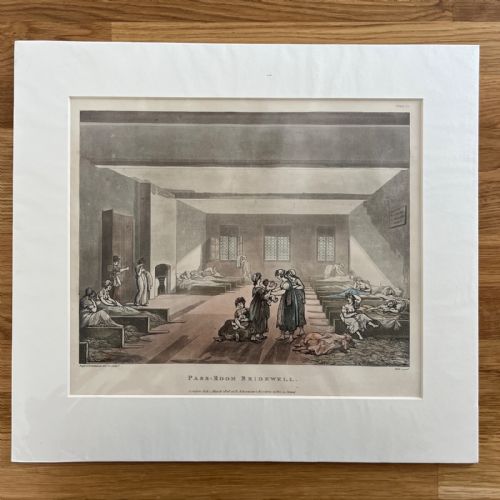
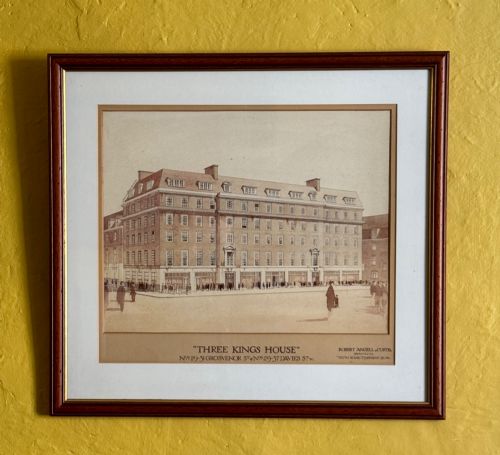
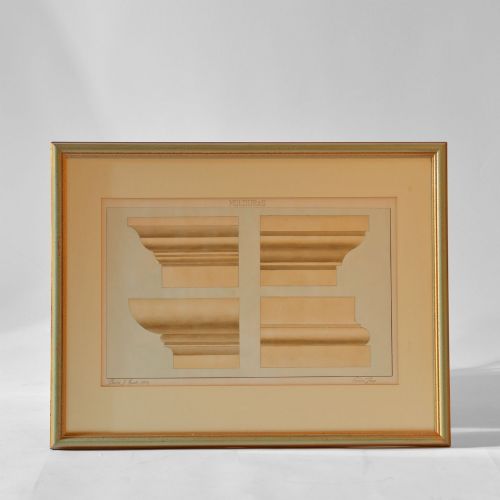
A small number of historic printed reproductions also appear, capturing past academic submissions and architectural designs.