

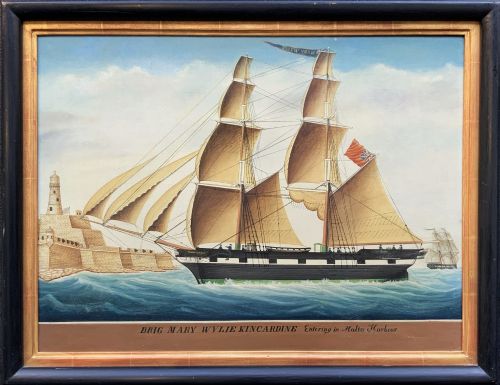
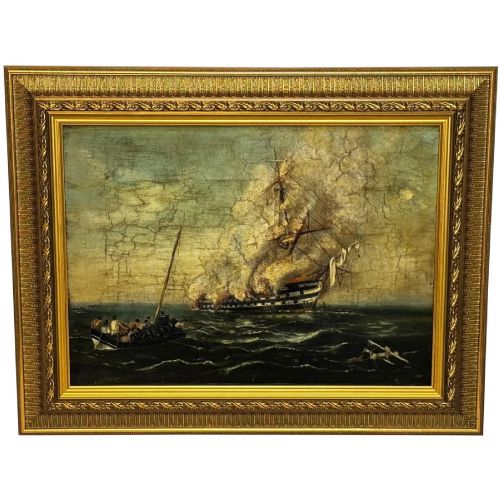

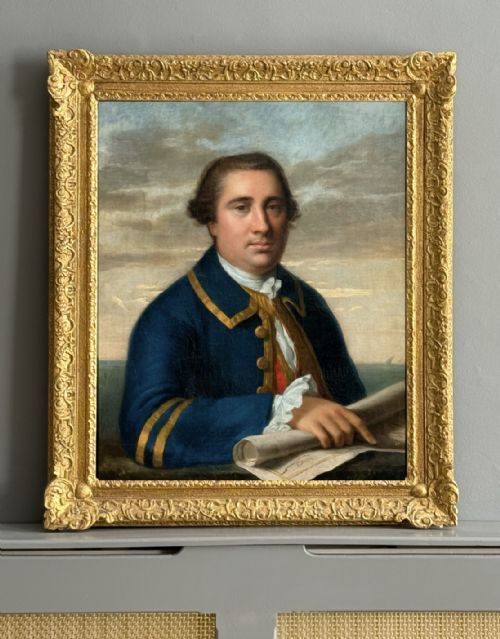
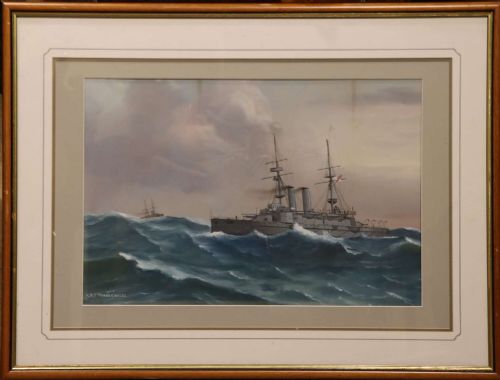
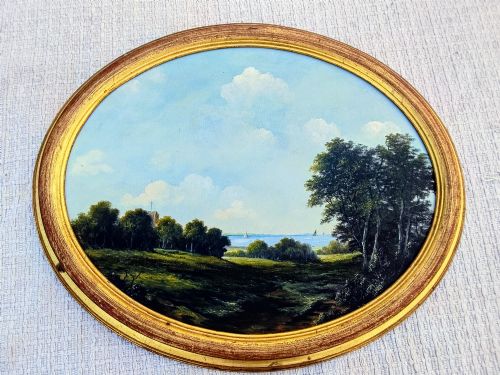
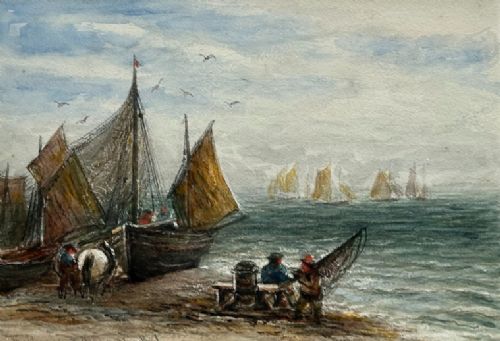
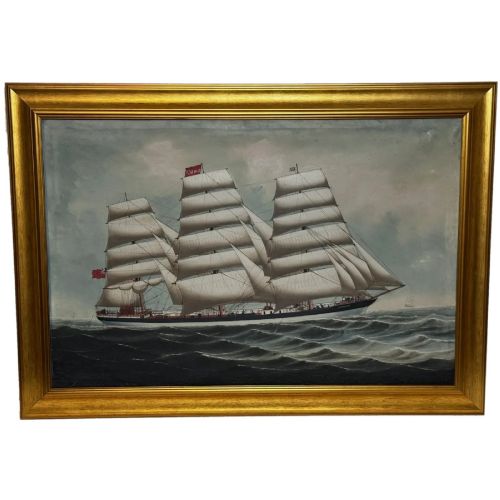
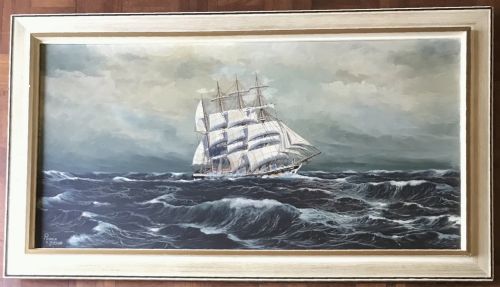
Framed Sea Painting
A framed sea painting brings the movement, colour and history of open water and coastal life directly onto a domestic wall.
Framed Sea Painting
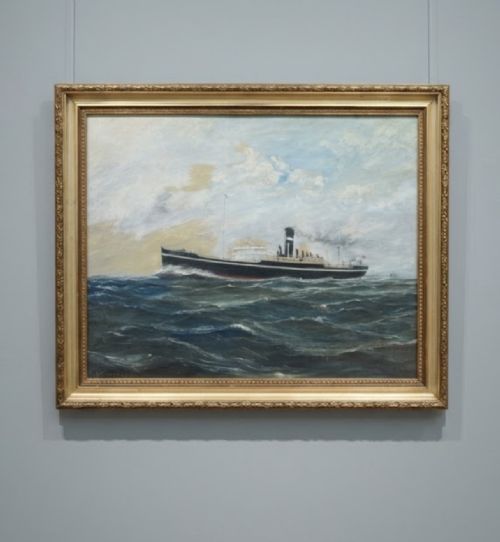
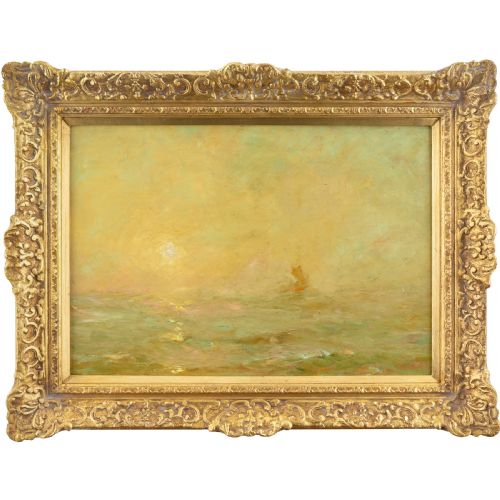
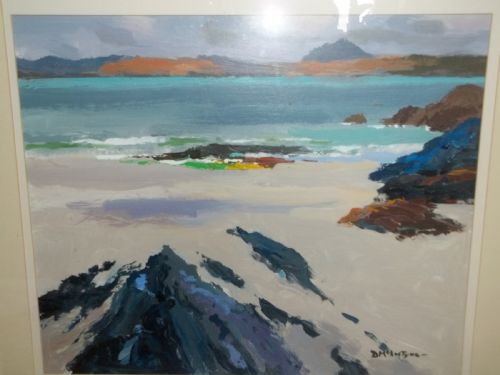
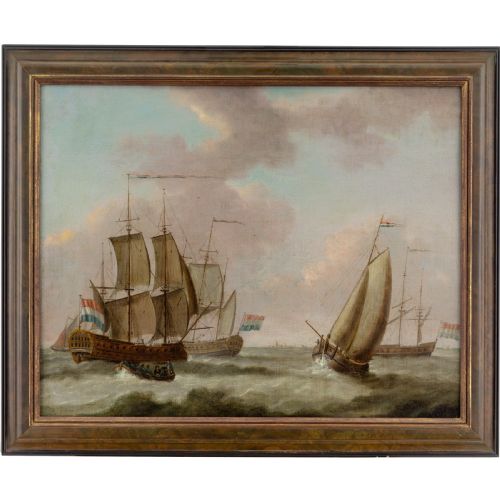
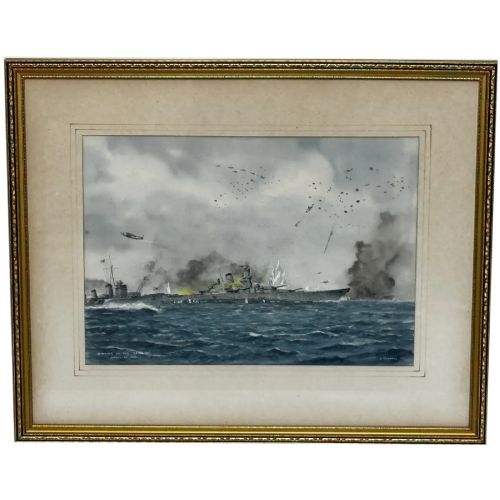
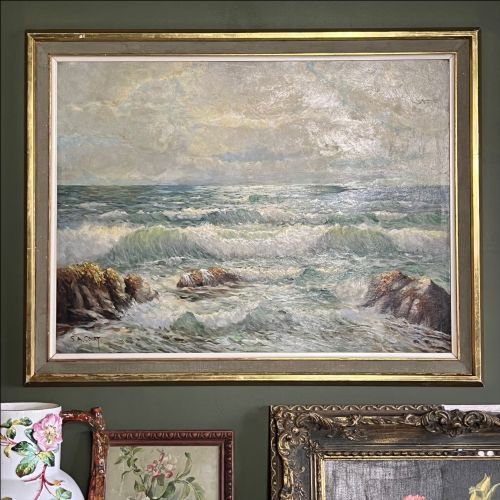
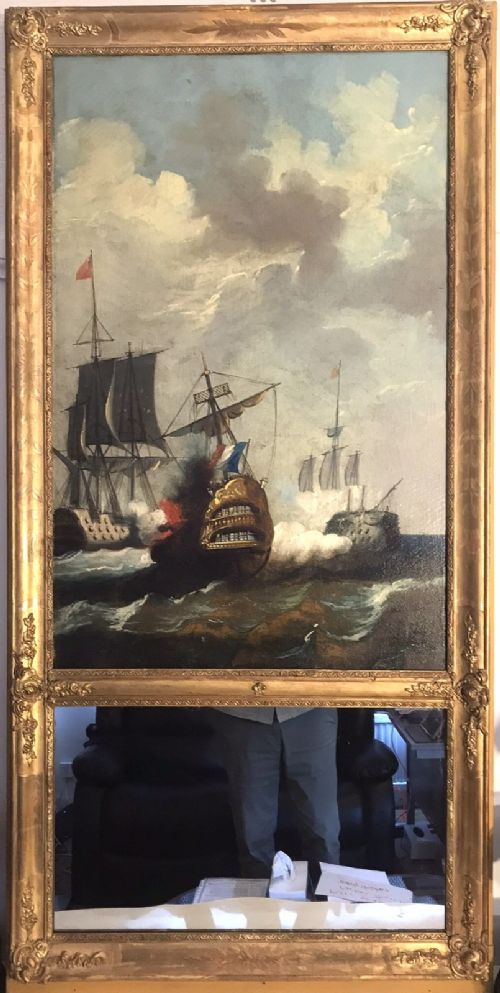
A framed sea painting captures maritime subjects, coastal scenes, naval battles and shipping vessels across several centuries of artistic production.
You will most frequently encounter nineteenth-century works depicting square-rigged sailing ships, steam vessels and coastal harbours rendered in oil or watercolour.
Formats range from intimate watercolours on paper to large canvas oils housed in heavy gilt wood frames.
Materials and technique
Artists painted primarily with oil paint on canvas or wooden board, and occasionally with watercolours on paper, capturing light and atmosphere across shifting tides.
Frames are constructed from wood, frequently finished with layers of gilt to accentuate the depth and visual weight of the artwork.
Framed Sea Painting Retail Price Guide 2026
Typical asking prices for framed sea painting among the pieces listed under this phrase on Sellingantiques today, from the lower quarter to the upper quarter. They describe what is for sale here now, not the wider market.
Listings feature works spanning the eighteenth, nineteenth, and twentieth centuries, executed in oil, gouache, and watercolour.
Quality and execution
Superior works demonstrate a precise understanding of maritime architecture, rigging and the heavy swell of rolling water rather than generic application.
The handling of light on breaking waves and the fidelity of historical vessel details distinguish accomplished paintings from standard decorative items.
Donald McIntyre·Hans Harlander·Reginald Arthur Borstel·Lemuel Francis Abbott·Sidney A Court·John E Aitken·Eric Tufnell·William Banks Fortescue·John Rose Miles·William Broome·Bernard Gribble·Bernard Benedict Hemy·Lai Fong·Erich Mercker·Carlo Ferranti·John Moore of Ipswich·Richard B Spencer·William Henry Williamson·George Stanfield Walters·Raymond Moritz·Charles Napier Hemy·Jean-Baptiste Olive·William Lee Hankey
The Framed Sea Painting Glossary
- Oil on Canvas
- A traditional painting medium where pigment mixed with drying oil is applied to stretched woven fabric. This combination allows for rich colour blending and textured brushwork.
- Gilt Wood
- Timber carved and coated with a thin layer of gold leaf or metallic powder. It provides a reflective, ornate border designed to complement the artwork.
- Watercolour
- A painting method where fine pigment is suspended in a water-soluble binder and applied to paper. It yields translucent washes of colour.
- Pierhead Painting
- A specific genre of maritime art depicting a named vessel, often commissioned by its captain or owner upon entering port.
- Marine Realism
- An artistic style focused on accurate, detailed representation of ships, coastal topography and marine weather conditions.
Framed Sea Painting: Frequently Asked Questions
How do I identify the age of a marine painting?
Examine the materials of the canvas, the construction methods of the wooden stretcher, and the style of the gilt frame. Stylistic clues in the depicted vessels, such as the transition from sailing barques to steamships, also indicate specific eras.
Written signatures, labels on the reverse, or biographical dates of the artist provide the most reliable chronological markers.
Where should I hang a framed sea painting?
Select a wall with stable ambient temperature and humidity, away from direct sunlight which can fade watercolours and oils over time. Ensure the wall structure can support the combined weight of the painting and its heavy wood or gilt frame.
Position the centre of the canvas at eye level to replicate gallery viewing standards.
What is the difference between oil and watercolour marine art?
Oil paintings utilise thick pigments on canvas or board, offering rich textures, deep shadows, and robust durability. Watercolours use translucent washes on paper, resulting in lighter, more luminous atmospheric effects.
Watercolours require protective glass framing to prevent moisture damage, whereas oil paintings on canvas remain unglazed.
How do I care for antique painted sea scenes?
Dust the gilt wood frame gently with a dry, soft brush and avoid using liquid cleaners or chemical solvents on the painted surface. Keep the artwork away from radiators and damp environments to protect the wood and canvas.
Consult a professional conservator if the canvas sags or if the paint layer shows signs of cracking.