
Framed Scottish Landscape
A framed scottish landscape brings the dramatic expanse of lochs and hills directly into a room.
Framed Scottish Landscape
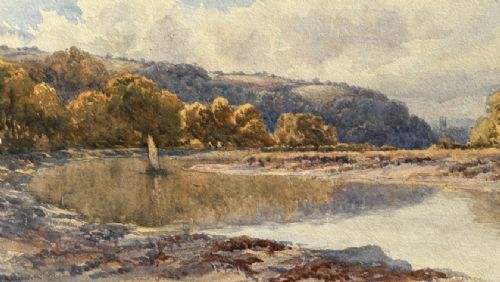
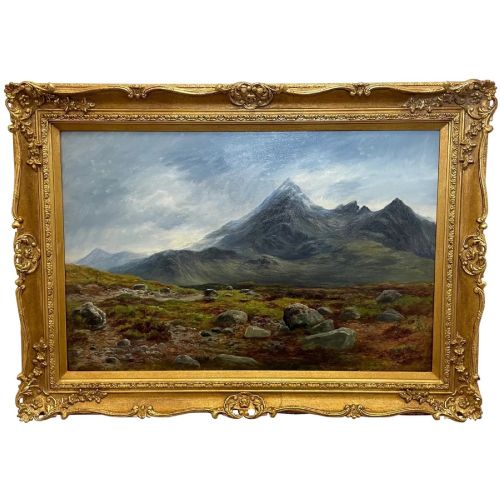
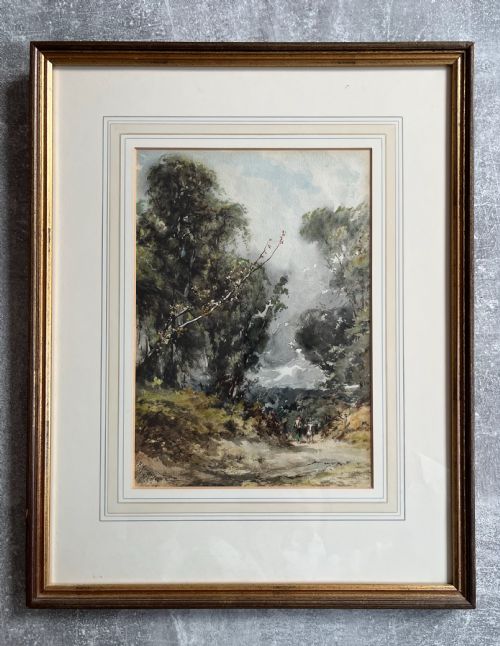
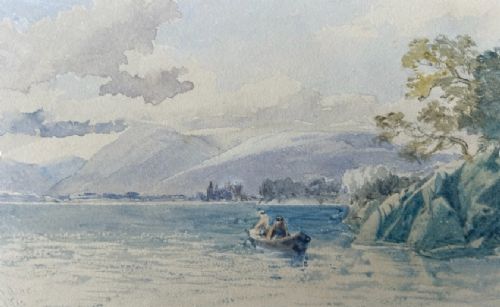
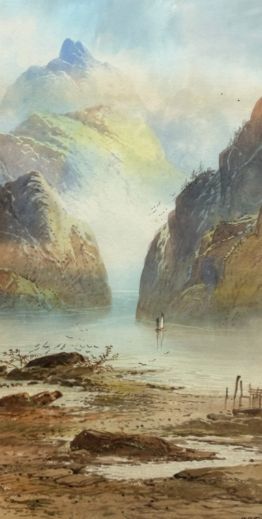
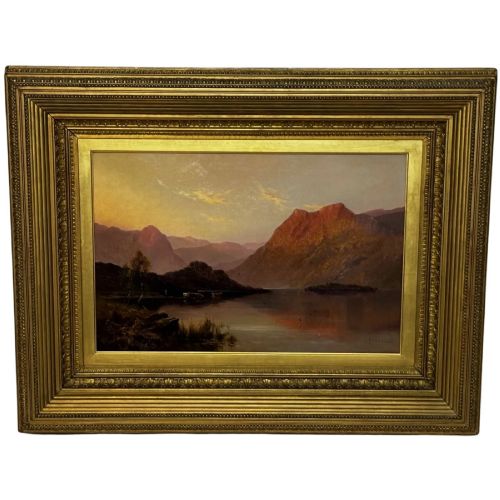
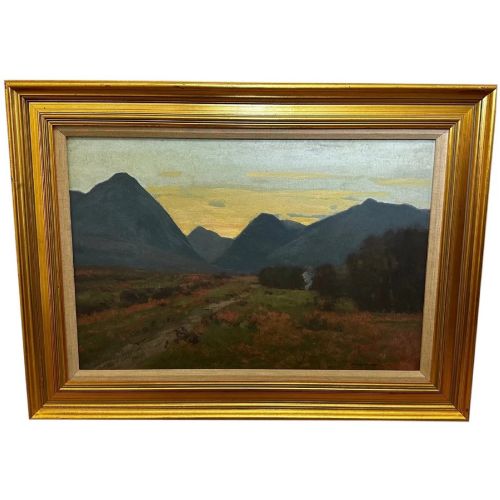
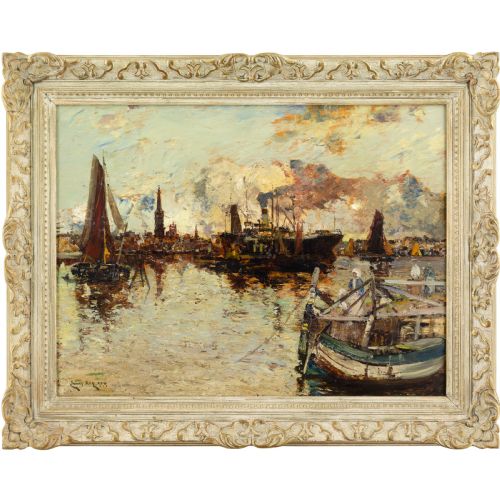
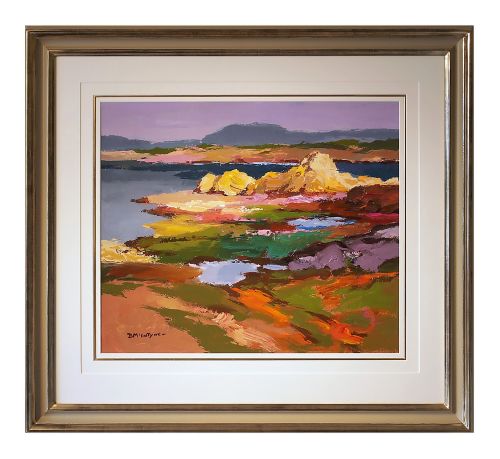
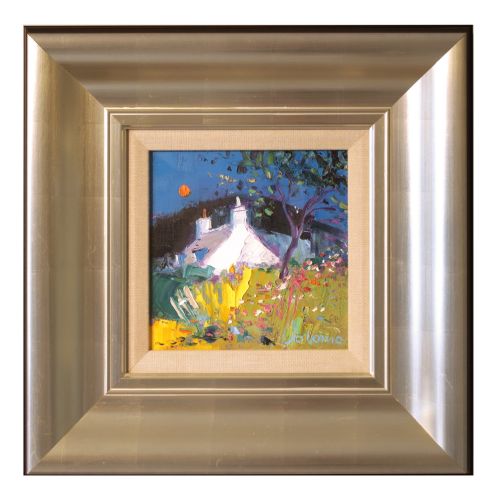
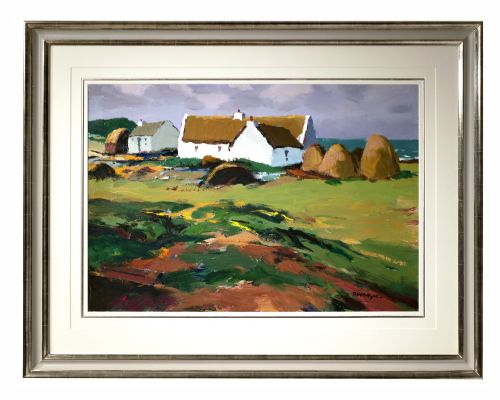
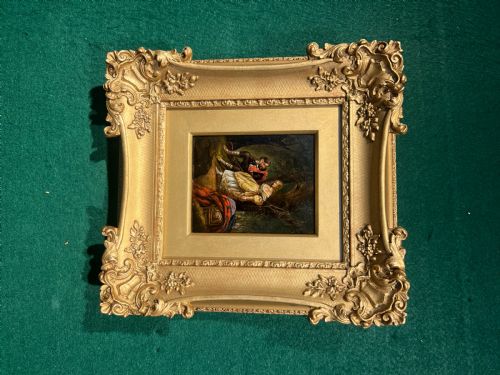
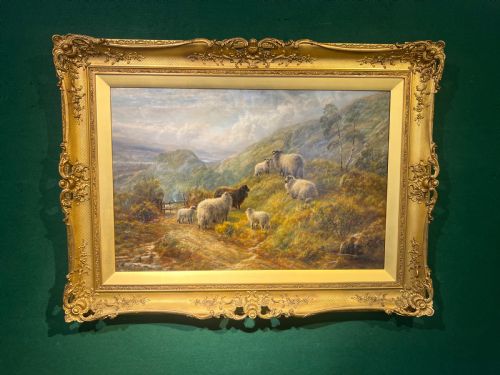
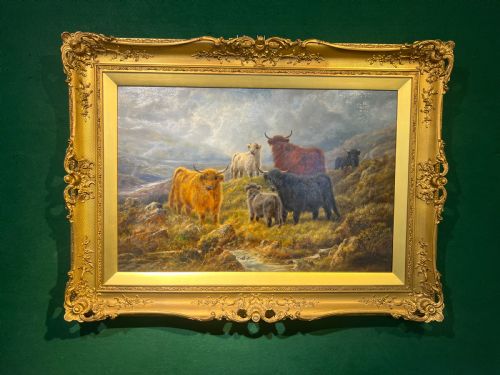
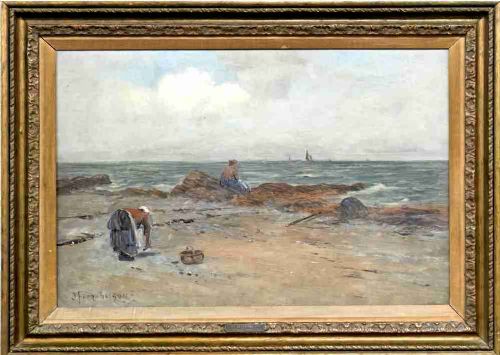
A framed scottish landscape captures topographical views, coastal scenes and highland cattle within period wooden surrounds. These works range from detailed nineteenth-century watercolours to mid-century oil paintings and impressionist canvases.
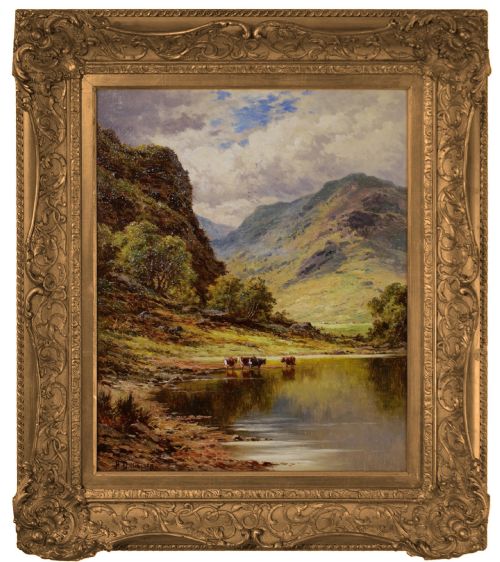
The most common pieces on this page date from the Victorian and Edwardian eras, executed in oil or watercolour. They depict recognisable locations such as Loch Awe, Loch Lomond and the Isle of Arran.
Makers and painters of the Scottish School recorded these rugged terrains across changing light and weather. The framing often matches the period of the artwork, using giltwood, gesso and plain wood moulding.
Materials and technique
Painters applied oil paint or watercolour to canvas, paper, panel or board to build up coastal and mountain views. Canvases are frequently stretched over wooden frames and housed in decorative giltwood or gesso surrounds.
Artists worked in watercolours for delicate atmospheric transparency or built thick impasto layers in oil to render Highland sheep and cattle. Gilt wood and gesso frames provide the traditional finish for these works.
Listings span the eighteenth, nineteenth and twentieth centuries, featuring oil on canvas, watercolour, and giltwood framing.
Quality and execution
Quality rests in the handling of light, atmosphere and geographical accuracy by the artist. Stronger examples show confident brushwork and precise draughtsmanship in depicting water, rock and livestock.
The condition of the canvas and the preservation of the original giltwood or gesso frame influence the overall integrity of the piece. Works bearing signatures from established members of the Royal Scottish Academy typically demonstrate higher artistic achievement.
William Beattie-Brown RSA·George Fotherly Hargitt·Thomas Miles Richardson Jnr·William Henry Earp·George Houston RSA RSW·James Kay RSW·Donald McIntyre·John Lowrie Morrison OBE·Henry H. Parker·Robert Watson·Joseph Farquharson RA·William Watson Jnr·Robert Cleminson·Charles Leslie·John Moxon·Archibald Kay RSA RSW·Henry Robinson Hall·Thomas Bromley Blacklock·William Littlejohn RSA
The Framed Scottish Landscape Glossary
- Gesso
- A plaster-like mixture applied to wooden frame mouldings before gilding or painting. It provides a smooth base for decorative surface ornamentation.
- Impasto
- Paint applied thickly to a canvas or board so that it stands proud of the surface. This technique creates visible brush texture and catches the light.
- Giltwood
- Timber carved and coated with a thin layer of gold leaf or metallic powder. It is frequently found on Victorian and Edwardian picture frames.
- Watercolour
- A paint consisting of pigment suspended in a water-soluble vehicle. Artists used it on paper to capture translucent skies and bodies of water.
Framed Scottish Landscape: Frequently Asked Questions
What periods do these paintings come from?
The selection spans from the late eighteenth century through the Victorian and Edwardian eras into the mid-twentieth century. Many works reflect nineteenth-century romanticism and later Scottish Impressionism.
Dates are often recorded directly on the canvas, paper or frame by the artist or subsequent framers.
How do I identify a Scottish School painting?
Look for specific regional geography, such as named lochs, glens and islands including Arran and Skye. Painters often signed their work and captured local livestock like Highland cattle and sheep.
Stylistic markers include distinct handling of northern light, moody skies and rugged terrain typical of Scottish topography.
Are the frames original to the artwork?
Many pieces retain their period giltwood or gesso frames, which match the era of the painting. Victorian and Edwardian frames often feature moulded wooden details characteristic of the period.
Framing styles vary from simple wooden borders to elaborate gilded designs intended to complement the depth of the landscape.
How should I care for an antique oil or watercolour?
Keep paintings away from direct sunlight and excessive moisture to protect both the canvas and the paper. Stable room temperatures prevent the wooden stretcher bars and gesso frames from warping.
Dust giltwood frames gently with a soft dry brush and avoid liquid cleaners on painted surfaces.