
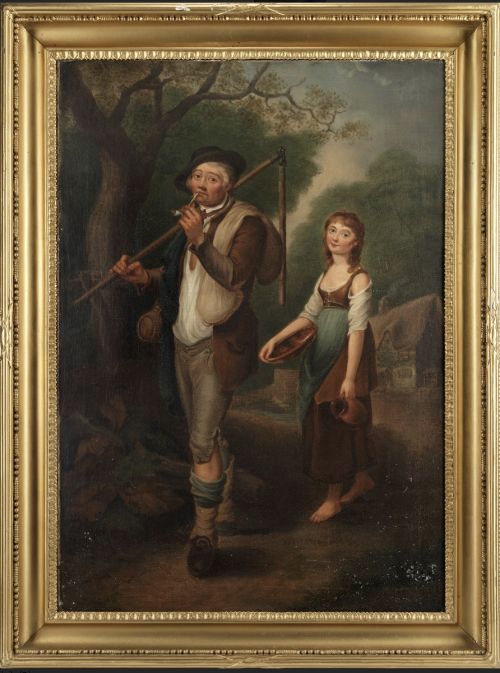
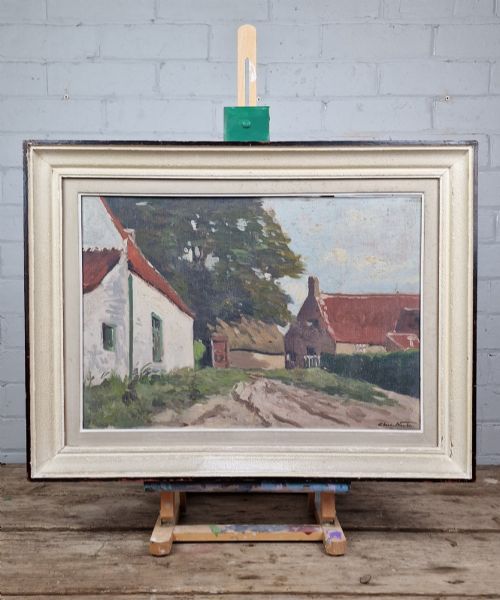

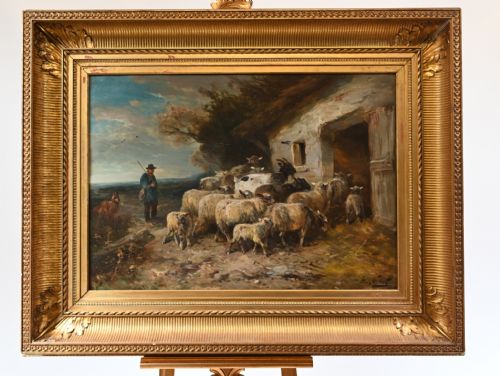

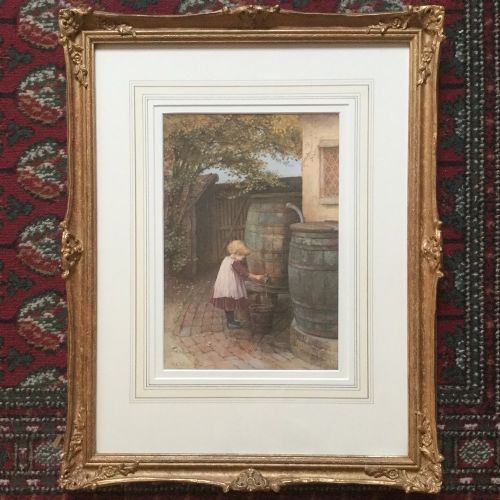
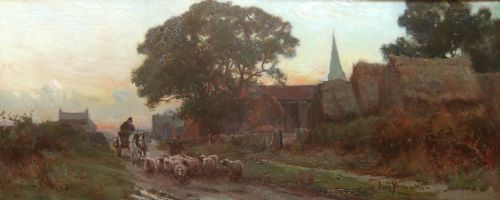

Framed Rustic Landscape Painting
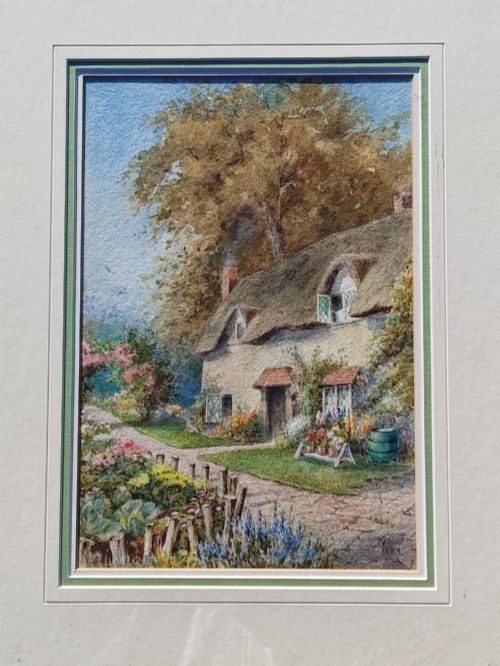
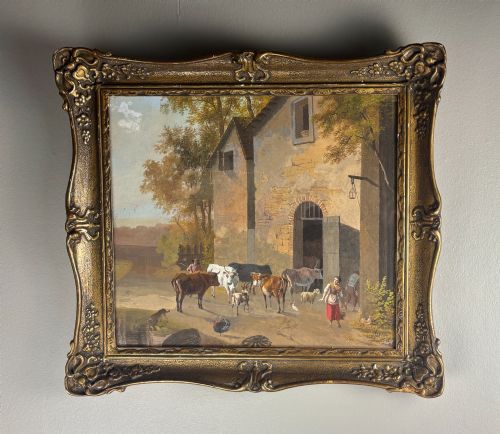
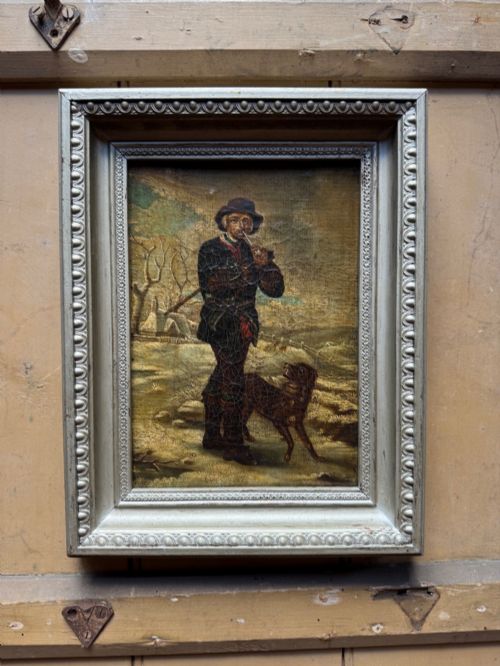
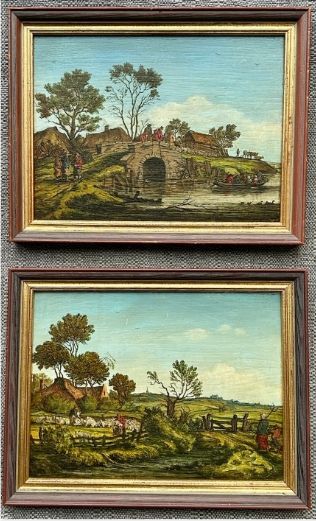
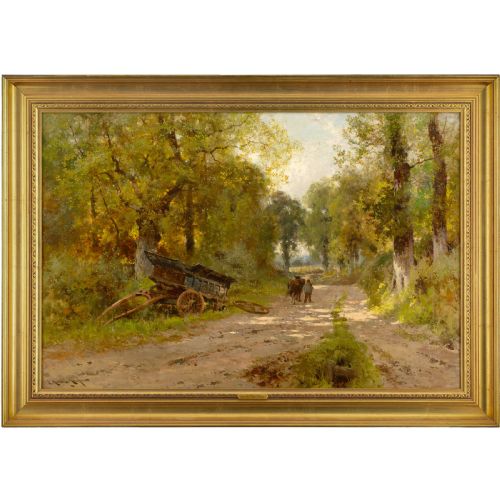
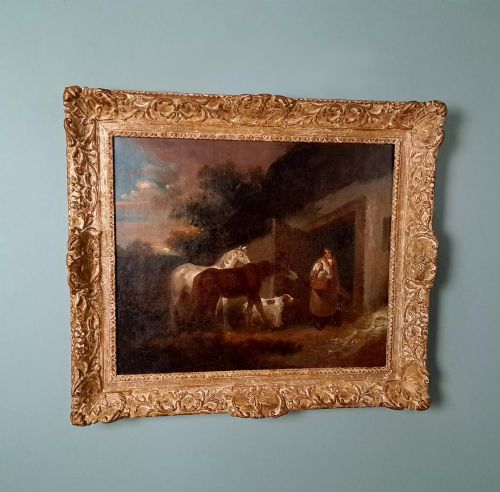
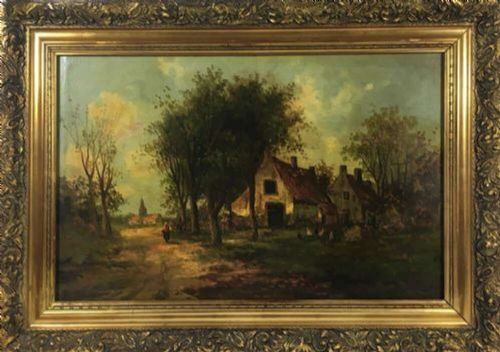
These framed rustic landscape painting works capture pastoral scenes and rural life through the centuries, offering collectors a window into traditional countryside views.
Framed Rustic Landscape Painting
A framed rustic landscape painting brings rural scenes, farmyards and pastoral countryside views into domestic interiors. These works span from the Georgian period through the Victorian era and into the twentieth century.
The selections on this page predominantly feature oil paintings on canvas or board, alongside watercolours and lithographs. Common subjects include cottages, shepherds, livestock and quiet riversides.
Makers range from named artists of the British and continental schools to primitive and follower works. Formats vary from intimate tondo panels to larger framed gallery pieces.
How they were made
Artists utilised oil paint on stretched canvas, wood panels and board, building up texture and depth through layered brushwork. Watercolour on paper offered a lighter medium for detailed rural studies.
Many works retain their period surrounds, constructed from wood with gesso and giltwood ornamentation. Canvases were occasionally laid onto board in later conservation efforts to secure the support.
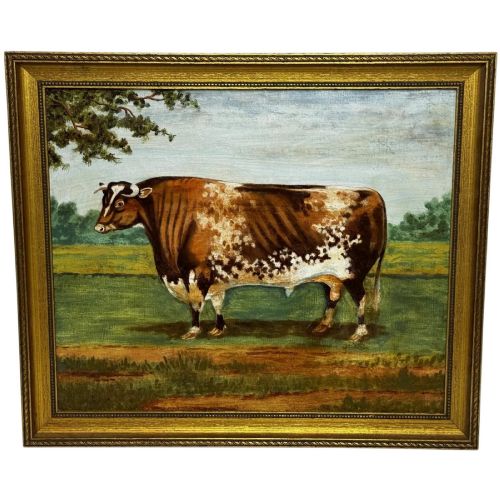
Prized shorthorn bulls and thirsty farmers share the countryside with gentle sheep flocks and quiet riverside cottages.
What varies in quality
Quality rests upon the sureness of the hand and the composition of the scene, distinguishing accomplished artists from basic primitive or follower pieces. Handling of light and atmosphere in rural subjects dictates the visual impact.
The preservation of the original painted surface and the condition of the period frame contribute significantly to the standing of an individual work.
W Klombeck·John Horace Hooper·William Joseph Shayer Senior·Thomas Barker of Bath·Charles Houben·Miles Birkett Foster·Henry Schouten·George Morland·Charles Edward Wilson·Owen Bowen·John Constable·John Bell·J C Grey·W E Evans·Philipp Peter Roos·Henry E Hobson·Henry John Yeend King·Andre de Moller·John Atkinson·Charles Vickers·R Palnay·J Barclay·John Wright Oakes·Ralph Dorrance·John Henry Dell
The Framed Rustic Landscape Painting Glossary
- Oil on Canvas
- Pigment suspended in drying oil applied to a woven fabric support. This combination allows for rich blending and textured impasto.
- Giltwood
- Timber carved and coated with gold leaf or gilt finish. It forms the decorative border around many traditional rural paintings.
- Tondo
- A circular painting or relief sculpture. This format offers a distinct compositional challenge compared to rectangular canvases.
- Panel
- A rigid support made from wood such as oak or mahogany. Artists utilised these flat surfaces before canvas became dominant.
- Pastoral
- A genre of art depicting rural life and idealized country scenes. These works celebrate the tranquility of the countryside.
Framed Rustic Landscape Painting: Frequently Asked Questions
How do I date a rustic landscape painting?
Dating relies on stylistic clues, framing techniques, and the material of the support panel or canvas. Victorian and nineteenth-century works often show specific handling of rural subjects.
Examining the back of the frame and any inscriptions or signatures helps establish a firmer timeline for the piece.
What is a primitive painting?
Primitive paintings display a naive or self-taught perspective, lacking formal academic training in perspective and proportion. They possess a direct charm and honesty.
These works focus heavily on narrative and local character rather than strict optical realism.
How should I hang an oil painting?
Oil paintings on canvas or board need stable wall fixings that match the weight of the heavy wooden or gilt frame. Avoid direct sunlight and damp environments to protect the paint layer.
Ensure the hanging wire or brackets securely engage with the structure of the frame rather than just the backing board.
What is the Barbizon School?
The Barbizon School refers to a movement of French landscape painters who worked from nature in the mid-nineteenth century. They favored realistic portrayals of rural environments.
Their approach influenced subsequent generations of landscape artists across Europe.