


Framed Royal Portrait
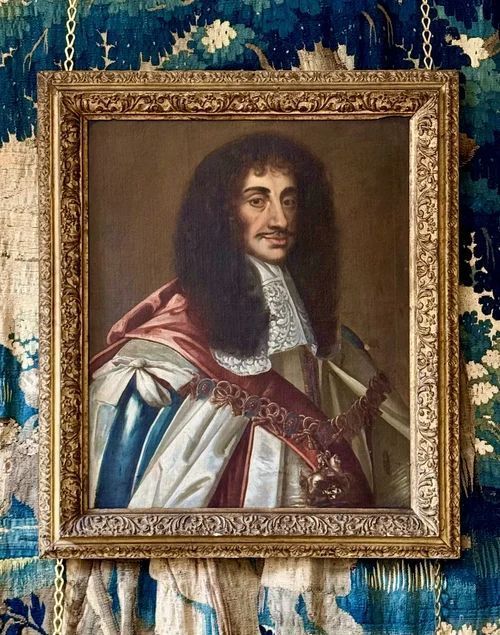
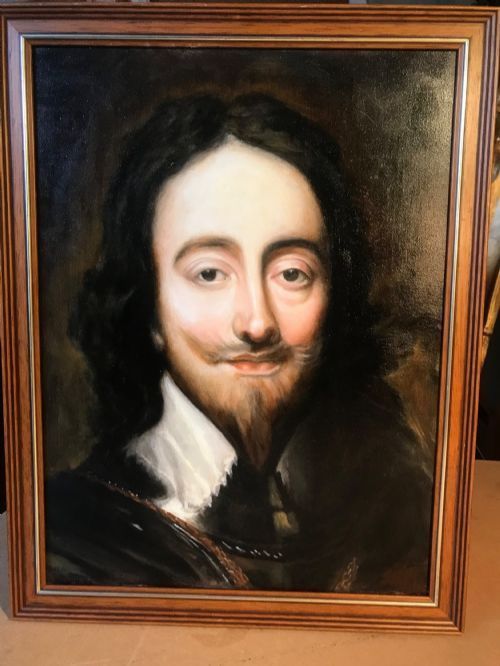
When you search for a framed royal portrait, you enter a gallery of monarchs, consorts, and heirs captured in oils, mezzotints, and pastels across four centuries.
Framed Royal Portrait
A framed royal portrait is a depiction of a sovereign or member of a royal family, preserved in media ranging from seventeenth-century oil paintings to mid-twentieth-century watercolours and pastels.
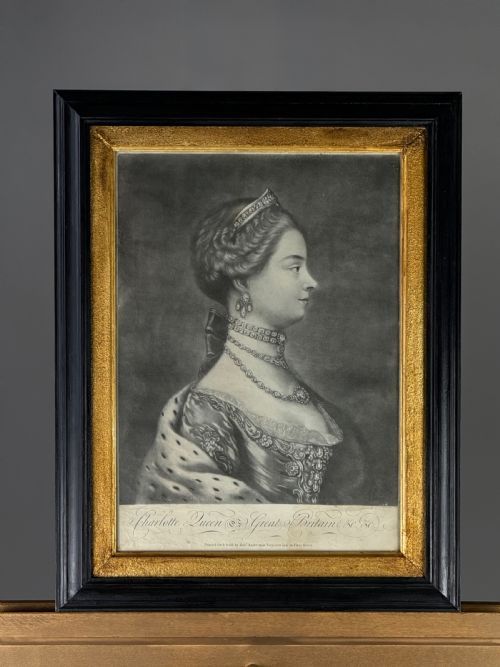
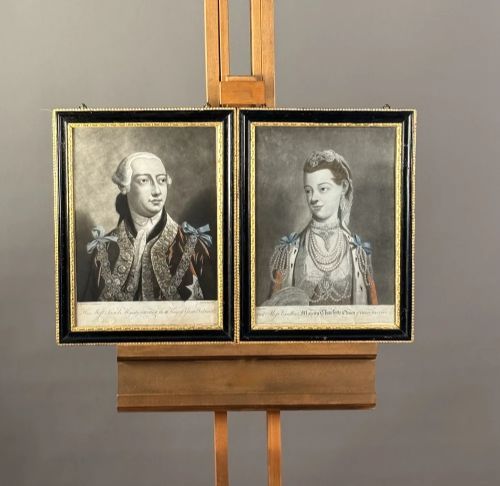
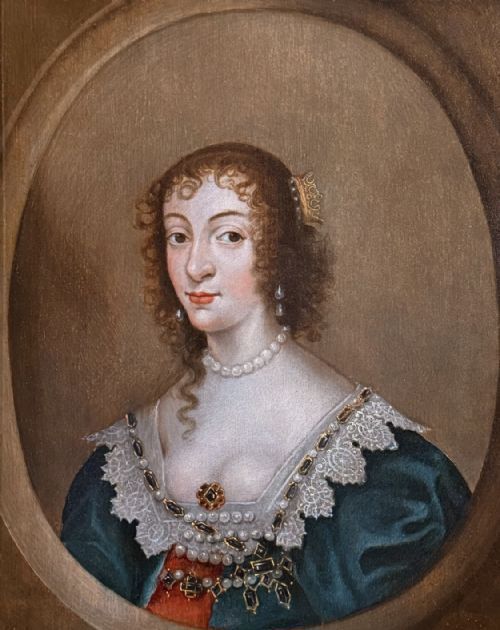
The selections available here lean heavily into seventeenth- and eighteenth-century depictions, often featuring British monarchs such as King Charles I, King George III, and Queen Charlotte.
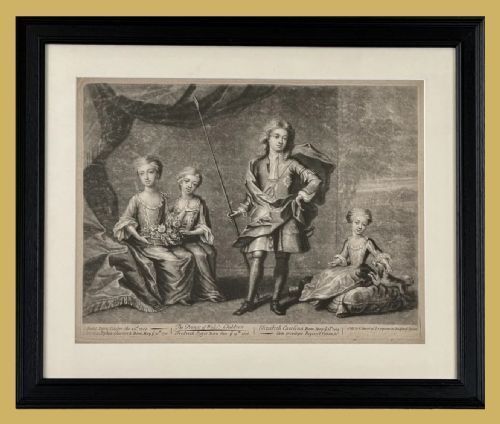
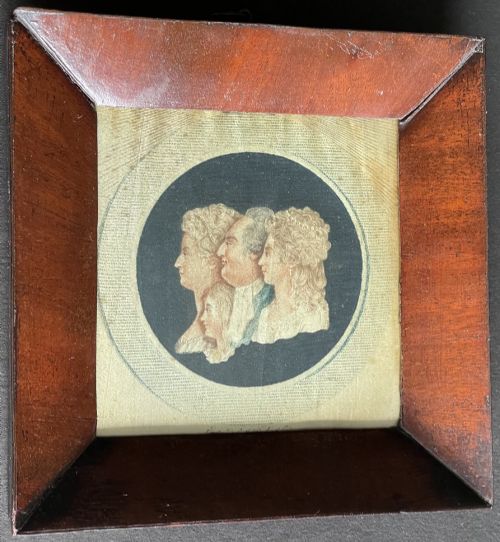
Beyond grand oil paintings on canvas or panel, buyers encounter fine mezzotint engravings, reverse glass prints, and delicate works on paper documenting royal lineage.
Materials and construction methods
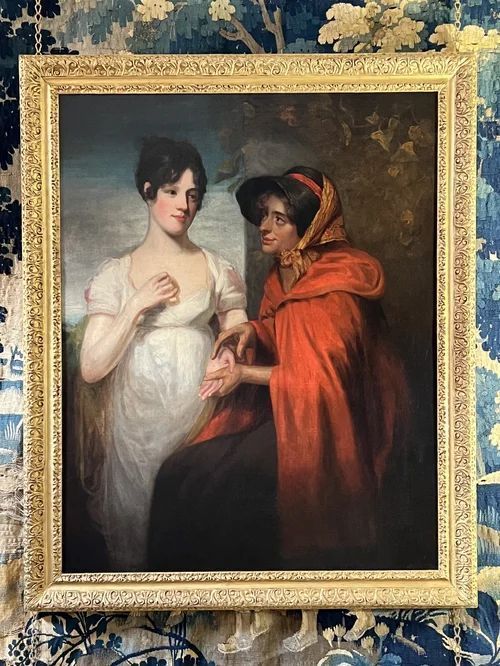
Many of these works utilise traditional oil paint on canvas or wooden panel, framed within period timber mouldings such as giltwood.
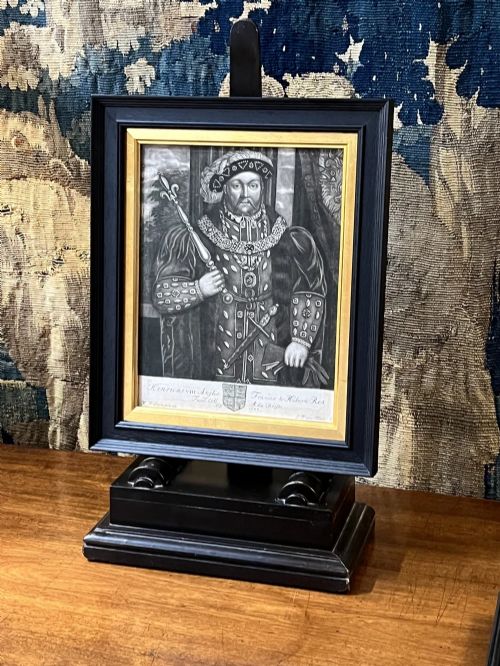
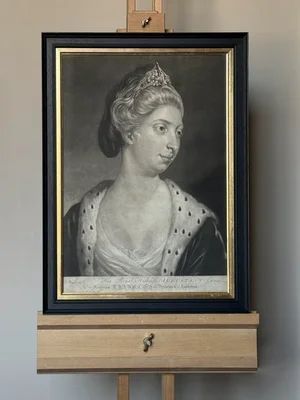
Printmakers employed copper plates to produce detailed mezzotint portraits on paper, sometimes enhanced by hand-colouring or reverse glass techniques.
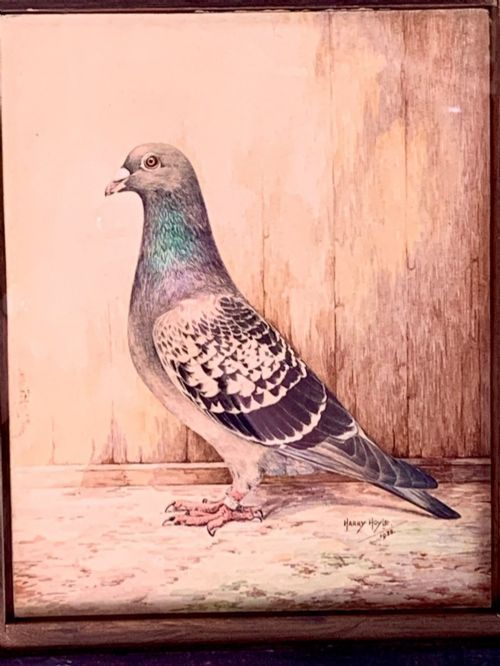
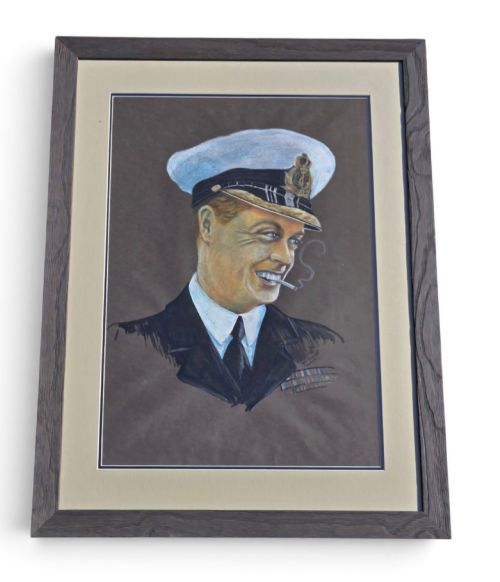
Later pieces incorporate pastel, gouache, and watercolour on paper, housed behind protective glass to preserve the delicate pigments.
Listings span from the seventeenth century through the 1960s, utilising oil paint, pastel, glass, and gold leaf.
Evaluating quality and execution
Quality rests upon the fidelity of the draughtsmanship and the authority of the rendering, particularly in facial likeness and the rendering of rich fabrics like velvet and lace.
The historical significance of the printmaker or artist, such as notable mezzotint engravers or painters from recognised schools, elevates the standing of an individual piece.
The integrity of the original framing, whether period giltwood or simple moulded timber, contributes to the overall cohesion and preservation of the artwork.
Sir Peter Lely·John Smith·Sir Anthony van Dyck·Richard Purcell·Thomas Frye
The Framed Royal Portrait Glossary
- Mezzotint
- A printmaking process where the copper plate is roughened to achieve rich tones and subtle gradations of light and shade. It was frequently used for reproducing royal oil paintings in the seventeenth and eighteenth centuries.
- Reverse glass print
- An image painted or transferred directly onto the back of a sheet of glass, viewed from the front for a glossy finish. Eighteenth-century examples often depict British monarchs.
- Giltwood
- Wood carved and coated with a thin layer of gold leaf or gold paint. It provides an ornate, reflective border suited to formal portraiture.
- Enamel portrait
- A miniature painting fired onto a metal base using powdered glass pigments. Henry Bone produced notable works in this medium.
- Oil on panel
- A painting executed on a prepared wooden board rather than canvas. This substrate is commonly found in earlier works.
Framed Royal Portrait: Frequently Asked Questions
How do I identify the period of a royal portrait?
Examine the costume, wig style, and lettering within the margin of prints, which often names the sitter and the publisher.
Matching the historical attire of the monarch to documented fashion eras helps narrow down the date of creation.
Are these portraits original paintings or prints?
The inventory includes both unique oil paintings and historical print media such as mezzotints and engravings.
Checking the listing details confirms whether a piece is a hand-drawn work or a period print.
How should I hang and light a framed portrait?
Position the piece away from direct sunlight to protect vulnerable pigments, particularly on works on paper and pastels.
Use picture lights designed to emit minimal heat to preserve the canvas or frame.
What framing styles accompany these royal portraits?
Many pieces retain their period frames, ranging from elaborate seventeenth-century giltwood to simpler wooden mouldings.
The frame often reflects the aesthetic of the era in which the portrait was produced or subsequently rehoused.