



Framed Rose Painting
A framed rose painting brings the quiet permanence of a garden inside, offering enduring floral subjects rendered in oil, watercolour, or pastel across centuries.
Framed Rose Painting
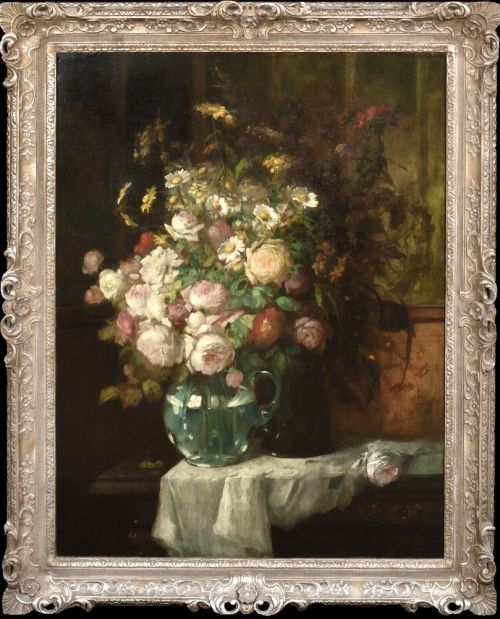
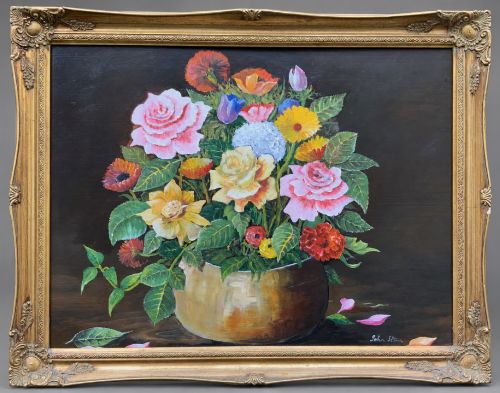
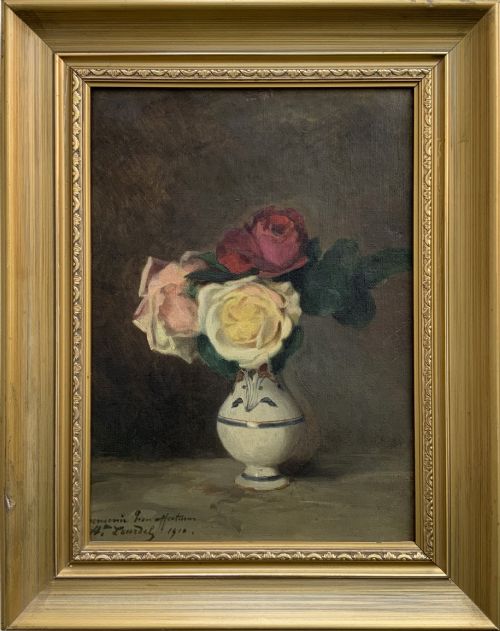
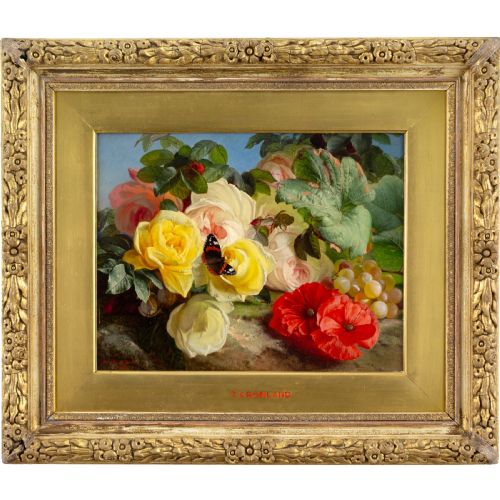
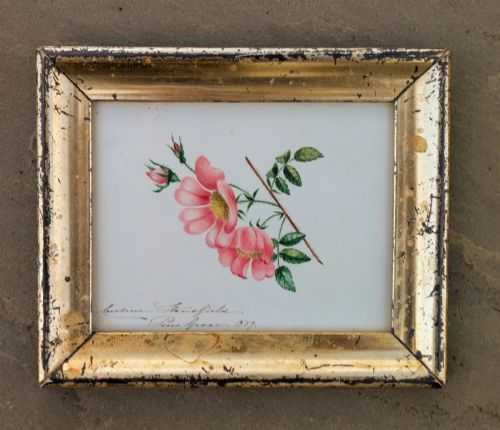
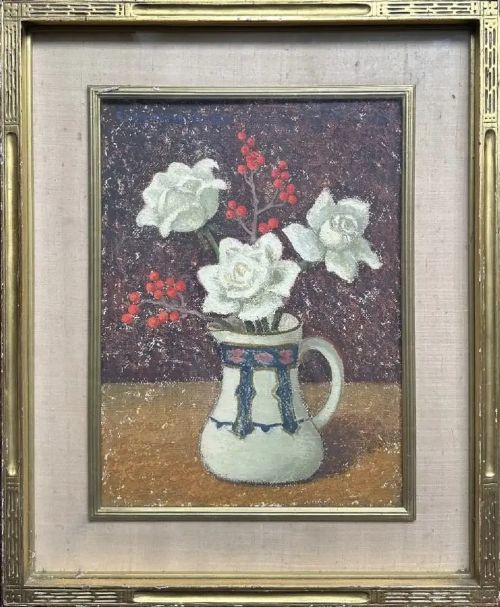
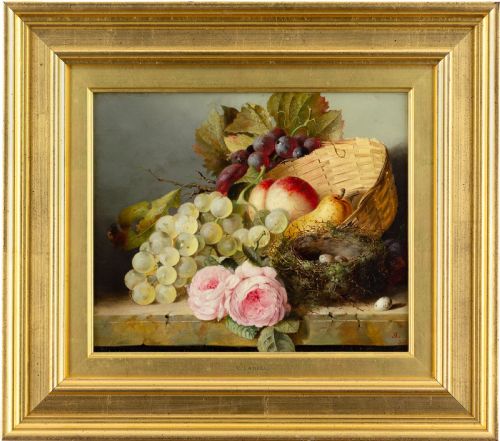
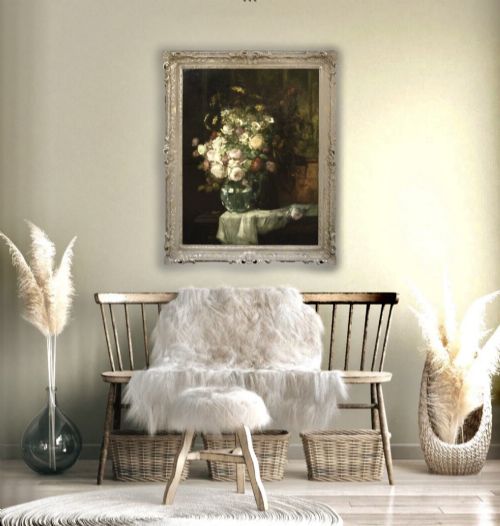
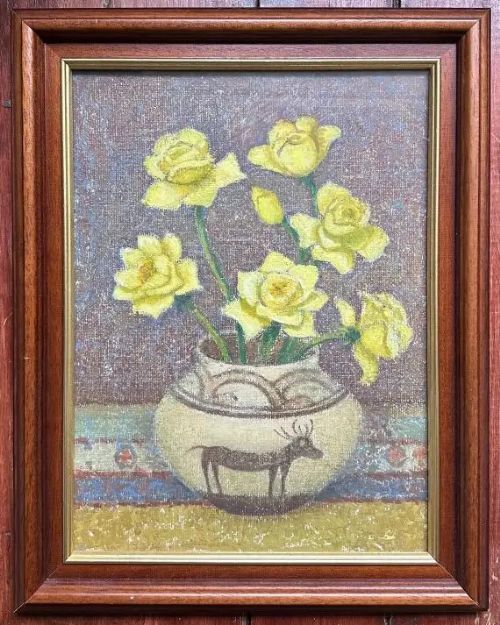
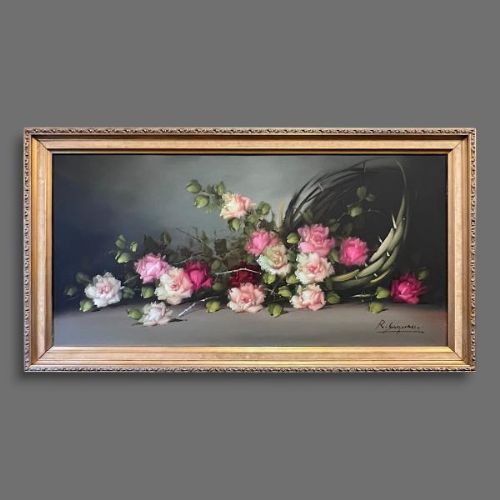
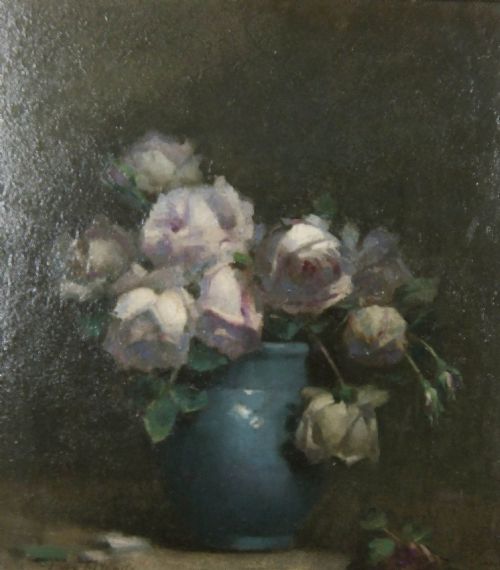
A framed rose painting comprises historical and mid-century depictions of roses executed by artists working within British, European, and American traditions. When you search for framed rose painting, you encounter works ranging from rigorous Victorian realism and 17th-century still lifes to impressionist studies and mid-century interpretations.
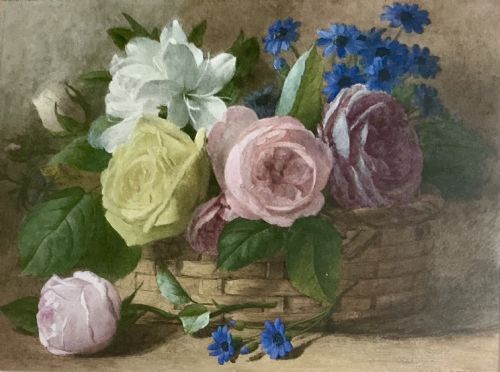
Subjects range from botanical watercolours and intimate vase arrangements to expansive still life compositions featuring roses spilling from baskets alongside fruit or porcelain. These works document shifting artistic attitudes towards naturalism, light, and colour across the 17th, 19th, and 20th centuries.
How They Were Made
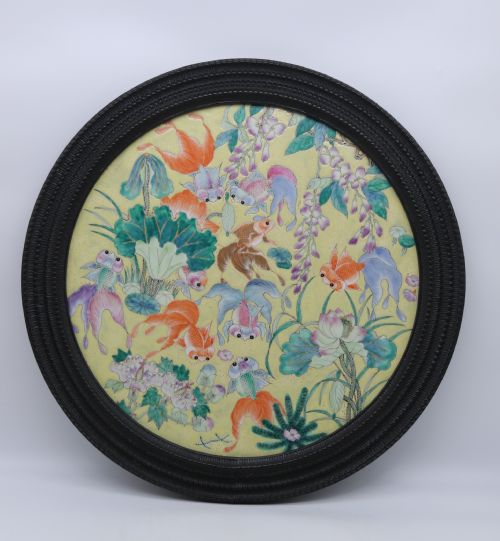
Artists painted these works using oil paint, watercolour, tempera, or pastel applied to prepared canvas, paper, wood panels, or porcelain panels. Oil paint on canvas provides deep, layered pigment saturation, whereas watercolour and pastel on paper offer lighter, more immediate tonal transparency.
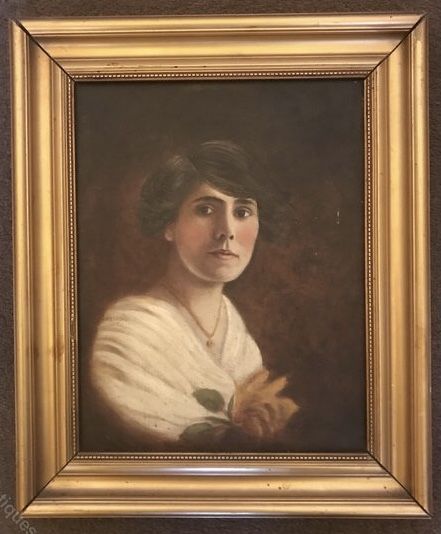
Frames play a structural and aesthetic role, frequently constructed from wood and surfaced with gesso before receiving layers of gold leaf or giltwood finishes. These mouldings protect the perimeter of the canvas or paper and anchor the visual weight of the composition.
Framed Rose Painting Retail Price Guide 2026
Typical asking prices for framed rose painting among the pieces listed under this phrase on Sellingantiques today, from the lower quarter to the upper quarter. They describe what is for sale here now, not the wider market.
Listings feature works spanning from the 17th century to the mid-20th century, executed in oil, watercolour, pastel, and porcelain.
What Varies in Quality
Quality rests upon the artist's command of form, light, and brushwork, distinguishing confident, fluid application from stiff or formulaic rendering. Stronger examples display nuanced tonal shifts within the petals and a convincing sense of three-dimensional volume in the vase or surrounding drapery.
The preservation of the underlying medium and its original housing influences the standing of a piece. Works retaining their period gilded wood frames and stable, unlined canvases demonstrate superior physical integrity compared to those altered or heavily restored over time.
Theude Grönland·John Rose Miles·Mark Ingram·Konstantin Stoitzner·Edward Ladell·Emma Fordyce MacRae·Gaspar Peeter Verbruggen·William Thomas Wood·Stuart Armfield·Thomas Rose Miles·Phyllis I Hibbert·Lena M Alexander·W.A. Clark·James Stuart Park·Ambrious Benson·Ernest Higgins Rigg·Owen Bowen·Lilian Stannard·Alfred Seifert·Jules Felix Ragot·Robert Leslie Howey
The Framed Rose Painting Glossary
- Still life
- A painting or drawing featuring inanimate subject matter, typically everyday objects such as flowers, fruit, or glassware. In these selections, floral arrangements dominate the genre.
- Giltwood
- Wood that has been treated with a thin layer of gold leaf or gold paint. This finish frequently characterises the ornate frames enclosing 19th-century works.
- Gesso
- A plaster-like mixture applied to wood frames or panels to prepare a smooth surface for gilding or painting. It allows for intricate moulded decoration along the frame edges.
- Impressionism
- An art movement focused on capturing the visual impression of a moment, paying primary attention to shifting light and unblended colour. Several pieces reflect British and European interpretations of this style.
- Watercolour
- A painting method in which the paints are made of pigments suspended in a water-based solution. This medium is typically executed on paper supports.
Framed Rose Painting: Frequently Asked Questions
How do I care for a framed rose painting?
Keep the artwork away from direct sunlight and areas subject to sudden humidity fluctuations to protect the canvas and paper supports. Dust the frame gently with a soft, dry cloth without applying cleaning solutions.
Ensure the piece hangs securely from appropriate wall fixings suited to the weight of the wood and gesso frame. Avoid touching the painted surface directly to prevent oils from transferring to the pigment.
How can I tell the period of a painting?
Examine the materials, stretcher bars, and framing methods, as canvas preparation and framing styles changed markedly from the seventeenth century through the mid-twentieth century. Stylistic markers such as impressionist brushwork or Victorian realism offer further clues.
Signatures, dates inscribed on the reverse, and artist records help narrow down the decade of creation. Comparing the technique to documented works by the same school provides additional chronological context.
Where were these floral artworks displayed historically?
These paintings typically hung in domestic reception rooms, parlours, and formal dining spaces throughout the nineteenth and early twentieth centuries. They served to bring botanical colour and natural subjects into interior architecture.
Smaller watercolours and pastels often decorated intimate private quarters, while larger oil canvases commanded central placement above mantelpieces. Collectors prized them for their decorative contribution to the home.
What distinguishes oil paintings from watercolours in these listings?
Oil paintings utilise pigment bound in drying oil on canvas or wood panels, allowing for rich texture, impasto, and deep colour saturation. They generally require a protective frame but do not need glass covering.
Watercolours employ water-soluble pigments on paper and require mounting beneath glass and a mat board to prevent moisture damage. This medium yields a lighter, more translucent quality across the floral subjects.