

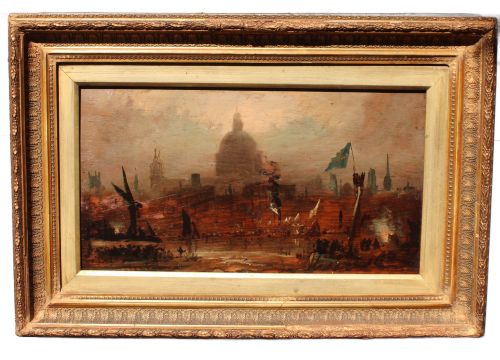

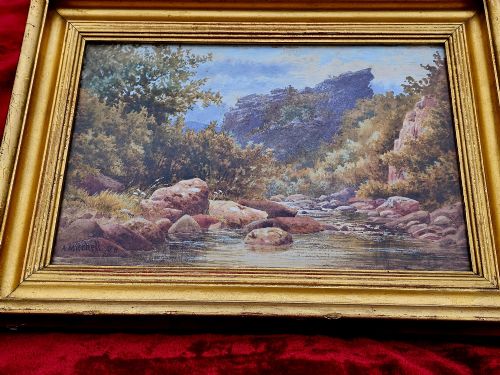
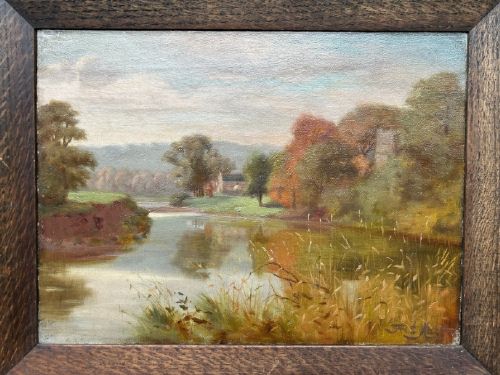
Framed River Scene
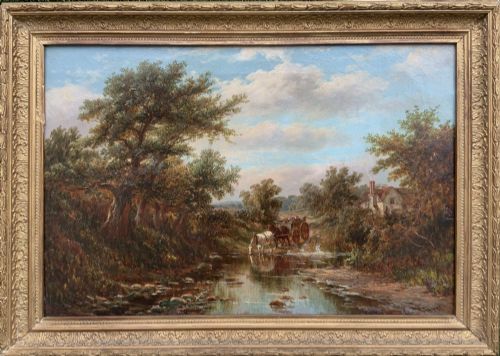
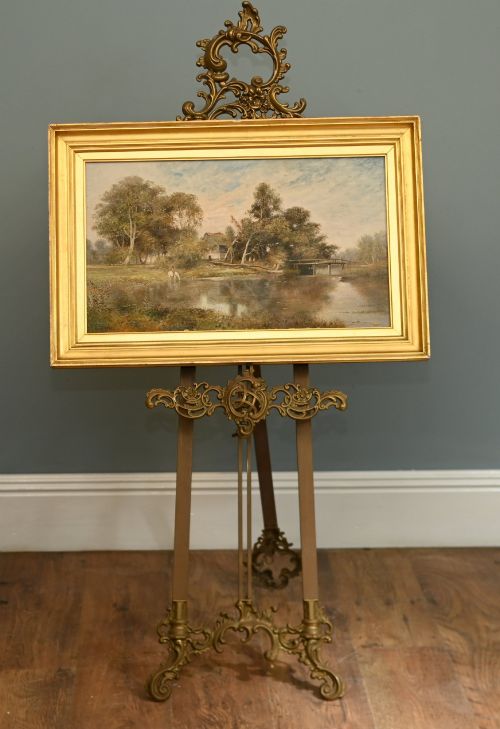
A framed river scene brings the quiet movement of water and nineteenth-century light directly into a room through oil paint or watercolour.
Framed River Scene
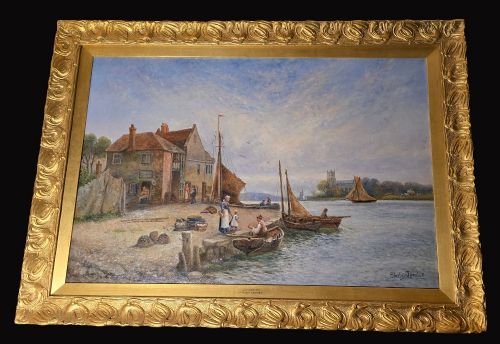
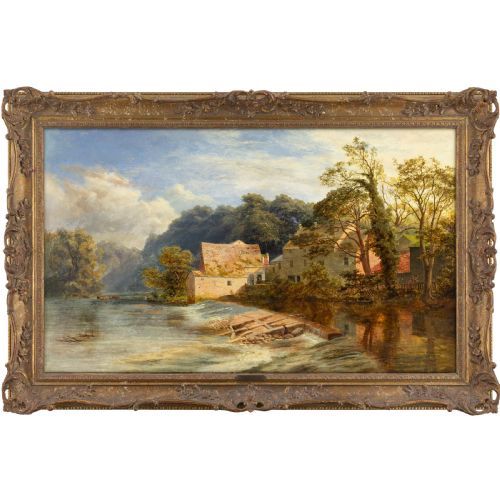
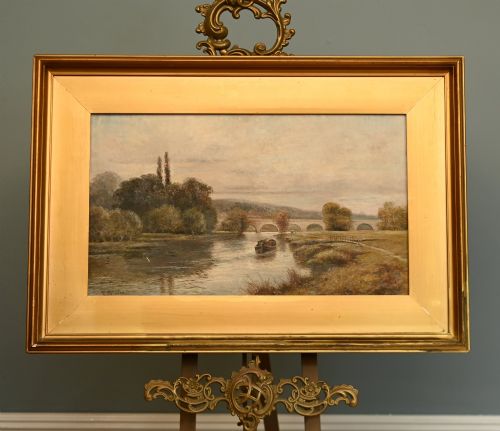
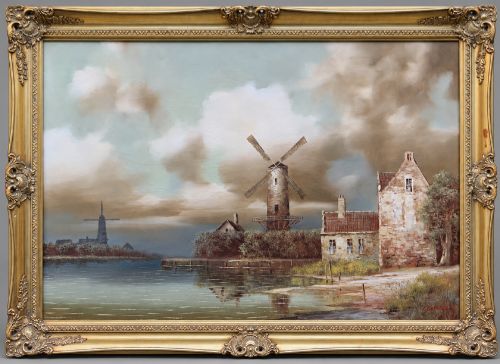
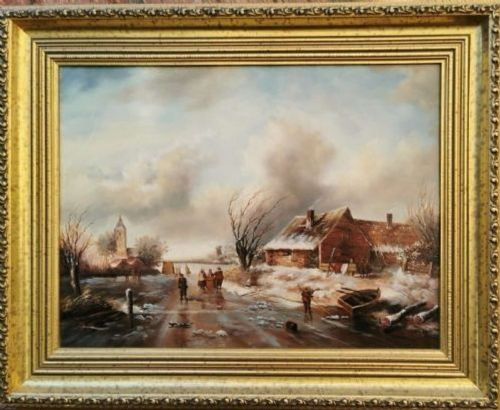
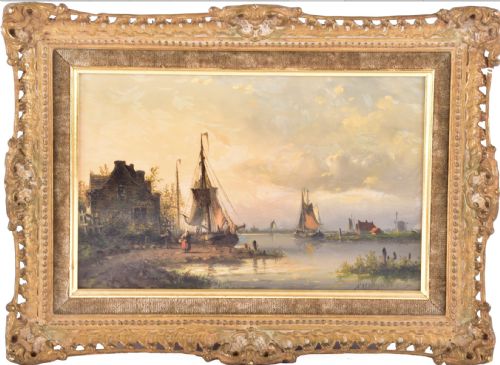
When searching for a framed river scene, a buyer examines varied interpretations of waterways, ranging from Thames valley vistas and Dutch windmills to quiet pastoral streams. These artworks mostly appear as oil paintings on canvas or wood panels, alongside watercolours on paper, originating predominantly from the nineteenth and early twentieth centuries.
The assortment on this page reflects regional schools such as the British Impressionists, Dutch artists, and Victorian painters who captured local waterways, bridges, and fishing banks. Works span from tightly detailed nineteenth-century studies to looser mid-century interpretations.
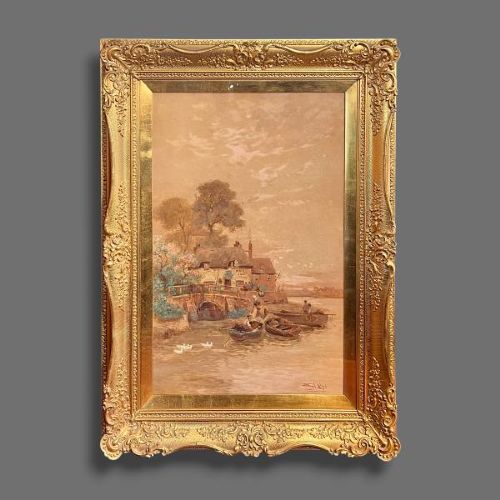
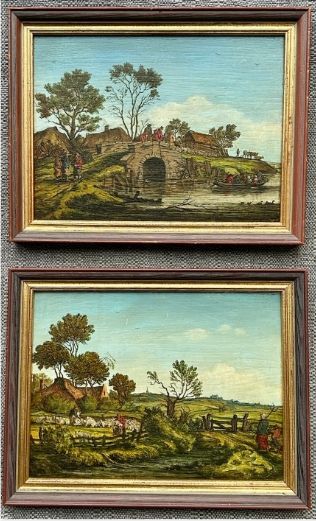
Subjects frequently incorporate figures on riverbanks, boats, bridges, and evening sunsets over water. Buyers will encounter both modest watercolours and large-scale oils set within period frames.
How They Were Made
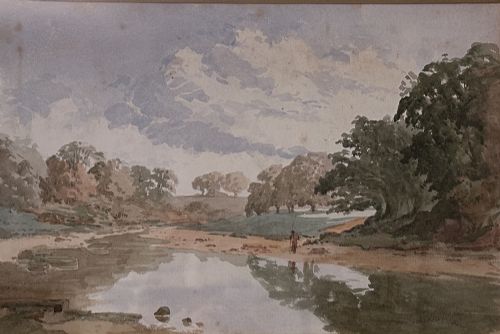
Artists painted primarily using oil on canvas, oil on wood panels, or watercolour on paper, applying pigments with brushes and occasionally palette knives to build texture. Canvases were stretched over wooden frames, whilst watercolours were mounted on paper sheets and protected behind glass.
Frames themselves consist of wood decorated with gesso and giltwood details, providing structural support and framing the composition. These materials dictate the weight and preservation requirements of each piece.
Framed River Scene Retail Price Guide 2026
Typical asking prices for framed river scene among the pieces listed under this phrase on Sellingantiques today, from the lower quarter to the upper quarter. They describe what is for sale here now, not the wider market.
Listings feature works created across the nineteenth and twentieth centuries, using oil paint, watercolour, canvas, wood, and giltwood.
What Varies In Quality
Quality depends upon the skill of brushwork, the depth of perspective, and how effectively the artist captures natural light upon the water. Stronger examples display confident handling of tone and atmosphere rather than mechanical repetition.
The condition of both the painted surface and the original giltwood frame influences desirability. Intact brushwork without heavy retouching, paired with period-appropriate framing, distinguishes finer works from ordinary examples.
Nicolaas Martinus Wijdoogen·Stuart Lloyd·Thomas Thomas·Edward Williams·George Graham·W Klombeck·Frederick Marriott·A Mitchell·Robert W Macbeth·Henri Ottmann·George Oyston·Herbert Royle·Florence Adelina Hess·T C Hofland·Henry H Parker·David Cox·T Bergman·Frederick Hines·Sydney Yates Johnson·Hubert Wellington
The Framed River Scene Glossary
- Giltwood
- Wood carved and coated with a thin layer of gold leaf or metallic gilt. It frames many traditional oil paintings.
- Gesso
- A plaster-like mixture applied to wooden frames before gilding or painting. It provides a smooth base for decorative mouldings.
- Watercolour
- A paint consisting of water-soluble pigments used on paper. It produces translucent washes of colour.
- Oil on Canvas
- Pigment mixed with drying oil applied to stretched woven fabric. This medium allows for rich texture and blending.
- Wood Panel
- A flat wooden board used as a rigid support for painting instead of canvas. Artists often utilised panels for smaller nineteenth-century works.
Framed River Scene: Frequently Asked Questions
How do I hang a heavy oil painting safely?
Ensure the wall fixings match the weight of the wooden frame and canvas. Secure screws directly into wall studs or utilise heavy-duty wall anchors designed for art.
Check that the hanging wire and D-rings on the back of the frame are tightly fastened before lifting the piece into place.
Where should I place a watercolour in my home?
Keep watercolours away from direct sunlight to prevent the paper from yellowing and the pigments from fading. Hanging them in rooms with stable humidity protects the paper and mount.
Avoid placing them on damp exterior walls where moisture might damage the paper over time.
How can I tell a watercolour from an oil painting?
Examine the surface texture closely under a light. Watercolours sit flat on paper behind glass with visible brush washes, whilst oil paintings present a textured impasto surface on canvas or wood.
Oils do not require glass for protection, whereas watercolours must be glazed to prevent airborne dust from soiling the paper.